

As the cold weather months arrive in Rhode Island, it's time to prepare your Volkswagen for the challenging conditions ahead. Who better to get advice from than a professional driver? Tanner Foust, a pro racing and stunt driver for Volkswagen, has a simple but crucial piece of wisdom for every VW owner: “Respect the conditions.” Foust knows a thing or two about navigating slippery roads. As a three-time U.S. Rallycross champion, two-time Formula Drift winner, and a former ice driving instructor, he has mastered the art of car control. Here are Tanner’s six essential tips for driving your Volkswagen safely this winter. 1. Let Your VW's Technology Help You Modern Volkswagen vehicles are packed with technology designed to assist you in tricky situations. Foust emphasizes that if you drive within your car's limits and avoid taking turns too fast, these systems can be a great help. "Traction control is part of the Electronic Stability Control system in every modern Volkswagen," he says. "If a tire starts to slip, the system automatically limits power to that tire to keep it gripping the road." While this technology is beneficial in both front-wheel-drive and 4MOTION® all-wheel-drive models, Foust notes that 4MOTION® provides an extra edge. "That makes it a lot easier to get up that snowy road on the hill to grandma’s house," he adds, highlighting its superior low-speed acceleration on inclines. 2. Equip Your Car with the Right Tires If you live in an area where temperatures frequently drop below 45 degrees, investing in winter tires is a smart move. Foust explains that winter tires give you "an advantage for braking, accelerating and steering whenever you’re on a snow-covered road." Don't forget to check your tire pressure regularly. As temperatures fall, so does tire pressure, so ensure it's at the recommended level for your vehicle. 3. Focus on One Action at a Time "A car can either brake, turn or accelerate," Foust says. "When driving on a snow-covered road...it’s critical that you do only one of those things at a time." Trying to do more than one at once can overwhelm the tires' grip and lead to a skid. His advice is to brake in a straight line, ease off the pedals while turning, and only accelerate once the wheel is nearly straight again. 4. Understand and Avoid Skids Skids happen when tires lose their grip on the road during a turn. Foust identifies two main types: Oversteer: The rear tires slide to the outside of the turn. Understeer: The front tires slide to the outside of the turn. The best way to prevent either? Slow down and complete your braking before you enter the turn. 5. Leave Extra Room for Braking On snowy roads, your braking distance can be up to four times longer than on dry pavement. This means your following distance should also be at least four times longer. Every modern Volkswagen comes with an Anti-lock Braking System (ABS). In an emergency, Foust advises to "just push the brake hard." That buzzing feeling you feel is the ABS working to help you stop safely. 6. Be Prepared for the Unexpected It's always wise to plan ahead, especially for winter drives where weather can change quickly. Foust recommends keeping an emergency kit in your vehicle with items like non-perishable food, water, and warm clothing. A Roadside Assistance Kit and First Aid Kit are also essential. "This way," he says, "you’ll be better prepared to weather the storm until help arrives." Before the winter season gets into full swing, don't forget to schedule a cold-weather service appointment with our team at Speedcraft Volkswagen. We'll ensure your VW is ready to handle whatever the Rhode Island winter throws its way.
All
Service
Tips and Info
VW Tiguan
VW Jetta
Local News and Events
Dealership News
FAQ
VW Atlas
Rhode Island Tourism
VW Golf
Safety
VW Passat
VW GTI
VW Golf Alltrack
News
VW Beetle
VW Golf SportWagen
VW Technology
Parts and Accessories
VW News
Vehicle Comparison
VW Golf R
Sales Events
VW e-Golf
VW Touareg
Oil Maintenance Program
Tips
Tire Service
Carefree Maintenance Program
VW ID4
Certified Pre-Owned
Financing
VW Taos
Electric Vehicles
Comparison
Features
College Graduate Program
Concepts
fuel efficiency
VW Arteon
VW Atlas Cross Sport
Accessories
Locations
Convertible
OEM eStore
VW CC
AWD
VW Eos
VW ID. Buzz
Warranty
TDI Clean Diesel
Lease
VW Dealer
VW ID.7
VW e_Golf
Awards
Employment
VW ID.2
6 Winter Driving Tips from a Pro
As the cold weather months arrive in Rhode Island, it's time to prepare your Volkswagen for the challenging conditions ahead. Who better to get advice from than a professional driver? Tanner Foust, a pro racing and stunt driver for Volkswagen, has a simple but crucial piece of wisdom for every VW owner: “Respect the conditions.” Foust knows a thing or two about navigating slippery roads. As a three-time U.S. Rallycross champion, two-time Formula Drift winner, and a former ice driving instructor, he has mastered the art of car control. Here are Tanner’s six essential tips for driving your Volkswagen safely this winter. 1. Let Your VW's Technology Help You Modern Volkswagen vehicles are packed with technology designed to assist you in tricky situations. Foust emphasizes that if you drive within your car's limits and avoid taking turns too fast, these systems can be a great help. "Traction control is part of the Electronic Stability Control system in every modern Volkswagen," he says. "If a tire starts to slip, the system automatically limits power to that tire to keep it gripping the road." While this technology is beneficial in both front-wheel-drive and 4MOTION® all-wheel-drive models, Foust notes that 4MOTION® provides an extra edge. "That makes it a lot easier to get up that snowy road on the hill to grandma’s house," he adds, highlighting its superior low-speed acceleration on inclines. 2. Equip Your Car with the Right Tires If you live in an area where temperatures frequently drop below 45 degrees, investing in winter tires is a smart move. Foust explains that winter tires give you "an advantage for braking, accelerating and steering whenever you’re on a snow-covered road." Don't forget to check your tire pressure regularly. As temperatures fall, so does tire pressure, so ensure it's at the recommended level for your vehicle. 3. Focus on One Action at a Time "A car can either brake, turn or accelerate," Foust says. "When driving on a snow-covered road...it’s critical that you do only one of those things at a time." Trying to do more than one at once can overwhelm the tires' grip and lead to a skid. His advice is to brake in a straight line, ease off the pedals while turning, and only accelerate once the wheel is nearly straight again. 4. Understand and Avoid Skids Skids happen when tires lose their grip on the road during a turn. Foust identifies two main types: Oversteer: The rear tires slide to the outside of the turn. Understeer: The front tires slide to the outside of the turn. The best way to prevent either? Slow down and complete your braking before you enter the turn. 5. Leave Extra Room for Braking On snowy roads, your braking distance can be up to four times longer than on dry pavement. This means your following distance should also be at least four times longer. Every modern Volkswagen comes with an Anti-lock Braking System (ABS). In an emergency, Foust advises to "just push the brake hard." That buzzing feeling you feel is the ABS working to help you stop safely. 6. Be Prepared for the Unexpected It's always wise to plan ahead, especially for winter drives where weather can change quickly. Foust recommends keeping an emergency kit in your vehicle with items like non-perishable food, water, and warm clothing. A Roadside Assistance Kit and First Aid Kit are also essential. "This way," he says, "you’ll be better prepared to weather the storm until help arrives." Before the winter season gets into full swing, don't forget to schedule a cold-weather service appointment with our team at Speedcraft Volkswagen. We'll ensure your VW is ready to handle whatever the Rhode Island winter throws its way.
DIY Volkswagen Detail
Keep Your Volkswagen Looking Showroom Fresh That gleaming finish didn't shine itself — someone's clearly in a committed relationship with their Volkswagen. That subtle gleam? That's care. That's pride. That's respect for your driving space. Because driving a VW is about more than getting from A to B. It's about enjoying the ride and keeping your car looking as good as it drives. The best part? There's no need for monthly detailing visits. With a few smart habits and a little time, you'll keep your car in top form — ready to turn heads and tackle the road ahead. Below are some DIY pro tips and product picks that can help you get the job done. And if you're looking for more information about cleaning and caring for your vehicle, just look for the Vehicle Care section in your Owner's Manual or contact our service team at Speedcraft Volkswagen. EXTERIOR CARE Start with the right towels: Skip the bath towels and paper towels — they can be too rough for your paint. Microfiber mitts and waffle weave drying towels are specifically designed for car care and can help protect your VW's finish and prevent swirl marks. Choose a car-safe shampoo: Dish soap is a no-go. Use a gentle, vehicle-specific shampoo to clean without stripping protective coatings and reduce the need to apply wax after every wash. Use the two-bucket method: One bucket for soapy water, one for rinsing your mitt or soft sponge. This keeps dirt from re-circulating and scratching your clear coat. Wash from the top down: Gravity's your friend. Start with the roof and work your way down to the wheels — it keeps dirt from spreading across clean surfaces. Don't wash in direct sunlight: Heat can cause soap and water to dry too fast, leaving spots and damaging the clear coat. Aim for a shaded spot or wash during cooler parts of the day. Clean exterior cameras and sensors: Gently wipe down your vehicle's cameras and sensors with a soft, damp microfiber cloth. Keeping them clean helps ensure optimal performance of your driver assistance systems. Clean your wheels with care: Use an acid-free cleaner and soft brush to remove brake dust without damaging your rims. Dry with care: It's recommended to let your vehicle air dry after handwashing. But if you'd like to limit the appearance of water spots, consider drying with a soft microfiber towel or chamois for a spotless finish. Leave buffing and paint correction to the pros: Using a machine to polish your car incorrectly could scratch or chip some of the paint, and could even cause paint discoloration. It's best to consult with our service team at Speedcraft Volkswagen before attempting machine polishing. Wash regularly: Aim for every other week — more often if you drive in harsh conditions. Regular care keeps your VW looking showroom fresh. INTERIOR CARE Interiors are often overlooked when it comes to detailing but should still be regularly maintained. Many people regularly clean their homes by vacuuming, dusting, mopping, wiping down surfaces and cleaning towels and sheets. The same should be done with a car interior. Dust and debris collect in a vehicle just like it does in your home. Remove and clean your floor mats: Take them out and shake off any debris. If your mats really need some TLC, scrub them with a dedicated cleaner designed for automotive floor mats. Vacuum before wiping: Clear out crumbs and dust first — it makes surface cleaning more effective. A microfiber towel and water go a long way: For quick interior touch-ups, use a microfiber cloth lightly dampened with water. Wipe down high-touch areas like the steering wheel, door handles, shifter, and seat belts. Skip the household cleaners: Because household cleaners can damage leather and trim, it's best to use solutions that are formulated for vehicle interiors. For dashboards and trims, look for gentle products that won't leave a greasy finish or swirl marks. Condition leather seats: Keep leather soft and smooth by using a quality conditioner that nourishes without leaving residue. Clean display and capacitive touch surfaces with care: Infotainment and digital display screens, as well as capacitive touch surfaces, need gentle treatment. Use a soft microfiber cleaning cloth, slightly dampened with water or a tech-safe glass cleaner. Be sure to turn off the infotainment screen before cleaning, never spray directly onto the screen or capacitive surface, and avoid ammonia or alcohol-based cleaners. Expert Care at Speedcraft Volkswagen For professional detailing services, advanced paint correction, or any questions about caring for your Volkswagen, visit us at Speedcraft Volkswagen in Wakefield, RI. Our certified technicians can help you maintain your vehicle's appearance and performance for years to come. Contact us today: Service: (401) 783-3305 Location: 104 Old Tower Hill Road, Wakefield, RI 02879 Schedule Service: Visit us online or call to book your appointment
DIY Volkswagen Detail
Keep Your Volkswagen Looking Showroom Fresh That gleaming finish didn't shine itself — someone's clearly in a committed relationship with their Volkswagen. That subtle gleam? That's care. That's pride. That's respect for your driving space. Because driving a VW is about more than getting from A to B. It's about enjoying the ride and keeping your car looking as good as it drives. The best part? There's no need for monthly detailing visits. With a few smart habits and a little time, you'll keep your car in top form — ready to turn heads and tackle the road ahead. Below are some DIY pro tips and product picks that can help you get the job done. And if you're looking for more information about cleaning and caring for your vehicle, just look for the Vehicle Care section in your Owner's Manual or contact our service team at Speedcraft Volkswagen. EXTERIOR CARE Start with the right towels: Skip the bath towels and paper towels — they can be too rough for your paint. Microfiber mitts and waffle weave drying towels are specifically designed for car care and can help protect your VW's finish and prevent swirl marks. Choose a car-safe shampoo: Dish soap is a no-go. Use a gentle, vehicle-specific shampoo to clean without stripping protective coatings and reduce the need to apply wax after every wash. Use the two-bucket method: One bucket for soapy water, one for rinsing your mitt or soft sponge. This keeps dirt from re-circulating and scratching your clear coat. Wash from the top down: Gravity's your friend. Start with the roof and work your way down to the wheels — it keeps dirt from spreading across clean surfaces. Don't wash in direct sunlight: Heat can cause soap and water to dry too fast, leaving spots and damaging the clear coat. Aim for a shaded spot or wash during cooler parts of the day. Clean exterior cameras and sensors: Gently wipe down your vehicle's cameras and sensors with a soft, damp microfiber cloth. Keeping them clean helps ensure optimal performance of your driver assistance systems. Clean your wheels with care: Use an acid-free cleaner and soft brush to remove brake dust without damaging your rims. Dry with care: It's recommended to let your vehicle air dry after handwashing. But if you'd like to limit the appearance of water spots, consider drying with a soft microfiber towel or chamois for a spotless finish. Leave buffing and paint correction to the pros: Using a machine to polish your car incorrectly could scratch or chip some of the paint, and could even cause paint discoloration. It's best to consult with our service team at Speedcraft Volkswagen before attempting machine polishing. Wash regularly: Aim for every other week — more often if you drive in harsh conditions. Regular care keeps your VW looking showroom fresh. INTERIOR CARE Interiors are often overlooked when it comes to detailing but should still be regularly maintained. Many people regularly clean their homes by vacuuming, dusting, mopping, wiping down surfaces and cleaning towels and sheets. The same should be done with a car interior. Dust and debris collect in a vehicle just like it does in your home. Remove and clean your floor mats: Take them out and shake off any debris. If your mats really need some TLC, scrub them with a dedicated cleaner designed for automotive floor mats. Vacuum before wiping: Clear out crumbs and dust first — it makes surface cleaning more effective. A microfiber towel and water go a long way: For quick interior touch-ups, use a microfiber cloth lightly dampened with water. Wipe down high-touch areas like the steering wheel, door handles, shifter, and seat belts. Skip the household cleaners: Because household cleaners can damage leather and trim, it's best to use solutions that are formulated for vehicle interiors. For dashboards and trims, look for gentle products that won't leave a greasy finish or swirl marks. Condition leather seats: Keep leather soft and smooth by using a quality conditioner that nourishes without leaving residue. Clean display and capacitive touch surfaces with care: Infotainment and digital display screens, as well as capacitive touch surfaces, need gentle treatment. Use a soft microfiber cleaning cloth, slightly dampened with water or a tech-safe glass cleaner. Be sure to turn off the infotainment screen before cleaning, never spray directly onto the screen or capacitive surface, and avoid ammonia or alcohol-based cleaners. Expert Care at Speedcraft Volkswagen For professional detailing services, advanced paint correction, or any questions about caring for your Volkswagen, visit us at Speedcraft Volkswagen in Wakefield, RI. Our certified technicians can help you maintain your vehicle's appearance and performance for years to come. Contact us today: Service: (401) 783-3305 Location: 104 Old Tower Hill Road, Wakefield, RI 02879 Schedule Service: Visit us online or call to book your appointment
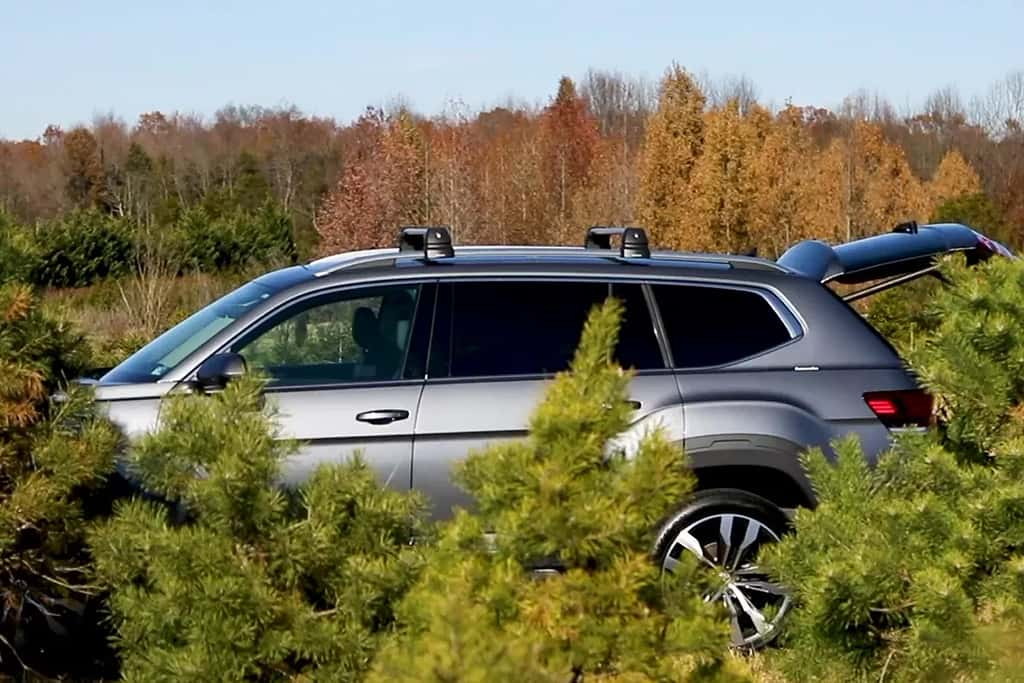
Transport Your Christmas Tree in a Volkswagen
The holiday season is here, and for many in Rhode Island, that means finding the perfect tree to fill your home with that classic holiday scent and cozy atmosphere. But let's be honest, getting that tree from the farm to your living room can be a hassle. What if we told you it doesn't have to be? At Speedcraft Volkswagen, we've put together a few tips to make transporting your tree in your VW SUV easier and less stressful. Holidays are for spending time with family, not wrestling a tree into your car. Whether you prefer strapping the tree to your car’s rooftop or using the generous interior cargo space, follow these quick steps to get your tree home easily and securely this holiday season. Step 1: Prep Your VW SUV and Supplies Before you head out, a little preparation goes a long way. To protect your vehicle and yourself, make sure to gather: Blankets or tarps: To catch any loose pine needles, dirt, or sap. Ratcheting straps or strong rope: Avoid bungee cords, as they can stretch and loosen during transit. Utility gloves: To protect your hands from sticky sap and sharp needles. Reflective flags or tape: Essential for visibility if you’re driving after dark. Step 2: Measure Everything Twice There's nothing worse than getting the perfect tree home only to find it doesn't fit. Before you leave, measure the space in your home where the tree will go. Then, measure your vehicle's cargo space or roof rack to ensure you can transport it safely. Step 3: Loading Your Tree You’ve found "the one!" Now, it's time to get it home. Most tree farms will have netting available to wrap your tree tightly, which limits loose branches and prevents scratches. If not, use an old blanket or tarp. Transporting Inside Your SUV: Fold down the rear seats to maximize cargo space. For smaller items, use the underfloor storage in models like the ID.4 EV. Lay down your blanket or tarp to protect the interior. Load the tree with the trunk-end first, pushing it as far forward as possible to prevent sliding. Secure the tree using your vehicle’s interior anchor points with ropes or straps. Transporting on Your SUV's Rooftop: If your VW is equipped with crossbars, they provide a secure base and protect your roof's paint. Position the tree with the trunk facing the front of the vehicle. This reduces wind resistance and protects the branches from damage. Use strong ratcheting straps or durable ropes to fasten the tree securely to the crossbars. Step 4: The Pre-Drive Safety Check Before you pull out of the lot, double-check your work. On the rooftop? Give the tree a firm tug to ensure it’s secure. If it moves, tighten the straps until it’s solid. Inside the car? Make sure your view from the front windshield, rear window, and mirrors is not obstructed. If you're driving at night with the tree on the roof, attach a reflective flag or tape to the end of the tree to make it visible to other drivers. Step 5: Quick and Easy Cleanup Once you’re home and have unloaded your tree, the blankets you laid down should make cleanup simple. Quickly check for any stray sap spots and clean them immediately to avoid stains. With these tips, your Volkswagen SUV is the perfect partner for your holiday traditions. From all of us at Speedcraft Volkswagen, we wish you a safe and happy holiday season! Ready for a new holiday adventure vehicle? Explore our inventory of spacious Volkswagen SUVs today or stop by our dealership in Wakefield, RI!
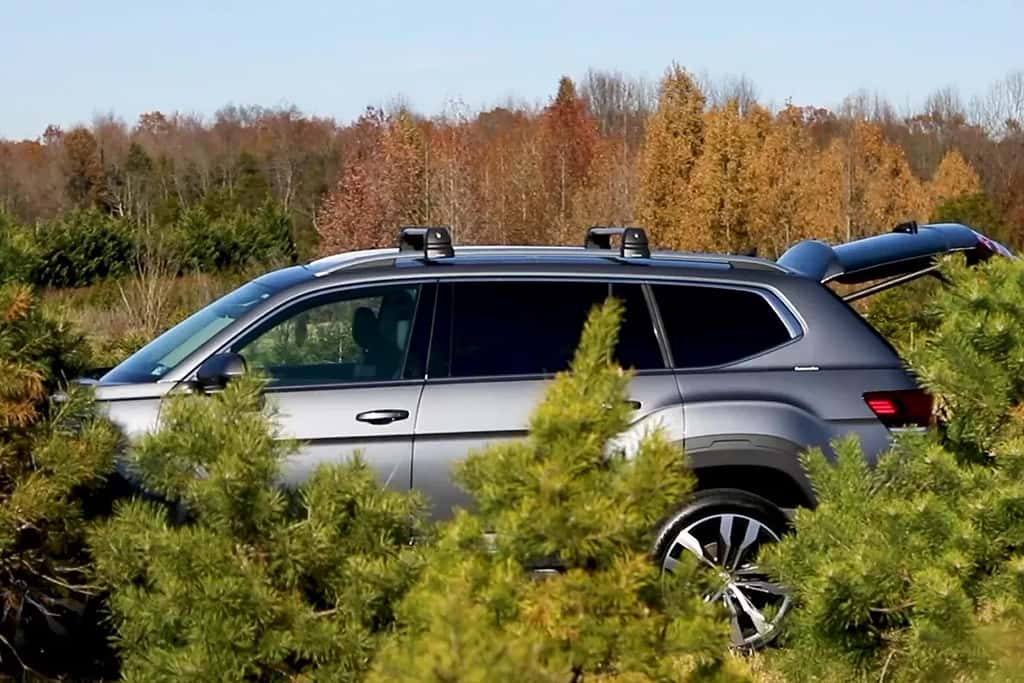
Transport Your Christmas Tree in a Volkswagen
The holiday season is here, and for many in Rhode Island, that means finding the perfect tree to fill your home with that classic holiday scent and cozy atmosphere. But let's be honest, getting that tree from the farm to your living room can be a hassle. What if we told you it doesn't have to be? At Speedcraft Volkswagen, we've put together a few tips to make transporting your tree in your VW SUV easier and less stressful. Holidays are for spending time with family, not wrestling a tree into your car. Whether you prefer strapping the tree to your car’s rooftop or using the generous interior cargo space, follow these quick steps to get your tree home easily and securely this holiday season. Step 1: Prep Your VW SUV and Supplies Before you head out, a little preparation goes a long way. To protect your vehicle and yourself, make sure to gather: Blankets or tarps: To catch any loose pine needles, dirt, or sap. Ratcheting straps or strong rope: Avoid bungee cords, as they can stretch and loosen during transit. Utility gloves: To protect your hands from sticky sap and sharp needles. Reflective flags or tape: Essential for visibility if you’re driving after dark. Step 2: Measure Everything Twice There's nothing worse than getting the perfect tree home only to find it doesn't fit. Before you leave, measure the space in your home where the tree will go. Then, measure your vehicle's cargo space or roof rack to ensure you can transport it safely. Step 3: Loading Your Tree You’ve found "the one!" Now, it's time to get it home. Most tree farms will have netting available to wrap your tree tightly, which limits loose branches and prevents scratches. If not, use an old blanket or tarp. Transporting Inside Your SUV: Fold down the rear seats to maximize cargo space. For smaller items, use the underfloor storage in models like the ID.4 EV. Lay down your blanket or tarp to protect the interior. Load the tree with the trunk-end first, pushing it as far forward as possible to prevent sliding. Secure the tree using your vehicle’s interior anchor points with ropes or straps. Transporting on Your SUV's Rooftop: If your VW is equipped with crossbars, they provide a secure base and protect your roof's paint. Position the tree with the trunk facing the front of the vehicle. This reduces wind resistance and protects the branches from damage. Use strong ratcheting straps or durable ropes to fasten the tree securely to the crossbars. Step 4: The Pre-Drive Safety Check Before you pull out of the lot, double-check your work. On the rooftop? Give the tree a firm tug to ensure it’s secure. If it moves, tighten the straps until it’s solid. Inside the car? Make sure your view from the front windshield, rear window, and mirrors is not obstructed. If you're driving at night with the tree on the roof, attach a reflective flag or tape to the end of the tree to make it visible to other drivers. Step 5: Quick and Easy Cleanup Once you’re home and have unloaded your tree, the blankets you laid down should make cleanup simple. Quickly check for any stray sap spots and clean them immediately to avoid stains. With these tips, your Volkswagen SUV is the perfect partner for your holiday traditions. From all of us at Speedcraft Volkswagen, we wish you a safe and happy holiday season! Ready for a new holiday adventure vehicle? Explore our inventory of spacious Volkswagen SUVs today or stop by our dealership in Wakefield, RI!
When to Trade Your Lease for a New One
Leasing a car offers the flexibility to drive a new vehicle every few years without the long-term commitment of ownership. But what if your needs change before your lease is up? Maybe you need a bigger car for a growing family, a more fuel-efficient model for a new commute, or you simply want the latest technology. Trading in your lease for a new one can be a great solution. This guide will walk you through everything you need to know about trading in your lease. We'll explore how to assess your current lease agreement, the factors to consider before making a move, and the steps involved in securing your next vehicle. By the end, you'll have a clear understanding of whether trading in your lease early is the right decision for you. Understanding Your Current Lease Agreement Before you even think about visiting a dealership, the first step is to grab your current lease contract and review it carefully. This document contains all the crucial information that will influence your decision. Review Your Lease Terms Your lease agreement is the roadmap for your leasing journey. Pay close attention to these key details: Lease-End Date: This is the date your lease officially concludes. Knowing how much time is left is essential for calculating your options. Mileage Allowance: Most leases come with an annual mileage limit (e.g., 10,000, 12,000, or 15,000 miles per year). Exceeding this limit will result in penalties, typically charged per mile over the cap. Residual Value: This is the car's projected worth at the end of the lease term, determined by the leasing company when you signed the agreement. It's a key number used to calculate your lease payments and your payoff amount. Payoff Amount: This is the total amount you would need to pay to buy the car outright before the lease ends. It includes the remaining payments and the residual value. You can request this figure from your leasing company at any time. Check for Early Termination Penalties Ending a lease early isn't as simple as just returning the car. Leasing companies structure their agreements to be completed, so breaking the contract usually involves costs. Look for a section in your agreement about "Early Termination." You might find that you're responsible for: All remaining lease payments. An early termination fee. Costs associated with preparing the vehicle for resale. These penalties can add up quickly, making an early trade-in an expensive choice if not handled correctly. However, a dealership can often work these costs into your new lease agreement, which we'll cover later. Factors to Consider Before Trading Once you understand your lease agreement, it's time to evaluate your vehicle's current standing. Three main factors will determine if trading in your lease is a financially sound move. Mileage Check your odometer. Are you well under your mileage limit, or are you approaching it faster than expected? If you're under your mileage limit: You're in a good position. The unused miles have value, which could contribute to positive equity in your vehicle. If you're over your mileage limit: Trading in your lease early could be a smart way to avoid hefty mileage penalties at the end of your term. The dealership might be able to absorb these costs into your new deal. Condition of the Vehicle Inspect your car for any wear and tear. Most lease agreements allow for normal use, but significant damage will cost you. Be honest about: Dents, scratches, or paint damage. Stains or tears in the upholstery. Worn-out tires. Cracks in the windshield. If your car has excessive wear, trading it in early could help you avoid paying for repairs or penalties when your lease matures. The dealership will assess the damage and factor it into the trade-in value. Market Value vs. Payoff Amount This is the most critical calculation. You need to determine if your vehicle has positive or negative equity. Positive Equity: Your vehicle's current market value is higher than your lease payoff amount. This is the ideal scenario. The extra value can be used as a down payment on your new lease, lowering your monthly payments. Negative Equity: Your vehicle's current market value is lower than your lease payoff amount. This is common, as cars depreciate quickly. If you have negative equity, the difference will need to be paid off or rolled into your new lease, which will increase your new monthly payments. To find your car's market value, you can use online tools like Kelley Blue Book (KBB) or get an appraisal from a dealership. When Trading In Makes Sense Deciding to trade in your lease early often comes down to a few key situations. If you find yourself in one of these scenarios, it might be the perfect time to make a change. Your Needs Have Changed: Life happens. A new job with a longer commute might make you want a more fuel-efficient car. A growing family could require the space of an SUV like the Volkswagen Atlas. If your current vehicle no longer fits your lifestyle, it’s worth exploring a trade-in. You've Found Great Financial Incentives: Dealerships and manufacturers frequently offer promotions to attract customers. These might include "lease pull-ahead" programs, where they'll cover your last few lease payments, or loyalty bonuses for sticking with the same brand. Keep an eye out for these deals, as they can make an early trade-in much more affordable. You Want to Avoid Penalties: If you're on track to significantly exceed your mileage allowance or have caused damage that goes beyond normal wear and tear, trading in your lease can be a strategic move. A dealership may be more forgiving of these issues than the leasing company at the end of the term, especially if you're leasing a new car from them. Steps to Trading In Your Lease Ready to move forward? Follow these steps to ensure a smooth and successful trade-in process. Research New Vehicle Options: Start by exploring what you want in your next vehicle. Consider models that fit your new needs and budget. Browsing a dealership's inventory online, like the selection at Speedcraft Volkswagen, can give you an idea of available options, from the versatile Tiguan to the family-friendly Atlas. Get a Trade-In Appraisal: Visit a dealership to have your current vehicle appraised. It's a good idea to get quotes from a few different places to ensure you're getting a fair market value. This appraisal will be compared against your lease payoff amount to determine your equity. Negotiate the New Lease: Once you have your trade-in value, you can begin negotiating your new lease. If you have positive equity, make sure it's applied as a down payment. If you have negative equity, discuss how it will be handled. The dealership may be able to absorb some of it or roll it into your new payments. Be sure to review all terms, including the monthly payment, lease duration, and mileage allowance, before signing. Make the Right Move for You Deciding when to trade in a lease is a personal financial decision that requires careful consideration. By reviewing your current lease agreement, assessing your vehicle's condition and equity, and understanding your personal needs, you can determine the best time to act. Whether you're avoiding penalties, taking advantage of a great deal, or simply need a car that better suits your life, a lease trade-in can be a powerful tool for staying on the road in a vehicle you love. If you're considering your options, the team at Speedcraft Volkswagen is ready to help. We can appraise your current lease and show you our wide range of new vehicles to find the perfect fit for your next chapter.
When to Trade Your Lease for a New One
Leasing a car offers the flexibility to drive a new vehicle every few years without the long-term commitment of ownership. But what if your needs change before your lease is up? Maybe you need a bigger car for a growing family, a more fuel-efficient model for a new commute, or you simply want the latest technology. Trading in your lease for a new one can be a great solution. This guide will walk you through everything you need to know about trading in your lease. We'll explore how to assess your current lease agreement, the factors to consider before making a move, and the steps involved in securing your next vehicle. By the end, you'll have a clear understanding of whether trading in your lease early is the right decision for you. Understanding Your Current Lease Agreement Before you even think about visiting a dealership, the first step is to grab your current lease contract and review it carefully. This document contains all the crucial information that will influence your decision. Review Your Lease Terms Your lease agreement is the roadmap for your leasing journey. Pay close attention to these key details: Lease-End Date: This is the date your lease officially concludes. Knowing how much time is left is essential for calculating your options. Mileage Allowance: Most leases come with an annual mileage limit (e.g., 10,000, 12,000, or 15,000 miles per year). Exceeding this limit will result in penalties, typically charged per mile over the cap. Residual Value: This is the car's projected worth at the end of the lease term, determined by the leasing company when you signed the agreement. It's a key number used to calculate your lease payments and your payoff amount. Payoff Amount: This is the total amount you would need to pay to buy the car outright before the lease ends. It includes the remaining payments and the residual value. You can request this figure from your leasing company at any time. Check for Early Termination Penalties Ending a lease early isn't as simple as just returning the car. Leasing companies structure their agreements to be completed, so breaking the contract usually involves costs. Look for a section in your agreement about "Early Termination." You might find that you're responsible for: All remaining lease payments. An early termination fee. Costs associated with preparing the vehicle for resale. These penalties can add up quickly, making an early trade-in an expensive choice if not handled correctly. However, a dealership can often work these costs into your new lease agreement, which we'll cover later. Factors to Consider Before Trading Once you understand your lease agreement, it's time to evaluate your vehicle's current standing. Three main factors will determine if trading in your lease is a financially sound move. Mileage Check your odometer. Are you well under your mileage limit, or are you approaching it faster than expected? If you're under your mileage limit: You're in a good position. The unused miles have value, which could contribute to positive equity in your vehicle. If you're over your mileage limit: Trading in your lease early could be a smart way to avoid hefty mileage penalties at the end of your term. The dealership might be able to absorb these costs into your new deal. Condition of the Vehicle Inspect your car for any wear and tear. Most lease agreements allow for normal use, but significant damage will cost you. Be honest about: Dents, scratches, or paint damage. Stains or tears in the upholstery. Worn-out tires. Cracks in the windshield. If your car has excessive wear, trading it in early could help you avoid paying for repairs or penalties when your lease matures. The dealership will assess the damage and factor it into the trade-in value. Market Value vs. Payoff Amount This is the most critical calculation. You need to determine if your vehicle has positive or negative equity. Positive Equity: Your vehicle's current market value is higher than your lease payoff amount. This is the ideal scenario. The extra value can be used as a down payment on your new lease, lowering your monthly payments. Negative Equity: Your vehicle's current market value is lower than your lease payoff amount. This is common, as cars depreciate quickly. If you have negative equity, the difference will need to be paid off or rolled into your new lease, which will increase your new monthly payments. To find your car's market value, you can use online tools like Kelley Blue Book (KBB) or get an appraisal from a dealership. When Trading In Makes Sense Deciding to trade in your lease early often comes down to a few key situations. If you find yourself in one of these scenarios, it might be the perfect time to make a change. Your Needs Have Changed: Life happens. A new job with a longer commute might make you want a more fuel-efficient car. A growing family could require the space of an SUV like the Volkswagen Atlas. If your current vehicle no longer fits your lifestyle, it’s worth exploring a trade-in. You've Found Great Financial Incentives: Dealerships and manufacturers frequently offer promotions to attract customers. These might include "lease pull-ahead" programs, where they'll cover your last few lease payments, or loyalty bonuses for sticking with the same brand. Keep an eye out for these deals, as they can make an early trade-in much more affordable. You Want to Avoid Penalties: If you're on track to significantly exceed your mileage allowance or have caused damage that goes beyond normal wear and tear, trading in your lease can be a strategic move. A dealership may be more forgiving of these issues than the leasing company at the end of the term, especially if you're leasing a new car from them. Steps to Trading In Your Lease Ready to move forward? Follow these steps to ensure a smooth and successful trade-in process. Research New Vehicle Options: Start by exploring what you want in your next vehicle. Consider models that fit your new needs and budget. Browsing a dealership's inventory online, like the selection at Speedcraft Volkswagen, can give you an idea of available options, from the versatile Tiguan to the family-friendly Atlas. Get a Trade-In Appraisal: Visit a dealership to have your current vehicle appraised. It's a good idea to get quotes from a few different places to ensure you're getting a fair market value. This appraisal will be compared against your lease payoff amount to determine your equity. Negotiate the New Lease: Once you have your trade-in value, you can begin negotiating your new lease. If you have positive equity, make sure it's applied as a down payment. If you have negative equity, discuss how it will be handled. The dealership may be able to absorb some of it or roll it into your new payments. Be sure to review all terms, including the monthly payment, lease duration, and mileage allowance, before signing. Make the Right Move for You Deciding when to trade in a lease is a personal financial decision that requires careful consideration. By reviewing your current lease agreement, assessing your vehicle's condition and equity, and understanding your personal needs, you can determine the best time to act. Whether you're avoiding penalties, taking advantage of a great deal, or simply need a car that better suits your life, a lease trade-in can be a powerful tool for staying on the road in a vehicle you love. If you're considering your options, the team at Speedcraft Volkswagen is ready to help. We can appraise your current lease and show you our wide range of new vehicles to find the perfect fit for your next chapter.
VW Taos Lease in Rhode Island
Looking for a compact SUV that blends style, versatility, and affordability? The Volkswagen Taos might be exactly what you need. This stylish crossover has quickly become a favorite among Rhode Island drivers who want a vehicle that can handle everything from daily commutes to weekend adventures. At Speedcraft Volkswagen in Wakefield, we make leasing a VW Taos simple and straightforward. Here's everything you need to know about getting behind the wheel of this popular SUV. Why Lease a VW Taos? Leasing offers several advantages over buying, especially if you prefer driving a newer vehicle with the latest features. When you lease, you typically enjoy lower monthly payments compared to financing a purchase. This frees up your budget for other priorities while still giving you access to a quality vehicle. Another benefit? Flexibility. Lease terms usually run for two to three years, which means you can upgrade to a new model once your lease ends. If you like staying current with technology and safety features, leasing lets you do that without the long-term commitment of ownership. Plus, since you're driving a newer vehicle under warranty, maintenance costs tend to be lower. Many routine services are covered during the lease period, giving you peace of mind on the road. What Makes the VW Taos Stand Out The Taos combines practicality with modern design. Its compact exterior makes it easy to navigate tight parking spaces and busy streets, while the interior offers surprising space for passengers and cargo. Rhode Island drivers appreciate the Taos for its versatility. Need room for groceries, sports equipment, or luggage? The rear seats fold down to create generous cargo space. The elevated seating position gives you better visibility than a sedan, which is helpful during New England winters when road conditions can be challenging. Technology features include an intuitive touchscreen infotainment system, smartphone integration, and available driver-assistance features that make every trip safer and more enjoyable. The fuel-efficient engine also helps keep costs down at the pump. Leasing at Speedcraft Volkswagen We've built relationships with local banks and lenders throughout Rhode Island, which means we can present you with multiple financing options. Our team works to find lease terms that fit your budget and lifestyle.
VW Taos Lease in Rhode Island
Looking for a compact SUV that blends style, versatility, and affordability? The Volkswagen Taos might be exactly what you need. This stylish crossover has quickly become a favorite among Rhode Island drivers who want a vehicle that can handle everything from daily commutes to weekend adventures. At Speedcraft Volkswagen in Wakefield, we make leasing a VW Taos simple and straightforward. Here's everything you need to know about getting behind the wheel of this popular SUV. Why Lease a VW Taos? Leasing offers several advantages over buying, especially if you prefer driving a newer vehicle with the latest features. When you lease, you typically enjoy lower monthly payments compared to financing a purchase. This frees up your budget for other priorities while still giving you access to a quality vehicle. Another benefit? Flexibility. Lease terms usually run for two to three years, which means you can upgrade to a new model once your lease ends. If you like staying current with technology and safety features, leasing lets you do that without the long-term commitment of ownership. Plus, since you're driving a newer vehicle under warranty, maintenance costs tend to be lower. Many routine services are covered during the lease period, giving you peace of mind on the road. What Makes the VW Taos Stand Out The Taos combines practicality with modern design. Its compact exterior makes it easy to navigate tight parking spaces and busy streets, while the interior offers surprising space for passengers and cargo. Rhode Island drivers appreciate the Taos for its versatility. Need room for groceries, sports equipment, or luggage? The rear seats fold down to create generous cargo space. The elevated seating position gives you better visibility than a sedan, which is helpful during New England winters when road conditions can be challenging. Technology features include an intuitive touchscreen infotainment system, smartphone integration, and available driver-assistance features that make every trip safer and more enjoyable. The fuel-efficient engine also helps keep costs down at the pump. Leasing at Speedcraft Volkswagen We've built relationships with local banks and lenders throughout Rhode Island, which means we can present you with multiple financing options. Our team works to find lease terms that fit your budget and lifestyle.
When Does Your Vehicle Lease Have Hidden Value?
Vehicle lease equity might sound like financial jargon, but it represents real money in your pocket. Many drivers don't realize their leased vehicle could be worth more than they owe on it, creating an opportunity to cash in before their lease term ends. Lease equity occurs when your vehicle's current market value exceeds the remaining balance on your lease contract. This situation has become increasingly common due to fluctuating used car markets, supply chain disruptions, and changing consumer preferences. Understanding when your lease has equity—and how to capitalize on it—can save you thousands of dollars or help you transition to your next vehicle more affordably. The key lies in knowing what to look for and when to act. Let's explore how to identify lease equity and turn it into a financial advantage. Understanding Your Lease Agreement Basics Before diving into equity calculations, you need to understand the fundamental components of your lease contract. These terms directly impact whether your vehicle will develop equity over time. Capitalized Cost and Depreciation The capitalized cost represents the vehicle's agreed-upon value at lease signing—essentially what you're "buying" for depreciation purposes. This figure includes the vehicle's price plus any additional fees, minus your down payment and trade-in value. Your monthly payments primarily cover depreciation, which is the difference between the capitalized cost and the residual value. Understanding this relationship helps you gauge whether market conditions might create equity opportunities. Residual Value: Your Equity Baseline The residual value is your lease's most critical number for equity calculations. This predetermined amount represents what the leasing company expects your vehicle to be worth at lease end. If market conditions push your vehicle's actual value above this residual, you've got equity. Residual values are set at lease inception based on projected depreciation rates, but market realities don't always align with these projections. Economic disruptions, model discontinuations, or increased demand can create gaps between residual values and actual market values. Market Forces That Create Lease Equity Several factors can boost your leased vehicle's value above its residual, creating equity opportunities you can leverage. Supply and Demand Dynamics Used car shortages drive up values across all vehicle segments. When new car production slows due to chip shortages or other supply chain issues, consumers turn to used vehicles, inflating prices. Popular models in good condition often see the biggest value increases. Electric vehicles present unique equity scenarios. As charging infrastructure expands and gas prices fluctuate, EV demand can surge, pushing lease values well above residuals that were calculated before these market shifts. Model-Specific Factors Certain circumstances can dramatically impact specific models. If your manufacturer discontinues your vehicle or announces significant redesigns, current models may hold value better than expected. Limited edition trims or popular color combinations also tend to retain value. Reliability reputation affects equity potential too. Vehicles known for dependability often maintain higher resale values, especially as they age and newer models potentially face unknown reliability issues. Calculating Your Potential Lease Equity Determining whether you have lease equity requires comparing your vehicle's current market value to your lease payoff amount. Finding Your Lease Payoff Amount Contact your leasing company to get your exact payoff amount. This figure includes your remaining payments plus any fees for early termination. Don't confuse this with your residual value—the payoff amount is typically higher and includes additional costs. Some lease contracts include disposition fees or purchase option fees that affect your total cost. Factor these into your calculations to get an accurate picture of your financial position. Determining Current Market Value Multiple resources can help you establish your vehicle's current worth: Professional Appraisals: Dealerships often provide free appraisals, though they may offer conservative estimates. Get quotes from several dealers, including both your vehicle's brand dealers and general used car dealers. Online Valuation Tools: Websites like Kelley Blue Book, Edmunds, and Cars.com provide market value estimates. Input your exact specifications, mileage, and condition for the most accurate results. Market Research: Check current listings for similar vehicles in your area. Look for cars with comparable mileage, trim levels, and condition to gauge realistic market prices. The Equity Calculation Formula Once you have both figures, the calculation is straightforward: Vehicle Market Value - Lease Payoff Amount = Equity If the result is positive, you have equity. If negative, you're "upside down" on your lease, owing more than the vehicle is worth. Methods to Capture Your Lease Equity When you've confirmed positive equity, several strategies can help you realize this value. Lease Buyout and Resale Purchase your leased vehicle at the residual value, then sell it at market value. This approach gives you maximum control but requires upfront capital and involves sales logistics. Calculate the total cost, including taxes, registration, and any fees. In some states, you'll pay sales tax on the purchase, which reduces your net equity gain. Third-Party Lease Transfers Companies like Carvana, Vroom, and local dealers may purchase your lease directly. They handle the buyout process and pay you the equity difference. While convenient, these services typically offer less than private sale values. Compare offers from multiple buyers. Prices can vary significantly, and some companies specialize in certain vehicle types or price ranges. Early Trade-In Opportunities If you're ready for your next vehicle, use your equity as trade-in value toward a new purchase or lease. This approach simplifies the transaction and may provide tax advantages by reducing the taxable amount of your new vehicle purchase. Negotiate your trade value separately from your new vehicle price to ensure you're getting fair market value for your equity. Maximizing Your Lease Equity Potential Strategic decisions throughout your lease term can preserve or enhance equity opportunities. Vehicle Maintenance and Condition Maintain your vehicle meticulously. Regular service, prompt repairs, and careful driving preserve value better than neglecting maintenance to save money. Document all service work—it adds credibility when selling or trading. Keep your vehicle clean inside and out. Consider professional detailing before appraisals or sales. Small investments in appearance can yield significant returns in equity value. Mileage Management Stay well under your mileage allowance when possible. Low-mileage vehicles command premium prices, potentially creating equity even when similar high-mileage vehicles don't have positive value. If you're approaching your mileage limit, calculate whether early equity capture makes financial sense compared to excess mileage penalties. Market Timing Monitor market conditions throughout your lease. Seasonal demand, economic factors, and industry news all influence vehicle values. Act when market conditions favor your vehicle type. Consider your personal timeline too. If you need a new vehicle anyway, timing your equity capture with your replacement needs maximizes convenience and potential savings. Planning Your Next Move Lease equity provides opportunities, but timing and strategy matter. Start monitoring your vehicle's value about halfway through your lease term. Market conditions can change quickly, and being prepared helps you act when opportunities arise. Consider your long-term transportation needs. If you're happy with your current vehicle, buying it out might make sense. If you prefer newer vehicles, using equity toward your next lease or purchase provides financial flexibility. Understanding lease equity transforms you from a passive lessee to an active participant in the vehicle market. By staying informed about your vehicle's value and market conditions, you can turn your lease into a strategic financial tool rather than just a monthly payment. Remember that lease equity isn't guaranteed—it depends on market conditions, vehicle condition, and timing. However, when opportunities arise, knowing how to recognize and capture this value can significantly impact your automotive finances and put money back in your pocket.
When Does Your Vehicle Lease Have Hidden Value?
Vehicle lease equity might sound like financial jargon, but it represents real money in your pocket. Many drivers don't realize their leased vehicle could be worth more than they owe on it, creating an opportunity to cash in before their lease term ends. Lease equity occurs when your vehicle's current market value exceeds the remaining balance on your lease contract. This situation has become increasingly common due to fluctuating used car markets, supply chain disruptions, and changing consumer preferences. Understanding when your lease has equity—and how to capitalize on it—can save you thousands of dollars or help you transition to your next vehicle more affordably. The key lies in knowing what to look for and when to act. Let's explore how to identify lease equity and turn it into a financial advantage. Understanding Your Lease Agreement Basics Before diving into equity calculations, you need to understand the fundamental components of your lease contract. These terms directly impact whether your vehicle will develop equity over time. Capitalized Cost and Depreciation The capitalized cost represents the vehicle's agreed-upon value at lease signing—essentially what you're "buying" for depreciation purposes. This figure includes the vehicle's price plus any additional fees, minus your down payment and trade-in value. Your monthly payments primarily cover depreciation, which is the difference between the capitalized cost and the residual value. Understanding this relationship helps you gauge whether market conditions might create equity opportunities. Residual Value: Your Equity Baseline The residual value is your lease's most critical number for equity calculations. This predetermined amount represents what the leasing company expects your vehicle to be worth at lease end. If market conditions push your vehicle's actual value above this residual, you've got equity. Residual values are set at lease inception based on projected depreciation rates, but market realities don't always align with these projections. Economic disruptions, model discontinuations, or increased demand can create gaps between residual values and actual market values. Market Forces That Create Lease Equity Several factors can boost your leased vehicle's value above its residual, creating equity opportunities you can leverage. Supply and Demand Dynamics Used car shortages drive up values across all vehicle segments. When new car production slows due to chip shortages or other supply chain issues, consumers turn to used vehicles, inflating prices. Popular models in good condition often see the biggest value increases. Electric vehicles present unique equity scenarios. As charging infrastructure expands and gas prices fluctuate, EV demand can surge, pushing lease values well above residuals that were calculated before these market shifts. Model-Specific Factors Certain circumstances can dramatically impact specific models. If your manufacturer discontinues your vehicle or announces significant redesigns, current models may hold value better than expected. Limited edition trims or popular color combinations also tend to retain value. Reliability reputation affects equity potential too. Vehicles known for dependability often maintain higher resale values, especially as they age and newer models potentially face unknown reliability issues. Calculating Your Potential Lease Equity Determining whether you have lease equity requires comparing your vehicle's current market value to your lease payoff amount. Finding Your Lease Payoff Amount Contact your leasing company to get your exact payoff amount. This figure includes your remaining payments plus any fees for early termination. Don't confuse this with your residual value—the payoff amount is typically higher and includes additional costs. Some lease contracts include disposition fees or purchase option fees that affect your total cost. Factor these into your calculations to get an accurate picture of your financial position. Determining Current Market Value Multiple resources can help you establish your vehicle's current worth: Professional Appraisals: Dealerships often provide free appraisals, though they may offer conservative estimates. Get quotes from several dealers, including both your vehicle's brand dealers and general used car dealers. Online Valuation Tools: Websites like Kelley Blue Book, Edmunds, and Cars.com provide market value estimates. Input your exact specifications, mileage, and condition for the most accurate results. Market Research: Check current listings for similar vehicles in your area. Look for cars with comparable mileage, trim levels, and condition to gauge realistic market prices. The Equity Calculation Formula Once you have both figures, the calculation is straightforward: Vehicle Market Value - Lease Payoff Amount = Equity If the result is positive, you have equity. If negative, you're "upside down" on your lease, owing more than the vehicle is worth. Methods to Capture Your Lease Equity When you've confirmed positive equity, several strategies can help you realize this value. Lease Buyout and Resale Purchase your leased vehicle at the residual value, then sell it at market value. This approach gives you maximum control but requires upfront capital and involves sales logistics. Calculate the total cost, including taxes, registration, and any fees. In some states, you'll pay sales tax on the purchase, which reduces your net equity gain. Third-Party Lease Transfers Companies like Carvana, Vroom, and local dealers may purchase your lease directly. They handle the buyout process and pay you the equity difference. While convenient, these services typically offer less than private sale values. Compare offers from multiple buyers. Prices can vary significantly, and some companies specialize in certain vehicle types or price ranges. Early Trade-In Opportunities If you're ready for your next vehicle, use your equity as trade-in value toward a new purchase or lease. This approach simplifies the transaction and may provide tax advantages by reducing the taxable amount of your new vehicle purchase. Negotiate your trade value separately from your new vehicle price to ensure you're getting fair market value for your equity. Maximizing Your Lease Equity Potential Strategic decisions throughout your lease term can preserve or enhance equity opportunities. Vehicle Maintenance and Condition Maintain your vehicle meticulously. Regular service, prompt repairs, and careful driving preserve value better than neglecting maintenance to save money. Document all service work—it adds credibility when selling or trading. Keep your vehicle clean inside and out. Consider professional detailing before appraisals or sales. Small investments in appearance can yield significant returns in equity value. Mileage Management Stay well under your mileage allowance when possible. Low-mileage vehicles command premium prices, potentially creating equity even when similar high-mileage vehicles don't have positive value. If you're approaching your mileage limit, calculate whether early equity capture makes financial sense compared to excess mileage penalties. Market Timing Monitor market conditions throughout your lease. Seasonal demand, economic factors, and industry news all influence vehicle values. Act when market conditions favor your vehicle type. Consider your personal timeline too. If you need a new vehicle anyway, timing your equity capture with your replacement needs maximizes convenience and potential savings. Planning Your Next Move Lease equity provides opportunities, but timing and strategy matter. Start monitoring your vehicle's value about halfway through your lease term. Market conditions can change quickly, and being prepared helps you act when opportunities arise. Consider your long-term transportation needs. If you're happy with your current vehicle, buying it out might make sense. If you prefer newer vehicles, using equity toward your next lease or purchase provides financial flexibility. Understanding lease equity transforms you from a passive lessee to an active participant in the vehicle market. By staying informed about your vehicle's value and market conditions, you can turn your lease into a strategic financial tool rather than just a monthly payment. Remember that lease equity isn't guaranteed—it depends on market conditions, vehicle condition, and timing. However, when opportunities arise, knowing how to recognize and capture this value can significantly impact your automotive finances and put money back in your pocket.