
Blog / Tire Service

Blog

All Tire Service Service Tips and Info VW Tiguan VW Jetta Local News and Events Dealership News FAQ VW Atlas Rhode Island Tourism VW Golf Safety VW Passat VW GTI VW Golf Alltrack News VW Beetle VW Golf SportWagen VW Technology Parts and Accessories VW News Vehicle Comparison VW Golf R Sales Events VW e-Golf VW Touareg Oil Maintenance Program Tips Carefree Maintenance Program VW ID4 Certified Pre-Owned Financing VW Taos Electric Vehicles Comparison Features College Graduate Program Concepts fuel efficiency VW Arteon VW Atlas Cross Sport Accessories Locations Convertible OEM eStore VW CC AWD VW Eos VW ID. Buzz Warranty TDI Clean Diesel Lease VW Dealer VW ID.7 VW e_Golf Awards Employment VW ID.2
Volkswagen Jetta Tires

Volkswagen Jetta Tires

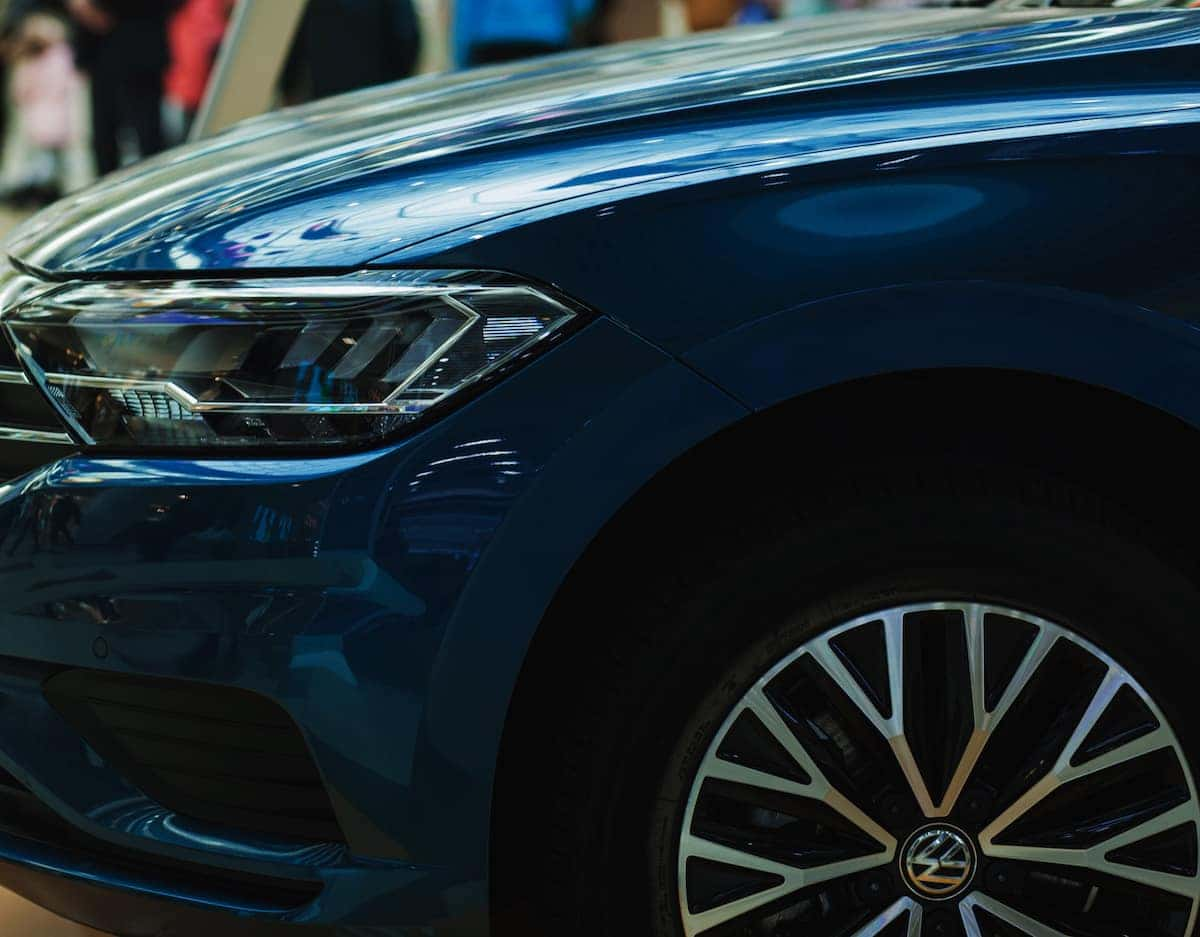
As Rhode Island VW Jetta drivers, you know how vital your tires are to your car's safety on the road, and ensuring that they are in top condition becomes important. Choosing the right tires and keeping them well maintained is critical to safeguard your driving experience and keeping your Jetta running smoothly. Speedcraft VW is the foremost expert on all things Volkswagen, including the best tires and tire maintenance for your Jetta. Read on to discover everything you need to know about VW Jetta tires from Speedcraft VW. Components of a Quality Tire There are many essential attributes that constitute a high-quality tire. Some of these essential components include safety, longevity, handling, and low noise. Safety is an essential aspect because incorrect tire choice can cause accidents. Longevity is critical for cost-effectiveness, and getting a good set of tires that last for years. Handling and low noise are two key elements that improve driving performance and comfort. What Tires are Recommended for Your Jetta? Your Jetta came with a specific size tire, wheel, and tire speed rating. It's important to stick to these guidelines to ensure that your Jetta drives safely and smoothly. If you live in a colder area with significant snowfall, you may want to invest in snow tires. Visit Speedcraft VW for advice on the best tires for your vehicle that ensures maximum safety and comfort. Maintaining Your Jetta Tires Tire maintenance is crucial to ensure that your tires are functioning correctly, save you money, and extend their life. Regular tire checks can point out issues such as tread wear, misalignment, and under/over-inflation. You should check your tires at least once a month for any signs of wear and tear and have them balanced and rotated every six months. If you detect any issues, hampering your car's safety or performance – bring your Jetta in for inspection and needed services. When to Replace Your Tires Even with proper maintenance, there is going to be a time when you need a new set of tires. You must detect when to replace your tires early as it could save you from a nasty road mishap. Some signs you need new tires include a visible decline beyond the treads, worn out sidewalls, or loss of air pressure. Keep an eye on any changes in ride maneuverability, noise level, or gas mileage also signifies it's time to replace. Why Choose Speedcraft VW? With Speedcraft VW, you can expect more than tire replacement services. Our team of expert technicians uses specialized equipment to deliver precision alignments, rotations, and balancing. With our top-notch tire services and unparalleled service, we ensure each tire is in top condition and fitted to the specification to guarantee the optimum performance of your Jetta. Volkswagen Jetta Tires Ensure a safer and smoother driving experience with Speedcraft VW, your local expert in all things Volkswagen and tire-related. From choosing the best tires to providing top-notch tire services, Speedcraft VW is your go-to source for all your Jetta's tire needs. Visit our location or contact us to schedule a tire or vehicle inspection and experience the Speedcraft difference today.
Volkswagen Jetta Tires

Volkswagen Jetta Tires

As Rhode Island VW Jetta drivers, you know how vital your tires are to your car's safety on the road, and ensuring that they are in top condition becomes important. Choosing the right tires and keeping them well maintained is critical to safeguard your driving experience and keeping your Jetta running smoothly. Speedcraft VW is the foremost expert on all things Volkswagen, including the best tires and tire maintenance for your Jetta. Read on to discover everything you need to know about VW Jetta tires from Speedcraft VW. Components of a Quality Tire There are many essential attributes that constitute a high-quality tire. Some of these essential components include safety, longevity, handling, and low noise. Safety is an essential aspect because incorrect tire choice can cause accidents. Longevity is critical for cost-effectiveness, and getting a good set of tires that last for years. Handling and low noise are two key elements that improve driving performance and comfort. What Tires are Recommended for Your Jetta? Your Jetta came with a specific size tire, wheel, and tire speed rating. It's important to stick to these guidelines to ensure that your Jetta drives safely and smoothly. If you live in a colder area with significant snowfall, you may want to invest in snow tires. Visit Speedcraft VW for advice on the best tires for your vehicle that ensures maximum safety and comfort. Maintaining Your Jetta Tires Tire maintenance is crucial to ensure that your tires are functioning correctly, save you money, and extend their life. Regular tire checks can point out issues such as tread wear, misalignment, and under/over-inflation. You should check your tires at least once a month for any signs of wear and tear and have them balanced and rotated every six months. If you detect any issues, hampering your car's safety or performance – bring your Jetta in for inspection and needed services. When to Replace Your Tires Even with proper maintenance, there is going to be a time when you need a new set of tires. You must detect when to replace your tires early as it could save you from a nasty road mishap. Some signs you need new tires include a visible decline beyond the treads, worn out sidewalls, or loss of air pressure. Keep an eye on any changes in ride maneuverability, noise level, or gas mileage also signifies it's time to replace. Why Choose Speedcraft VW? With Speedcraft VW, you can expect more than tire replacement services. Our team of expert technicians uses specialized equipment to deliver precision alignments, rotations, and balancing. With our top-notch tire services and unparalleled service, we ensure each tire is in top condition and fitted to the specification to guarantee the optimum performance of your Jetta. Volkswagen Jetta Tires Ensure a safer and smoother driving experience with Speedcraft VW, your local expert in all things Volkswagen and tire-related. From choosing the best tires to providing top-notch tire services, Speedcraft VW is your go-to source for all your Jetta's tire needs. Visit our location or contact us to schedule a tire or vehicle inspection and experience the Speedcraft difference today.
Volkswagen Tire Rotation

How to Properly Rotate Your Volkswagen Tires

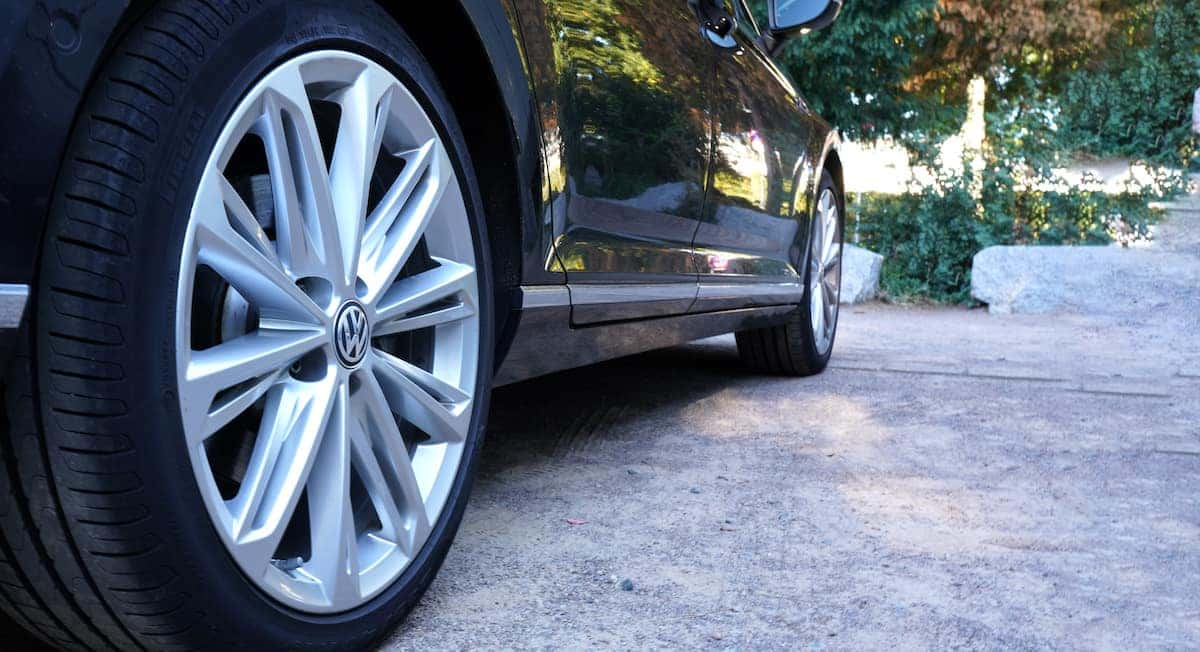
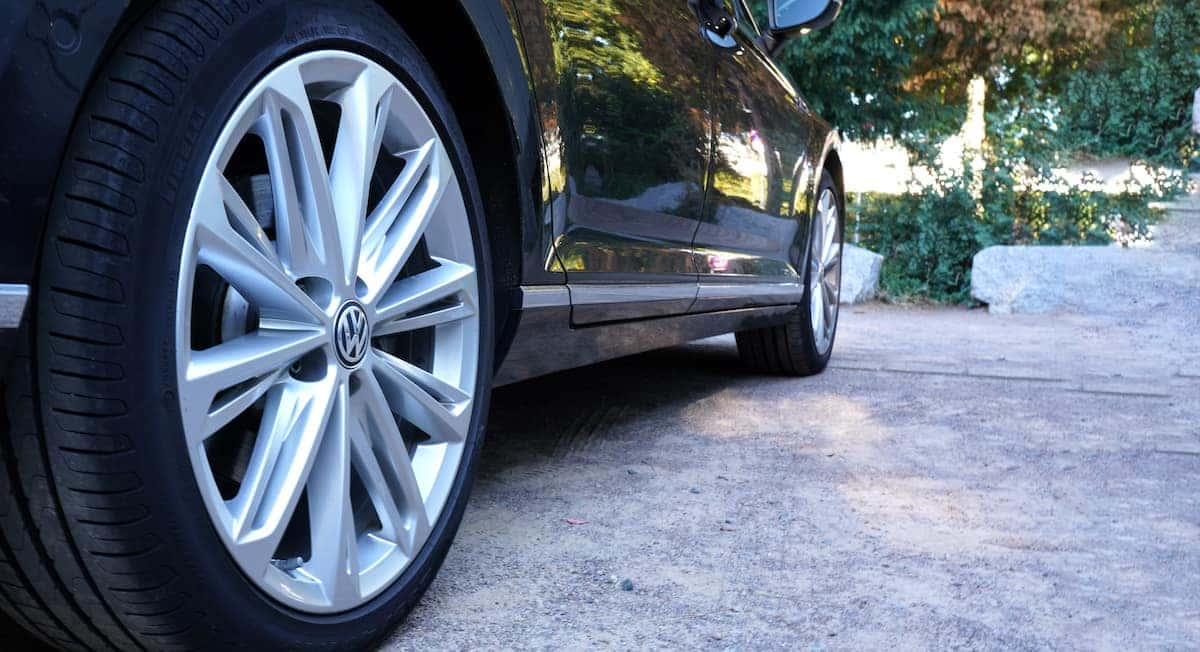
Keeping your Volkswagen at its peak performance is essential for a safe and enjoyable driving experience. One important part of this is ensuring that you rotate your tires regularly. Tire rotation helps to even out the wear on each tire, which helps extend their lifespan and keep your car running smoothly. But how often should you rotate your Volkswagen tires? How Often Should I Rotate My Tires? Experts recommend rotating your tires every 5,000-7,500 miles (8,000-12,000 km). This varies depending on driving conditions – if you drive mostly on gravel or other rough surfaces, it is recommended that you rotate them more frequently. You should also check the tread depth of all four tires before rotating them; if one or more of the tires have significantly less tread than the others, it is best to replace them before rotating them. If your vehicle has an all-wheel drive system or an uneven tire size/diameter combination (e.g., different front vs rear tire sizes), then it is important to consult your owner’s manual for specific instructions about how often and how to properly rotate them. It may also be necessary to have a professional mechanic do this for you in order to ensure that it is done correctly. Benefits of Tire Rotation Regularly rotating your tires can save you money in the long run by extending the life of each tire and helping maintain even wear across all four. Additionally, rotating your tires can help improve traction and fuel efficiency by reducing resistance as you drive. It can also help improve handling and steering response because each wheel will be distributing weight evenly across all four corners of the vehicle. Finally, regularly rotating your tires ensures that they are always performing at their best so that you can enjoy a safe driving experience each time you get behind the wheel! Volkswagen Tire Rotation Rotating your Volkswagen tires regularly helps extend their lifespan, improve traction and fuel efficiency, enhance handling and steering response, and improve overall safety when driving. Experts recommend that you rotate your tires every 5,000-7,500 miles (8,000-12,000 km) depending on driving conditions; however, if there are any special considerations due to an all-wheel drive system or uneven tire size/diameter combination (e.g., different front vs rear tire sizes), then it is important to consult with a professional mechanic before attempting any DIY tire rotations! Taking care of these small maintenance tasks now will save you money in the long run while keeping both yourself and other drivers safe on the road! Contact Speedcraft Volkswagen today to schedule your Volkswagen tire rotation. We hope this article has helped answer your question about how often you should rotate your Volkswagen tires. If you have any further questions, or if you would like to book an appointment for service at Speedcraft Volkswagen, please do not hesitate to contact us!

Volkswagen Tire Rotation

How to Properly Rotate Your Volkswagen Tires

Keeping your Volkswagen at its peak performance is essential for a safe and enjoyable driving experience. One important part of this is ensuring that you rotate your tires regularly. Tire rotation helps to even out the wear on each tire, which helps extend their lifespan and keep your car running smoothly. But how often should you rotate your Volkswagen tires? How Often Should I Rotate My Tires? Experts recommend rotating your tires every 5,000-7,500 miles (8,000-12,000 km). This varies depending on driving conditions – if you drive mostly on gravel or other rough surfaces, it is recommended that you rotate them more frequently. You should also check the tread depth of all four tires before rotating them; if one or more of the tires have significantly less tread than the others, it is best to replace them before rotating them. If your vehicle has an all-wheel drive system or an uneven tire size/diameter combination (e.g., different front vs rear tire sizes), then it is important to consult your owner’s manual for specific instructions about how often and how to properly rotate them. It may also be necessary to have a professional mechanic do this for you in order to ensure that it is done correctly. Benefits of Tire Rotation Regularly rotating your tires can save you money in the long run by extending the life of each tire and helping maintain even wear across all four. Additionally, rotating your tires can help improve traction and fuel efficiency by reducing resistance as you drive. It can also help improve handling and steering response because each wheel will be distributing weight evenly across all four corners of the vehicle. Finally, regularly rotating your tires ensures that they are always performing at their best so that you can enjoy a safe driving experience each time you get behind the wheel! Volkswagen Tire Rotation Rotating your Volkswagen tires regularly helps extend their lifespan, improve traction and fuel efficiency, enhance handling and steering response, and improve overall safety when driving. Experts recommend that you rotate your tires every 5,000-7,500 miles (8,000-12,000 km) depending on driving conditions; however, if there are any special considerations due to an all-wheel drive system or uneven tire size/diameter combination (e.g., different front vs rear tire sizes), then it is important to consult with a professional mechanic before attempting any DIY tire rotations! Taking care of these small maintenance tasks now will save you money in the long run while keeping both yourself and other drivers safe on the road! Contact Speedcraft Volkswagen today to schedule your Volkswagen tire rotation. We hope this article has helped answer your question about how often you should rotate your Volkswagen tires. If you have any further questions, or if you would like to book an appointment for service at Speedcraft Volkswagen, please do not hesitate to contact us!

Types of noises your brakes make and what they mean

Brakes making noise in your Volkswagen The brakes in your Volkswagen are integral to the safety of your vehicle. That being said, it’s important to recognize signs of problems arising in your vehicle’s brakes. One of the tell-tale signs of brake problems is hearing your brakes making noise. There are three particular noises for you to listen for in your brakes that could be signs that your brakes need repair or replacement. It’s a good idea to make a habit of occasionally turning down your radio and listening to your brakes, though if you don’t hear noises coming from your brakes, it’s pretty safe to assume that they’re in fine working order. However, if you do notice one of the types of noises listed below it’s important that you bring your vehicle in to have it checked out. Car making a squealing noise When you’re driving, you might hear a high-pitched squealing noise that goes away when braking. This noise isn’t a problem itself, but is actually a warning noise used to indicate the potential for a brake problem. Manufacturers like Volkswagen build this warning into their vehicles to notify drivers before your vehicle’s brakes begin to wear down into the rotors. At that point, it’s a good idea to bring your vehicle in to our excellent service department here at Speedcraft Volkswagen. Catching problems with your brakes at this point is going to save you the most money as the more your brakes grind into the rotor, the more the cost of repair go up. Grinding noise in your brakes If you miss the squealing noise, unfortunately the next noise you’ll hear is a grinding or growling noise when you brake and it’s quite a bit more serious of a problem. The grinding noise is caused by your vehicle’s brake pads being worn through and the brakes beginning to grind into the rotor. This noise is usually much louder and harder to miss. You’ll likely know it when you hear it. When your Volkswagen reaches this point, unfortunately the cost of repair can rise quickly. The longer you drive your vehicle while it’s experiencing this problem, the more damage is done. If you don’t fix this problem as soon as possible, it can lead to further problems with the caliper in the hydraulics which can lead to another costly repair. Squeaking brakes Another noise you may hear coming from your brakes is a squeaking noise that occurs when you stop. Luckily, this isn’t a very serious problem and doesn’t usually call for a replacement of your brakes. Rather, it’s a sign that your brakes were not installed correctly when they were changed. A possible cause is weak pads or unlubricated caliper. Usually this isn’t a cause for a problem in your vehicle, aside from being annoying, but it is a relatively easy repair. If you’re experiencing any of these problems in your Volkswagen vehicle, we encourage you to stop by our service department here at Speedcraft Volkswagen. Simply contact us here to schedule an appointment.

Types of noises your brakes make and what they mean

Brakes making noise in your Volkswagen The brakes in your Volkswagen are integral to the safety of your vehicle. That being said, it’s important to recognize signs of problems arising in your vehicle’s brakes. One of the tell-tale signs of brake problems is hearing your brakes making noise. There are three particular noises for you to listen for in your brakes that could be signs that your brakes need repair or replacement. It’s a good idea to make a habit of occasionally turning down your radio and listening to your brakes, though if you don’t hear noises coming from your brakes, it’s pretty safe to assume that they’re in fine working order. However, if you do notice one of the types of noises listed below it’s important that you bring your vehicle in to have it checked out. Car making a squealing noise When you’re driving, you might hear a high-pitched squealing noise that goes away when braking. This noise isn’t a problem itself, but is actually a warning noise used to indicate the potential for a brake problem. Manufacturers like Volkswagen build this warning into their vehicles to notify drivers before your vehicle’s brakes begin to wear down into the rotors. At that point, it’s a good idea to bring your vehicle in to our excellent service department here at Speedcraft Volkswagen. Catching problems with your brakes at this point is going to save you the most money as the more your brakes grind into the rotor, the more the cost of repair go up. Grinding noise in your brakes If you miss the squealing noise, unfortunately the next noise you’ll hear is a grinding or growling noise when you brake and it’s quite a bit more serious of a problem. The grinding noise is caused by your vehicle’s brake pads being worn through and the brakes beginning to grind into the rotor. This noise is usually much louder and harder to miss. You’ll likely know it when you hear it. When your Volkswagen reaches this point, unfortunately the cost of repair can rise quickly. The longer you drive your vehicle while it’s experiencing this problem, the more damage is done. If you don’t fix this problem as soon as possible, it can lead to further problems with the caliper in the hydraulics which can lead to another costly repair. Squeaking brakes Another noise you may hear coming from your brakes is a squeaking noise that occurs when you stop. Luckily, this isn’t a very serious problem and doesn’t usually call for a replacement of your brakes. Rather, it’s a sign that your brakes were not installed correctly when they were changed. A possible cause is weak pads or unlubricated caliper. Usually this isn’t a cause for a problem in your vehicle, aside from being annoying, but it is a relatively easy repair. If you’re experiencing any of these problems in your Volkswagen vehicle, we encourage you to stop by our service department here at Speedcraft Volkswagen. Simply contact us here to schedule an appointment.

Prepare for a harsh winter in your Volkswagen

Volkswagen winter driving It would appear that we’re in for another harsh winter this year, and as we learned last year, a big part of winter driving is being prepared. Since we never know when we could experience a sudden early winter, we thought it’d be a good idea to give you an idea of how handle winter driving in your Volkswagen early so that you can be ready when the time comes. According to the Farmer’s Almanac, New England is once again due for a snowy, unseasonably cold winter. As most drivers know, a lot of care and planning goes into winter driving, which is why we here at Speedcraft Volkswagen want to give you a heads up on ways to prepare for the coming winter months. For the best driving experience, we recommend you try out one of our models featuring all-wheel-drive. AWD significantly improves your vehicle’s stability and increase your control over the vehicle. If you’re on the market for a new vehicle, we highly recommend considering one with AWD. Here on our lot, we have a selection of new models, both 2015 and 2016, which feature AWD and are proficient at handling snowy roads. If you’re interested, be sure to check out the Tiguan and Touareg models available in our inventory. You can also feel free to schedule an appointment for a test drive. While AWD is only available in certain vehicles, that doesn't mean our other models can’t hold their own on snowy roads.  All of our new Volkswagen models come with Traction Control, which helps drivers keep and gain traction when roads conditions are poor. Prepare for winter with Speedcraft A great way to ensure that whatever Volkswagen model you drive will be up to whatever this winter throws at us is to switch to winter tires. Winter tires perform more favorably in winter conditions than traditional all-season tires. If you’re interested in getting your Volkswagen outfitted with winter tires, visit our Tire Store here on our site to learn more. If you’re interested in learning more about Volkswagen winter driving, AWD or other tips and tricks, be sure to check out the rest of our blog and be sure to visit later, when we’ll have even more information updates. If you have any questions, feel free to contact us, and we’ll be happy to help! How do you prepare for winter driving? Let us know in the comments below!

Prepare for a harsh winter in your Volkswagen

Volkswagen winter driving It would appear that we’re in for another harsh winter this year, and as we learned last year, a big part of winter driving is being prepared. Since we never know when we could experience a sudden early winter, we thought it’d be a good idea to give you an idea of how handle winter driving in your Volkswagen early so that you can be ready when the time comes. According to the Farmer’s Almanac, New England is once again due for a snowy, unseasonably cold winter. As most drivers know, a lot of care and planning goes into winter driving, which is why we here at Speedcraft Volkswagen want to give you a heads up on ways to prepare for the coming winter months. For the best driving experience, we recommend you try out one of our models featuring all-wheel-drive. AWD significantly improves your vehicle’s stability and increase your control over the vehicle. If you’re on the market for a new vehicle, we highly recommend considering one with AWD. Here on our lot, we have a selection of new models, both 2015 and 2016, which feature AWD and are proficient at handling snowy roads. If you’re interested, be sure to check out the Tiguan and Touareg models available in our inventory. You can also feel free to schedule an appointment for a test drive. While AWD is only available in certain vehicles, that doesn't mean our other models can’t hold their own on snowy roads.  All of our new Volkswagen models come with Traction Control, which helps drivers keep and gain traction when roads conditions are poor. Prepare for winter with Speedcraft A great way to ensure that whatever Volkswagen model you drive will be up to whatever this winter throws at us is to switch to winter tires. Winter tires perform more favorably in winter conditions than traditional all-season tires. If you’re interested in getting your Volkswagen outfitted with winter tires, visit our Tire Store here on our site to learn more. If you’re interested in learning more about Volkswagen winter driving, AWD or other tips and tricks, be sure to check out the rest of our blog and be sure to visit later, when we’ll have even more information updates. If you have any questions, feel free to contact us, and we’ll be happy to help! How do you prepare for winter driving? Let us know in the comments below!

When to get your brakes replaced in your Volkswagen

Signs that you need to change your brakes Your brakes are vital to the functioning of your vehicle. That’s why it’s important to know that they’re always working properly. As time goes on, your brakes begin to wear down and eventually don’t offer the same secure slowing or stopping as they used to. It’s warning signs like these that are vital to knowing when to get your brakes replaced. Here are a few signs that you need to have your brakes changed. A good sign that the years are starting to wear on your Volkswagen’s brakes is the sound of them.  If you hear a high-pitched screeching sound when you apply your brakes, that is an indicator designed to warn you that your brake pads need replacing. Don’t worry about missing the sound, as it’s loud enough to hear while the windows are up, though you may need to turn down your radio and air. If you hear this noise often, it’s definitely a time to schedule an appointment. A less obvious sign that your brakes are wearing is reduced responsiveness or fading. When you first get your car, you’ll notice how responsive the brakes are. If you notice that your brakes aren’t as responsive as they used to be, or if the pedal sinks to toward the floor, this might be caused by a leak in the braking system. Pulling is another sign of not only wearing brakes, but also that they’re wearing unevenly. Pulling causes your vehicle to move to one side when braking. For this fix, you may need a brake adjustment or to have the fluid replaced, both of which can be performed here by our expert staff here at Speedcraft Volkswagen. If nothing else, you’re sure to notice if your brakes begin grinding or making a growling noise. This means that you’ve worn down your brake pads completely. It’s possible that this problem will require your rotors to be replaced, so it’s important that you have your brake pads replaced before this becomes an issue. Get your brakes changed at Speedcraft VW If you experience any of these problems with your brakes, we strongly encourage you to stop by our dealership to have them looked at. Any of these problems with your Volkswagen’s brakes are no small matter and it’s better to be safe than sorry. Our expert staff will be happy to help you with any repairs necessary to your car’s brakes or other components. To make an appointment, you can contact us here on our website or call our service department at 855-216-4638. We’re happy to provide you with the best service possible and ensure that you’re always safe and in control while on the road.

When to get your brakes replaced in your Volkswagen

Signs that you need to change your brakes Your brakes are vital to the functioning of your vehicle. That’s why it’s important to know that they’re always working properly. As time goes on, your brakes begin to wear down and eventually don’t offer the same secure slowing or stopping as they used to. It’s warning signs like these that are vital to knowing when to get your brakes replaced. Here are a few signs that you need to have your brakes changed. A good sign that the years are starting to wear on your Volkswagen’s brakes is the sound of them.  If you hear a high-pitched screeching sound when you apply your brakes, that is an indicator designed to warn you that your brake pads need replacing. Don’t worry about missing the sound, as it’s loud enough to hear while the windows are up, though you may need to turn down your radio and air. If you hear this noise often, it’s definitely a time to schedule an appointment. A less obvious sign that your brakes are wearing is reduced responsiveness or fading. When you first get your car, you’ll notice how responsive the brakes are. If you notice that your brakes aren’t as responsive as they used to be, or if the pedal sinks to toward the floor, this might be caused by a leak in the braking system. Pulling is another sign of not only wearing brakes, but also that they’re wearing unevenly. Pulling causes your vehicle to move to one side when braking. For this fix, you may need a brake adjustment or to have the fluid replaced, both of which can be performed here by our expert staff here at Speedcraft Volkswagen. If nothing else, you’re sure to notice if your brakes begin grinding or making a growling noise. This means that you’ve worn down your brake pads completely. It’s possible that this problem will require your rotors to be replaced, so it’s important that you have your brake pads replaced before this becomes an issue. Get your brakes changed at Speedcraft VW If you experience any of these problems with your brakes, we strongly encourage you to stop by our dealership to have them looked at. Any of these problems with your Volkswagen’s brakes are no small matter and it’s better to be safe than sorry. Our expert staff will be happy to help you with any repairs necessary to your car’s brakes or other components. To make an appointment, you can contact us here on our website or call our service department at 855-216-4638. We’re happy to provide you with the best service possible and ensure that you’re always safe and in control while on the road.

How do ABS brakes work?

Anti-lock braking system in your car When you’re driving in snowy, icy or otherwise slippery road conditions, you might notice a symbol in yellow light up on your dash that says “ ABS”. This stands for anti-lock braking system and it’s designed to make steering and braking easier in poor road conditions. Essentially all vehicles on the market today feature ABS and you may find yourself wondering: how do ABS brakes work? With the Anti-lock braking system, drivers are able to better control their vehicles when braking hard on a slippery road surface. The system does this by preventing the wheels from locking. When the wheels of your vehicle lock up, the can no longer transmit cornering forces, causing the driver to lose control of the vehicle, increasing the risk of accident. To keep this from happening, ABS the wheel sensors to monitor the rotational speed of each wheel. When the system senses that a one of the wheels may be about to lock, it reduces the brake pressure applied at the wheel until it starts to rotate freely again. This process is repeated several times per second to ensure driver’s safety. With the vehicle’s wheels rotating freely, the driver stays in control and is able to steer the vehicle while braking more easily. How to tell when the ABS at work You can tell when the anti-lock braking system is at work in your car by feeling a slight shuddering from the brake pedal. The light will also appear on your dash when one of your wheels is at risk of locking, warning you of potential ABS braking. When the system is in action, vehicles remain stable in poor road conditions and drivers are able to control their vehicle’s direction during braking with ease. This makes it significantly easier for drivers to avoid accidents. ABS is available in all Volkswagen vehicle models. If you’re having problems with your brakes, contact our expert service staff as soon as possible. We’ll be happy to take a look and make any necessary repairs to your vehicle. Those interested in getting behind the wheel of one of our vehicles can take a look at our available inventory. If any of our Volkswagen models catch your eye, be sure to contact us here at Speedcraft Volkswagen. We’ll be happy to set you up with a test drive.

How do ABS brakes work?

Anti-lock braking system in your car When you’re driving in snowy, icy or otherwise slippery road conditions, you might notice a symbol in yellow light up on your dash that says “ ABS”. This stands for anti-lock braking system and it’s designed to make steering and braking easier in poor road conditions. Essentially all vehicles on the market today feature ABS and you may find yourself wondering: how do ABS brakes work? With the Anti-lock braking system, drivers are able to better control their vehicles when braking hard on a slippery road surface. The system does this by preventing the wheels from locking. When the wheels of your vehicle lock up, the can no longer transmit cornering forces, causing the driver to lose control of the vehicle, increasing the risk of accident. To keep this from happening, ABS the wheel sensors to monitor the rotational speed of each wheel. When the system senses that a one of the wheels may be about to lock, it reduces the brake pressure applied at the wheel until it starts to rotate freely again. This process is repeated several times per second to ensure driver’s safety. With the vehicle’s wheels rotating freely, the driver stays in control and is able to steer the vehicle while braking more easily. How to tell when the ABS at work You can tell when the anti-lock braking system is at work in your car by feeling a slight shuddering from the brake pedal. The light will also appear on your dash when one of your wheels is at risk of locking, warning you of potential ABS braking. When the system is in action, vehicles remain stable in poor road conditions and drivers are able to control their vehicle’s direction during braking with ease. This makes it significantly easier for drivers to avoid accidents. ABS is available in all Volkswagen vehicle models. If you’re having problems with your brakes, contact our expert service staff as soon as possible. We’ll be happy to take a look and make any necessary repairs to your vehicle. Those interested in getting behind the wheel of one of our vehicles can take a look at our available inventory. If any of our Volkswagen models catch your eye, be sure to contact us here at Speedcraft Volkswagen. We’ll be happy to set you up with a test drive.

Contact Us

Fill out this form below and we'll contact you shortly
*Required Fields