
Blog / Service

Blog

All Service Tips and Info VW Tiguan VW Jetta Local News and Events Dealership News VW Atlas Rhode Island Tourism FAQ VW Golf VW Passat Safety VW GTI VW Golf Alltrack VW Beetle VW Golf SportWagen VW Technology News Parts and Accessories VW News Vehicle Comparison Sales Events VW Golf R VW e-Golf VW Touareg Oil Maintenance Program Carefree Maintenance Program Tire Service Certified Pre-Owned Tips Financing VW ID4 VW Taos Electric Vehicles Comparison Features College Graduate Program Concepts VW Arteon Accessories Convertible fuel efficiency OEM eStore VW Atlas Cross Sport VW CC Locations AWD VW Eos Warranty TDI Clean Diesel VW ID. Buzz Lease VW Dealer VW e_Golf VW ID.7 Awards Employment VW ID.2
Oil Leaking

Is Your Volkswagen Leaking? Find Out What the Problem is With Our Helpful Color Guide!

Common Vehicle Leaks and Their Color Indicators Have you been noticing pools of liquid around or under your Volkswagen (and it hasn’t been raining)? Then there is a good chance that your Volkswagen might have a leak somewhere! Volkswagen is renowned for its top-notch quality, but leaks may occur from time to time, especially as the vehicle ages. In order to give you an idea of what kind of liquid is leaking from your Volkswagen (and what you should do), we have built a handy-dandy color guide! Engine Oil Engine oil is one of the most common leaks in any vehicle and are pretty easy to spot due to its location (front end of the vehicle), texture (slimy), and color (amber, dark brown/black or rainbowy). Brake Fluid Is there an odd liquid around your wheels and tires? Is it light brown or clear in color and has a “slick” feel to it? That is probably a brake fluid leak and you need to call a tow truck right away! Coolant Coolant leaks are also pretty common in the automotive world and a tell-tale sign is the warning light on the dash. If you look on the ground, you will find a slimy green, pink, or yellow liquid. Transmission Fluid If you notice a leak near the middle of your Volkswagen, it very well could be transmission fluid. The liquid’s texture and color will either be thin and reddish brown (new) or thick and brown (old). Power Steering Fluid Although similar in color (light reddish brown to brown) to transmission fluid, power steering fluid leaks will be closer to the front of the vehicle. The liquid’s texture will also be on the thinner side. Let the Speedcraft Volkswagen Service Department Help You Out! If you need any help with diagnosing your Volkswagen vehicle’s leak or to get it fixed, please contact our service department and schedule an appointment!

Signs that your Car’s Heater Core is broken

Car Heater Repair in Rhode Island During the cold Rhode Island winter, drivers know that the heater in their vehicle is a vital feature. Nobody wants to be stuck in a car for a long time with no heater in the middle of winter. Which is why it’s so important that you make sure that the heater core in your vehicle is working properly. Here are a few signs that your car’s heater core is in need of repair. The heater core of your car is located behind the dashboard and functions as a part of its cooling system. It operates your car’s heating and defrosting functions by sending warm air into the cabin and keeping your windows from fogging. Signs that this component is broken include: Windows fogging. One of the most common and obvious signs that your heater is broken is that there is a sudden excess of fog on your windows, covering them in condensation. This is a sign that a leak has sprung and coolant vapor is entering your cabin. Sweet Smell. If there is a sweet, humid smell inside your vehicle, this is another sign that your heater core is broken. The smell comes from your radiator fluid leaking. You’ll also find evidence of the leak underneath your car, so keep an eye out. Coolant is used more quickly. Going through a large amount of coolant is a sign that the coolant is not only leaking, but that its leaking directly into your cabin. To confirm that this is the problem, check the passenger side of your car floor for moisture. Your heater doesn’t work. Another clear and common sign that your car’s heater core isn’t working is if it isn’t blowing warm air into the cabin or is blowing just lukewarm, even after allowing the car to warm up. This could mean a hole in your heater car, causing the warm air to escape before it reaches the cabin. Get your heater core fixed at Speedcraft Volkswagen If your vehicle is showing any of these signs of a broken heater core, we’ll be happy to take a look at it for you. Our expert service staff at Speedcraft Volkswagen is equipped to get your heater core back in running order in no time, so you can stay warm this winter. Just give us a call or schedule a service appointment online whenever it’s convenient for you, and we’ll be sure to fit you in for a checkup and repair.

Volkswagen drivers benefit from included Clean Pollen Filters

Volkswagen Clean Pollen Filter There’s a reason that the Volkswagen brand is so popular among those suffering from allergies. Many may not even notice it, but a standard pollen filter is available in all Volkswagen models, which works to keep the air in your car fresh and clean, even in a field of daisies. Benefits of the Volkswagen Pollen Filter Whether you’re kicking up dust on the highway or just taking a leisurely drive down a country lane, pollen and dust particles are all around you. But thanks to your Volkswagen Pollen Filter, the one place these pesky particles aren’t is inside your Volkswagen vehicle. Like any other Volkswagen feature, the Pollen Filter in your ride is fully optimized to give you the best possible results. The filter in your vehicle is designed to filter out 99% of the particles, down to the incredibly small size of 0.5 micrometers! The particles filtered out by your VW Pollen Filter can do more than just give you an itchy nose. They can also cause your windshield and windows to fog up or even cause unpleasant odors and clog up your A/C. Considering all the VW Pollen Filter does to keep your drive comfortable, you’ll definitely notice a difference when you get behind the wheel. How often should the Pollen Filter be replaced? Like any other filter out there, the pollen filter in your Volkswagen needs to be replaced regularly in order for it to work properly. That being said, how often you need to change your filter can vary based on your environment. Generally speaking, however, we recommend checking on your filter at least every 30,000 models or so, and changing the filter when necessary. Schedule an appointment to have it changed here. You can also learn to recognize signs that your filter needs changing, including: Poor airflow through A/C Particle build-up inside the window Strange odors For more information about the features in your Volkswagen vehicle, be sure to check out the rest of our blog here at Speedcraft Volkswagen! And if you have any questions about your VW, don’t hesitate to contact us! If you’re not already the driver of a Volkswagen, and are interested in getting behind the wheel of a model of your own, take a look at the new vehicles in our inventory! We have a selection of models for you to choose from, just schedule a test drive here and begin enjoying all of the perks that go along with Volkswagen ownership! What do you think of the VW Clean Pollen Filter? Let us know in the comments!

Volkswagen Light Bulb Warning Lights Explained

What do the light bulb warning lights mean in my Volkswagen? For many drivers, the warning lights can be confusing. While many of them are well-known or self-explanatory, others can leave drivers scratching their heads. Of course, the light bulb warning lights indicates problems with your Volkswagen vehicle’s lights, but with a total three different light bulb warning lights, there can be some confusion as to which lights are having issues. There should be a total of three different light bulb-themed warning lights in your Volkswagen, each of which correlates with certain lights in your VW. By having different warning lights for each set of lights, it spares you the hassle of trying to figure out which lights are burnt out – granted you know which lights correlate to which symbol. A basic break-down of the light bulb warning lights in your VW include: Headlight Bulb Failure If this light is solid, that means that there’s been a light bulb failure. If it’s flashing, there’s a problem with the headlight leveling or AFS. Brake Light bulb burnt out When this light comes on your dashboard, it means that one or more of the brake lights on your VW has burned out and needs replacing. License Plate Light bulbs Like the brake lights, this symbol means that one of the light bulbs on around your license plate has burned out. Replacing a light bulb in your Volkswagen Of course, changing the lights in your Volkswagen depends on where the light is located on your vehicle. And while you can definitely try to do it yourself if you’re feeling confident, but the best thing to do is schedule a service appointment with our expert staff here at Speedcraft Volkswagen, where we’re well-versed in caring for your VW. If you do end up changing the bulb yourself, keep in mind that you can always contact us here with any questions or if you’d like some tips or tricks to getting the job done right. For more information like this, be sure to check out the rest of our blog, and check back regularly for new updates! If you have any questions about your Volkswagen’s warning lights, be sure to leave them in the comments below!

How to identify suspension problems in your car

Common suspension problems The suspension in your Volkswagen knows how to take a beating. Day in and day out, the shock absorbers, springs, and other components in your suspension take the brunt of all of the bumps and potholes that you drive over. When you consider all the wear and tear that the suspension in your vehicle goes through of the years, it’s no wonder that drivers often run into these common suspension problems. As problems with your suspension range on the more serious end of the spectrum when considering the health and drivability of your vehicle, it’s important that you’re able to identify problems with your suspension early on to avoid further damage. Here are some of the most common problems you can experience with your vehicle’s suspension. It’s also worth noting that these problems arise over time, so it’s far more likely that you’ll experience them with your long-time vehicle or used vehicle than with a new Volkswagen model. Poor wheel alignment Potholes and bumps can wear on your vehicle over time, and that wear can cause your wheels to get knocked out of alignment. Problems with alignment can cause your vehicle’s tires to wear unevenly and also affect your steering. Shock absorbers The shock absorbers in your vehicle keep you from feeling every single bump your vehicle passes over by keeping your wheels on the ground. When you’re experiencing problems with your vehicle’s shock absorbers, you’ll notice more bouncing after bumps and shaking while driving on rough roads. Springs Your vehicle’s springs hold all of its weight, so it’s no wonder that they can sag or break over time. An easy way to spot this problem is to check your vehicle when its parked on level ground. If you notice that your vehicle is lower in one of its corners, that’s a clear sign. Another symptom of problems with your vehicle’s springs is a clunking noise while driving over bumps or while turning. Ball joints Ball joints are the pivot points that attach the suspension to your vehicle’s wheels. These parts absorb some of the shock from up-down movements and rotate with the steering wheel movement. You can tell that they need replacing or repair when you start to hear them squeak and creak while turning. Control arms As the hinges that hold the wheels to the frame and connect the steering to the wheels, the control arms are an integral part to your vehicle’s suspension. That’s why it’s important that you notice when the brushings wear out. Brushings are usually rubber and metal parts that absorb shock, so if you hear clunking or rattling and experience loose steering, you are probably having this problem. Service your car suspension at Speedcraft Volkswagen! If you’re experiencing any of these problems with your suspension, contact us here at Speedcraft Volkswagen! Our expert service staff will be more than happy to help identify the problems you’re experiencing and assist with any repairs that need to be performed. Give us a call or contact us here on our site to schedule a service appointment – our team is always ready to help! Questions or comments? Feel free to leave them below!

Speedcraft Volkswagen offers muffler and exhaust repair

Muffler and exhaust repair near Providence, RI The state of your muffler and exhaust system is one of those things that you don’t really think about until there’s something wrong with it. And when you’re having problems with your exhaust, it can lead to even bigger problems if it isn’t taken care of. So if you’re looking for quick, quality muffler and exhaust repair in the Rhode Island area, visit our expert service department here at Speedcraft Volkswagen. At Speedcraft, we’ll work hard to ensure that your muffler and exhaust get the care they need quickly so that you and your vehicle can keep running in top condition. How to tell if you need muffler or exhaust repair Luckily, it’s easy to tell when you’re having muffler problems, as your vehicle will become considerably louder. When the muffler is no longer stifling the sound of your vehicle, that’s a good sign that there is a problem with it, and it may need replacing. As for the exhaust system, this component in your vehicle works to remove the toxic fumes that your vehicle emits, and keep them from entering your vehicle’s interior. So if you begin to notice the smell of exhaust inside your vehicle, or any other strange fumes coming from your vehicle, that’s a pretty clear-cut sign that your exhaust system needs a checkup and maybe some repair. Schedule a service at Speedcraft Volkswagen If you’re running into problems like these, or any other issues with your vehicle acting strangely, it’s always better safe than sorry. Feel free to contact us here at Speedcraft Volkswagen if you have any questions about the state of your vehicle, or to schedule an appointment for a service or repair whenever it’s convenient for you. Scheduling regular maintenance and checkups is a great way to avoid running into problems with your muffler and exhaust in the long run and can help improve the overall health of your vehicle. So if you’re interested in setting up regular maintenance appointments, contact us here! Questions or Comments? Leave them in the comments below!

5 myths about gas mileage

Saving gas in your Volkswagen These days, all drivers are looking to get the most out of their vehicle’s gas tank. That being the case, there are plenty of tips for you to follow to get better savings in your Volkswagen, however where there are tips, there are tips and tricks, there are bound to be myths as well. Here are 5 popular myths about gas mileage that many drivers take to be truth. If you’re following these tips looking to save money, you’ll be surprised to find that they can actually end up costing you in the long run. Myth #1. Only smaller cars get good fuel economy This one’s been disproven time and time again. With all of the hybrids and direct fuel injection engines out there today, there are plenty of larger vehicles that deliver some pretty remarkable fuel economy. Myth #2. It costs more fuel to start a car than to leave it idle This one can really end up costing you. While this may have been the case back in the day (depending on how long you stayed idle), modern fuel injected engines are much more effcient at starting. Leaving your car idle can cost you a quarter to half a gallon per hour, depending on your engine size. That can lead to you losing 1-2 cents per minute. For that reason, it’s recommended that you turn your engine off when your vehicle is sitting still and you know you’ll be waiting a while. Myth #3. Vehicles should be warmed up before being driven A popular notion here in the northern states, modern engines don’t need to sit idle, “warming” up before being driven. This was the case for older models, which is why the practice has been continued for so long, traveling through generations of drivers, however modern technology makes it unnecessary, and it can end up costing you fuel. Myth #4. Manual transmissions always get better fuel economy This is true in many cases, but to say “all” would be incorrect. The auto industry has really come a long way in improving the automatic transmission vehicle, bringing them to the point where they’re fore the most part equal to the manual transmission, and even perform better in some instances. Myth #5. Premium fuel improves your fuel economy Unless your vehicle is designed to run on premium fuel, or makes a loud knocking noise when filled with regular fuel, it’s very unlikely that you’ll find any real benefit to using premium fuel over regular. In some instances, your Volkswagen might have a slight improvement, however the cost of the premium fuel would likely more than cancel out any savings. To see what fuel you should be using, check your owner’s manual. Have any fuel economy myths of your own? Let us know in the comments below!

How to replace the windshield wipers on your Volkswagen

How to replace Volkswagen windshield wipers When it comes to driving, there are few things as important as having proper visibility – especially in bad weather conditions. That’s why it’s extremely important that your Volkswagen’s windshield wipers are working properly. To ensure proper visibility with your wipers, they should be switched out regularly with new blades. Take a look below to learn when and how to replace your Volkswagen windshield wipers. As a rule of thumb, your Volkswagen’s wiper blades should be replaced about every six months to make sure you don’t end up driving around with worn out, dull blades that hardly work. Of course, you can also change them whenever you notice they aren’t wiping properly and it begins to affect your visibility. If you’d like, our expert staff here at Speedcraft Volkswagen are always here to help change them for you and help with any other service your vehicle may need, otherwise it’s a relatively simple process to do on your own. Signs that your windshield wipers need replacing The signs that your windshield wipers need changing are easy to see – literally. The biggest indicator that your wipers should be replaced is a decline in your visibility when you use them. Some common signs include your wipers squeaking, chattering, skipping areas or just smearing or streaking – all of which can either decrease visibility or simply be distracting to the driver. Since the windshield wipers on your Volkswagen are made of rubber, they eventually wear out – even when they aren’t used very often. That’s why it’s important to make sure that they’re in good shape when you need them. Follow the simple steps below to replace your wipers on your own. How to replace your windshield wipers Step 1: Remove the old wiper Remove the old wiper by lifting the wiper arm away from the windshield. Then press the small tab on the underside of the wiper, where it meets the arm. You can then slide the wiper blade off of the arm by pulling the center toward the bottom of the arm. Step 2: Line up the arm with the new blade This is easily done – just move the hook on the arm over the plastic clip on the new wiper blade. Step 3: Tighten Finally, tighten the wiper by pulling the wiper blade onto the arm. You’ll hear a clicking sound when it locks into place. Then, lower the wiper and you’re all set! Repeat this process for the second wiper if necessary. If you need any help with your vehicle’s windshield wipers, or if they aren’t working at all, , feel free to visit us here at Speedcraft Volkswagen. We’re equipped to handle a wide variety of different services, so we’ll be happy to help with any fixes or maintenance you may need. You can contact us here on our site with any questions or to make an appointment.

How often should I change my engine filter?

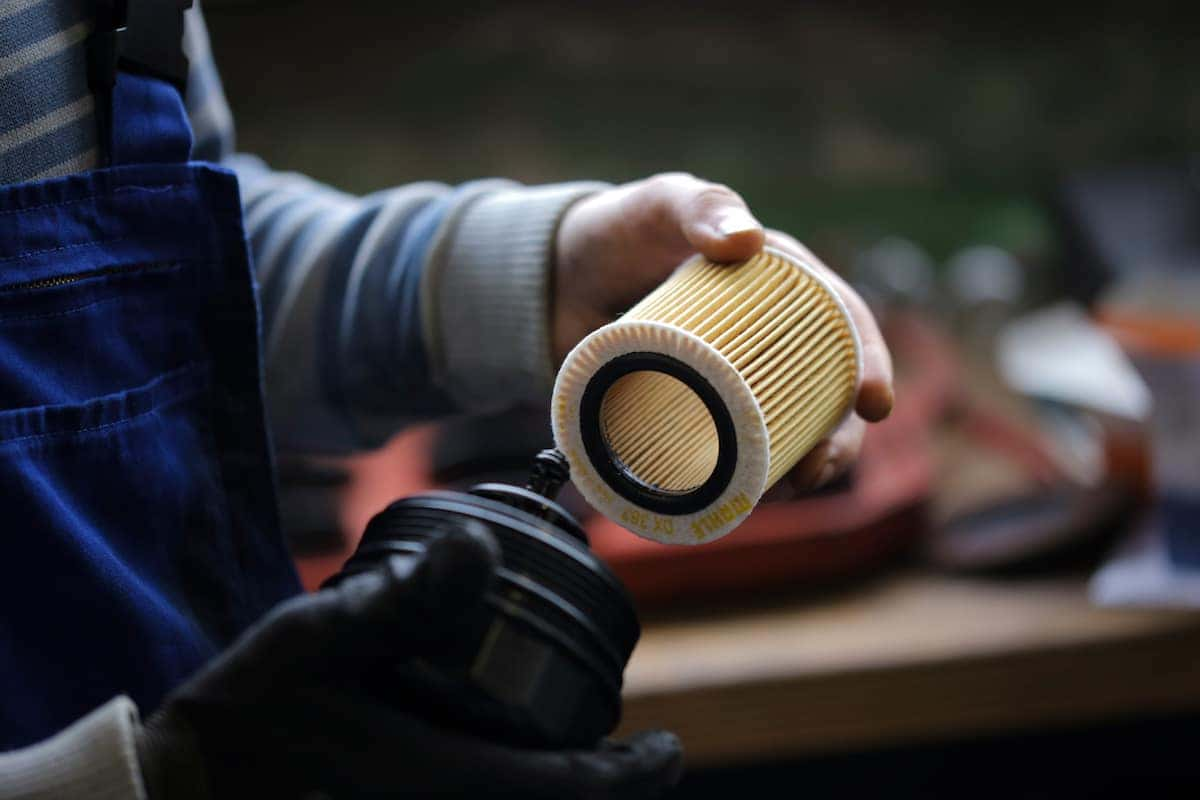
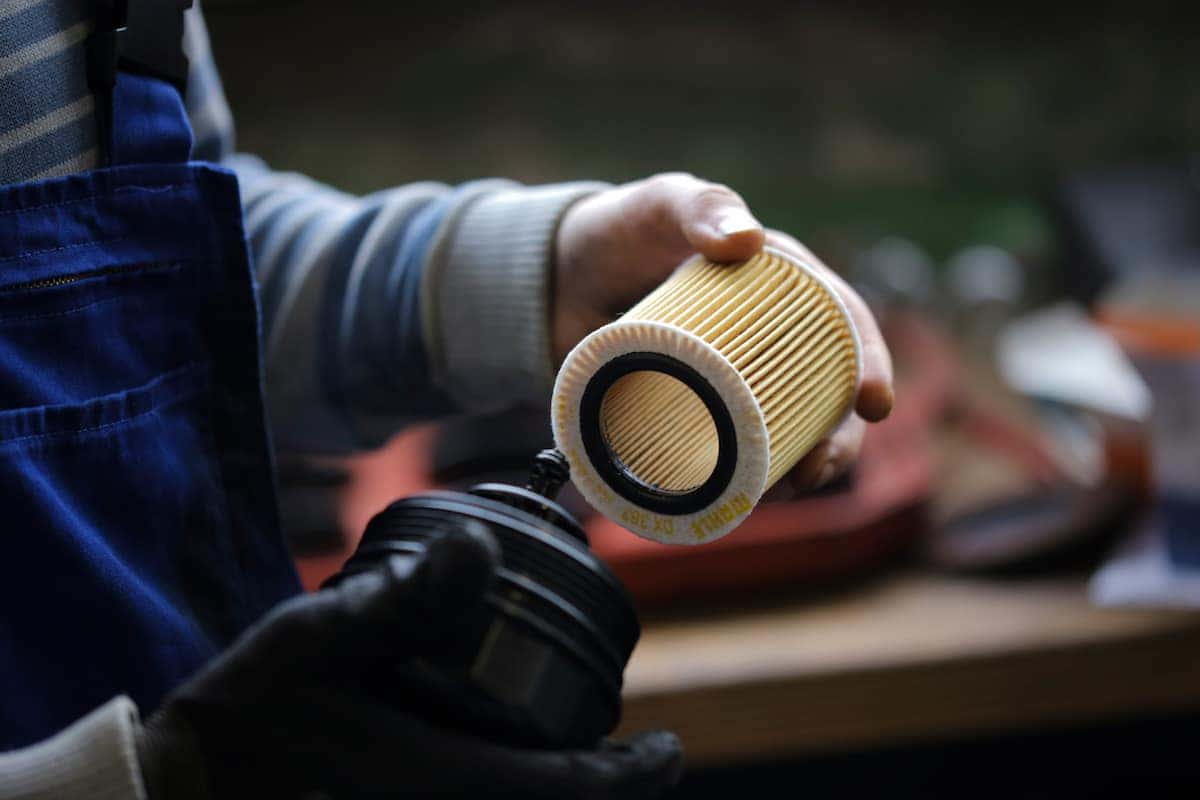
Volkswagen engine filter replacement The engine is a vital part of your Volkswagen vehicle, and in order to keep it running strong, you need to make sure that it’s able to breathe properly. In order to do that, you need to have your Volkswagen’s engine filter cleaned and replaced regularly to clear out any dirt and debris that collects in them. If you’re wondering how often you should change your engine filter, this can vary depending on your vehicle. In order to get the best results for your vehicle, you need to find the right balance between replacing your vehicle’s filter too frequently or not frequent enough. Filter replacement doesn’t need to be performed terribly often, but it’s better to do it too much than not at all. Not replacing your Volkswagen’s engine filter can lead to some serious damage to your engine and some costly repairs. After ignoring your engine’s filter for an extended period of time (we’re talking years here), the filter itself will begin to deteriorate and form a hole which allows dirt, debris and even bugs to get into your engine’s cylinders, significantly lowering the lifespan of your engine. When to replace your engine filter To find the proper time to replace your vehicle’s air filter, consult your Volkswagen owner’s manual. If it doesn’t give you an exact time table, a good rule of thumb is to bring it in about every 30,000 miles for a replacement. We recommend having it checked and possibly cleaned every time you bring your car in for an oil change. That way, you can keep an eye on it and make sure it’s in good shape. Without cleaning it on occasion, the filter likely won’t last until the 30,000 mile mark, so be sure to keep up with its maintenance regularly. Filter replacement at Speedcraft VW Can’t remember the last time you had your engine filter changed? Odds are you’re probably due for one. Our expert service staff here at Speedcraft Volkswagen is always happy to help! Air filter replacement is one of our Volkswagen Service Xpress services, so no appointment is necessary. Simply bring your vehicle in to our dealership and we’ll be sure to get you in and out and back on the road as quickly as possible. If you’d like to make an appointment, just to make sure we’ll be available when you need us, you can do so right here on our site! Questions? Feel free to leave them in the comments below!

Types of noises your brakes make and what they mean

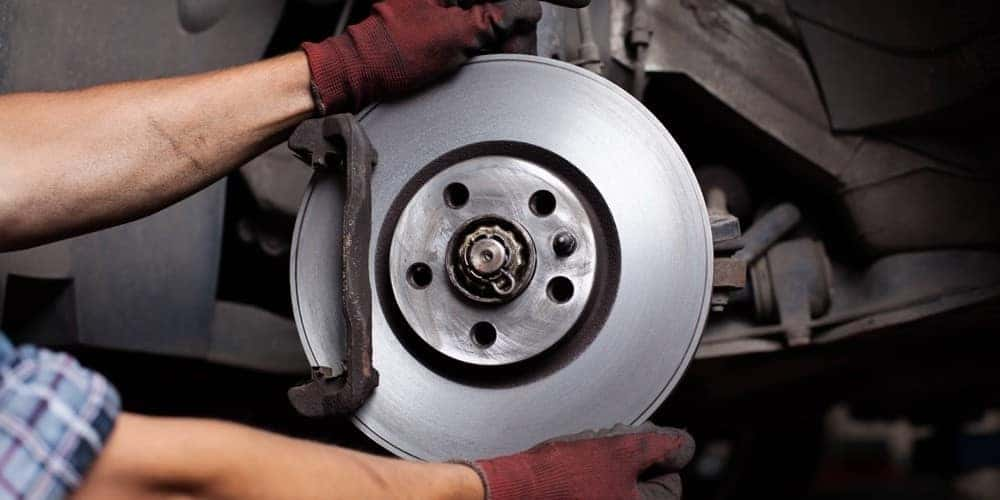
Brakes making noise in your Volkswagen The brakes in your Volkswagen are integral to the safety of your vehicle. That being said, it’s important to recognize signs of problems arising in your vehicle’s brakes. One of the tell-tale signs of brake problems is hearing your brakes making noise. There are three particular noises for you to listen for in your brakes that could be signs that your brakes need repair or replacement. It’s a good idea to make a habit of occasionally turning down your radio and listening to your brakes, though if you don’t hear noises coming from your brakes, it’s pretty safe to assume that they’re in fine working order. However, if you do notice one of the types of noises listed below it’s important that you bring your vehicle in to have it checked out. Car making a squealing noise When you’re driving, you might hear a high-pitched squealing noise that goes away when braking. This noise isn’t a problem itself, but is actually a warning noise used to indicate the potential for a brake problem. Manufacturers like Volkswagen build this warning into their vehicles to notify drivers before your vehicle’s brakes begin to wear down into the rotors. At that point, it’s a good idea to bring your vehicle in to our excellent service department here at Speedcraft Volkswagen. Catching problems with your brakes at this point is going to save you the most money as the more your brakes grind into the rotor, the more the cost of repair go up. Grinding noise in your brakes If you miss the squealing noise, unfortunately the next noise you’ll hear is a grinding or growling noise when you brake and it’s quite a bit more serious of a problem. The grinding noise is caused by your vehicle’s brake pads being worn through and the brakes beginning to grind into the rotor. This noise is usually much louder and harder to miss. You’ll likely know it when you hear it. When your Volkswagen reaches this point, unfortunately the cost of repair can rise quickly. The longer you drive your vehicle while it’s experiencing this problem, the more damage is done. If you don’t fix this problem as soon as possible, it can lead to further problems with the caliper in the hydraulics which can lead to another costly repair. Squeaking brakes Another noise you may hear coming from your brakes is a squeaking noise that occurs when you stop. Luckily, this isn’t a very serious problem and doesn’t usually call for a replacement of your brakes. Rather, it’s a sign that your brakes were not installed correctly when they were changed. A possible cause is weak pads or unlubricated caliper. Usually this isn’t a cause for a problem in your vehicle, aside from being annoying, but it is a relatively easy repair. If you’re experiencing any of these problems in your Volkswagen vehicle, we encourage you to stop by our service department here at Speedcraft Volkswagen. Simply contact us here to schedule an appointment.

Front End Alignment at Speedcraft VW

Front end alignment in Wakefield RI Being able to drive in a straight line is important for your vehicle and safety. If while driving you’ve noticed that your vehicle doesn’t drive in a straight line, even when the steering wheel is completely straight, it is very lucky that your vehicle has an issue with its front end alignment. It may be the case that your Volkswagen vehicle drifts slightly the left or right. While this may seem like a minor inconvenience to some, it can actually put you and your car at risk. When you drive your vehicle with alignment problems, controlling your vehicle can be difficult. While driving straight on the highway or in the city, drivers must make constant small corrections in order to stay in their lane, taking concentration away from what’s ahead of them. Another instance where front end alignment causes problems is emergency braking. By not being able to predict where your vehicle will go during emergency braking, it can be very difficult to maintain control. For reasons such as these, it’s important that drivers see that their alignment problems are fixed. As the owner of your Volkswagen vehicle, it’s important that know how to recognize front end alignment problems, but also what goes into fixing them. Signs of alignment problems As we said earlier, an obvious sign of problems with your Volkswagen’s alignment is a noticeable drift to the left or right while driving straight. This is caused by the front tires of your vehicle not being aligned properly. This sign is usually very easy for drivers to notice. Another way you can find problems with your vehicle’s tire alignment is the feeling of your steering wheel. If there is a vibration in it, it is a sign that your vehicle is having problems balancing. Bring your car in to Speedcraft VW Even though it can be obvious when your vehicle is experiencing alignment issues, there’s still a chance that it could go unnoticed for some time. That’s why it’s also important that you bring your vehicle in to our service department regularly to have its alignment tested. Here at Speedcraft, our expert staff will inspect your vehicle’s suspension and steering systems in addition to inspecting your tires and their air pressure. Then we’ll use an alignment rack with sensors that measure your vehicle’s alignment to see if it’s off. If your vehicle’s alignment is uneven, then your vehicle’s camber, caster and toe angles are properly adjusted to meet the manufacturer’s specifications. To get in touch with our service department and have your car’s alignment checked out, feel free to contact us here at Speedcraft Volkswagen. We’re always happy to help. Feel free to come to us with any questions or concerns about your vehicle.

Speedcraft Volkswagen offers quick and easy auto care

Volkswagen Service Xpress Here at Speedcraft Volkswagen, we understand that our customers have busy schedules. Sometimes it can be hard to find time to bring your vehicle in for its regular services. To help you save some time and hassle, we here at Speedcraft Volkswagen now offer Volkswagen Service Xpress, a service designed to offer you quick, high quality help with certain services. With Volkswagen Service Xpress, customers get the same high level of service from our expert technicians as well as Genuine Volkswagen parts, all without making an appointment. Thanks to our new service, you can say goodbye to those quick lube shops and go with the real professionals who know what’s best for your vehicle. Feel free to stop by here at Speedcraft Volkswagen today! Schedule Service Contact us here Services available with Volkswagen Service Xpress The following services are available at competitive prices here at Speedcraft Volkswagen with no appointment necessary. Oil and Filter Change Exterior Bulb Replacement Air Filter Replace All Carefree Maintenance Interval* Tire Rotation Cabin Filter Replacement Wiper Blade Replacement Battery Diagnostic Check and Replacement In addition to these services, every visit comes with a no-charge Multi-Point Inspection *For 2009-2013 models only, the Volkswagen Carefree Maintenance Program covers the vehicle’s scheduled maintenance for three years or 36,000 miles, whichever occurs first. For 2014 models, the program covers the vehicle’s scheduled maintenance for two years or 24,000 miles. And for 2015 Models, the program covers the maintenance for one year or the first 10,000 miles. Contact us for more information. Quick and easy service in Wakefield RI What really sets the Speedcraft Volkswagen Service Xpress apart from the rest of those quick lube shops is that we have VW-Certified Technicians using only Genuine Volkswagen OEM Parts. That way, you can be sure that any of these services performed at Speedcraft Volkswagen is done right and with the best-quality materials. Add on the benefit of not needing an appointment and there’s really no competition. Simply stop by our shop during our business hours when it’s convenient for you, and we’ll be happy to provide you with quick and quality service.

Contact Us

Fill out this form below and we'll contact you shortly
*Required Fields