
Blog / Service

Blog

All Service Tips and Info VW Tiguan VW Jetta Local News and Events Dealership News VW Atlas Rhode Island Tourism FAQ VW Golf VW Passat Safety VW GTI VW Golf Alltrack VW Beetle VW Golf SportWagen VW Technology News Parts and Accessories VW News Vehicle Comparison Sales Events VW Golf R VW e-Golf VW Touareg Oil Maintenance Program Carefree Maintenance Program Tire Service Certified Pre-Owned Tips Financing VW ID4 VW Taos Electric Vehicles Comparison Features College Graduate Program Concepts VW Arteon Accessories Convertible fuel efficiency OEM eStore VW Atlas Cross Sport VW CC Locations AWD VW Eos Warranty TDI Clean Diesel VW ID. Buzz Lease VW Dealer VW e_Golf VW ID.7 Awards Employment VW ID.2
What is a Wheel Alignment?

What is a Wheel Alignment?

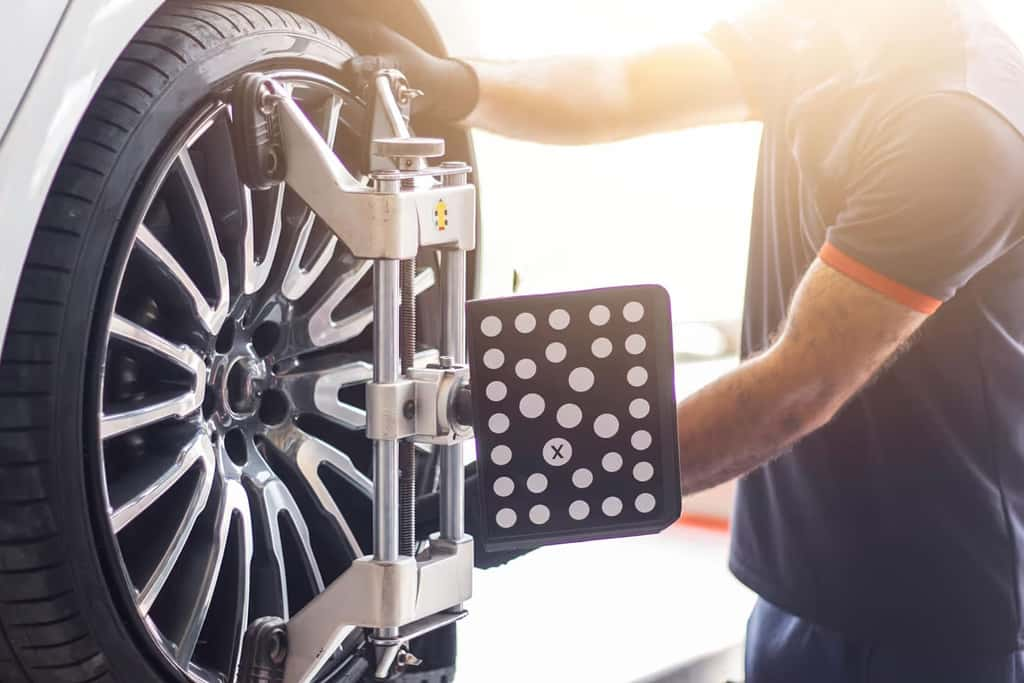
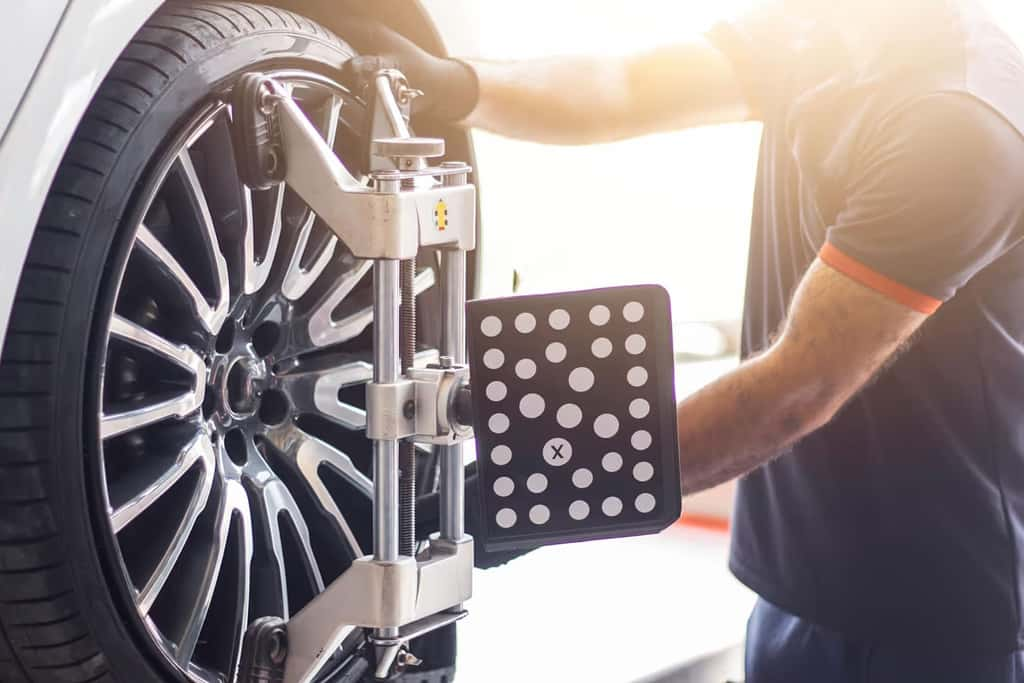
Maintaining your car is much easier when you have a trusted service center like Speedcraft Volkswagen by your side. Your vehicle is a finely-tuned piece of engineering, designed to reliably get you from point A to point B. Some issues, like worn-out brake pads, offer clear warning signs. However, misaligned tires are often more subtle but just as impactful. If left unchecked, misalignment can lead to uneven tire wear, reduced fuel efficiency, and even steering issues. Luckily, the skilled team at Speedcraft Volkswagen can help fix this quickly and effectively. What is a Wheel Alignment? A wheel alignment ensures your tires are positioned correctly to maintain ideal contact with the road. Despite the term, it’s not about adjusting the wheels themselves but rather the vehicle’s suspension system, which keeps your car connected to its wheels. Why is proper alignment important? Enhanced handling and steering control Better fuel efficiency Prolonged tire life Smoother ride quality Prevents undue wear on suspension components Signs Your Volkswagen Needs an Alignment If your car’s suspension is out of alignment, you might notice the following warning signs: Shaking Steering Wheel – Your steering wheel may vibrate, especially at higher speeds. Drifting to One Side – Even on a flat road, your vehicle may veer left or right. Difficulty Maintaining Control – Steering feels less responsive or requires frequent adjustment. Uneven Tire Wear – Look for excessive wear along the edges of your tires. Misalignment can often occur due to impacts like hitting a pothole or brushing against a curb, which disrupt your suspension system. Why Choose Speedcraft Volkswagen for Your Wheel Alignment? At Speedcraft Volkswagen in Wakefield, RI, we specialize in certified Volkswagen service to ensure your car is running like new. Our highly trained technicians use state-of-the-art equipment to identify and correct alignment issues effectively. Plus, with our service specials and top-notch customer care, you’ll get high-quality service at a price you can count on. Our services include: Professional wheel alignment tailored to VW standards Routine maintenance such as oil changes and tire rotation A full diagnostic and system check to catch other potential issues Schedule Your Visit Today When it comes to maintaining your Volkswagen, don’t leave it to chance. At Speedcraft Volkswagen, we’re committed to making your driving experience smooth, safe, and enjoyable. Reclaim peace of mind on the road! Schedule your alignment service with us today and ensure your vehicle is ready for the miles ahead. Schedule Now

Volkswagen Service Center

Guide to Volkswagen 30K, 60K, and 90K Mile Services

Volkswagen vehicles are known for their precision engineering and durability, but regular maintenance is key to keeping your car in top shape. To ensure your Volkswagen operates at peak performance, milestone services at 30,000, 60,000, and 90,000 miles are essential. These aren’t just routine visits to the shop; they are comprehensive checkups designed to prevent issues before they arise and preserve your vehicle's exceptional performance for the long haul. Whether you drive a Jetta, a rugged Atlas, or a cutting-edge ID.4, these services cater to keeping your Volkswagen running smoothly, efficiently, and safely as the miles add up. Let’s explore what these milestone services include and why they are critical. 30,000-Mile Service A Fresh Start for Reliability By the time your Volkswagen hits its first major milestone of 30,000 miles, it has already handled its share of traffic jams, weekend trips, and daily commutes. This service is like hitting the reset button to ensure your vehicle's long-term dependability. Here’s what’s covered: Oil and Filter Change: Fresh, factory-approved synthetic oil keeps your engine protected and efficient, especially for turbocharged models. Air Filter Replacements: Cabin Filter: Keeps the air in your car clean and ensures HVAC performance. Engine Air Filter: Prevents dirt and debris from reducing engine efficiency and performance. Brake Inspection and Cleaning: Vital components like pads, rotors, and calipers are inspected and cleaned for safe and quiet operation. Tire Rotation and Balance: Extends the life of your tires by ensuring even tread wear and smooth handling. Fluid Top-Offs: Brake fluid, coolant, windshield washer fluid, and others are checked and replenished. Diagnostic Scan and Software Updates: Performs updates to improve system efficiency, infotainment performance, and safety features. This first service lays the foundation for reliability and helps maintain peak fuel efficiency and smooth driving. 60,000-Mile Service Preventative Maintenance Pays Off When your Volkswagen hits 60,000 miles, certain components start reaching the limits of their lifespan. This service goes beyond inspections, focusing on replacing key parts to avoid expensive future repairs. What’s included: Everything from the 30K service, plus: Spark Plug Replacement: Ensures consistent power and fuel efficiency while preventing ignition system wear. Brake Fluid Flush: Removes moisture-contaminated fluid to maintain brake responsiveness and prevent system corrosion. Coolant Flush (if required): Keeps your engine cool and prevents overheating and corrosion. Transmission Service (model-dependent): Includes fluid changes to maintain smooth shifts and extend transmission life. For some models, this service also includes filter replacements and software resets. Accessory Drive Belt Inspection: Checks alternator and AC belts for wear and tears, replacing if necessary. At this stage, addressing these components ensures your VW continues to deliver the superior driving experience you expect. 90,000-Mile Service Focus on Long-Term Performance Hitting 90,000 miles is an impressive achievement for your Volkswagen, but keeping it performing like new requires vigilance. This milestone service builds on the 30K and 60K services with added focus on high-mileage wear-and-tear. Includes everything from the 30K and 60K services, plus: Fuel System Cleaning: Removes carbon buildup from direct-injected engines to improve throttle response and fuel economy. Battery and Charging System Check: Ensures your battery has sufficient cranking power. Inspects the alternator to prevent unexpected breakdowns. Suspension and Steering Evaluation: Identifies any play, leaks, or wear in critical components like ball joints and control arms. Maintains ride comfort and precision handling. Exhaust System Inspection: Checks for leaks or rust. Evaluates catalytic converter health. Timing Belt or Chain Inspection (engine-specific): Some engines use timing belts that should be replaced at this interval to avoid severe engine damage. This service ensures your Volkswagen remains dependable and safe while helping prolong its lifespan. Why Scheduled Maintenance Matters You may be tempted to delay these services until something feels wrong, but with modern Volkswagen engineering, issues can develop silently before the damage becomes visible. By sticking to your car's maintenance schedule, you can: Maximize fuel efficiency and minimize emissions. Avoid costly repairs caused by premature wear. Protect your vehicle’s resale or trade-in value. Keep your factory warranty and extended coverage valid. Enjoy peace of mind knowing your car is in top condition. Preventative Care Is Always More Affordable Volkswagen developed its maintenance schedule based on how real-world driving impacts components over time. Adhering to these services is the difference between replacing an inexpensive component today or dealing with a costly repair tomorrow. All scheduled services aren’t just about “checking boxes.” They’re about ensuring your Volkswagen delivers the exceptional performance and driving experience it’s known for, mile after mile. Whether your odometer reads 29,990 or 90,000, booking a milestone service now will keep your vehicle running like new for years to come. Schedule your service at Speedcraft Volkswagen today and experience the benefits of expert care for your VW.

What Type of Fuel Does Your Volkswagen Need?

What Type of Fuel Does Your Volkswagen Need?

If you drive a Volkswagen, you may be wondering whether your car requires regular or premium gasoline. Choosing the right fuel is crucial for maintaining your vehicle's engine performance, efficiency, and longevity. While many Volkswagen models run perfectly fine on regular unleaded gas, some high-performance models require premium fuel to reach their full potential. This article will guide you through Volkswagen’s gas type recommendations for various models, helping you determine the best option for your car. Volkswagen Gas Type Recommendations Most modern Volkswagen vehicles are engineered to perform efficiently with regular unleaded gasoline (87 octane). However, some models—particularly those with turbocharged or high-performance engines—require premium fuel (91 octane or higher) for optimal performance. Here’s a breakdown of fuel recommendations by model: Volkswagen Models That Use Regular Unleaded Gas (87 Octane): Volkswagen Jetta Volkswagen Passat Volkswagen Taos Volkswagen Tiguan Volkswagen Atlas Volkswagen Atlas Cross Sport Volkswagen Models That Require Premium Gas (91 Octane or Higher): Volkswagen Golf R Volkswagen Arteon Volkswagen Electric Models (No Gas Required): Volkswagen ID.4 While regular unleaded fuel meets the needs of most Volkswagen models, high-performance vehicles like the Golf R and Arteon benefit from premium fuel, which maximizes power output and enhances torque. Be sure to consult your owner’s manual or check the inside of your fuel door for the manufacturer’s recommendations regarding fuel type. Should You Use Premium Gas in a Regular-Fuel Volkswagen? It’s a common question among Volkswagen owners—does premium fuel provide any advantages for vehicles designed to run on regular gas? Generally speaking, premium gasoline won’t improve the performance or fuel economy of a car specified for regular unleaded fuel. However, premium gas contains extra detergents that may help reduce carbon buildup in your engine. For Volkswagen models with turbocharged engines, such as those that allow for either fuel type, using premium gas could improve engine efficiency and reduce the risk of knocking. Still, unless your vehicle specifically requires premium fuel, this upgrade is not strictly necessary. Routine Maintenance Matters Fuel type isn’t the only aspect of maintaining your Volkswagen’s performance. Regular oil changes are critical to keeping your engine healthy and running smoothly. Most Volkswagen models require an oil change every 7,500 to 10,000 miles under normal driving conditions. You may need more frequent oil changes if you regularly face: Extreme heat Stop-and-go traffic Heavy towing or hauling Routine oil changes can: Boost engine performance and fuel efficiency Prolong the lifespan of your car Prevent harmful engine buildup Can’t recall when you last changed your oil? No worries—our service team at Speedcraft VW can help you get back on track. Schedule Your Volkswagen Maintenance with Speedcraft VW From choosing the right fuel to staying on top of oil changes, proper care ensures your Volkswagen remains efficient and reliable for years to come. At Speedcraft VW, we’re here to make it easy. Whether you need guidance on the best fuel type or it’s time for routine maintenance, our expert technicians are ready to assist. Book your oil change or maintenance appointment with Speedcraft VW today and keep your Volkswagen in peak condition.

How Rain & Snow Impact VW Brakes

How Rain & Snow Impact VW Brakes

When wet or icy weather strikes, it’s no secret that driving conditions can become hazardous. But have you considered the specific challenges these elements pose to your VW’s braking system? Whether you're cruising in a Golf, Tiguan, or Passat, understanding how rain and snow can impact your car’s ability to stop is essential for your safety—and that of others on the road. This blog will walk you through the effects of rain and snow on your VW’s braking performance, share actionable tips for staying safe, and explain why regular brake maintenance is non-negotiable. By the end, you’ll feel confident navigating wet or icy roads with care and precision. How Rain Affects Braking Even light rain can make roads incredibly slippery. Add the oil, dirt, and residue that tends to accumulate on asphalt, and you have a recipe for reduced traction and increased stopping distances. Reduced Traction Rainwater mixes with oils and grime on the road’s surface to create a slick layer that reduces your tires' grip. For VW owners, this means that even with advanced braking systems, your car may struggle to maintain traction, leading to longer braking times. Increased Stopping Distance When roads are wet, it can take your VW up to twice the distance to come to a complete stop. Vehicles with anti-lock braking systems (ABS), like most VWs, help reduce the risk of skidding, but they can only do so much if road traction is significantly compromised. Hydroplaning Risk Another concern is hydroplaning—a condition where your tires lose contact with the road due to a layer of water. When this happens, your brakes may become temporarily ineffective, limiting your control over your VW. How Snow Affects Braking Snowy and icy conditions present even more severe challenges. Alongside impaired traction, drivers also face unique issues such as wheel lockup and ABS engagement. Traction Loss in Snow and Ice Snow, like rain, reduces the friction between your tires and the road. Ice makes this far worse, turning roads into slippery hazards that can make even slight braking a risky maneuver. Wheel Lockup and ABS Engagement When your wheels lose traction in snowy conditions, they may lock up, causing your VW to slide uncontrollably. ABS is designed to prevent this by pulsating the brakes to maintain control. While ABS is an incredible innovation, it’s not foolproof—drivers still need to adjust their techniques to accommodate slick surfaces. Black Ice Hazards Black ice is particularly dangerous because it’s nearly invisible. Without warning, your VW’s brakes may struggle to keep you from sliding, even at low speeds. Tips for Safe Braking in Rain Driving in the rain doesn’t have to be stressful if you take the right precautions. Here are some tips to help you brake safely in wet conditions: Increase Your Following Distance Maintain at least four to six seconds of distance from the car ahead. This will give you more time to react and compensate for increased stopping distances. Avoid Sudden Stops Sudden braking increases the risk of skidding. Instead, apply your brakes steadily and allow your VW’s ABS to do its job. Drive at a Safe Speed Slow down and drive at a controlled pace. Even if you’re in a hurry, reducing your speed will significantly improve your ability to stop safely. Check Your Windshield Wipers Visibility affects how you react to hazards. Be sure your wipers are in good condition to ensure you can see the road. Inspect Tire Tread Depth Worn tires are far less effective at displacing water. Regularly check your tire treads to ensure they meet the recommended depth. Tips for Safe Braking in Snow Snow driving requires even more caution and preparation. Follow these tips for braking safely in snow and ice: Install Winter Tires Snow tires are built for icy conditions, offering better grip and shorter stopping distances compared to all-season tires. Keep Your Braking Gentle Avoid slamming on the brakes. Gently press the brake pedal to avoid locking your wheels and engage the ABS only when necessary. Use Low Speeds Always drive at a safe, reduced speed to give yourself room to respond to hazards. Avoid Hills When Possible Steep inclines exacerbate braking challenges in snow. Avoid hilly routes if you can, or proceed with extreme caution. Keep Your Distance Increase your following distance even further—six to eight seconds minimum is ideal for snowy conditions. Clear Snow from Your Car Don’t forget to clear snow and ice from your VW's roof, windshield, and lights for optimal visibility and safety. VW Braking System Maintenance Rain and snow are unpredictable, but your VW’s braking system shouldn’t be. Keep it in top condition with regular maintenance to ensure it performs flawlessly in adverse weather. Schedule Regular Inspections Have a trusted mechanic check your brakes for wear and tear. VW recommends brake inspections at least every 10,000 miles. Monitor Brake Pads and Rotors Replace worn brake pads before they affect rotor performance. Ignoring small issues can lead to more expensive damage. Check Brake Fluid Levels Low or contaminated brake fluid can impact the performance of your VW’s braking system. Top it off or replace it as needed. Keep ABS Sensors Clean Dirty ABS sensors can reduce the system’s effectiveness. Regular cleaning can keep your braking system reliable. Replace Tires When Needed Tires are your first line of defense in maintaining traction. Check your alignment, and rotate or replace tires as needed to ensure consistent performance. Stay Safe Behind the Wheel Driving in rain and snow doesn’t need to feel daunting if you know how your VW reacts to these conditions. By understanding the challenges that wet and snowy weather presents to your braking system, adopting safer driving habits, and staying on top of braking system maintenance, you can dramatically reduce your risk on the road. Remember, your safety—and the safety of others—should always come first. If you want your VW to handle rain and snow like a champ, stay proactive and care for your braking system regularly. Speedcraft VW in Wakefield, RI is always here to help keep your VW running at its best. Contact us today for all of your service needs and inquiries.

VW Tiguan Maintenance Schedule

VW Tiguan Maintenance Schedule

Proper maintenance is the key to keeping your Volkswagen Tiguan running at its best. At Speedcraft VW in Wakefield, RI, we’re here to ensure your Tiguan performs efficiently, safely, and reliably for years to come. Our experienced technicians, state-of-the-art diagnostic tools, and use of genuine VW parts make us your trusted partner in vehicle care. Below, we’ll walk you through the recommended VW Tiguan Maintenance Schedule so you can confidently keep your vehicle in optimal shape. 10,000 Miles (or 1 Year) – Minor Maintenance At the 10,000-mile mark or one year (whichever comes first), your Tiguan requires minor maintenance. This includes key tasks such as: Inspecting front and rear brake pads for thickness. Evaluating brake discs for condition and corrosion. Changing the engine oil and filter. Resetting the service interval display. If your Tiguan is equipped with a panoramic sunroof, technicians will also conduct a noise and function test to ensure it’s operating flawlessly. These routine checks establish a solid foundation for your Tiguan's longevity. 20,000 Miles (or 2 Years) – Standard Maintenance At 20,000 miles or two years, your Tiguan requires a comprehensive maintenance check to keep all systems running smoothly. Key tasks include: Checking battery level, brake fluid, and cooling system levels. Inspecting brake pads, brake system components, and shock absorbers for leaks or damage. Examining the engine compartment for leaks and damage, including the transmission and axle boots. Testing lights (headlights, turn signals, hazard lights) for functionality. Assessing tire pressure, wear patterns, and tread condition. If your Tiguan features a headlight washing system or removable trailer hitch, these are also inspected to ensure they are functioning properly. Additionally, a test drive is conducted to check the braking, steering, electrical, and air conditioning systems. 30,000 Miles and Beyond – Routine Maintenance Every 30,000 miles, repeat the same minor service tasks as the 10,000-mile interval. If your Tiguan is equipped with an AWD clutch, it is inspected, and the fluid is replaced at this stage. To maintain peak braking performance, the brake fluid is also changed at this milestone and every two years going forward. At 50,000, 70,000, and 90,000 miles, the same routine maintenance tasks provide consistent care for your Tiguan. Investing in regular upkeep ensures your vehicle remains dependable over the long haul. 40,000 Miles – Extended Maintenance At the 40,000-mile interval, your Tiguan undergoes a more detailed inspection alongside standard maintenance. This includes tasks such as: Checking for body corrosion both inside and outside the vehicle. Inspecting coil springs, rubber buffers, and the exhaust system for damage. Testing interior lights, power outlets, and the sunroof function if equipped. Conducting underbody inspections for damage and checking the windshield for chips or cracks. Replacing dust and pollen filters to maintain optimal air quality inside the cabin. Additionally, at 80,000 miles, spark plugs are replaced, and automatic transmission fluid is changed to ensure the Tiguan continues to deliver smooth performance. 60,000 and 100,000 Miles – Engine Care When your Tiguan reaches 60,000 and 100,000 miles, you’ll continue with standard maintenance and add critical engine care tasks, such as inspecting and replacing the air filter element as needed. Cleaning the filter housing and screen ensures proper airflow, supporting the engine's performance and efficiency long-term. Simplify Maintenance with Speedcraft VW At Speedcraft VW in Wakefield, RI, we understand that keeping track of maintenance can feel overwhelming. That’s why we focus on making it as convenient and straightforward as possible. Book your service easily online or call our friendly service team for guidance. Our service center is open Monday through Saturday, and every maintenance appointment is handled with the utmost care by our certified technicians. We’re committed to your vehicle’s health and your peace of mind, ensuring your Tiguan is always ready for the road ahead. Enhance Your Tiguan’s Lifespan Keeping up with your VW Tiguan Maintenance Schedule has several benefits – it prolongs your vehicle's lifespan, boosts its reliability, and can even enhance resale value. Trust Speedcraft VW for all your maintenance needs and enjoy the confidence of knowing your Tiguan is in expert hands. Schedule your service today and give your Volkswagen the premium care it deserves.

VW Atlas Oil Change

VW Atlas Oil Change

Keeping your VW Atlas in top shape is essential for ensuring smooth drives, peak engine performance, and a long vehicle lifespan. One of the most fundamental yet critical aspects of car maintenance is regular oil changes. Whether you’re commuting through scenic routes in Rhode Island or embarking on long road trips, your Volkswagen relies on clean, high-quality oil to function at its best. This guide will walk you through why oil changes are indispensable for your VW Atlas, how to check your oil levels, the recommended service intervals, and why Speedcraft VW in Wakefield, RI, is the go-to destination for outstanding oil change services. VW Atlas Oil Change Engine oil isn't just any car fluid—it’s vital for your engine's performance and health. Over time, engine oil can degrade and accumulate debris, which can reduce its ability to lubricate the critical components of your vehicle's engine. This is particularly important for a sophisticated and robust SUV like the VW Atlas, as its engine requires high-quality lubrication to handle daily demands. Here’s how oil changes specifically benefit your VW Atlas: Improved Engine Performance Clean oil reduces friction between engine parts, ensuring your vehicle runs efficiently. Extended Engine Longevity By reducing wear and tear, regular oil changes can significantly prolong the life of your engine. Better Fuel Efficiency Old, contaminated oil forces your engine to work harder, consuming more fuel. Fresh oil allows for smoother operation, improving overall mileage. Prevention of Costly Repairs Neglecting oil changes can lead to sludge buildup, which may cause severe (and expensive) damage to your engine over time. To keep your VW Atlas performing like new, staying on top of oil changes is non-negotiable. How to Check Your VW Atlas Oil Level Want to make sure your vehicle has the right amount of oil before hitting the road? Here’s a simple step-by-step guide to checking your oil levels in a VW Atlas at home. Park on a Level Surface Ensure your VW Atlas is parked on a flat surface and that the engine is turned off and cool. Locate the Dipstick Open the hood and find the yellow-capped dipstick labeled "Engine Oil." Remove and Clean the Dipstick Pull out the dipstick, wipe it clean with a lint-free cloth, and reinsert it fully into the tube. Check the Level Pull the dipstick out again and look at where the oil film ends. There are markings on the dipstick to indicate whether the level is low, high, or within the safe range. Inspect Oil Condition If the oil is dark and sludgy or the level is low, it’s time for an oil change or a top-up. Regularly checking your oil ensures your engine always has the protection it needs. Recommended Oil Change Intervals for the VW Atlas Sticking to the correct oil change schedule can make a world of difference for your VW Atlas. Volkswagen generally recommends changing the oil every 10,000 miles or once a year, whichever comes first, for vehicles using synthetic oil. However, depending on driving habits and conditions, you may need more frequent changes. For example, you might want to consider shorter intervals if you regularly experience the following conditions: Frequent stop-and-go traffic Driving on dusty or rough terrains Extremely cold or hot weather conditions When in doubt, consulting your vehicle’s manual or speaking with a service professional at Speedcraft VW can provide clarity. Professional Oil Change Services at Speedcraft VW At Speedcraft VW in Wakefield, RI, we understand the unique needs of your VW Atlas and deliver exceptional care to ensure your vehicle performs at its peak. Here’s what you can expect from our oil change services: Volkswagen-Certified Technicians Our experienced team specializes exclusively in Volkswagen vehicles, ensuring every service is performed to the highest standards. Genuine VW-Approved Oil and Filters By using only OEM-approved materials, we help safeguard your engine's integrity and performance. Comprehensive Multi-Point Inspection Every oil change includes a complimentary inspection to address any potential issues before they become costly repairs. Choosing Speedcraft VW means you’re entrusting your vehicle to professionals who treat it with the care and precision it deserves. Maintaining Your VW Atlas Brings Peace of Mind Keeping up with routine maintenance like oil changes not only preserves the performance and life of your VW Atlas but also grants you peace of mind. There’s no better feeling than knowing your vehicle is prepared to tackle every adventure, whether it’s a quick errand or a cross-country road trip. At Speedcraft VW, we’re committed to making car care easy, reliable, and convenient. Schedule Your Oil Change Today Your VW Atlas deserves professional care to stay in optimal condition. Schedule your next oil change with Speedcraft VW in Wakefield, RI, today and experience the difference expertise and dedication can make.

Stay Safe on the Road with VW Brake Service

Stay Safe on the Road with VW Brake Service

When it comes to your Volkswagen's brakes, don't take any chances. If you're hearing unusual noises, experiencing longer stopping distances, or feeling a vibration when braking, it's time to bring your vehicle to the trusted technicians at Speedcraft VW. Warning Signs of Brake Trouble Several indicators can point to potential brake issues, such as: Squeaking or grinding sounds from the brake pedal Increased stopping distance Vibration or pulsation while braking Soft or spongy brake pedal feel If you notice any of these warning signs, don't delay - schedule a brake inspection at Speedcraft VW right away. Importance of Timely Brake Service Neglecting brake maintenance can lead to serious safety hazards and costly repairs. Faulty brakes can cause: Reduced braking power Damage to engine components Complete brake system failure These issues greatly increase the risk of accidents on the road. Prioritize your safety by bringing your Volkswagen to Speedcraft VW at the first sign of brake trouble. Frequently Asked Questions What should I do if my brakes fail while driving? In the event of brake failure, remain calm and take the following steps: Pump the brake pedal to try to build brake pressure Downshift to lower gears to gradually reduce speed Engage the emergency brake (handbrake) if needed Carefully steer to a safe area away from traffic Contact professional assistance immediately for brake system diagnosis and repair How can I prevent brake problems? To keep your brakes in top condition: Follow Volkswagen's recommended maintenance schedule, including regular brake inspections and service Replace brake pads before they are completely worn to avoid damaging other components Always use high-quality, Volkswagen-specific brake parts for optimal performance and safety Should I have my brakes checked even if I'm not experiencing issues? Absolutely! Regular brake inspections can catch potential problems early, ensuring your brakes are always working their best and keeping you safe on the road. At Speedcraft VW, we recommend annual brake checks or as specified in your vehicle's maintenance guidelines. Don't become a statistic - around 6 million car accidents occur annually in the US, many due to faulty brakes. Trust the experts at Speedcraft VW in Wakefield, RI for all your Volkswagen's brake service needs. Call our service department today to schedule your appointment and enjoy peace of mind on every drive.

Why Regular Maintenance is Essential for Your Volkswagen

Why Regular Maintenance is Essential for Your Volkswagen

At Speedcraft VW, we know that your Volkswagen is more than just a car - it's a reliable companion that keeps you moving forward. Just like your own health, maintaining your VW is the key to ensuring it lives a long and healthy life on the road. The Importance of Preventative Maintenance Your Volkswagen is a complex machine with numerous parts and fluids working together in harmony. When one component fails, it can put the entire system at risk. Over time, these parts and fluids will inevitably wear down or run out. This is where preventative maintenance comes in. By proactively maintaining each individual component and regularly replacing fluids, you can keep your VW running at its best. Speedcraft VW's Recommended Maintenance Schedule While every Volkswagen engine is unique, some general maintenance guidelines apply across the board. Here at Speedcraft VW, we recommend the following routine maintenance: Oil Changes: Every 7,500 - 10,000 miles Air and Cabin Filters: Every 20,000 miles (or more frequently depending on driving conditions) Fuel Filters: Every 20,000-30,000 miles Brake Fluid: Every 30,000 miles or 3 years, whichever comes first Coolant/Antifreeze: Every 40,000 miles or whenever a coolant part is replaced Spark Plugs: Refer to your owner's manual for your engine's specific requirements Timing Belts & Chains: Every 80,000-90,000 miles Transmission: Consult your owner's manual or a Speedcraft VW technician for the best service interval Tire Rotations: With every oil change for SUVs and crossovers; every other oil change for standard cars and sedans Trust Speedcraft VW for All Your Maintenance Needs At Speedcraft VW, our team of certified Volkswagen technicians is here to help you stay on top of your vehicle's maintenance needs. We understand the unique requirements of each VW model and engine, and we're committed to providing the highest quality service to keep your car running smoothly for years to come. Don't wait until a problem arises - schedule your preventative maintenance appointment with Speedcraft VW today. Your Volkswagen will thank you!

Volkswagen Service for High Mileage Vehicles

Volkswagen Service for High Mileage Vehicles

If you are an owner of a high mileage Volkswagen vehicle, then you know how important it is to keep it running strong. The good news is that here at Speedcraft VW, we offer specialized Volkswagen services specifically designed for older vehicles such as yours. Our Volkswagen Certified Technicians are equipped with the knowledge and tools to ensure that your VW stays on the road as long as possible. When it comes to high mileage vehicles, regular maintenance is key. With the right care and attention, your Volkswagen can continue to run smoothly for hundreds of thousands of miles. And that's where our team at Speedcraft VW comes in. We offer a range of services specifically designed for older VWs, from oil changes to major repairs. Regular Maintenance is Key First and foremost, regular maintenance is essential for any high mileage vehicle, including Volkswagen cars. As your vehicle accumulates miles, parts and components will begin to wear down and need replacement or repair. Regular maintenance services, such as oil changes, tire rotations, and brake inspections, are crucial for identifying and addressing minor issues before they become major problems. Beyond these basic services, our team can also perform specialized maintenance for high mileage VWs, such as timing belt replacement, transmission service, and coolant flushes. Our Expertise in VW Service At Speedcraft VW, our technicians are highly trained and experienced in working with all types of Volkswagen vehicles, including those with high mileage. We understand the unique needs of older VWs, and have the tools and diagnostic equipment necessary to provide accurate and effective service. Our team also stays up-to-date with the latest technological advancements in Volkswagen engineering, so we can provide the most comprehensive care for your vehicle. Prevention is Key to Avoiding Major Repairs One of the biggest benefits of regular maintenance for high mileage Volkswagen vehicles is that it can help prevent major breakdowns or repairs down the line. By staying on top of routine services, our team can catch minor issues before they have a chance to develop into significant problems. For example, if we notice that your vehicle's transmission fluid is dirty, we can recommend a fluid flush to clean it out and prevent long-term damage. By taking care of small issues before they become bigger ones, you can save money on repairs and keep your VW running smoothly for years to come. Comprehensive Volkswagen Service Here at Speedcraft VW, we offer a full range of services for high mileage VWs. This includes basic maintenance services, as well as more complex repairs and replacements. Some of the Volkswagen services we offer include oil changes, tire rotations, brake inspections, alignment checks, transmission service, engine tune-ups, and more. We know that every vehicle is different, which is why we offer customized care for each individual car that comes into our service center. We're Here to Help At the end of the day, our goal is to help you keep your high mileage Volkswagen running strong. We understand how important your vehicle is to you, and we want to ensure that it remains a reliable and safe mode of transportation for years to come. If you have any questions about our Volkswagen service for high mileage vehicles, or if you need to schedule an appointment, please don't hesitate to contact us. Our team is here to help you with everything from routine maintenance to major repairs. Volkswagen Service for High Mileage Vehicles If you're an owner of a high mileage Volkswagen, don't hesitate to bring it to our team at Speedcraft VW for specialized service. From regular maintenance to major repairs, we're here to help you keep your vehicle in top condition. By staying on top of routine care and trusting our experienced technicians, you can keep your VW running smoothly for hundreds of thousands of miles. Contact us today to learn more about our high mileage Volkswagen service.

VW Jetta Sportwagen Brakes

VW Jetta Sportwagen Brakes

As VW Jetta Sportwagen owners, we know that our cars are designed for a smooth and comfortable ride. The last thing we want is for that experience to be disrupted by brake-related issues. Brake failure, worn-out brake pads, or faulty braking systems can lead to devastating accidents and costly repairs. Therefore, it’s crucial to have a good understanding of your VW Jetta Sportwagen’s brakes to promote your safety and enjoy your ride. First things first, let’s understand the basics of the braking system. Your VW Jetta Sportwagen’s braking system consists of various parts, including brake pads, rotors, calipers, brake lines, and fluid. When you step on the brake pedal, the brake booster multiplies the force you apply, and the brake pads are pushed against the rotors, creating friction and slowing down or stopping your vehicle. The brake calipers hold the brake pads and apply pressure to the rotors. The brake lines transmit the brake fluid, which is responsible for transferring the braking force to the wheels. Any issue with these parts can affect your car’s braking performance. One of the most apparent signs of brake problems is squeaking or grinding noises coming from your wheels. When brake pads wear out, the metal backing plate scrapes against the rotor, causing the noise. If you hear any of these sounds, it’s time to get your brakes checked. Other signs of brake problems include a spongy or mushy brake pedal, vibrations or shuddering during braking, brake warning light on the dashboard, and uneven braking. If you notice any of these symptoms, don’t wait to get your brakes checked as it could put your life in danger. Now, let’s talk about brake maintenance. Regular maintenance can help prolong your brake system’s lifespan and prevent costly repairs down the road. As a rule of thumb, you should have your brakes inspected at least once a year or every 12,000 miles, whichever comes first. During the inspection, the technician will check the brake pads, rotors, calipers, fluid level, and flushing interval. They will also look for signs of leaks, cracks, or wear and tear. If any part needs replacement, the technician will recommend it before it becomes a safety issue. Finally, let’s discuss how to choose the right brake pads. Not all brake pads are created equal, and choosing the right type can affect your braking performance and the rotor’s lifespan. There are three main types of brake pads: organic, semi-metallic, and ceramic. Organic brake pads are the most affordable and produce less dust, but they are less durable and tend to wear out quickly. Semi-metallic pads are more durable and efficient, but they produce more dust and noise. Ceramic brake pads are the most expensive but offer the best performance, less dust, less noise, and less wear and tear on the rotor. Consider your driving style, environment, and budget when choosing your brake pads. VW Jetta Sportwagen Brakes Your VW Jetta Sportwagen’s brakes are the most important safety feature in your car. Understanding how they work, how to maintain them, and how to choose the right brake pads can help keep you and your passengers safe on the road and enjoy your ride. If you notice any signs of brake problems, take your car to a certified technician and get them checked immediately. Remember, your safety comes first.

Volkswagen Golf Sportwagen

VW Golf Sportwagen Brakes

Whether you’re a seasoned VW owner or a newbie to the brand, you know that your VW Golf Sportwagen is an awesome car to drive. With its zippy handling and peppy engine, it’s the perfect vehicle for both city and highway driving. But there’s an often overlooked component to any great vehicle: the brakes. And when it comes to your brakes, the OEM VW Golf Sportwagen brakes from Speedcraft VW are the cream of the crop. Today, we’ll dive into what makes these brakes stand out, why they’re worth investing in, and how you can get them for your VW. What are OEM VW Golf Sportwagen brakes? OEM stands for Original Equipment Manufacturer, meaning that these brakes are made by the same company that made the original brakes for your VW Golf Sportwagen. This guarantees that the brakes will fit perfectly and be optimized for your particular vehicle. Speedcraft VW is the go-to OEM provider for VW owners looking for high-quality, long-lasting brakes for their sportwagens. Why are these brakes worth investing in? OEM VW Golf Sportwagen brakes from Speedcraft VW are the best choice for VW owners who want reliable, high-performing brakes that will last for years. These brakes have been rigorously tested to ensure they meet VW’s high standards for safety and performance. Plus, they’re designed to provide consistent stopping power over time, so you can drive with confidence knowing that your brakes will work when you need them to. And because they’re an OEM product, they’re covered by VW’s warranty, which gives you added peace of mind. How do I know if I need new brakes? There are a few key signs that your brakes may be due for a replacement. These include: A soft or spongy brake pedal A grinding or squeaking noise when you brake Longer stopping distances Your car pulls to one side when you brake If you notice any of these signs, it’s time to bring your VW Golf Sportwagen in for a brake inspection. One of our expert technicians at Speedcraft VW will examine your brakes and let you know if they need to be replaced. How can I get OEM VW Golf Sportwagen brakes from Speedcraft VW? If you need new brakes for your VW Golf Sportwagen, look no further than Speedcraft VW. We offer a full range of OEM brake parts, including rotors, pads, calipers, and more. Our team of certified technicians will install your new brakes with precision, ensuring they work perfectly right from the start. With our competitive pricing and specials, you can get the high-quality brakes you need without breaking the bank. VW Golf Sportwagen brakes Your brakes are one of the most crucial components of your vehicle, and OEM VW Golf Sportwagen brakes from Speedcraft VW are the best choice for any VW owner who wants reliable, high-performing brakes. From their rigorous testing to their covered warranty, these brakes are designed to provide consistent stopping power for years to come. And when it’s time to get new brakes for your Golf Sportwagen, Speedcraft VW is your go-to destination. Our expert technicians and competitive pricing make it easy and affordable to give your car the high-quality brakes it deserves.

VW Touareg Brakes

VW Touareg Brakes

If you're like most Rhode Island VW Touareg drivers, you're looking for a high-performance SUV that can handle anything you throw at it. From steep hills to winding roads, the Touareg delivers a smooth, powerful ride that inspires confidence behind the wheel. But what happens when you need to stop suddenly? A lot depends on the condition of your brakes. That's why it's so important to keep your VW Touareg brakes in top condition with Speedcraft Volkswagen. Get Regular Brake Inspections Your VW Touareg brakes are responsible for keeping you and your passengers safe, so it's important to have them inspected regularly. At Speedcraft Volkswagen, our certified technicians will check your brake pads, rotors, calipers, and other components to make sure everything is in good condition. We'll also make any necessary repairs or replacements to keep your brakes working at their best. Choose Genuine VW Touareg Parts When you need new brake parts for your VW Touareg, it's tempting to choose aftermarket or off-brand options to save money. However, these parts may not be made to the same strict standards as genuine VW parts, which means they may wear out faster or not work as well. When you come to Speedcraft Volkswagen for brake repairs, we use only genuine VW parts to ensure maximum performance and safety. Practice Safe Driving Habits Even with the best brakes in the world, they won't do you much good if you don't know how to use them properly. When driving in Rhode Island, it's important to stay alert and aware of your surroundings, especially in heavy traffic or adverse weather conditions. To help your brakes last longer and work better, try to anticipate stops and avoid sudden braking whenever possible. And of course, always wear your seatbelt. Schedule Your Brake Service Today At Speedcraft Volkswagen, we understand that your time is valuable. That's why we offer flexible scheduling options and convenient appointment times to make it easy for you to keep your VW Touareg brakes in top condition. Whether you need routine maintenance or a major repair, our expert technicians can get the job done quickly and efficiently so you can get back on the road with confidence. VW Touareg Brakes Your VW Touareg brakes are essential to your safety and performance on the road. By taking good care of them and choosing Speedcraft Volkswagen for your brake repair and maintenance needs, you can ensure that your SUV is always ready to handle anything you encounter. With our expert service, genuine VW parts, and commitment to quality, you can trust us to keep your brakes in top condition for years to come.

Contact Us

Fill out this form below and we'll contact you shortly
*Required Fields