
Blog / FAQ

Blog

All FAQ Service Tips and Info VW Tiguan VW Jetta Local News and Events Dealership News VW Atlas Rhode Island Tourism VW Golf Safety VW Passat VW GTI VW Golf Alltrack News VW Beetle VW Golf SportWagen VW Technology Parts and Accessories VW News Vehicle Comparison VW Golf R Sales Events VW e-Golf VW Touareg Oil Maintenance Program Tips Tire Service Carefree Maintenance Program VW ID4 Certified Pre-Owned Financing VW Taos Electric Vehicles Comparison Features College Graduate Program Concepts fuel efficiency VW Arteon VW Atlas Cross Sport Accessories Locations Convertible OEM eStore VW CC AWD VW Eos VW ID. Buzz Warranty TDI Clean Diesel Lease VW Dealer VW ID.7 VW e_Golf Awards Employment VW ID.2
VW ID.4 Electric Vehicle

What is the VW ID.4 Electric Vehicle?

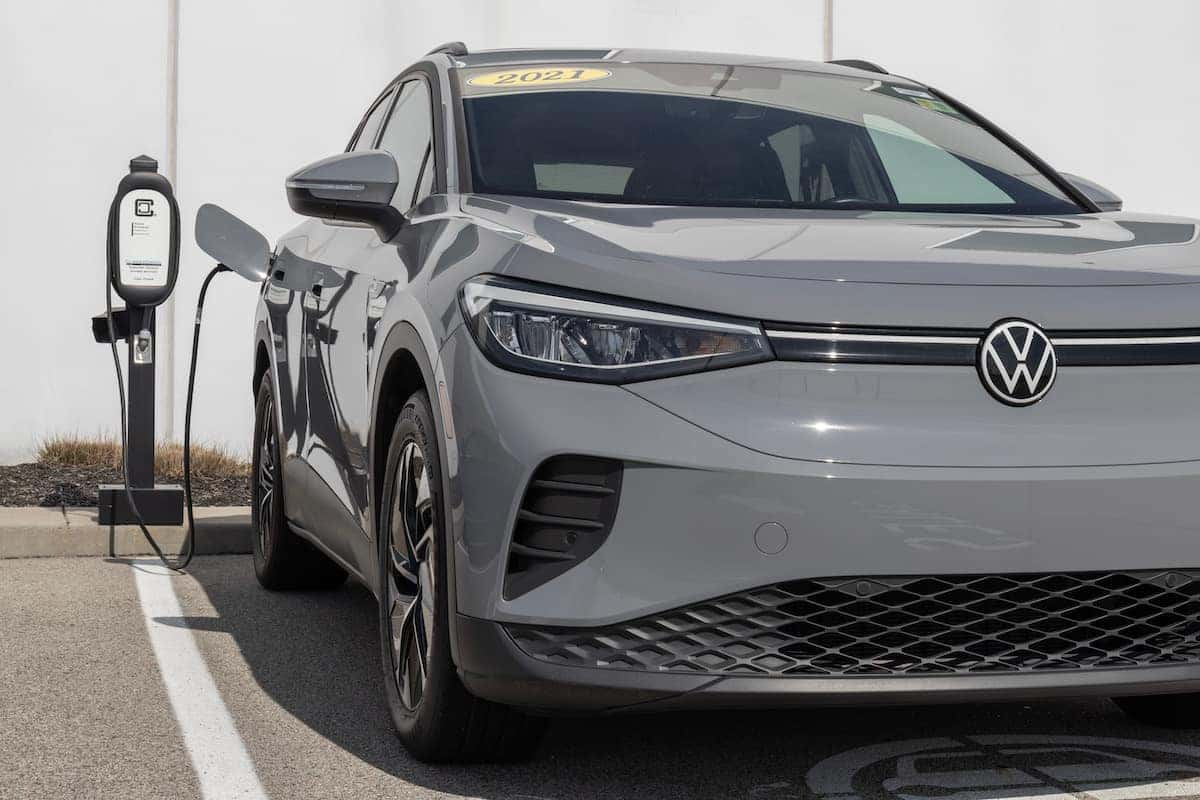
The Volkswagen ID.4 electric vehicle is a new, all-electric SUV that has been designed to make electric driving accessible to everyone. It combines the spaciousness and versatility of an SUV with zero emissions, giving drivers an eco-friendly alternative to gasoline vehicles. Let’s take a closer look at what makes this new electric vehicle special. Design of the VW ID.4 The ID.4 comes in two trim levels – Pro and Pro S – each of which offers its own range of features and styling touches. Both trims feature a wide stance, muscular wheel arches, and an aerodynamic silhouette that cuts through the air with ease. On the interior, you will find luxurious materials such as soft-touch plastics and leather upholstery for a comfortable ride every time you get behind the wheel. Powering the VW ID.4 Underneath its sleek exterior lies a powerful electric motor capable of producing 201 horsepower and 228 lb-ft of torque, allowing it to reach 0-60 mph in just 7 seconds. The motor is powered by a 77 kWh battery pack located underneath the car’s floor that provides enough energy for up to 250 miles on a single charge making this perfect for daily commutes or even longer trips around town. When it’s time to recharge, owners can choose from three charging speeds – 7 kW home charging (8 hours), 11 kW public charging (5 hours) or 125 kW rapid charging (33 minutes). Innovative Technology Features The VW ID.4 also comes packed with innovative technology features designed to make your life easier while on the go such as voice control, wireless smartphone integration, navigation assistance and more! You can also stay connected on the road thanks to Apple CarPlay® & Android Auto™ compatibility that allows you to access popular apps like Spotify®, Google Maps™ and Waze™ right from your touchscreen display or dashboard controls. Additionally, there are driver assistance features like adaptive cruise control and lane keeping assist to help keep you safe on long drives or during busy city traffic conditions. Volkswagen ID.4 With its stylish design, powerful performance, long range battery life and advanced technology features, it's easy to see why so many people are choosing the Volkswagen ID.4 as their go-to electric vehicle option! Whether you’re looking for something eco-friendly for your daily commute or need an SUV that can handle longer trips around town without breaking down -the VWID 4 is sure to deliver! From its comfortable interior amenities to its intuitive technology features – this all-electric SUV has everything you need for an enjoyable driving experience every time you hit the road!
VW ID.4 Electric Vehicle

What is the VW ID.4 Electric Vehicle?

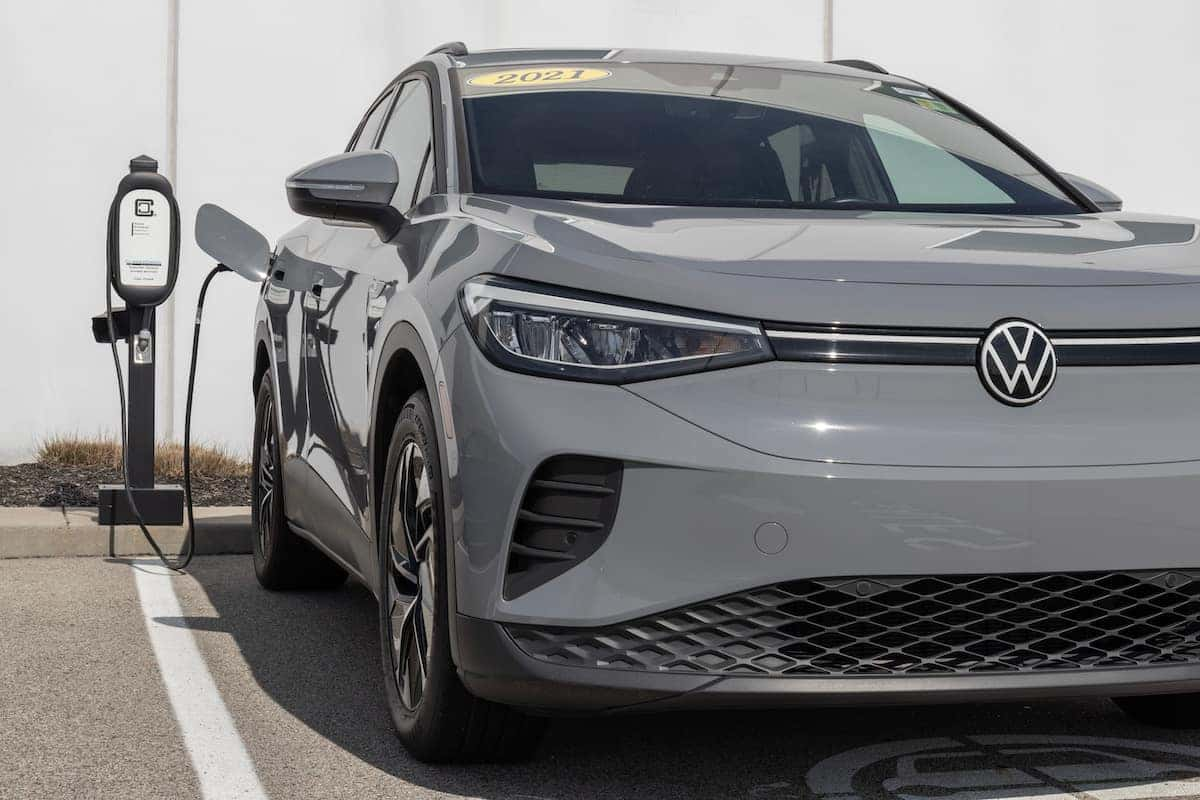
The Volkswagen ID.4 electric vehicle is a new, all-electric SUV that has been designed to make electric driving accessible to everyone. It combines the spaciousness and versatility of an SUV with zero emissions, giving drivers an eco-friendly alternative to gasoline vehicles. Let’s take a closer look at what makes this new electric vehicle special. Design of the VW ID.4 The ID.4 comes in two trim levels – Pro and Pro S – each of which offers its own range of features and styling touches. Both trims feature a wide stance, muscular wheel arches, and an aerodynamic silhouette that cuts through the air with ease. On the interior, you will find luxurious materials such as soft-touch plastics and leather upholstery for a comfortable ride every time you get behind the wheel. Powering the VW ID.4 Underneath its sleek exterior lies a powerful electric motor capable of producing 201 horsepower and 228 lb-ft of torque, allowing it to reach 0-60 mph in just 7 seconds. The motor is powered by a 77 kWh battery pack located underneath the car’s floor that provides enough energy for up to 250 miles on a single charge making this perfect for daily commutes or even longer trips around town. When it’s time to recharge, owners can choose from three charging speeds – 7 kW home charging (8 hours), 11 kW public charging (5 hours) or 125 kW rapid charging (33 minutes). Innovative Technology Features The VW ID.4 also comes packed with innovative technology features designed to make your life easier while on the go such as voice control, wireless smartphone integration, navigation assistance and more! You can also stay connected on the road thanks to Apple CarPlay® & Android Auto™ compatibility that allows you to access popular apps like Spotify®, Google Maps™ and Waze™ right from your touchscreen display or dashboard controls. Additionally, there are driver assistance features like adaptive cruise control and lane keeping assist to help keep you safe on long drives or during busy city traffic conditions. Volkswagen ID.4 With its stylish design, powerful performance, long range battery life and advanced technology features, it's easy to see why so many people are choosing the Volkswagen ID.4 as their go-to electric vehicle option! Whether you’re looking for something eco-friendly for your daily commute or need an SUV that can handle longer trips around town without breaking down -the VWID 4 is sure to deliver! From its comfortable interior amenities to its intuitive technology features – this all-electric SUV has everything you need for an enjoyable driving experience every time you hit the road!
How to Sell Your Car in Rhode Island

How to Sell Your Car in Rhode Island

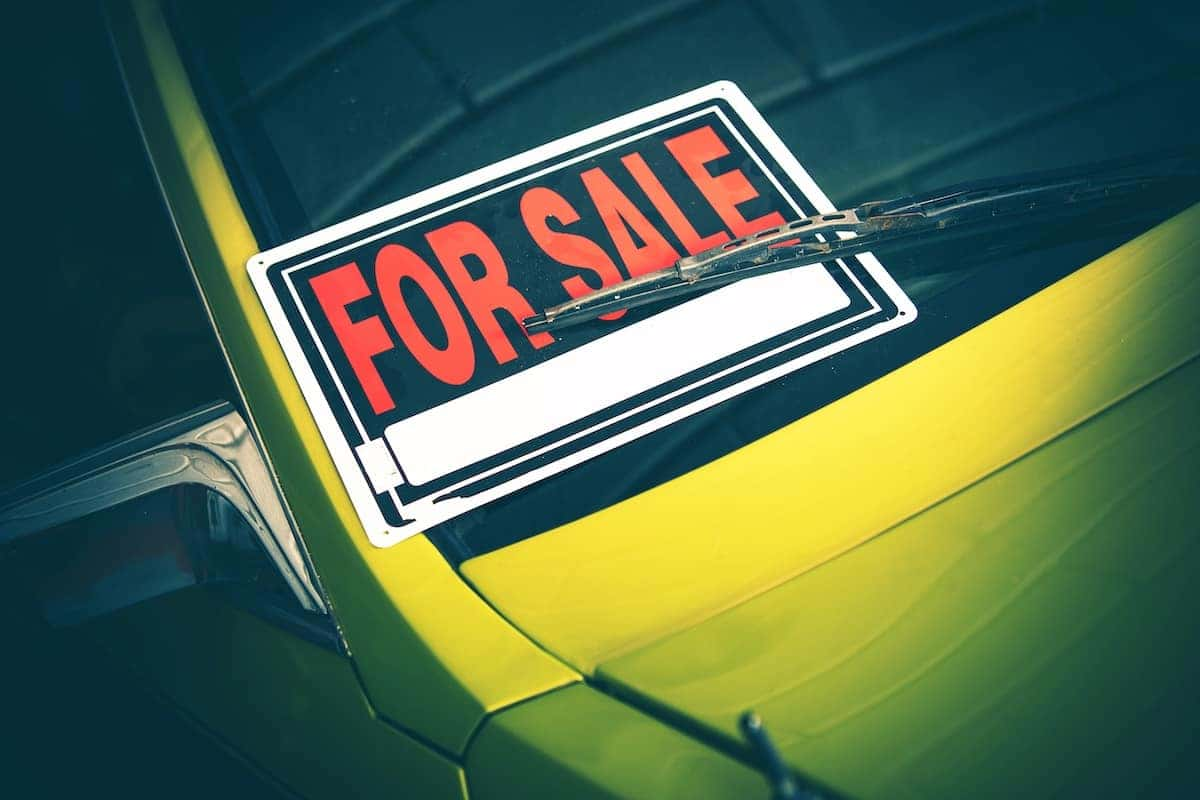
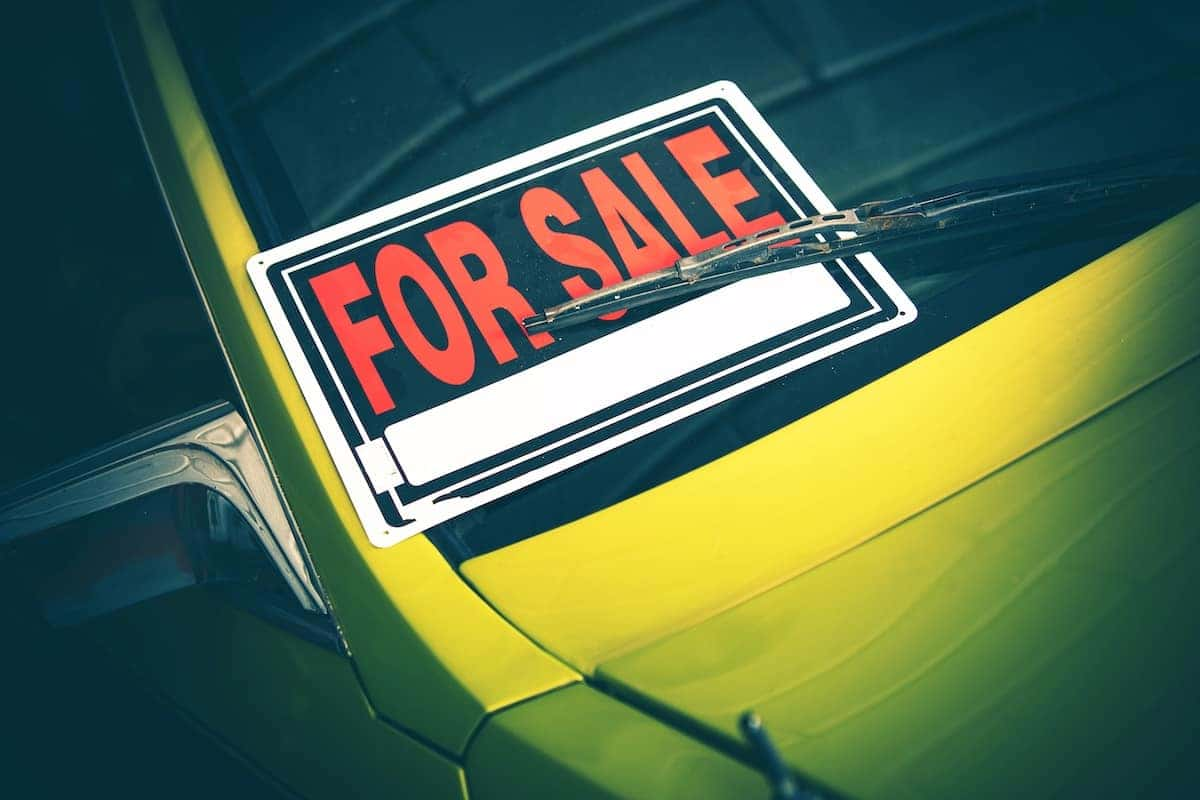
Selling a car doesn't have to be a stressful process. In Rhode Island, there are plenty of ways to get cash for your car—whether you're trading it in at a dealership or selling it privately. However, it's important to do your research and understand the rules and regulations that come with selling a car in the state. Knowing what paperwork is necessary, who can help you with the sale, and how much money you should expect will make the entire process run smoothly. Let's dive into all of these topics and more! Instant Vehicle Value Here Understand Rhode Island State Regulations Every state has different laws regarding vehicle sales and transfers. Before you begin the process of selling your car in Rhode Island, make sure you understand all of the relevant regulations. For instance, Rhode Island requires that you submit an Application for Duplicate Certificate of Title form if your original title is lost or destroyed; this must be done before transferring ownership of the car. Additionally, as part of the sale, both parties must sign a Vehicle Transfer Declaration Form and submit it to the DMV within five business days after transfer. Find Potential Buyers Once you've familiarized yourself with state regulations for vehicle sales, it's time to start looking for potential buyers. If you'd like to avoid dealing with private buyers directly, consider trading your vehicle in at a dealership instead; just be sure to do some research beforehand so that you know what price range they'll offer for your specific year, make and model of car. You can also post ads on classifieds websites or even in local newspapers; this will help get your listing out there and increase exposure significantly. Keep in mind that if you choose this route—and especially if you're dealing with private buyers—you'll need to be prepared for negotiations when it comes time to agree on a price. The Closing Process When it comes time to close on the sale of your car in Rhode Island, both parties will need to complete certain steps before officially transferring ownership from seller to buyer. Make sure all relevant documents are filled out correctly (including those required by law) and submitted correctly according to state guidelines; then follow up as needed until everything is finalized properly. Be sure that neither party leaves until all paperwork is signed off on properly; this ensures everyone involved is legally protected throughout the closing process from start to finish. Sell Your Car in Rhode Island Selling a car in Rhode Island doesn't have to be difficult—as long as you understand which steps need to be taken along the way! Start by researching relevant state regulations for vehicle sales so that all paperwork is completed correctly during closing; then find potential buyers using classifieds websites or even dealerships if desired. Finally, once everything has been signed off correctly on both sides during closing, enjoy knowing that everything was taken care of properly so no one involved needs worry about legal issues down the line! Instant Vehicle Value Here Speedcraft Volkswagen will make you a cash offer simply by bringing your vehicle to our dealership, so consider us as an option when you’re ready to sell your car in Rhode Island! We make it easy and hassle-free to get cash for your vehicle. Contact us today to learn more about how we can help you get the best value for your car.

How to Sell Your Car in Rhode Island

How to Sell Your Car in Rhode Island

Selling a car doesn't have to be a stressful process. In Rhode Island, there are plenty of ways to get cash for your car—whether you're trading it in at a dealership or selling it privately. However, it's important to do your research and understand the rules and regulations that come with selling a car in the state. Knowing what paperwork is necessary, who can help you with the sale, and how much money you should expect will make the entire process run smoothly. Let's dive into all of these topics and more! Instant Vehicle Value Here Understand Rhode Island State Regulations Every state has different laws regarding vehicle sales and transfers. Before you begin the process of selling your car in Rhode Island, make sure you understand all of the relevant regulations. For instance, Rhode Island requires that you submit an Application for Duplicate Certificate of Title form if your original title is lost or destroyed; this must be done before transferring ownership of the car. Additionally, as part of the sale, both parties must sign a Vehicle Transfer Declaration Form and submit it to the DMV within five business days after transfer. Find Potential Buyers Once you've familiarized yourself with state regulations for vehicle sales, it's time to start looking for potential buyers. If you'd like to avoid dealing with private buyers directly, consider trading your vehicle in at a dealership instead; just be sure to do some research beforehand so that you know what price range they'll offer for your specific year, make and model of car. You can also post ads on classifieds websites or even in local newspapers; this will help get your listing out there and increase exposure significantly. Keep in mind that if you choose this route—and especially if you're dealing with private buyers—you'll need to be prepared for negotiations when it comes time to agree on a price. The Closing Process When it comes time to close on the sale of your car in Rhode Island, both parties will need to complete certain steps before officially transferring ownership from seller to buyer. Make sure all relevant documents are filled out correctly (including those required by law) and submitted correctly according to state guidelines; then follow up as needed until everything is finalized properly. Be sure that neither party leaves until all paperwork is signed off on properly; this ensures everyone involved is legally protected throughout the closing process from start to finish. Sell Your Car in Rhode Island Selling a car in Rhode Island doesn't have to be difficult—as long as you understand which steps need to be taken along the way! Start by researching relevant state regulations for vehicle sales so that all paperwork is completed correctly during closing; then find potential buyers using classifieds websites or even dealerships if desired. Finally, once everything has been signed off correctly on both sides during closing, enjoy knowing that everything was taken care of properly so no one involved needs worry about legal issues down the line! Instant Vehicle Value Here Speedcraft Volkswagen will make you a cash offer simply by bringing your vehicle to our dealership, so consider us as an option when you’re ready to sell your car in Rhode Island! We make it easy and hassle-free to get cash for your vehicle. Contact us today to learn more about how we can help you get the best value for your car.

vw think small

How Volkswagen's "Think Small" Ad Campaign Changed Advertising Forever

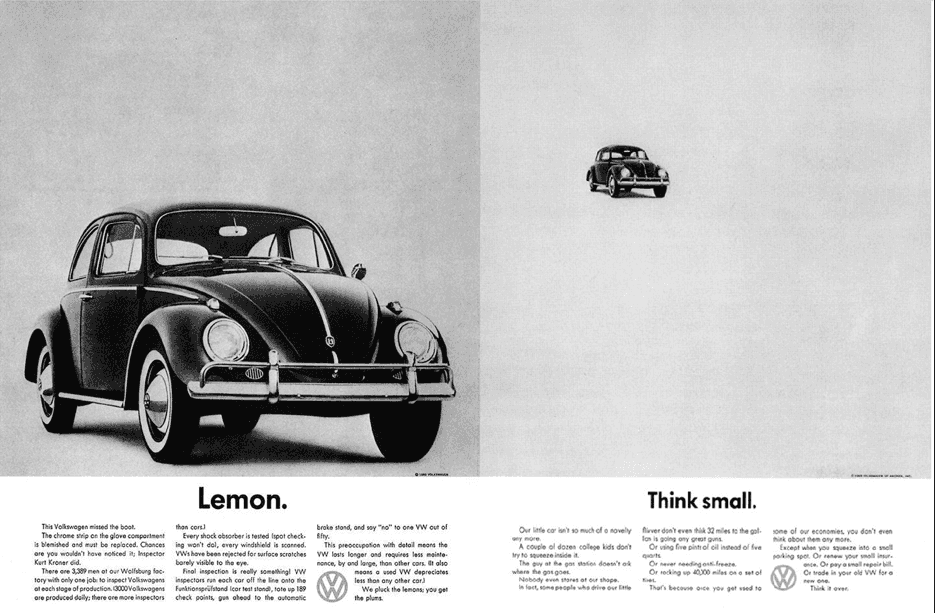
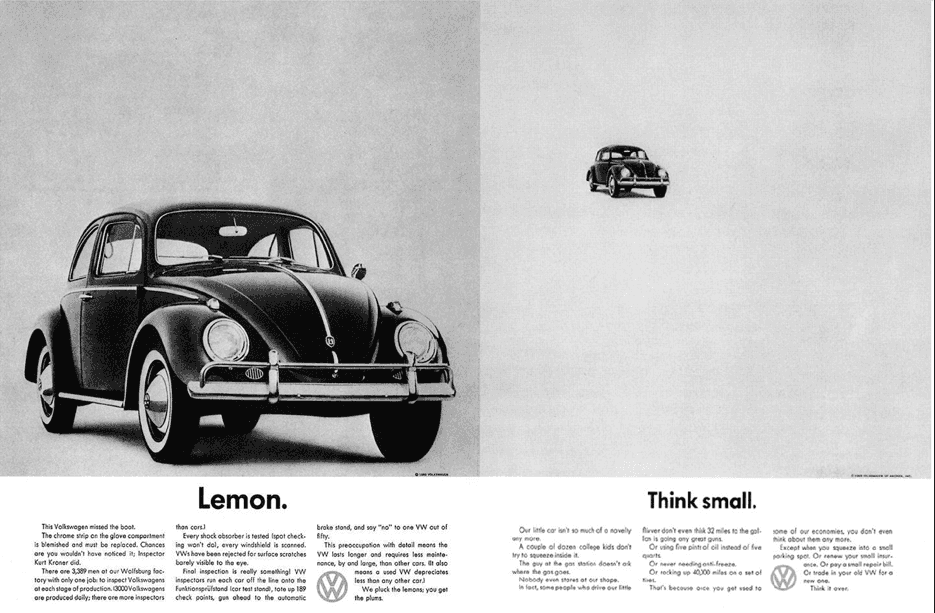
If you’ve ever heard of Volkswagen, chances are you’re familiar with their iconic “Think Small” ad campaign. As one of the most successful advertising campaigns of all time, it was a bold move for Volkswagen to buck conventional wisdom and create something entirely new. But what was the story behind it? Let's take a closer look at the history behind this iconic ad campaign. In 1959, Volkswagen was struggling to gain traction in the US market. To make matters worse, they were up against some pretty stiff competition from established car manufacturers like Ford and Chevrolet. The challenge for Volkswagen was to find an effective way to stand out from the crowd and make people think differently about their cars. So, when Volkswagen hired Doyle Dane Bernbach (DDB) as their advertising agency in 1960, they knew they had to think outside the box if they wanted to change people’s minds about their vehicles. The team at DDB came up with the idea of creating an ad campaign that focused on the smaller size of Volkswagen's cars compared to other vehicles on the market. This was a risky move because at that time most car companies were emphasizing power and luxury over size and practicality. But DDB took a gamble and created a series of ads that featured small photographs of VW models along with clever taglines such as “Think Small” and “Lemon” (which referred to VW's famously unreliable engines). These ads were revolutionary because they put style ahead of function and challenged consumers' preconceived notions about what made a good car. By doing so, they not only helped Volkswagen become more popular in the US market but also changed how people thought about advertising in general—proving that it could be used not just to sell products but also to influence public opinion. Volkswagen's "Think Small" ad campaign is one of the most successful campaigns in history—and for good reason. It allowed them to stand out from their competitors by focusing on style instead of function, challenging preconceived notions about what makes a good car, and changing how people thought about advertising in general. It's no wonder then that this campaign continues to be remembered over 60 years later! By taking a risk and pushing boundaries, Volkswagen set off a seismic shift in how brands use advertising to reach customers—and for that we can be thankful!

vw think small

How Volkswagen's "Think Small" Ad Campaign Changed Advertising Forever

If you’ve ever heard of Volkswagen, chances are you’re familiar with their iconic “Think Small” ad campaign. As one of the most successful advertising campaigns of all time, it was a bold move for Volkswagen to buck conventional wisdom and create something entirely new. But what was the story behind it? Let's take a closer look at the history behind this iconic ad campaign. In 1959, Volkswagen was struggling to gain traction in the US market. To make matters worse, they were up against some pretty stiff competition from established car manufacturers like Ford and Chevrolet. The challenge for Volkswagen was to find an effective way to stand out from the crowd and make people think differently about their cars. So, when Volkswagen hired Doyle Dane Bernbach (DDB) as their advertising agency in 1960, they knew they had to think outside the box if they wanted to change people’s minds about their vehicles. The team at DDB came up with the idea of creating an ad campaign that focused on the smaller size of Volkswagen's cars compared to other vehicles on the market. This was a risky move because at that time most car companies were emphasizing power and luxury over size and practicality. But DDB took a gamble and created a series of ads that featured small photographs of VW models along with clever taglines such as “Think Small” and “Lemon” (which referred to VW's famously unreliable engines). These ads were revolutionary because they put style ahead of function and challenged consumers' preconceived notions about what made a good car. By doing so, they not only helped Volkswagen become more popular in the US market but also changed how people thought about advertising in general—proving that it could be used not just to sell products but also to influence public opinion. Volkswagen's "Think Small" ad campaign is one of the most successful campaigns in history—and for good reason. It allowed them to stand out from their competitors by focusing on style instead of function, challenging preconceived notions about what makes a good car, and changing how people thought about advertising in general. It's no wonder then that this campaign continues to be remembered over 60 years later! By taking a risk and pushing boundaries, Volkswagen set off a seismic shift in how brands use advertising to reach customers—and for that we can be thankful!

Volkswagen Motorsports Racing

Volkswagen's Legacy of Motorsports and Racing

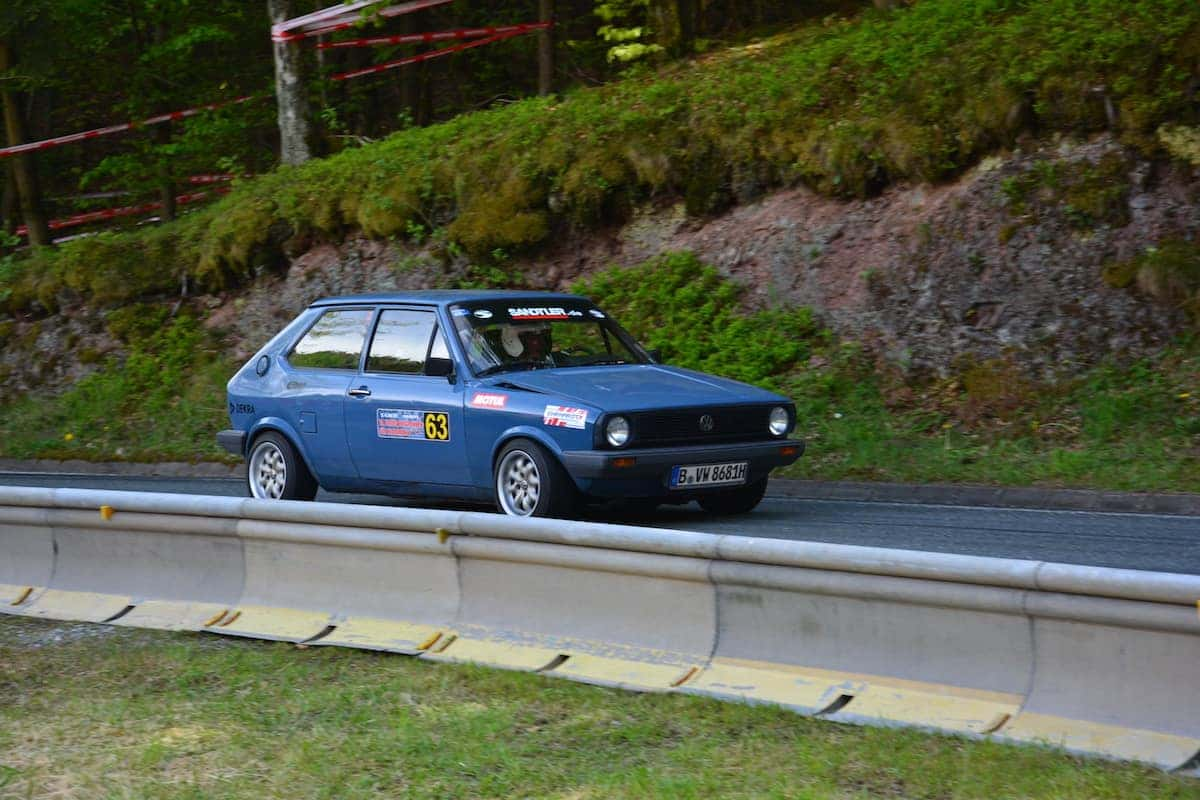
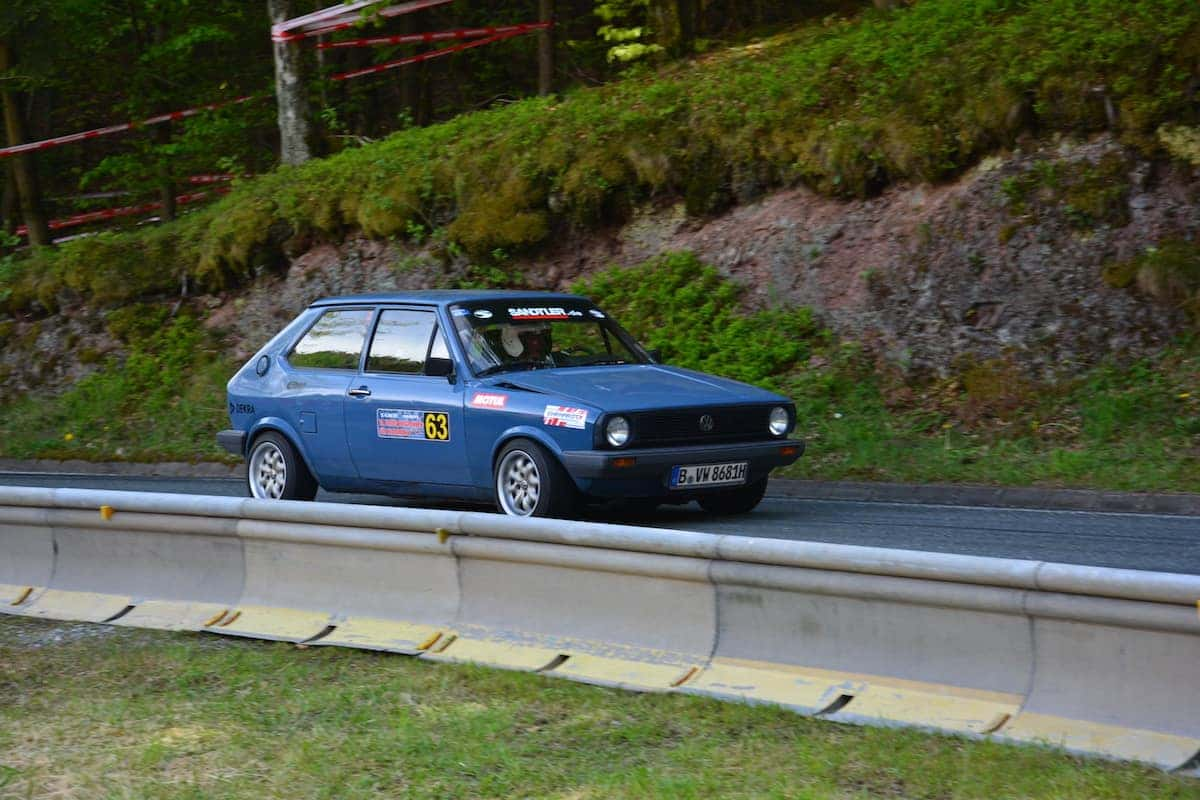
For decades, Volkswagen has been a major player in motorsports and racing. From rally cars to Formula 1, Volkswagen continues to innovate the industry through its involvement in racing circles around the world. Let’s take a look at how Volkswagen has made its mark on motorsports and racing history. Formula 1 In 1977, Volkswagen joined the Formula 1 circuit with its own race team. The team was known as "Volkswagen Motorsport" and was led by Austrian driver Hans-Joachim Stuck. Although the team failed to win a single race, it captured several podium positions and achieved multiple pole positions. In 1984, after seven years of competing in Formula 1, VW announced it would be withdrawing from the sport due to dwindling success and high costs associated with competing at such an elite level. Despite this setback, Volkswagens remain involved in F1 today through their sponsorship of Sauber F1 Team. Rally Cars In 1980, Volkswagen began producing rally cars for competition in the World Rally Championship (WRC). Their first model was based on the Golf GTI and featured a 2-liter engine that produced 200 horsepower. The team had moderate success but never won a WRC championship title; however, they did manage to win several individual rally stages throughout their tenure in WRC competition. In 1985, VW withdrew from WRC citing financial difficulties as well as lack of results despite their best efforts. The Future Volkswagen is still making its mark on motorsports today—but now it’s doing so through its electric car division “Volkswagen ID R Pikes Peak” which recently set a new record time for electric vehicles at the Pikes Peak International Hill Climb race in Colorado Springs back in June 2018. The car managed to complete the 12-mile course in just 7 minutes 57 seconds which was nearly two minutes faster than any other electric car before it! What’s more impressive is that this record-breaking time wasn't even close to being beaten yet—it stands unbeaten until today! Volkswagen Motorsports Racing Volkswagen has long been involved in motorsports and racing—from Formula 1 all the way up to electric vehicle records—and their legacy shows no sign of slowing down anytime soon. It's clear that VW knows what it takes to succeed in competitive racing circles worldwide—innovative technology, strategic partnerships, and an unwavering commitment to excellence—all of which have helped shape their legacy within this field over these past few decades! With these traits ingrained into their culture, we can expect great things from VW's motorsport endeavors moving forward!

Volkswagen Motorsports Racing

Volkswagen's Legacy of Motorsports and Racing

For decades, Volkswagen has been a major player in motorsports and racing. From rally cars to Formula 1, Volkswagen continues to innovate the industry through its involvement in racing circles around the world. Let’s take a look at how Volkswagen has made its mark on motorsports and racing history. Formula 1 In 1977, Volkswagen joined the Formula 1 circuit with its own race team. The team was known as "Volkswagen Motorsport" and was led by Austrian driver Hans-Joachim Stuck. Although the team failed to win a single race, it captured several podium positions and achieved multiple pole positions. In 1984, after seven years of competing in Formula 1, VW announced it would be withdrawing from the sport due to dwindling success and high costs associated with competing at such an elite level. Despite this setback, Volkswagens remain involved in F1 today through their sponsorship of Sauber F1 Team. Rally Cars In 1980, Volkswagen began producing rally cars for competition in the World Rally Championship (WRC). Their first model was based on the Golf GTI and featured a 2-liter engine that produced 200 horsepower. The team had moderate success but never won a WRC championship title; however, they did manage to win several individual rally stages throughout their tenure in WRC competition. In 1985, VW withdrew from WRC citing financial difficulties as well as lack of results despite their best efforts. The Future Volkswagen is still making its mark on motorsports today—but now it’s doing so through its electric car division “Volkswagen ID R Pikes Peak” which recently set a new record time for electric vehicles at the Pikes Peak International Hill Climb race in Colorado Springs back in June 2018. The car managed to complete the 12-mile course in just 7 minutes 57 seconds which was nearly two minutes faster than any other electric car before it! What’s more impressive is that this record-breaking time wasn't even close to being beaten yet—it stands unbeaten until today! Volkswagen Motorsports Racing Volkswagen has long been involved in motorsports and racing—from Formula 1 all the way up to electric vehicle records—and their legacy shows no sign of slowing down anytime soon. It's clear that VW knows what it takes to succeed in competitive racing circles worldwide—innovative technology, strategic partnerships, and an unwavering commitment to excellence—all of which have helped shape their legacy within this field over these past few decades! With these traits ingrained into their culture, we can expect great things from VW's motorsport endeavors moving forward!

Volkswagen Windshield Wipers

How Long Do Volkswagen Windshield Wipers Last?

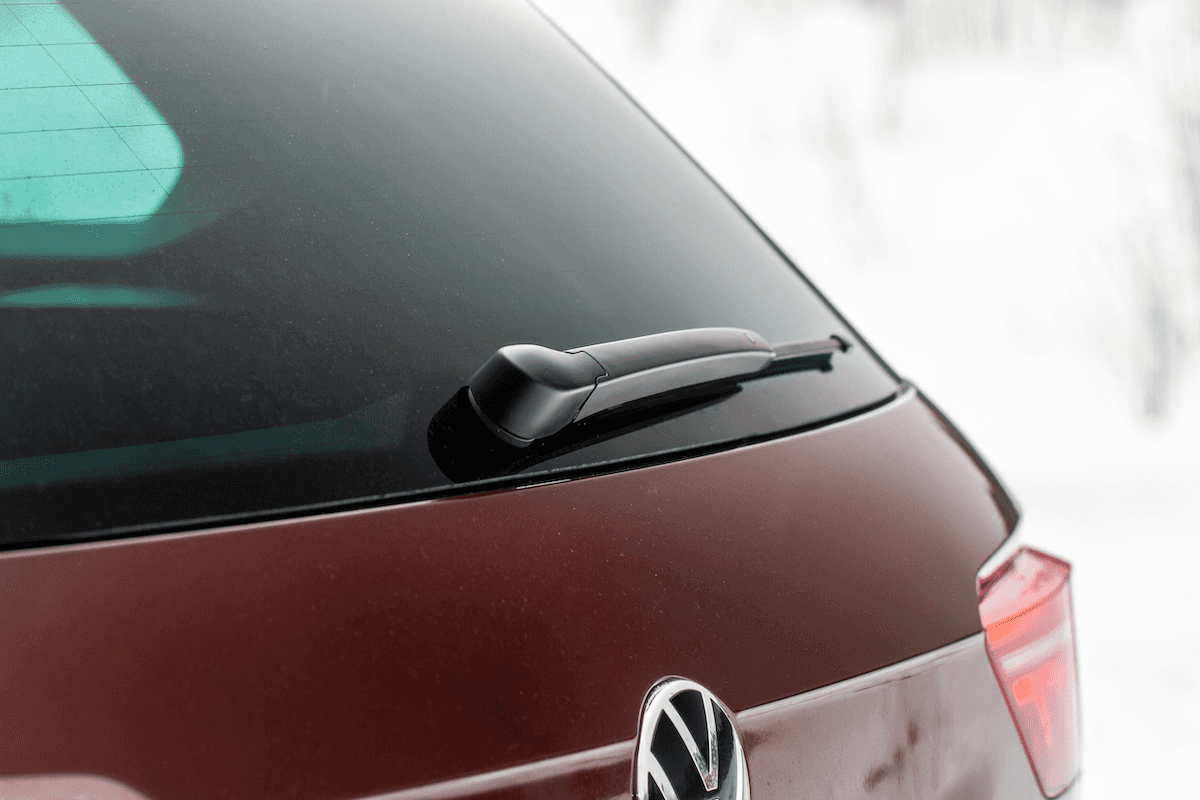
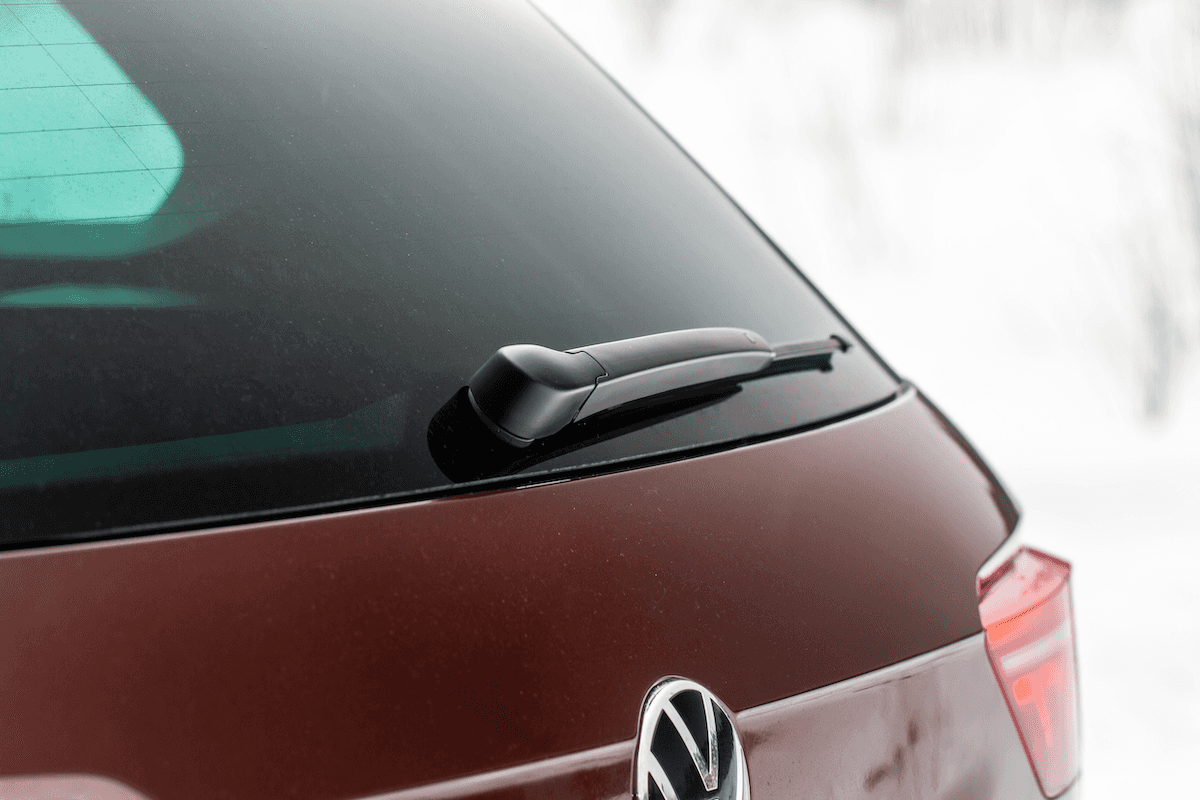
Windshield wipers are one of the most important safety features on your car. They keep you safe by increasing visibility when driving in poor weather conditions. But, like any part of your car, they can wear out over time and need to be replaced. So how long do windshield wipers last? Let’s take a look at Volkswagen-branded windshield wipers and see what kind of life you can expect from them. Life Expectancy of Volkswagen Windshield Wipers Volkswagen windshield wipers are designed to last for up to one year. However, this figure is dependent on several factors such as the climate where you live and how often you use the wipers. If you live in a particularly harsh climate or tend to rely heavily on your windshield wipers, you may need to replace them more frequently than if you lived in a milder environment and used your wipers less often. It is also important to remember that different types of wiper blades have different lifespans. For example, traditional rubber blades tend to last longer than silicone-based blades, but they don’t provide as good of a wiping action. On the other hand, silicone-based blades provide superior performance but they wear out faster than rubber blades. When selecting new wiper blades for your Volkswagen, it is important to consider both performance and longevity when making your decision. Signs That It Is Time To Replace Your Wiper Blades If you find that your wiper blades are leaving streaks or smears on the windshield after use or just aren’t performing as well as they used to, it might be time for a replacement set. You should also inspect your wiper blades regularly for signs of cracking or other damage that could affect their performance or cause them to fail prematurely. If there is any visible damage, it’s best to err on the side of caution and replace them right away instead of waiting around until it’s too late! The lifespan of Volkswagen windshield wipers really depends on several factors including climate and usage patterns. Generally speaking, however, you should expect them to last up to one year before needing replacement—though this number may vary depending on individual circumstances. It is important to inspect your wiper blades regularly for signs of wear and tear or damage so that you can make sure they are always providing adequate protection against poor weather conditions while driving. By doing so, you can ensure that your VW continues running at peak performance for years down the line!

Volkswagen Windshield Wipers

How Long Do Volkswagen Windshield Wipers Last?

Windshield wipers are one of the most important safety features on your car. They keep you safe by increasing visibility when driving in poor weather conditions. But, like any part of your car, they can wear out over time and need to be replaced. So how long do windshield wipers last? Let’s take a look at Volkswagen-branded windshield wipers and see what kind of life you can expect from them. Life Expectancy of Volkswagen Windshield Wipers Volkswagen windshield wipers are designed to last for up to one year. However, this figure is dependent on several factors such as the climate where you live and how often you use the wipers. If you live in a particularly harsh climate or tend to rely heavily on your windshield wipers, you may need to replace them more frequently than if you lived in a milder environment and used your wipers less often. It is also important to remember that different types of wiper blades have different lifespans. For example, traditional rubber blades tend to last longer than silicone-based blades, but they don’t provide as good of a wiping action. On the other hand, silicone-based blades provide superior performance but they wear out faster than rubber blades. When selecting new wiper blades for your Volkswagen, it is important to consider both performance and longevity when making your decision. Signs That It Is Time To Replace Your Wiper Blades If you find that your wiper blades are leaving streaks or smears on the windshield after use or just aren’t performing as well as they used to, it might be time for a replacement set. You should also inspect your wiper blades regularly for signs of cracking or other damage that could affect their performance or cause them to fail prematurely. If there is any visible damage, it’s best to err on the side of caution and replace them right away instead of waiting around until it’s too late! The lifespan of Volkswagen windshield wipers really depends on several factors including climate and usage patterns. Generally speaking, however, you should expect them to last up to one year before needing replacement—though this number may vary depending on individual circumstances. It is important to inspect your wiper blades regularly for signs of wear and tear or damage so that you can make sure they are always providing adequate protection against poor weather conditions while driving. By doing so, you can ensure that your VW continues running at peak performance for years down the line!

Volkswagen Tire Rotation

How to Properly Rotate Your Volkswagen Tires

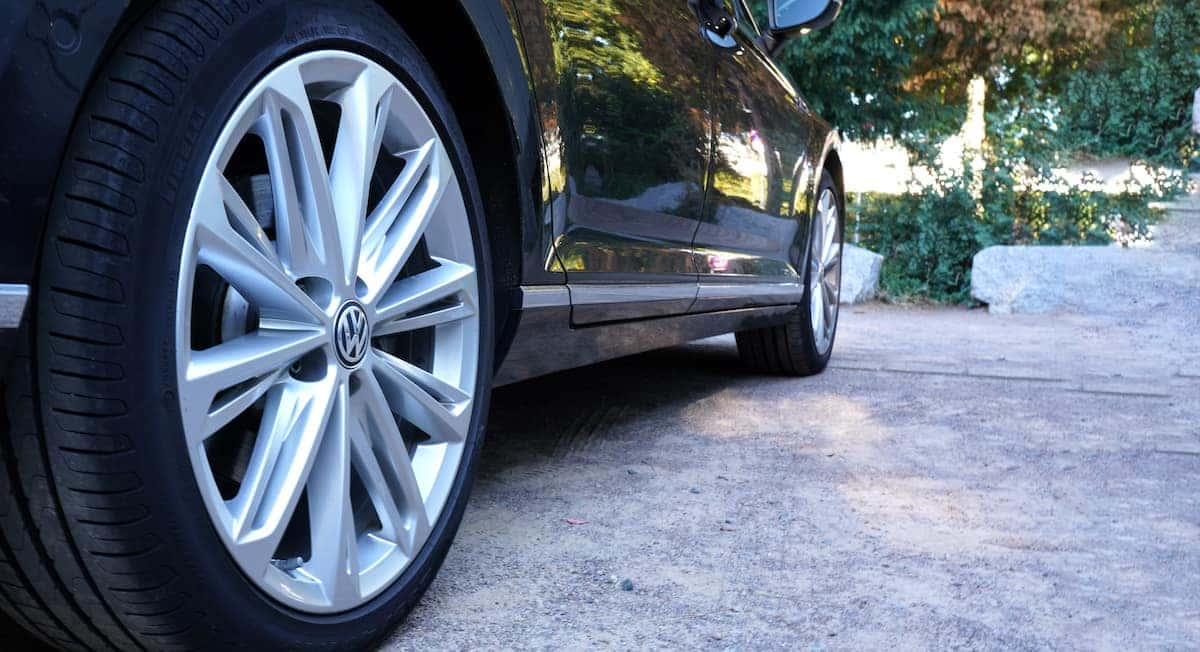
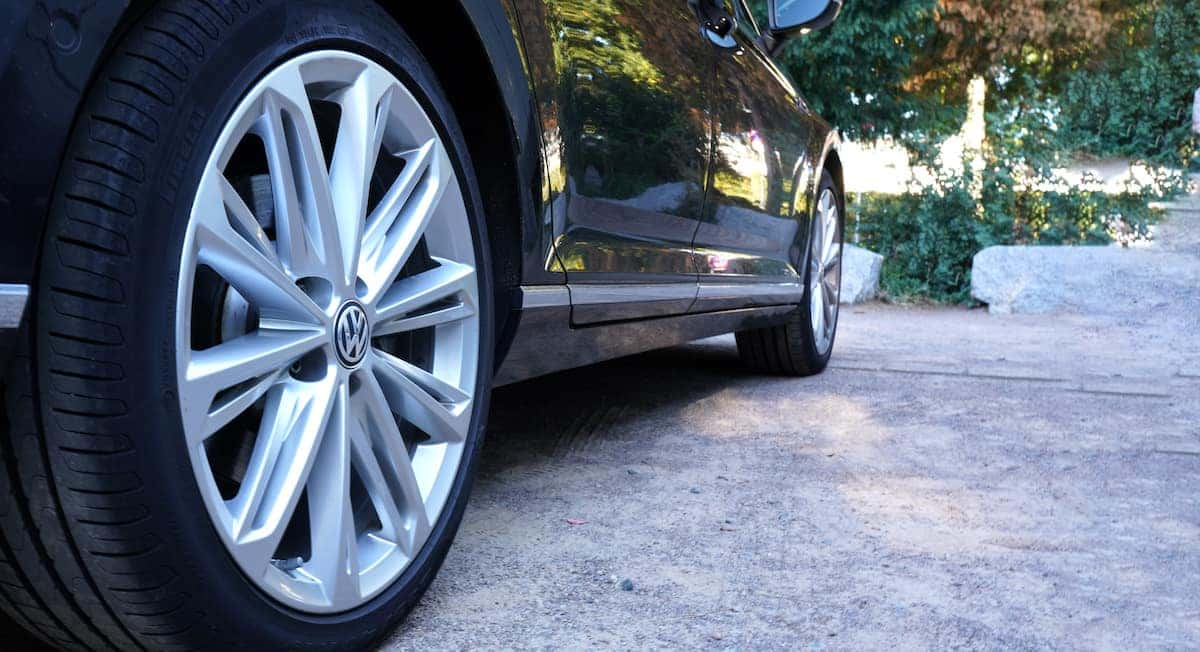
Keeping your Volkswagen at its peak performance is essential for a safe and enjoyable driving experience. One important part of this is ensuring that you rotate your tires regularly. Tire rotation helps to even out the wear on each tire, which helps extend their lifespan and keep your car running smoothly. But how often should you rotate your Volkswagen tires? How Often Should I Rotate My Tires? Experts recommend rotating your tires every 5,000-7,500 miles (8,000-12,000 km). This varies depending on driving conditions – if you drive mostly on gravel or other rough surfaces, it is recommended that you rotate them more frequently. You should also check the tread depth of all four tires before rotating them; if one or more of the tires have significantly less tread than the others, it is best to replace them before rotating them. If your vehicle has an all-wheel drive system or an uneven tire size/diameter combination (e.g., different front vs rear tire sizes), then it is important to consult your owner’s manual for specific instructions about how often and how to properly rotate them. It may also be necessary to have a professional mechanic do this for you in order to ensure that it is done correctly. Benefits of Tire Rotation Regularly rotating your tires can save you money in the long run by extending the life of each tire and helping maintain even wear across all four. Additionally, rotating your tires can help improve traction and fuel efficiency by reducing resistance as you drive. It can also help improve handling and steering response because each wheel will be distributing weight evenly across all four corners of the vehicle. Finally, regularly rotating your tires ensures that they are always performing at their best so that you can enjoy a safe driving experience each time you get behind the wheel! Volkswagen Tire Rotation Rotating your Volkswagen tires regularly helps extend their lifespan, improve traction and fuel efficiency, enhance handling and steering response, and improve overall safety when driving. Experts recommend that you rotate your tires every 5,000-7,500 miles (8,000-12,000 km) depending on driving conditions; however, if there are any special considerations due to an all-wheel drive system or uneven tire size/diameter combination (e.g., different front vs rear tire sizes), then it is important to consult with a professional mechanic before attempting any DIY tire rotations! Taking care of these small maintenance tasks now will save you money in the long run while keeping both yourself and other drivers safe on the road! Contact Speedcraft Volkswagen today to schedule your Volkswagen tire rotation. We hope this article has helped answer your question about how often you should rotate your Volkswagen tires. If you have any further questions, or if you would like to book an appointment for service at Speedcraft Volkswagen, please do not hesitate to contact us!

Volkswagen Tire Rotation

How to Properly Rotate Your Volkswagen Tires

Keeping your Volkswagen at its peak performance is essential for a safe and enjoyable driving experience. One important part of this is ensuring that you rotate your tires regularly. Tire rotation helps to even out the wear on each tire, which helps extend their lifespan and keep your car running smoothly. But how often should you rotate your Volkswagen tires? How Often Should I Rotate My Tires? Experts recommend rotating your tires every 5,000-7,500 miles (8,000-12,000 km). This varies depending on driving conditions – if you drive mostly on gravel or other rough surfaces, it is recommended that you rotate them more frequently. You should also check the tread depth of all four tires before rotating them; if one or more of the tires have significantly less tread than the others, it is best to replace them before rotating them. If your vehicle has an all-wheel drive system or an uneven tire size/diameter combination (e.g., different front vs rear tire sizes), then it is important to consult your owner’s manual for specific instructions about how often and how to properly rotate them. It may also be necessary to have a professional mechanic do this for you in order to ensure that it is done correctly. Benefits of Tire Rotation Regularly rotating your tires can save you money in the long run by extending the life of each tire and helping maintain even wear across all four. Additionally, rotating your tires can help improve traction and fuel efficiency by reducing resistance as you drive. It can also help improve handling and steering response because each wheel will be distributing weight evenly across all four corners of the vehicle. Finally, regularly rotating your tires ensures that they are always performing at their best so that you can enjoy a safe driving experience each time you get behind the wheel! Volkswagen Tire Rotation Rotating your Volkswagen tires regularly helps extend their lifespan, improve traction and fuel efficiency, enhance handling and steering response, and improve overall safety when driving. Experts recommend that you rotate your tires every 5,000-7,500 miles (8,000-12,000 km) depending on driving conditions; however, if there are any special considerations due to an all-wheel drive system or uneven tire size/diameter combination (e.g., different front vs rear tire sizes), then it is important to consult with a professional mechanic before attempting any DIY tire rotations! Taking care of these small maintenance tasks now will save you money in the long run while keeping both yourself and other drivers safe on the road! Contact Speedcraft Volkswagen today to schedule your Volkswagen tire rotation. We hope this article has helped answer your question about how often you should rotate your Volkswagen tires. If you have any further questions, or if you would like to book an appointment for service at Speedcraft Volkswagen, please do not hesitate to contact us!

Contact Us

Fill out this form below and we'll contact you shortly
*Required Fields