How Long Do Volkswagen Windshield Wipers Last?
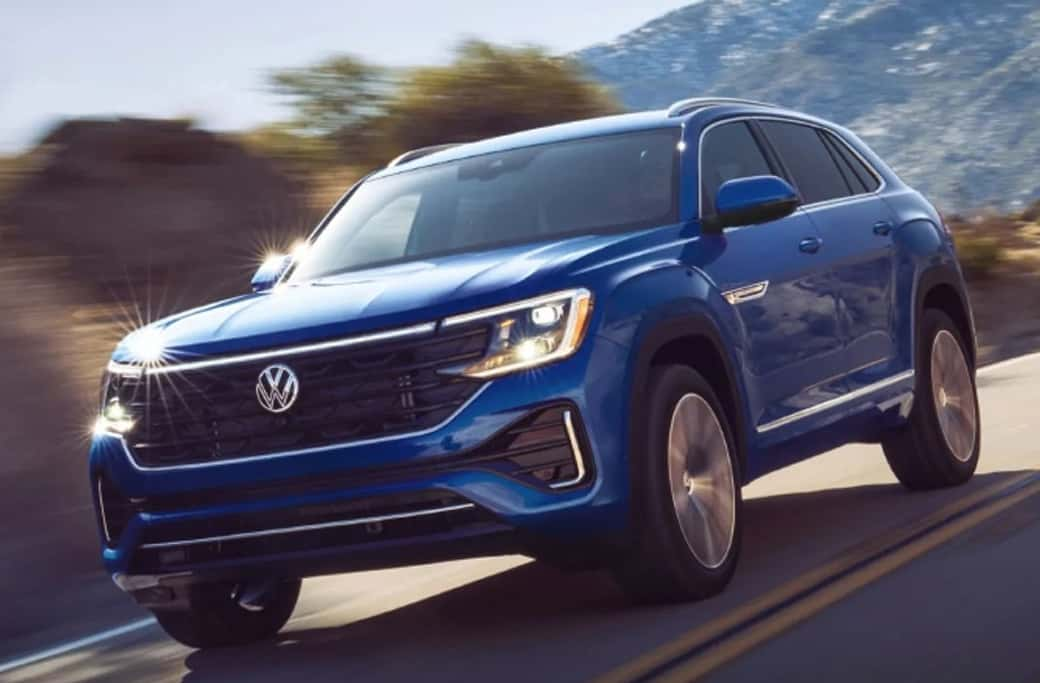
When you see the sleek lines of a Volkswagen Atlas Cross Sport cruising down the highway, you likely think of German engineering. Volkswagen is, after all, a historic German brand. However, for drivers in North America, this popular SUV has a much closer home. If you are wondering where the VW Atlas Cross Sport is made, the answer is Chattanooga, Tennessee. Since its debut, the Atlas Cross Sport has been assembled at the Volkswagen Chattanooga Assembly Plant. This state-of-the-art facility is a hub of automotive innovation, combining Volkswagen’s rigorous design standards with American manufacturing craftsmanship. A Product of Chattanooga, Tennessee The Chattanooga Assembly Plant is a large facility that produces the Volkswagen Atlas and Atlas Cross Sport. It is the first and only dedicated Volkswagen vehicle assembly plant in the United States. Manufacturing these vehicles in Tennessee ensures the SUVs are tailored to the needs of the North American market. The facility employs thousands of American workers and utilizes advanced robotics and sustainable manufacturing practices. When you purchase an Atlas Cross Sport, you aren't just getting a vehicle with European heritage; you are supporting American manufacturing jobs. This "German Engineering, American Style" approach enables faster delivery to dealerships and a product fine-tuned for American roads. Why the Atlas Cross Sport Stands Out Knowing that it is American-made is a great starting point, but why else should you consider this SUV? The Atlas Cross Sport strips away the third row found in the standard Atlas, resulting in a sportier, more coupe-like silhouette without sacrificing cabin space. Distinctive Design The most immediate difference is the roofline. The Cross Sport features a raked roof that gives it an aggressive, athletic stance. It looks modern and stylish, standing out in a crowded field of boxy SUVs. Despite the sloped roof, the rear seat legroom remains generous, providing ample space for adult passengers. Advanced Technology Modern drivers expect connectivity, and the Atlas Cross Sport delivers. Most trims come equipped with the Volkswagen Digital Cockpit Pro, a high-resolution configurable instrument cluster. You also get access to IQ.DRIVE, a suite of safety features that includes Travel Assist, Adaptive Cruise Control, and Active Blind Spot Monitor to keep you safer on the road. Capable Performance Under the hood, you generally find a potent turbocharged engine that balances power with efficiency. When paired with 4MOTION® all-wheel drive, the Atlas Cross Sport handles rain, snow, and rough terrain with confidence. It offers the towing capacity and power you need for weekend adventures, whether you are heading to the coast or the mountains. Experience the Atlas Cross Sport in Wakefield The Volkswagen Atlas Cross Sport offers a unique blend of style, space, and power. It proves that you don't have to choose between a practical family hauler and a vehicle that looks great in your driveway. Best of all, it brings world-class engineering right to your backyard from its home in Tennessee. If you are ready to see what American manufacturing and German design look like up close, visit us at Speedcraft Volkswagen in Wakefield, RI. Our team can walk you through the different trim levels and help you find the perfect SUV for your lifestyle.
Leasing a car offers the flexibility to drive a new vehicle every few years without the long-term commitment of ownership. But what if your needs change before your lease is up? Maybe you need a bigger car for a growing family, a more fuel-efficient model for a new commute, or you simply want the latest technology. Trading in your lease for a new one can be a great solution. This guide will walk you through everything you need to know about trading in your lease. We'll explore how to assess your current lease agreement, the factors to consider before making a move, and the steps involved in securing your next vehicle. By the end, you'll have a clear understanding of whether trading in your lease early is the right decision for you. Understanding Your Current Lease Agreement Before you even think about visiting a dealership, the first step is to grab your current lease contract and review it carefully. This document contains all the crucial information that will influence your decision. Review Your Lease Terms Your lease agreement is the roadmap for your leasing journey. Pay close attention to these key details: Lease-End Date: This is the date your lease officially concludes. Knowing how much time is left is essential for calculating your options. Mileage Allowance: Most leases come with an annual mileage limit (e.g., 10,000, 12,000, or 15,000 miles per year). Exceeding this limit will result in penalties, typically charged per mile over the cap. Residual Value: This is the car's projected worth at the end of the lease term, determined by the leasing company when you signed the agreement. It's a key number used to calculate your lease payments and your payoff amount. Payoff Amount: This is the total amount you would need to pay to buy the car outright before the lease ends. It includes the remaining payments and the residual value. You can request this figure from your leasing company at any time. Check for Early Termination Penalties Ending a lease early isn't as simple as just returning the car. Leasing companies structure their agreements to be completed, so breaking the contract usually involves costs. Look for a section in your agreement about "Early Termination." You might find that you're responsible for: All remaining lease payments. An early termination fee. Costs associated with preparing the vehicle for resale. These penalties can add up quickly, making an early trade-in an expensive choice if not handled correctly. However, a dealership can often work these costs into your new lease agreement, which we'll cover later. Factors to Consider Before Trading Once you understand your lease agreement, it's time to evaluate your vehicle's current standing. Three main factors will determine if trading in your lease is a financially sound move. Mileage Check your odometer. Are you well under your mileage limit, or are you approaching it faster than expected? If you're under your mileage limit: You're in a good position. The unused miles have value, which could contribute to positive equity in your vehicle. If you're over your mileage limit: Trading in your lease early could be a smart way to avoid hefty mileage penalties at the end of your term. The dealership might be able to absorb these costs into your new deal. Condition of the Vehicle Inspect your car for any wear and tear. Most lease agreements allow for normal use, but significant damage will cost you. Be honest about: Dents, scratches, or paint damage. Stains or tears in the upholstery. Worn-out tires. Cracks in the windshield. If your car has excessive wear, trading it in early could help you avoid paying for repairs or penalties when your lease matures. The dealership will assess the damage and factor it into the trade-in value. Market Value vs. Payoff Amount This is the most critical calculation. You need to determine if your vehicle has positive or negative equity. Positive Equity: Your vehicle's current market value is higher than your lease payoff amount. This is the ideal scenario. The extra value can be used as a down payment on your new lease, lowering your monthly payments. Negative Equity: Your vehicle's current market value is lower than your lease payoff amount. This is common, as cars depreciate quickly. If you have negative equity, the difference will need to be paid off or rolled into your new lease, which will increase your new monthly payments. To find your car's market value, you can use online tools like Kelley Blue Book (KBB) or get an appraisal from a dealership. When Trading In Makes Sense Deciding to trade in your lease early often comes down to a few key situations. If you find yourself in one of these scenarios, it might be the perfect time to make a change. Your Needs Have Changed: Life happens. A new job with a longer commute might make you want a more fuel-efficient car. A growing family could require the space of an SUV like the Volkswagen Atlas. If your current vehicle no longer fits your lifestyle, it’s worth exploring a trade-in. You've Found Great Financial Incentives: Dealerships and manufacturers frequently offer promotions to attract customers. These might include "lease pull-ahead" programs, where they'll cover your last few lease payments, or loyalty bonuses for sticking with the same brand. Keep an eye out for these deals, as they can make an early trade-in much more affordable. You Want to Avoid Penalties: If you're on track to significantly exceed your mileage allowance or have caused damage that goes beyond normal wear and tear, trading in your lease can be a strategic move. A dealership may be more forgiving of these issues than the leasing company at the end of the term, especially if you're leasing a new car from them. Steps to Trading In Your Lease Ready to move forward? Follow these steps to ensure a smooth and successful trade-in process. Research New Vehicle Options: Start by exploring what you want in your next vehicle. Consider models that fit your new needs and budget. Browsing a dealership's inventory online, like the selection at Speedcraft Volkswagen, can give you an idea of available options, from the versatile Tiguan to the family-friendly Atlas. Get a Trade-In Appraisal: Visit a dealership to have your current vehicle appraised. It's a good idea to get quotes from a few different places to ensure you're getting a fair market value. This appraisal will be compared against your lease payoff amount to determine your equity. Negotiate the New Lease: Once you have your trade-in value, you can begin negotiating your new lease. If you have positive equity, make sure it's applied as a down payment. If you have negative equity, discuss how it will be handled. The dealership may be able to absorb some of it or roll it into your new payments. Be sure to review all terms, including the monthly payment, lease duration, and mileage allowance, before signing. Make the Right Move for You Deciding when to trade in a lease is a personal financial decision that requires careful consideration. By reviewing your current lease agreement, assessing your vehicle's condition and equity, and understanding your personal needs, you can determine the best time to act. Whether you're avoiding penalties, taking advantage of a great deal, or simply need a car that better suits your life, a lease trade-in can be a powerful tool for staying on the road in a vehicle you love. If you're considering your options, the team at Speedcraft Volkswagen is ready to help. We can appraise your current lease and show you our wide range of new vehicles to find the perfect fit for your next chapter.
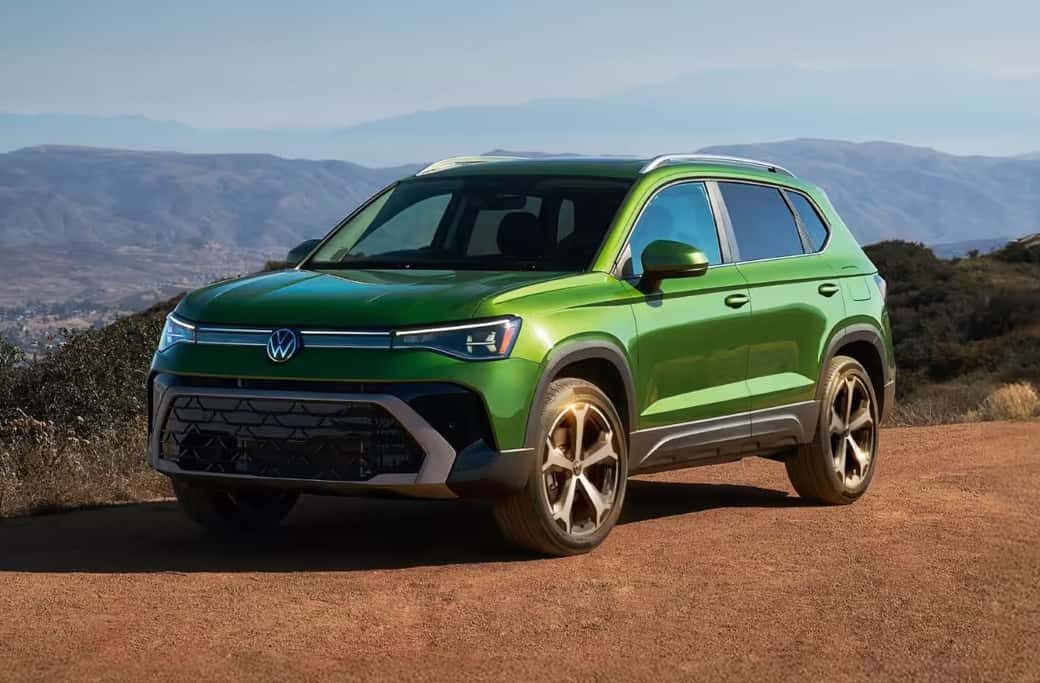
The Volkswagen Taos has quickly become a favorite for drivers seeking a versatile, efficient, and stylish compact SUV. Its agile handling makes navigating tight city streets a breeze, while the spacious cabin comfortably fits passengers and cargo for weekend getaways. Many Rhode Island drivers love the Taos for its perfect blend of daily practicality and light adventure readiness. Because the Taos looks ready for a weekend trip, a common question arises among prospective buyers: can this compact SUV tow a small trailer or camper? If you are planning to haul a boat to the bay or take a pop-up camper into the woods, understanding a vehicle's limits is crucial for your safety and the longevity of your car. To help you make an informed decision, we have put together this comprehensive guide on the 2026 Volkswagen Taos towing capacity. We will look at Volkswagen’s official guidelines, explain the engineering behind these recommendations, and highlight alternative VW models that are perfectly suited for hauling your heavier gear. The Official Stance on Towing with a 2026 Taos When it comes to the 2026 Volkswagen Taos, the manufacturer provides very clear guidance regarding its towing capabilities. The Volkswagen Taos is not rated for towing in the U.S. market. According to the vehicle's owner’s manual, "The Volkswagen Taos is not rated for towing. Volkswagen does not recommend towing a trailer with this vehicle." You might come across third-party websites or forums claiming the Taos can tow up to 1,000 pounds under specific conditions. However, these figures are not manufacturer-certified. Volkswagen does not publish an official towing capacity for this model because it has not been certified for trailer use. Furthermore, installing an aftermarket hitch does not alter the vehicle’s towing status. While a hitch can be useful for certain accessories, adding one will not safely transform the Taos into a tow vehicle. Choosing a vehicle specifically engineered and rated for towing remains the safest option for drivers who need to haul a trailer. Why Doesn't the VW Taos Have a Tow Rating? The absence of a tow rating is a deliberate design choice by Volkswagen. The Taos was engineered from the ground up to excel in efficiency, maneuverability, and urban driving. It delivers exceptional fuel economy and nimble handling, making it a fantastic choice for tight parking lots and daily commutes. Vehicles designed for towing require specific engineering considerations that can add weight and reduce fuel efficiency. For example, tow-rated vehicles typically feature enhanced engine cooling systems to prevent overheating under heavy loads. They also utilize heavy-duty transmission components and stiffer suspensions to handle the extra weight and stress. Pulling a trailer with a Taos can place undue strain on its chassis, engine, and transmission. Towing unrated loads can increase braking distances, create handling instability, and potentially impact your warranty coverage. By focusing on passenger comfort and fuel efficiency instead of towing capability, Volkswagen ensured the Taos excels precisely at what it was built to do. What the 2026 Volkswagen Taos Does Best While you should leave the trailer at home, the 2026 Taos remains an incredibly capable vehicle for a wide variety of tasks. It is exceptionally well-suited for commuting to work, running daily errands, and transporting light cargo. The interior space is surprisingly generous for a compact SUV, offering ample room for passengers to stretch out alongside plenty of luggage space. You can also easily expand its utility without crossing into towing territory. Installing a hitch to use a hitch-mounted bike rack or cargo carrier is a popular option. You can safely mount your bicycles or strap down extra luggage for a road trip, provided you follow the vertical load limits outlined in the owner’s manual. This level of versatility perfectly matches the lifestyle of many Speedcraft VW customers. Whether you are driving through the busy streets of Providence, picking up groceries in Warwick, or taking a scenic drive through Coventry, the Taos delivers a comfortable, tech-forward, and practical driving experience. Top Volkswagen SUV Alternatives for Towing If your lifestyle requires regular or occasional towing, Speedcraft VW offers several fantastic Volkswagen models that are officially rated for the job. For maximum capability and space, the 2026 Volkswagen Atlas and Atlas Cross Sport are premier choices. These family-friendly SUVs are engineered to handle heavier loads, making them ideal for towing small boats, campers, or utility trailers. They also provide massive interior space, ensuring your family travels in complete comfort. If you prefer a smaller footprint but still need towing capability, the 2026 Volkswagen Tiguan is an excellent middle ground. When properly equipped, the Tiguan offers an official towing rating suitable for light-duty hauling. It maintains a compact size while delivering the extra strength needed for your weekend toys. We also offer a diverse lineup of other vehicles to suit any preference. If you are looking to go electric, the ID.4 provides a thrilling, emissions-free ride. For those who prefer classic sedan styling and efficiency, the Volkswagen Jetta remains a top contender. Find Your Next Volkswagen in Wakefield Finding the right vehicle is about matching a car's capabilities to your unique lifestyle. At Speedcraft VW, we are committed to helping you find the perfect fit. Our knowledgeable team takes the time to understand your needs, whether that means prioritizing fuel economy, passenger space, or towing capacity. We pride ourselves on delivering outstanding customer satisfaction from the moment you step onto our lot to the routine maintenance visits in our service center. We invite you to explore our extensive inventory and experience the quality of German engineering firsthand. Making the Right SUV Choice for Your Lifestyle Understanding what your vehicle is designed to do is the first step toward a safe and satisfying ownership experience. The main takeaway is simple: the 2026 Volkswagen Taos is a brilliant, efficient compact SUV, but it is not built for towing. By aligning your expectations with Volkswagen's official guidance, you protect your vehicle from unnecessary wear and ensure your safety on the road. If hauling a trailer is in your future, exploring properly equipped models like the Tiguan or Atlas is the smart move. Visit Speedcraft VW in Wakefield, Rhode Island, today. Our team is ready to walk you through our full lineup, arrange a test drive, and help you drive home in the exact Volkswagen you need. FAQ: 2026 Volkswagen Taos Towing Capacity Is the 2026 Volkswagen Taos rated for towing in the U.S.? No. The 2026 Volkswagen Taos is not rated for towing in the U.S. market, and Volkswagen does not recommend towing a trailer with this vehicle. Always follow the guidance in the official Owner’s Manual. Why doesn’t Volkswagen publish an official towing capacity for the Taos? Volkswagen has not certified the Taos for trailer towing in the U.S., which means there is no manufacturer-approved towing capacity published for this model. This typically relates to testing, durability, and safety requirements for trailer use. Some websites say the Taos can tow up to 1,000 lbs. Is that accurate? Some third-party sources claim the Taos may be able to tow up to approximately 1,000 pounds, but those figures are not manufacturer-certified. Volkswagen does not recommend towing with the Taos, so third-party numbers should not be treated as official specifications. Does adding an aftermarket hitch mean the Taos is approved for towing? No. Aftermarket hitches are available, but installing a hitch does not change the Taos towing status or Volkswagen’s recommendations. A hitch can be used for certain accessories, but trailer towing is not manufacturer-approved. Can I use a hitch on the Taos for a bike rack or cargo carrier? Many owners use a hitch for accessories such as a hitch-mounted bike rack or cargo carrier. These uses rely on vertical load limits rather than trailer towing. Always follow the accessory manufacturer instructions and the vehicle’s load guidance in the Owner’s Manual. What risks come with towing if the vehicle isn’t rated? Towing with a vehicle that is not rated can increase braking distances, add drivetrain and suspension stress, and create handling instability. It may also affect warranty coverage depending on the circumstances. For safe and consistent towing, choose a vehicle that is engineered and officially rated for towing. If I need towing capability, which Volkswagen models should I consider instead? If towing is part of your plans, consider a Volkswagen SUV that is officially rated for towing when properly equipped, such as the Volkswagen Tiguan, Volkswagen Atlas, or Volkswagen Atlas Cross Sport. Tow ratings and equipment vary by model and configuration. Does towing guidance differ in other countries? It can. Vehicle ratings, equipment, and certifications may differ by market due to regulations and testing standards. This article focuses on manufacturer guidance for the U.S. market. What should I check before carrying gear on a Taos hitch accessory? Check the accessory weight, how the load sits behind the vehicle, and the vehicle’s load guidance in the Owner’s Manual. Make sure the accessory is installed correctly and does not block lights, sensors, or the license plate.