

Looking for a compact SUV that blends style, versatility, and affordability? The Volkswagen Taos might be exactly what you need. This stylish crossover has quickly become a favorite among Rhode Island drivers who want a vehicle that can handle everything from daily commutes to weekend adventures. At Speedcraft Volkswagen in Wakefield, we make leasing a VW Taos simple and straightforward. Here's everything you need to know about getting behind the wheel of this popular SUV. Why Lease a VW Taos? Leasing offers several advantages over buying, especially if you prefer driving a newer vehicle with the latest features. When you lease, you typically enjoy lower monthly payments compared to financing a purchase. This frees up your budget for other priorities while still giving you access to a quality vehicle. Another benefit? Flexibility. Lease terms usually run for two to three years, which means you can upgrade to a new model once your lease ends. If you like staying current with technology and safety features, leasing lets you do that without the long-term commitment of ownership. Plus, since you're driving a newer vehicle under warranty, maintenance costs tend to be lower. Many routine services are covered during the lease period, giving you peace of mind on the road. What Makes the VW Taos Stand Out The Taos combines practicality with modern design. Its compact exterior makes it easy to navigate tight parking spaces and busy streets, while the interior offers surprising space for passengers and cargo. Rhode Island drivers appreciate the Taos for its versatility. Need room for groceries, sports equipment, or luggage? The rear seats fold down to create generous cargo space. The elevated seating position gives you better visibility than a sedan, which is helpful during New England winters when road conditions can be challenging. Technology features include an intuitive touchscreen infotainment system, smartphone integration, and available driver-assistance features that make every trip safer and more enjoyable. The fuel-efficient engine also helps keep costs down at the pump. Leasing at Speedcraft Volkswagen We've built relationships with local banks and lenders throughout Rhode Island, which means we can present you with multiple financing options. Our team works to find lease terms that fit your budget and lifestyle.
All
Service
Tips and Info
VW Tiguan
VW Jetta
Local News and Events
Dealership News
VW Atlas
Rhode Island Tourism
FAQ
VW Golf
VW Passat
Safety
VW GTI
VW Golf Alltrack
VW Beetle
VW Golf SportWagen
VW Technology
News
Parts and Accessories
VW News
Vehicle Comparison
Sales Events
VW Golf R
VW e-Golf
VW Touareg
Oil Maintenance Program
Carefree Maintenance Program
Tire Service
Certified Pre-Owned
Tips
Financing
VW ID4
VW Taos
Electric Vehicles
Comparison
Features
College Graduate Program
Concepts
VW Arteon
Accessories
Convertible
fuel efficiency
OEM eStore
VW Atlas Cross Sport
VW CC
Locations
AWD
VW Eos
Warranty
TDI Clean Diesel
VW ID. Buzz
Lease
VW Dealer
VW e_Golf
VW ID.7
Awards
Employment
VW ID.2
When Does Your Vehicle Lease Have Hidden Value?
Vehicle lease equity might sound like financial jargon, but it represents real money in your pocket. Many drivers don't realize their leased vehicle could be worth more than they owe on it, creating an opportunity to cash in before their lease term ends. Lease equity occurs when your vehicle's current market value exceeds the remaining balance on your lease contract. This situation has become increasingly common due to fluctuating used car markets, supply chain disruptions, and changing consumer preferences. Understanding when your lease has equity—and how to capitalize on it—can save you thousands of dollars or help you transition to your next vehicle more affordably. The key lies in knowing what to look for and when to act. Let's explore how to identify lease equity and turn it into a financial advantage. Understanding Your Lease Agreement Basics Before diving into equity calculations, you need to understand the fundamental components of your lease contract. These terms directly impact whether your vehicle will develop equity over time. Capitalized Cost and Depreciation The capitalized cost represents the vehicle's agreed-upon value at lease signing—essentially what you're "buying" for depreciation purposes. This figure includes the vehicle's price plus any additional fees, minus your down payment and trade-in value. Your monthly payments primarily cover depreciation, which is the difference between the capitalized cost and the residual value. Understanding this relationship helps you gauge whether market conditions might create equity opportunities. Residual Value: Your Equity Baseline The residual value is your lease's most critical number for equity calculations. This predetermined amount represents what the leasing company expects your vehicle to be worth at lease end. If market conditions push your vehicle's actual value above this residual, you've got equity. Residual values are set at lease inception based on projected depreciation rates, but market realities don't always align with these projections. Economic disruptions, model discontinuations, or increased demand can create gaps between residual values and actual market values. Market Forces That Create Lease Equity Several factors can boost your leased vehicle's value above its residual, creating equity opportunities you can leverage. Supply and Demand Dynamics Used car shortages drive up values across all vehicle segments. When new car production slows due to chip shortages or other supply chain issues, consumers turn to used vehicles, inflating prices. Popular models in good condition often see the biggest value increases. Electric vehicles present unique equity scenarios. As charging infrastructure expands and gas prices fluctuate, EV demand can surge, pushing lease values well above residuals that were calculated before these market shifts. Model-Specific Factors Certain circumstances can dramatically impact specific models. If your manufacturer discontinues your vehicle or announces significant redesigns, current models may hold value better than expected. Limited edition trims or popular color combinations also tend to retain value. Reliability reputation affects equity potential too. Vehicles known for dependability often maintain higher resale values, especially as they age and newer models potentially face unknown reliability issues. Calculating Your Potential Lease Equity Determining whether you have lease equity requires comparing your vehicle's current market value to your lease payoff amount. Finding Your Lease Payoff Amount Contact your leasing company to get your exact payoff amount. This figure includes your remaining payments plus any fees for early termination. Don't confuse this with your residual value—the payoff amount is typically higher and includes additional costs. Some lease contracts include disposition fees or purchase option fees that affect your total cost. Factor these into your calculations to get an accurate picture of your financial position. Determining Current Market Value Multiple resources can help you establish your vehicle's current worth: Professional Appraisals: Dealerships often provide free appraisals, though they may offer conservative estimates. Get quotes from several dealers, including both your vehicle's brand dealers and general used car dealers. Online Valuation Tools: Websites like Kelley Blue Book, Edmunds, and Cars.com provide market value estimates. Input your exact specifications, mileage, and condition for the most accurate results. Market Research: Check current listings for similar vehicles in your area. Look for cars with comparable mileage, trim levels, and condition to gauge realistic market prices. The Equity Calculation Formula Once you have both figures, the calculation is straightforward: Vehicle Market Value - Lease Payoff Amount = Equity If the result is positive, you have equity. If negative, you're "upside down" on your lease, owing more than the vehicle is worth. Methods to Capture Your Lease Equity When you've confirmed positive equity, several strategies can help you realize this value. Lease Buyout and Resale Purchase your leased vehicle at the residual value, then sell it at market value. This approach gives you maximum control but requires upfront capital and involves sales logistics. Calculate the total cost, including taxes, registration, and any fees. In some states, you'll pay sales tax on the purchase, which reduces your net equity gain. Third-Party Lease Transfers Companies like Carvana, Vroom, and local dealers may purchase your lease directly. They handle the buyout process and pay you the equity difference. While convenient, these services typically offer less than private sale values. Compare offers from multiple buyers. Prices can vary significantly, and some companies specialize in certain vehicle types or price ranges. Early Trade-In Opportunities If you're ready for your next vehicle, use your equity as trade-in value toward a new purchase or lease. This approach simplifies the transaction and may provide tax advantages by reducing the taxable amount of your new vehicle purchase. Negotiate your trade value separately from your new vehicle price to ensure you're getting fair market value for your equity. Maximizing Your Lease Equity Potential Strategic decisions throughout your lease term can preserve or enhance equity opportunities. Vehicle Maintenance and Condition Maintain your vehicle meticulously. Regular service, prompt repairs, and careful driving preserve value better than neglecting maintenance to save money. Document all service work—it adds credibility when selling or trading. Keep your vehicle clean inside and out. Consider professional detailing before appraisals or sales. Small investments in appearance can yield significant returns in equity value. Mileage Management Stay well under your mileage allowance when possible. Low-mileage vehicles command premium prices, potentially creating equity even when similar high-mileage vehicles don't have positive value. If you're approaching your mileage limit, calculate whether early equity capture makes financial sense compared to excess mileage penalties. Market Timing Monitor market conditions throughout your lease. Seasonal demand, economic factors, and industry news all influence vehicle values. Act when market conditions favor your vehicle type. Consider your personal timeline too. If you need a new vehicle anyway, timing your equity capture with your replacement needs maximizes convenience and potential savings. Planning Your Next Move Lease equity provides opportunities, but timing and strategy matter. Start monitoring your vehicle's value about halfway through your lease term. Market conditions can change quickly, and being prepared helps you act when opportunities arise. Consider your long-term transportation needs. If you're happy with your current vehicle, buying it out might make sense. If you prefer newer vehicles, using equity toward your next lease or purchase provides financial flexibility. Understanding lease equity transforms you from a passive lessee to an active participant in the vehicle market. By staying informed about your vehicle's value and market conditions, you can turn your lease into a strategic financial tool rather than just a monthly payment. Remember that lease equity isn't guaranteed—it depends on market conditions, vehicle condition, and timing. However, when opportunities arise, knowing how to recognize and capture this value can significantly impact your automotive finances and put money back in your pocket.

Volkswagen Standard Safety Features
At Speedcraft Volkswagen in Wakefield, RI, we understand that safety is a top priority for every driver. That’s why we’re proud to offer the 2025 lineup of Volkswagen vehicles, which combine sleek design and superior performance with some of the most advanced safety and driver-assistance features on the market. Volkswagen’s Commitment to Safety Volkswagen consistently sets the bar high when it comes to vehicle safety. From the National Highway Traffic Safety Administration (NHTSA) to the Insurance Institute for Highway Safety (IIHS), Volkswagen models often receive some of the top safety ratings across the board. These accolades stem from VW’s dedication to engineering excellence and cutting-edge safety innovation. Whether you’re looking for a sedan, SUV, hatchback, or an all-electric ID. vehicle, Volkswagen offers a range of vehicles designed to prevent accidents and protect passengers. Standard Safety Features on 2025 Volkswagen Models Every 2025 Volkswagen comes equipped with an impressive suite of IQ.DRIVE safety and driver-assistance technologies, ensuring peace of mind during every drive. Here’s what you can expect as standard on the 2025 Volkswagen lineup: Front Assist (Forward Collision Warning & Autonomous Emergency Braking): Alerts you to potential obstacles ahead and automatically applies the brakes if needed to avoid or lessen a collision. Rear Traffic Alert: Helps you reverse safely by detecting vehicles approaching from the sides, with the ability to apply the brakes automatically. Adaptive Cruise Control (ACC): Maintains a safe speed and distance from the car ahead, ideal for highway commutes. Lane Assist: Provides gentle steering assistance for staying within lane boundaries. Emergency Assist: Takes action if it detects that the driver is unresponsive, bringing the car to a controlled stop. Additional Features on Select Trims Some trims or higher-end Volkswagen models also include premium safety enhancements, such as: Blind Spot Monitor: Alerts you to vehicles in your blind spots, making lane changes safer. Park Distance Control: Detects obstacles during parking and provides audible and visual warnings to prevent low-speed collisions. Travel Assist: Combines Adaptive Cruise Control and Lane Assist for semi-automated assistance on the road, reducing driver fatigue. These features ensure that no matter which model you choose, you’ll be driving one of the safest vehicles on the road. Safety Meets Convenience at Speedcraft Volkswagen At Speedcraft Volkswagen, your safety is our priority. Our team is here to answer all your questions about VW’s IQ.DRIVE safety systems and to help match you with the vehicle that best suits your needs. Whether you’re commuting daily, heading out for a road trip, or running your usual errands, Volkswagen vehicles keep you and your loved ones protected every mile of your journey. Visit Speedcraft Volkswagen Today Discover the 2025 Volkswagen lineup at Speedcraft Volkswagen in Wakefield, RI, and see why drivers in Warwick, Providence, and Coventry trust us for exceptional safety, reliability, and service. Stop by our dealership or browse our inventory online to find your next Volkswagen. Book a test drive and experience firsthand how Volkswagen’s safety features bring unmatched peace of mind to your driving experience. Explore Our Inventory Schedule a Test Drive Choose safety, choose Volkswagen. Visit Speedcraft Volkswagen today, where your peace of mind comes standard.

2025 Volkswagen Atlas vs. 2025 Honda Pilot
Looking for a family-friendly SUV that combines performance, comfort, and features? The 2025 Volkswagen Atlas and 2025 Honda Pilot are two of the top contenders for Rhode Island shoppers. Here’s a comparison to help you decide which SUV fits your family’s needs best. Trims and Pricing Volkswagen Atlas Available in five trims (SE, SE with Technology, Peak Edition, SEL, and SEL Premium R-Line), the Atlas starts at $38,200 for the base SE and goes up to $53,205 for the fully loaded SEL Premium R-Line. Its bold styling includes standard adaptive LED headlights, an optional illuminated grille, and a striking athletic stance. Honda Pilot The Pilot offers six trims (Sport, EX-L, TrailSport, Touring, Elite, and Black Edition). While visually appealing with its conservative design, only the rugged TrailSport trim stands out. The base Sport trim starts at $40,200, with the range-topping Black Edition priced at $54,580. Engine Performance and Towing Volkswagen Atlas Powered by a turbocharged 2.0L engine delivering 269 horsepower and 273 lb-ft of torque, the Atlas pairs with an 8-speed automatic transmission. With available AWD and a towing capacity of up to 5,000 pounds, the Atlas is ready for any adventure across Rhode Island, from Newport’s waterfront to the woods of Arcadia. Honda Pilot Equipped with a 3.5L V6 engine producing 285 horsepower and 262 lb-ft of torque, the Pilot’s standard 10-speed transmission offers smooth shifts, though it can feel overly eager in urban driving. With up to 5,000 pounds of towing capacity on AWD models, the Pilot is capable, but not as refined as the Atlas in terms of handling. Fuel Efficiency Both SUVs deliver comparable MPG figures: Volkswagen Atlas: FWD: 20 MPG city / 26 MPG highway AWD: 19 MPG city / 26 MPG highway Honda Pilot: FWD: 19 MPG city / 27 MPG highway AWD: 19 MPG city / 25 MPG highway The Atlas maintains similar efficiency despite its turbocharged powertrain, making it a great option for families commuting across Rhode Island or heading out for a weekend road trip. Interior Comfort and Versatility Volkswagen Atlas The Atlas comfortably seats up to seven passengers (or six with optional captain’s chairs). Even the base SE is packed with premium features like synthetic leather upholstery, heated front seats, and tri-zone climate control. Higher trims add luxury touches like massaging front seats, leather upholstery, driver memory settings, and a panoramic sunroof. Cargo space is another Atlas highlight: 20.6 cubic feet behind the third row 96.6 cubic feet with rear seats folded flat, perfect for hauling gear to Narragansett’s beaches or a family outing to Roger Williams Park Zoo. Honda Pilot Seating for up to eight passengers makes the Pilot appealing, though legroom in the third row is noticeably tighter. Many features, like a heated steering wheel or leather seats, require upgrading to higher-priced trims. Cargo capacity: 18.6 cubic feet behind the third row 87 cubic feet with folded seats, less spacious than the Atlas. Technology and Features Volkswagen Atlas Standard tech includes a 12-inch infotainment touchscreen, digital instrument cluster, wireless smartphone connectivity, USB ports for every row, and a wireless charging pad. Honda Pilot Lower trims come with a smaller 7-inch touchscreen and wired smartphone connectivity. Upgrading to the EX-L trim is required for wireless options, a larger 9-inch touchscreen, and third-row USB ports. Driving Dynamics and Handling Volkswagen Atlas Known for agile handling, the Atlas offers precise steering and impressive cornering grip, making it enjoyable on winding roads near the Rhode Island coastline. Its suspension is tuned to absorb road imperfections, giving passengers a smooth yet controlled ride. Honda Pilot The Pilot delivers a quiet ride and comfortable suspension, but its steering feels less precise, with minimal road feedback. The V6 engine sounds promising during acceleration but may feel sluggish compared to competitors like the Atlas. Which SUV is Right for You? For Rhode Island families wanting a spacious, feature-rich SUV with athletic styling and refined handling, the 2025 Volkswagen Atlas edges out the Honda Pilot. With a lower starting price, a more luxurious standard feature set, and superior cargo capacity, the Atlas is an SUV built for New England adventures. At Speedcraft Volkswagen, you can experience the Atlas for yourself. Visit our Wakefield dealership or contact us today to schedule a test drive. Whether you’re commuting to Providence, exploring Block Island, or tackling snow-covered roads in winter, the Atlas is here to keep your family comfortable and confident. Contact Speedcraft Volkswagen Today! Schedule a Test Drive Now
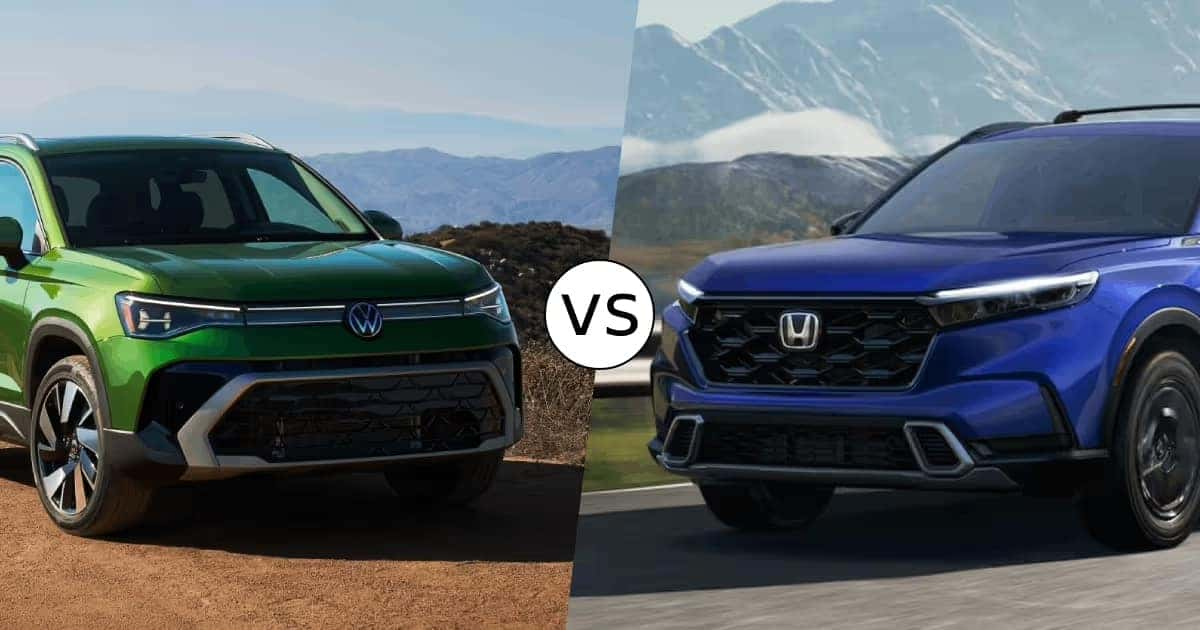
2025 Volkswagen Taos vs. Honda HR-V
If you’re shopping for a compact SUV in Rhode Island, two standout options are the 2025 Volkswagen Taos and the 2025 Honda HR-V. Both offer impressive efficiency, modern features, and practicality for daily drives around Wakefield, Providence, and beyond. But which is the better fit for your lifestyle? This guide, brought to you by Speedcraft Volkswagen, breaks down key aspects like performance, value, and features to help you decide. What Is a Compact SUV? Compact SUVs are designed to combine the best of both worlds, offering the comfort of a sedan with the versatility of an SUV. They’re smaller than midsize SUVs, making them ideal for city driving as well as light off-roading. They provide a higher driving position, more cargo space than sedans, and excellent fuel efficiency, making them a popular choice for Rhode Island drivers. Pricing and Value The 2025 Volkswagen Taos starts at $24,995 for the entry-level S front-wheel-drive (FWD) model, equipped with a turbocharged engine and eight-speed automatic transmission. The 2025 Honda HR-V has a slightly higher starting MSRP of $25,400 for its base LX trim. While the price difference is modest, the Taos offers more competitive warranty coverage and lower ownership costs in the long run. Volkswagen’s four-year/50,000-mile limited warranty and complimentary two-year scheduled maintenance outpace the Honda’s three-year/36,000-mile limited warranty. Maintenance Costs: Over 10 years, the Taos has estimated maintenance costs of $8,114, compared to the HR-V’s $7,492. Keep this in mind when assessing long-term ownership value. Performance and Efficiency Both SUVs offer one engine option, but the performance gap is notable. Volkswagen Taos: 1.5L turbocharged engine with 174 horsepower and 184 lb-ft of torque. It accelerates from 0 to 60 mph in 7.4 seconds, making it ideal for quick merges and highway driving. EPA-estimated fuel economy (FWD): 28 city / 36 highway MPG. Option for 4MOTION® all-wheel drive (AWD) delivers added traction for Rhode Island winters. Honda HR-V: 2.0L engine with 158 horsepower and 138 lb-ft of torque, paired with a continuously variable transmission. It reaches 0 to 60 mph in 9.4 seconds. EPA-estimated fuel economy (FWD): 26 city / 32 highway MPG. The Taos is both faster and more fuel-efficient, making it a better pick for drivers looking to balance performance with economy. Interior and Cargo Space Inside, both the Taos and the HR-V provide seating for five, but the Taos edges ahead in terms of cargo space and passenger comfort. Volkswagen Taos: Cargo space: 27.9 cubic feet (rear seats up), 65.9 cubic feet (rear seats folded). Rear headroom: 39.8 inches. Honda HR-V: Cargo space: 24.4 cubic feet (rear seats up), 55.1 cubic feet (rear seats folded). Rear headroom: 38 inches. Bonus points for the Taos’s available heated and ventilated seats, ambient lighting, and dual-zone climate control, which elevate everyday drives in Wakefield or on scenic New England road trips. Technology and Infotainment Volkswagen Taos: Comes with an 8-inch infotainment system, featuring standard Android Auto™ and Apple CarPlay®. Higher trims offer wireless smartphone integration, built-in navigation, and premium audio options. A subscription-based Wi-Fi hotspot adds convenience. Honda HR-V: The base trim includes a 7-inch touchscreen with Apple CarPlay® and Android Auto®. Higher trims upgrade to a 9-inch screen, but some features, like wireless charging, are not standard across all models. Drivers seeking tech-forward features may find the Taos better equipped to meet their expectations. Exterior and Dimensions The two SUVs are similar in size, but the Taos offers a slightly longer wheelbase than the HR-V at 105.9 inches for FWD models, creating extra room for passengers. Which Compact SUV is Right for Rhode Island Drivers? Choose the 2025 Honda HR-V if you prioritize a tried-and-tested reputation for reliability, minimalist design, and slightly lower maintenance costs. Opt for the 2025 Volkswagen Taos if you value performance, modern technology, and exceptional cargo space and interior features. At Speedcraft Volkswagen in Wakefield, Rhode Island, we’re here to help you experience the advantages of the Volkswagen Taos firsthand. Contact us to schedule a test drive today or visit our dealership to speak with our friendly team. Explore the Taos Inventory Here

What Happens to Your VW Lease or Financing When You Receive a PCS?
A Permanent Change of Station (PCS) comes with its fair share of challenges. Among the countless decisions you need to make, one question might stand out: What should you do with your current Volkswagen lease or loan? At Speedcraft Volkswagen, we proudly support the military community in Wakefield and beyond, and we’re here to provide clear, actionable steps to help you manage this part of your transition. When is an Auto Lease Eligible for Cancellation? Thanks to the Servicemembers Civil Relief Act (SCRA), you may be able to cancel your lease under certain conditions. However, there are restrictions to consider: The SCRA applies only if you’re called to active duty and moving overseas, or to Alaska or Hawaii, for at least 180 days. If your PCS is within the Continental United States (CONUS), the provisions of the SCRA do not apply to your auto lease. How to Cancel Your Volkswagen Lease If you meet the SCRA qualifications, here’s how to cancel your lease: Contact Your Financing Department: Reach out to the company servicing your lease (this could be Volkswagen Credit, a bank, or a credit union). Prepare the Required Documentation: A written letter explaining your lease termination request, including the date the lease should end. A copy of your official military orders. Submit Your Documents: Submit your documentation to the appropriate party as instructed by your finance department. Need guidance? Our Speedcraft Volkswagen team is here to assist you throughout the process. Can I Cancel My Financing Plan? Unfortunately, financing agreements are not covered under the SCRA. You’ll need to continue making payments as scheduled or explore these options: Find a Buyer for your vehicle to transfer the financial obligation. Transport Your Volkswagen to your new station. While this involves costs, it might be worth it if you’ll be stationed there long-term. How to Sell Your Financed Volkswagen Selling your vehicle can alleviate the stress of ongoing payments. You can choose to sell privately, but this can be time-consuming. A quicker option? Bring it to Speedcraft Volkswagen! We Buy All Makes and Models directly at our dealership, saving you the hassle of private sales. With our online trade-in evaluator, you can check your car’s value without leaving home. How Speedcraft Volkswagen Supports Military Families Whether you’re navigating a lease return, selling your financed vehicle, or searching for a new ride, our team is committed to supporting you. We have extensive experience assisting military customers and understand the unique situations a PCS can present. Need Help? Visit Speedcraft Volkswagen Today Managing a PCS doesn’t have to be overwhelming, and your vehicle situation shouldn’t add unnecessary stress. At Speedcraft Volkswagen, we’re honored to serve military families in Rhode Island and beyond. Call or visit us today, and we’ll help you explore your best options. Get Directions | 104 Old Tower Hill Road, Wakefield, RI 02879
Moving Your VW to Another State
Relocating to a new state? Don’t forget to check off all the boxes for your vehicle. Whether you drive a Volkswagen Jetta or a family-sized Atlas, keeping your loan, insurance, and registration up to date is crucial to ensure legal compliance and peace of mind. At Speedcraft Volkswagen, we’ve helped countless drivers confidently transition their cars to a new state. Here’s a quick guide to make your move as smooth as your next drive. 1. Update Your Loan If you’ve fully paid off your loan, you can skip this step. But if you’re still making payments, start by notifying your lender of your new address. Most lenders won’t place restrictions on your move, but some may charge additional taxes or fees depending on the state. Contact your lender directly to review the terms of your loan and check for any stipulations. If you’re leasing your Volkswagen, pay special attention to the terms of your lease agreement. Some may restrict moves across state lines, so it’s always a good idea to confirm with your leasing company beforehand. 2. Update Your Insurance Car insurance regulations vary by state, which means moving could require you to adjust your policy. Some insurers may not operate in your new state, and others might offer different rates or coverage options depending on local requirements. Plan to shop around for car insurance that complies with your new state’s minimum coverage requirements. Be proactive, as your premiums and coverage may change based on state laws and risk factors. 3. Register Your Car Most states offer a grace period for registering your vehicle after you move. But don’t delay too long! You’ll need to update both your car registration and driver’s license as soon as possible. Here are some steps to guide you: Check if your new state allows you to update your license and registration simultaneously at the DMV. Be prepared to retake the written portion of your driving test in certain states. Ensure your car meets local emission standards. Need help? Schedule an emissions inspection with Speedcraft Volkswagen today. Don’t forget to check the registration fees and payment process in your new state. DMV processes can vary, so knowing what to expect before visiting can save you time and frustration. Get Support from Speedcraft Volkswagen Relocating doesn’t have to be stressful! By updating your loan or lease, adjusting your insurance, and registering your car correctly, you can be road-ready in no time. Have questions about your vehicle or need a pre-move checkup? The service experts at Speedcraft Volkswagen are here to assist!
2025 VW ID.4 Technology
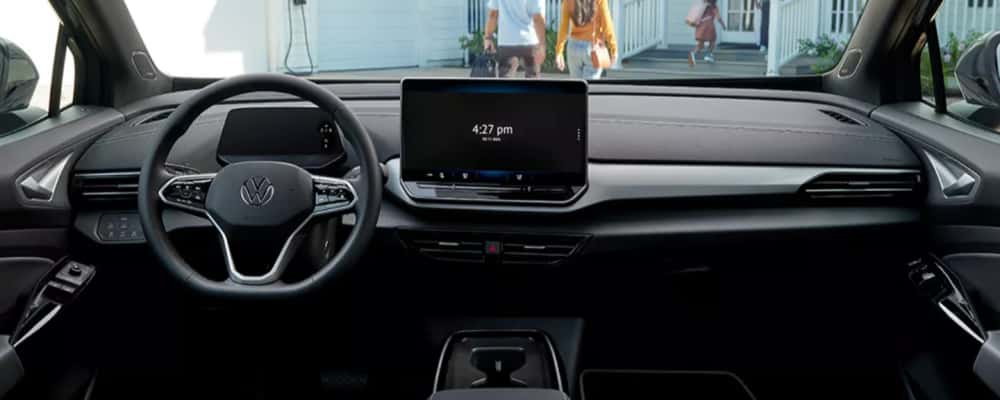
2025 Volkswagen ID.4 Technology The all-electric 2025 Volkswagen ID.4 is a game-changer, seamlessly blending cutting-edge technology with exceptional design. Known for its efficient electric powertrain, this innovative SUV also comes packed with advanced driver-assist features and infotainment options, making every drive around Wakefield, Providence, and Warwick both exciting and worry-free. Curious to learn what sets this EV apart? Explore its standout safety features, top-tier infotainment, and more below! View New Inventory | Value Your Trade 2025 Volkswagen ID.4 Safety Rating & Features Safety is at the core of Volkswagen’s mission, and the 2025 ID.4 exceeds expectations. Proudly earning a five-star safety rating from the National Highway Traffic Safety Administration (NHTSA), this SUV performed exceptionally in both frontal and side crash tests. The impressive safety rating stems from the assortment of standard, innovative driver-assist technologies included in every ID.4 trim level. Here's a glance at some of these features: Standard Volkswagen ID.4 Safety Features: Automatic LED headlights and Daytime Running Lights Anti-Theft Immobilizer Adaptive Cruise Control Dynamic Road Sign Display Forward Collision Warning Autonomous Emergency Braking with Pedestrian & Cyclist Monitoring Lane Change System (Side Assist) High Beam Control Park Assist Plus with Memory Parking and Rear Park Distance Control Rearview Camera System Travel Assist Lane Assist Emergency Assist Want even more safety features? Upgrade your trim level for access to advanced options like the Adaptive Front Lighting System (AFS) for enhanced visibility on the road. 2025 Volkswagen ID.4 Infotainment Technology Inside the 2025 Volkswagen ID.4, you’ll discover a suite of infotainment upgrades designed to keep you connected and entertained on the go. Each trip, whether you're heading to Newport or exploring Wakefield, gets an instant upgrade with these standard features: Volkswagen ID.Cockpit Digital Instrument Display 12.9-inch Touchscreen Infotainment Display Built-in Navigation System FM/HD Radio App-Connect® Smartphone Integration VW Car-Net® Services 3-Month SiriusXM® Trial Subscription Wireless Device Charging Looking to turn up the sound? Opt for a higher trim and treat yourself to the Harman Kardon® Premium Audio System, complete with a center speaker and subwoofer for unmatched sound quality. Schedule a Test Drive at Speedcraft Volkswagen Want to feel the thrill of the 2025 Volkswagen ID.4 yourself? Visit Speedcraft Volkswagen in Wakefield, RI, and experience the future of driving firsthand. Contact us online or call our team at (401) 783-3300 to schedule your test drive today. Whether you’re exploring the streets of Providence or heading out for a weekend adventure, the Volkswagen ID.4 is ready to take you there.
Things Your Volkswagen Warranty Won’t Cover
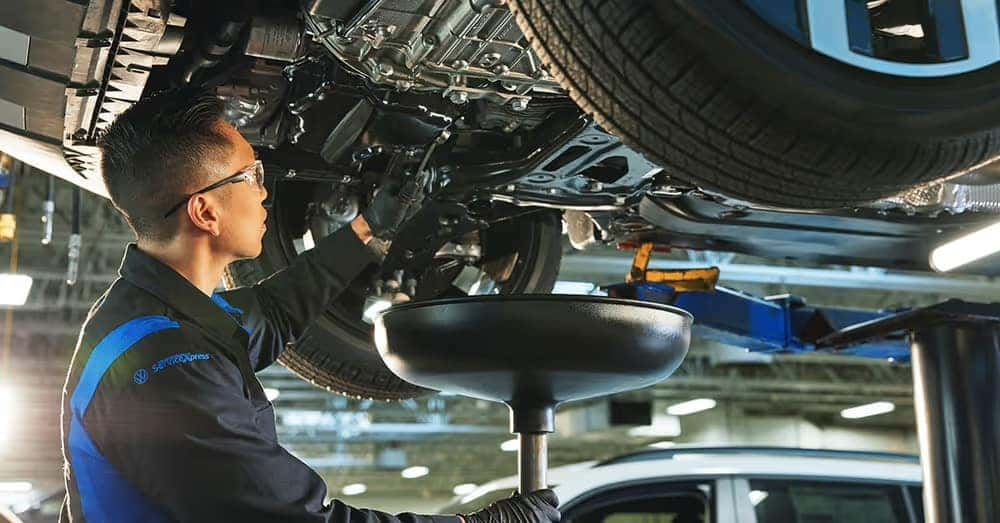
At Speedcraft Volkswagen, we want you to feel confident in your investment. That’s why knowing what your Volkswagen warranty includes is just as important as understanding what it doesn’t. While your warranty covers a broad range of mechanical components, certain exclusions might catch you off guard. Here, we’ll explore five common scenarios where your Volkswagen warranty won’t apply. What the Volkswagen Warranty Covers Volkswagen’s New Vehicle Limited Warranty provides excellent coverage for your vehicle. With a duration of 4 years or 50,000 miles (whichever comes first), it includes a bumper-to-bumper warranty and protection for most mechanical systems, including the engine, transmission, and drivetrain. Plus, you’ll enjoy 2 years of complimentary scheduled maintenance and 24-hour roadside assistance for extra peace of mind. But while this warranty is comprehensive, it doesn’t cover everything. 1. Typical Wear and Tear Certain parts of your vehicle are designed to wear out over time and are therefore not covered under your warranty. Examples include tires, which endure the stress of high-speed driving, and parts like belts or spark plugs that naturally degrade with use. Replacement of these components is considered routine upkeep and falls outside the warranty’s protections. 2. Routine Maintenance Day-to-day maintenance is a necessary part of owning a vehicle, and your warranty doesn’t cover it. Services like oil changes, tire rotations, and battery capacity testing are considered standard maintenance tasks. While your first two years of scheduled maintenance may take the edge off these costs, ongoing maintenance responsibility will eventually fall to you. 3. Neglect and Abuse Thinking of tackling a DIY repair project? Be cautious. Any damage caused by neglect or improper handling could void your warranty. If you want to keep your coverage intact, it’s wise to rely on an authorized Volkswagen service center, like Speedcraft Volkswagen, to diagnose and address any vehicle issues. 4. Cosmetic Fixes If your vehicle needs bodywork after an accident or you’re dreaming of a fresh paint job, it’s important to note that cosmetic changes aren’t included in your warranty coverage. However, the team at Speedcraft’s Collision Center is here to help, whether it’s navigating insurance claims or handling necessary cosmetic repairs. 5. Issues From Installation Errors Installing an aftermarket part doesn’t automatically void your warranty, but any problems caused by that part or its installation won’t be covered. For example, if a faulty part or an unauthorized service center causes damage, you’ll be footing the repair bill. To safeguard your investment, always use Volkswagen-certified parts and technicians for any modifications or repairs. Stay Protected with Speedcraft Volkswagen Whether you’re heading out on a long road trip or handling your daily commute in Wakefield or Providence, understanding your Volkswagen warranty can help you make informed decisions about maintenance, repairs, and protection plans. Got questions about your coverage? The service team at Speedcraft Volkswagen is here to help. Reach out to us today to review your warranty details and learn about additional ways to protect your vehicle for the long term. Contact Us | Schedule Maintenance
2025 Volkswagen Atlas vs. Mitsubishi Outlander
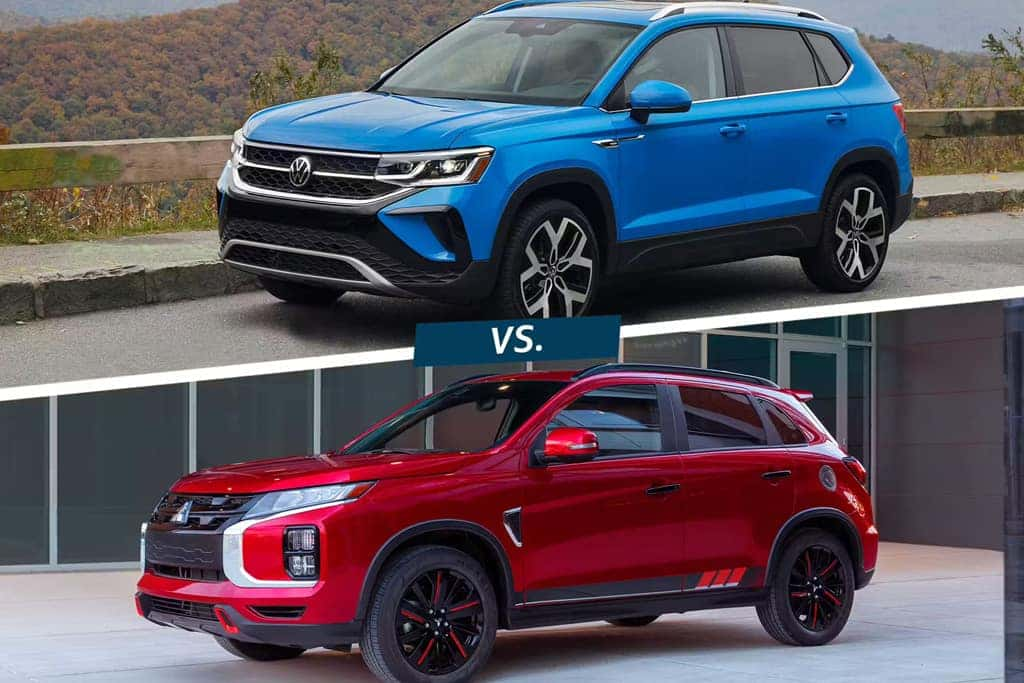
If you're in the market for a spacious, family-friendly SUV this year, the 2025 Volkswagen Atlas and the Mitsubishi Outlander are likely to be on your radar. Both models feature third-row seating, modern technology, and striking designs. That said, they differ significantly in performance, comfort, and overall experience. Here at Speedcraft Volkswagen, we break down the crucial differences to showcase why the 2025 Volkswagen Atlas stands out. Performance Looking for an SUV with exhilarating performance? The 2025 Volkswagen Atlas delivers 269 horsepower and 273 lb-ft of torque, far outpacing the 181-horsepower Mitsubishi Outlander. Plus, with the available 4MOTION® AWD system, the Atlas offers a smoother, steadier drive, whether you’re trekking through snow or taking a weekend road trip through Rhode Island. Cargo Space When it comes to cargo capacity, the Volkswagen Atlas shines. With all three rows in place, you get a roomy 20.6 cubic feet of space in the rear compared to just 10.9 cubic feet in the Outlander. Need to haul larger loads? Fold down the rear seats to unlock an impressive 96.8 cubic feet of storage in the Atlas vs. only 64.3 cubic feet in its rival. The Atlas ensures there’s more than enough room for all your family adventures. Towing Capacity Planning to tow a camper, trailer, or small boat? The Volkswagen Atlas is more than up to the task with its 5,000-pound maximum towing capacity and available trailer hitch. The Mitsubishi Outlander, by comparison, comes with just 2,000 pounds of towing power, making the Atlas the clear choice for heavy-duty towing needs. Technology Features The 2025 Volkswagen Atlas simplifies modern life with its standard wireless charging pad. Forget cords and plugs; keep your phone fully charged while on the go. The Outlander, on the other hand, only offers wireless charging as an optional feature. The Atlas takes convenience one step further by delivering a more seamless tech integration overall. Safety Innovations Both SUVs offer advanced safety systems to protect drivers and passengers. However, only the Atlas features the exclusive VW IQ.Drive® system with Emergency Assist™, a cutting-edge technology that detects driver incapacitation. If necessary, the system safely pulls the vehicle over and contacts emergency services on your behalf, keeping you and your loved ones safer in unexpected situations. Experience the Atlas at Speedcraft Volkswagen in Wakefield, RI While the 2025 Mitsubishi Outlander is a strong contender in its class, the 2025 Volkswagen Atlas offers superior performance, generous cargo room, advanced technology, and innovative safety features that set it apart. Perfect for families and adventurers alike, the Atlas ensures every drive is a step above. Stop by Speedcraft Volkswagen in Wakefield, RI, today to explore the 2025 Volkswagen Atlas in person. Schedule your test drive now and experience firsthand what makes this SUV the ultimate choice for your next vehicle. Shop the 2025 Volkswagen Atlas Now

Why Choose a Certified Pre-Owned Volkswagen?
The Best of Both Worlds Here at Speedcraft Volkswagen, we provide a wide range of vehicles, from brand-new models to high-quality pre-owned options. However, if you're looking for the perfect mix of value, reliability, and modern features, our Certified Pre-Owned (CPO) Volkswagen vehicles might just be the ideal choice. Whether you need a fuel-efficient car for daily commutes or a spacious, family-friendly SUV to explore Rhode Island, our CPO inventory has something designed to suit your needs. CPO Volkswagen Benefits Not quite ready to purchase a brand-new model? A Certified Pre-Owned Volkswagen offers plenty of perks, giving you the peace of mind you deserve, along with access to advanced features and state-of-the-art technology. Here’s why choosing a CPO Volkswagen is a smart choice: Model-Specific Limited Warranty Coverage 2 Years of 24-Hour Roadside Assistance Thorough 100+ Point Dealer Inspection Detailed CARFAX® Vehicle History Report™ SiriusXM® Platinum Plan Trial Subscription With benefits like these, you can drive confidently knowing your Volkswagen has been rigorously inspected and is backed by a comprehensive warranty. Warranty Details for CPO Volkswagen Models Each Certified Pre-Owned Volkswagen comes with extensive warranty coverage, depending on the model year: Model Year 2019 Vehicles 1-year/12,000-mile Comprehensive Limited Warranty (whichever comes first) Model Year 2020 and Newer Gasoline Vehicles 2-year/24,000-mile Comprehensive Limited Warranty (whichever comes first) Electric Vehicles (MY 2019 and Newer) 3-year/36,000-mile Comprehensive Limited Warranty (whichever comes first) To learn more about warranty coverage and exclusions, check out the details in the owner's literature or contact our team. Experience Certified Pre-Owned at Speedcraft Volkswagen At Speedcraft Volkswagen in Wakefield, RI, we take pride in offering exceptional vehicles for our community. From helping you find the perfect CPO model to walking you through the warranty coverage, we’re here to ensure a seamless and hassle-free experience. If you’d like to explore our Certified Pre-Owned Volkswagen inventory, schedule a visit today. We’re standing by to answer your questions and help you drive away with a vehicle you’ll love. Start your adventure now at Speedcraft Volkswagen! View CPO Inventory | Contact Us Disclaimer: Repairs covered by the limited warranty will be performed at no additional charge after a deductible of $50 per dealer visit. See owner's literature or dealer for warranty terms and conditions. Roadside Assistance is provided by a third-party vendor and may require additional payment for services rendered. Review limitations in owner's literature.
Top 10 Reasons Your Car Won’t Start in Hot Weather
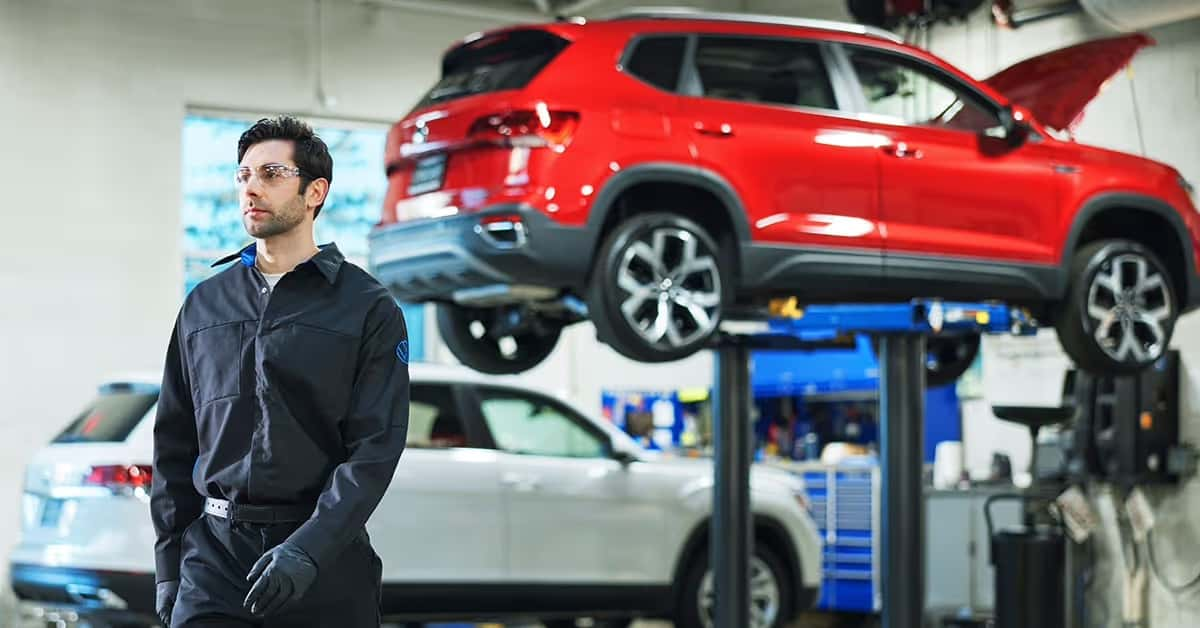
When summer temperatures rise, your car might have trouble starting, even though most people assume starting issues are a winter problem. At Speedcraft Volkswagen in Wakefield, RI, we’ve seen it all, and we’re here to help you understand why your vehicle might refuse to start in the heat. If your car is dealing with any of the problems below, our expert technicians are ready to diagnose and resolve the issue quickly for you. Common Hot Weather Starting Issues 1. Battery Heat Stress Intense heat causes battery fluid to evaporate, which can lead to damaged internal components and a reduced battery lifespan. This might result in a weaker charge or even complete battery failure. 2. Vapor Lock Hot weather may cause fuel in the lines to vaporize before it reaches your engine. Known as vapor lock, this disrupts the fuel supply and prevents combustion, making it difficult or impossible to start your car. 3. Faulty Starter Motor High temperatures can expand metal parts in your starter motor, creating additional resistance. This can cause the motor to struggle with cranking the engine. 4. Bad Crankshaft Position Sensor The heat can worsen wear or cause malfunctions in the crankshaft position sensor, especially if it’s located near hot engine parts. Without this sensor, the engine’s computer won’t detect crank position, which halts ignition. 5. Fuel Pump Overheating Electric fuel pumps can overheat, especially in high temperatures or if your fuel level is low. This can disrupt fuel delivery to the engine, preventing the car from starting. 6. Ignition Coil Failure Prolonged heat exposure can degrade ignition coils and wiring, causing misfires or a complete lack of spark. Without a spark, the engine won’t start. 7. Overheated Engine If your engine overheats and shuts off, it might not restart until it cools down. Some sensors may even prevent ignition as a precaution to avoid further engine damage. 8. Low Fuel Pressure Hot weather can stress your fuel system, leading to small leaks or reduced fuel pressure. Without adequate fuel reaching the engine, starting becomes problematic. 9. ECU or PCM Malfunction The heat may temporarily disrupt your car’s engine control unit (ECU) or powertrain control module (PCM), causing ignition and fuel injection issues. 10. Poor Electrical Connections Extreme heat can corrode or expand metal contacts in fuses, relays, and wires. Weak connections prevent critical systems from functioning, which can stop your car from starting. Protect Your Vehicle from Heat-Related Starting Problems Hot weather can do more than make your commute uncomfortable; it can seriously challenge your car’s performance. Whether you’re planning a summer road trip or just heading to work, don’t get stranded by preventable issues. Bring your car to Speedcraft Volkswagen’s service center in Wakefield, RI, for a thorough inspection by our team of certified technicians. We’ll ensure everything under the hood is in top shape, so you can enjoy a smooth ride all summer long. Schedule Your Service Today