
Blog

All Service Tips and Info VW Tiguan VW Jetta Local News and Events Dealership News VW Atlas Rhode Island Tourism FAQ VW Golf VW Passat Safety VW GTI VW Golf Alltrack VW Beetle VW Golf SportWagen VW Technology News Parts and Accessories VW News Vehicle Comparison Sales Events VW Golf R VW e-Golf VW Touareg Oil Maintenance Program Carefree Maintenance Program Tire Service Certified Pre-Owned Tips Financing VW ID4 VW Taos Electric Vehicles Comparison Features College Graduate Program Concepts VW Arteon Accessories Convertible fuel efficiency OEM eStore VW Atlas Cross Sport VW CC Locations AWD VW Eos Warranty TDI Clean Diesel VW ID. Buzz Lease VW Dealer VW e_Golf VW ID.7 Awards Employment VW ID.2
2026 VW Tiguan

What’s New in the 2026 VW Tiguan?

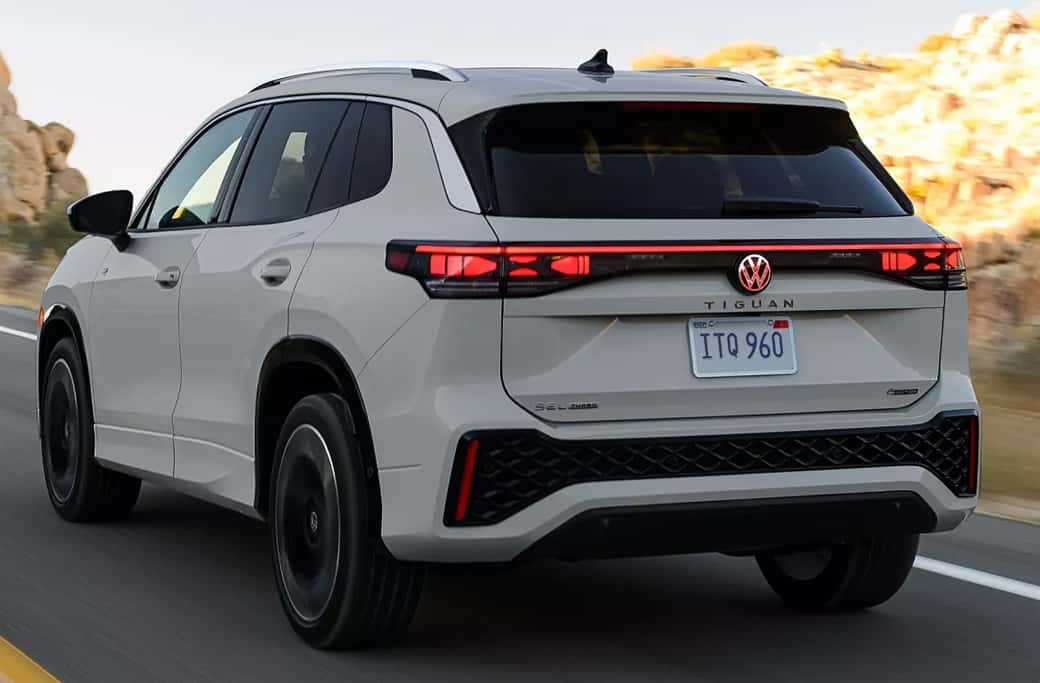
There is a multitude of reasons why the Volkswagen Tiguan remains a favorite among Rhode Island drivers. From its surprisingly spacious cabin and excellent fuel efficiency to its generous array of standard features, this compact SUV delivers premium value at an accessible price. As the best-selling SUV in the VW lineup, the 2026 model is shaping up to be the ultimate daily driver for families in Wakefield, Providence, Warwick, and beyond. If you are searching for the perfect compact SUV to navigate New England roads, here is why the 2026 Tiguan should be at the top of your list when you visit Speedcraft Volkswagen. What’s New for the 2026 VW Tiguan? Following a massive redesign for its third generation in 2025, the 2026 Tiguan carries over its cutting-edge aesthetic with one highly anticipated addition: a brand-new trim level boasting a more powerful engine. The new Tiguan SEL R-Line Turbo introduces a highly tuned 2.0-liter turbocharged engine, generating an impressive 268 horsepower and 258 pound-feet of torque. This gives local drivers a thrilling boost in acceleration and power. Additionally, all 2026 models now feature an enhanced Travel Assist system, seamlessly allowing drivers to initiate on-the-fly lane changes on the highway. 2026 VW Tiguan Trims and Pricing With the introduction of the SEL R-Line Turbo, Speedcraft VW offers four distinct trims to match your lifestyle and budget: Volkswagen Tiguan S: $30,805 Volkswagen Tiguan SE: $33,605 Volkswagen Tiguan SE R-Line Black: $37,245 Volkswagen Tiguan SEL R-Line Turbo: $43,085 Performance for Rhode Island The S, SE, and SE R-Line Black trims are equipped with a dependable 2.0-liter engine producing 201 horsepower and up to 221 pound-feet of torque, paired with a smooth 8-speed automatic transmission. You can choose between standard front-wheel drive (achieving an estimated 26 mpg city/34 mpg highway) or upgrade to 4MOTION® all-wheel drive—a must-have for snowy Rhode Island winters. For those craving more power, the SEL R-Line Turbo features a larger turbocharger and robust engine components, adding 67 horsepower to your commute. It also comes standard with 4MOTION® AWD. All models include Driving Mode Selection (Normal, Eco, Sport, and Individual), while 4MOTION® variants add Active Control for Onroad, Snow, Offroad, and Offroad Custom driving dynamics. Spacious Two-Row Dimensions The current-generation Tiguan is designed exclusively as a two-row SUV, maximizing headroom, legroom, and cargo space for up to five passengers. Length: 184.4 inches Wheelbase: 109.9 inches Width: 73.0 inches Height: 66.1 inches (FWD), 66.5 inches (4MOTION®) Passenger volume: 103.8 cubic feet Cargo volume (behind rear seats): 33.8 cubic feet Cargo volume (behind front seats): 69.8 cubic feet Premium Interior and Advanced Tech Even at the base trim, the 2026 Tiguan feels remarkably upscale. Standard equipment includes a 10.25-inch Digital Cockpit Pro and a massive 12.9-inch center touchscreen. Stay connected effortlessly with wireless Apple CarPlay® and Android Auto™, wireless device charging, and VW’s Plus Speech with AI voice assistant. Higher-tier trims elevate the experience further with a 15.0-inch display, a head-up display, adjustable ambient lighting, and a premium Harman Kardon® sound system. Uncompromised Safety with IQ.DRIVE Safety is paramount, and Volkswagen’s IQ.DRIVE suite comes standard on all 2026 Tiguan models to keep your family secure. Standard features include: Adaptive Cruise Control (ACC) Stop and Go Travel Assist (with assisted lane changing) Front Assist (Forward Collision Warning and Automatic Emergency Braking with Pedestrian Monitoring) Lane Assist Emergency Assist Test Drive the 2026 Tiguan at Speedcraft VW Ready to get behind the wheel? As a Rhode Island owned and operated dealership, Speedcraft Volkswagen is here to help you find the perfect vehicle. Stop by our showroom at 104 Old Tower Hill Road in Wakefield, RI, or contact our sales team to schedule your 2026 Tiguan test drive today! Frequently Asked Questions What is the towing capacity of the 2026 Tiguan? Front-wheel-drive models can tow up to 1,500 pounds, while 4MOTION® AWD models can handle up to 1,800 pounds. Does the 2026 Tiguan have a third row? No, the Tiguan is now sold exclusively as a spacious two-row SUV, providing maximum cargo capacity and passenger comfort. What colors are available? You can choose from Platinum Gray Metallic, Pyrite Silver Metallic, Deep Black Pearl, Opal White Pearl, Monterey Blue Pearl, Avocado Green Pearl, Sandstone Uni, and Pure White.
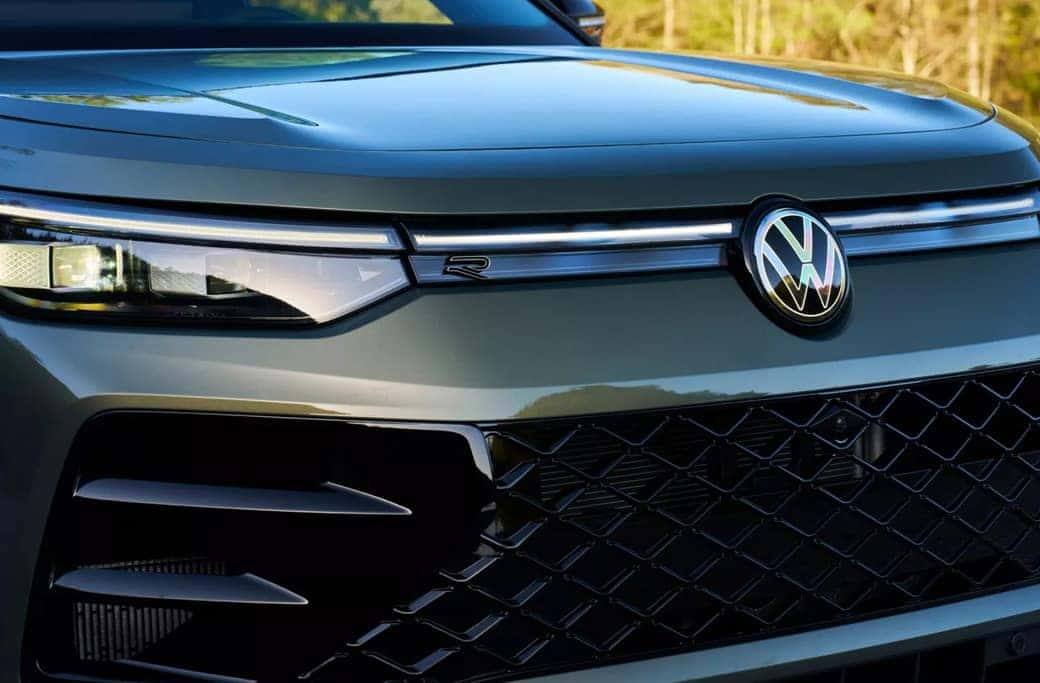
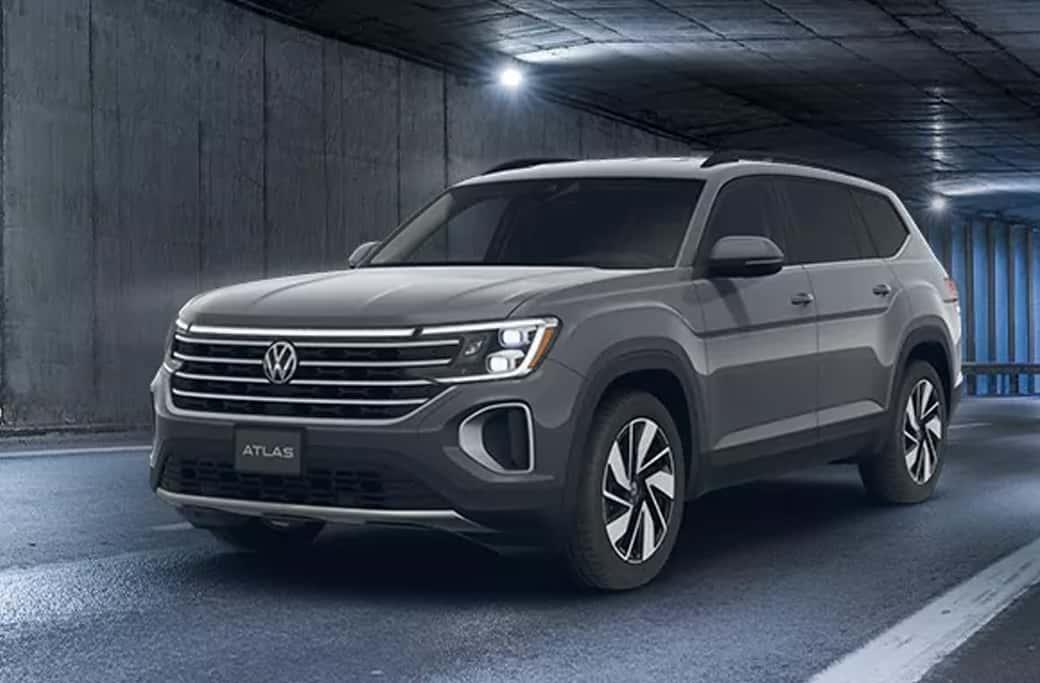
2026 Volkswagen Atlas vs. Hyundai Palisades

2026 Volkswagen Atlas vs. Hyundai Palisades

If you are searching for a spacious and family-friendly SUV equipped with modern technology and dependable performance, the 2026 Volkswagen Atlas and the 2026 Hyundai Palisade are likely at the top of your list. Both vehicles offer three rows of seating, ample cargo capacity, and premium features. But which one is the ultimate fit for your daily drives around Warwick, Providence, and Coventry? Let’s break down the differences between these two capable SUVs so you can make an informed decision before visiting Speedcraft Volkswagen in Wakefield, RI. Head-to-Head: 2026 Volkswagen Atlas vs. 2026 Hyundai Palisade The 2026 Volkswagen Atlas is a midsize SUV offering comfortable seating for seven, while the Hyundai Palisade seats seven or eight depending on the trim. Both vehicles provide flexible cargo space, but their approaches to design, performance, and features distinctly set them apart. The 2026 Volkswagen Atlas is ideal if you value: Class-leading interior room and cargo space Classic, refined SUV styling Highly intuitive infotainment and connectivity Exceptional value for growing families A turbocharged four-cylinder engine available in FWD or AWD The 2026 Hyundai Palisade is a solid option if you prefer: A bold, aggressive exterior redesign V6 engine performance An eight-passenger seating configuration option Performance and Capability Every 2026 Volkswagen Atlas is powered by a robust turbocharged 2.0-liter four-cylinder engine paired with an eight-speed automatic transmission, delivering 269 horsepower and 273 lb-ft of torque. Front-wheel drive comes standard on the base SE trim, but VW's 4MOTION all-wheel drive is available for drivers who want extra traction during New England winters. Properly equipped, the Atlas can tow up to 5,000 pounds. It also offers excellent fuel efficiency, yielding an EPA-estimated 20 MPG city and 27 MPG highway for FWD models. The 2026 Hyundai Palisade features a 3.5-liter V6 engine producing 287 horsepower and 260 lb-ft of torque. Like the Atlas, it can tow up to 5,000 pounds and offers both FWD and AWD options. However, its fuel economy falls slightly short of the Atlas, offering a combined 21 MPG for FWD models and 20 MPG for AWD versions. Cabin Technology and Comfort Inside the 2026 Atlas SE, you will find a highly advanced 10.25-inch digital gauge cluster and a 12.0-inch touchscreen infotainment system. Standard tech includes Apple CarPlay, Android Auto, wireless device charging, a Wi-Fi hotspot, and multi-zone automatic climate control. When it comes to space, the Atlas truly shines. Its third row comfortably accommodates full-size adults—a rarity in this class. You get 21 cubic feet of cargo space even with all seats up, which expands to a massive 97 cubic feet when the second and third rows are folded flat. Standard comfort features include durable synthetic leather upholstery, heated and ventilated front seats, and a heated steering wheel. The Palisade offers a 12.3-inch touchscreen and features similar tech integration. While it provides a comfortable cabin, its maximum cargo capacity maxes out at 87 cubic feet, making the Atlas the clear winner for families hauling sports gear, luggage, or groceries. Advanced Safety Features Both SUVs prioritize your family's safety with standard features like Forward Automatic Emergency Braking, Blind-Spot Monitoring, and Adaptive Cruise Control. However, the 2026 Atlas goes a step further with additional standard driver-assistance technology, including Travel Assist, Lane Keep Assist, Rear Cross-Traffic Alert, and Rain-Sensing Windshield Wipers, giving you ultimate peace of mind on Rhode Island highways. Why Choose the 2026 VW Atlas at Speedcraft Volkswagen? While both vehicles have their merits, the 2026 Volkswagen Atlas edges out the competition with its superior cargo capacity, adult-friendly third row, better fuel economy, and comprehensive suite of standard safety features. Plus, its timeless design ensures it looks great in any driveway. Ready to upgrade your family's ride? Visit Speedcraft Volkswagen, a Rhode Island owned and operated dealership located at 104 Old Tower Hill Road in Wakefield, RI. Our team is ready to help you explore the 2026 Atlas, take a test drive, and find the perfect financing or lease option to fit your lifestyle.

2026 VW Jetta FAQ

2026 VW Jetta FAQ

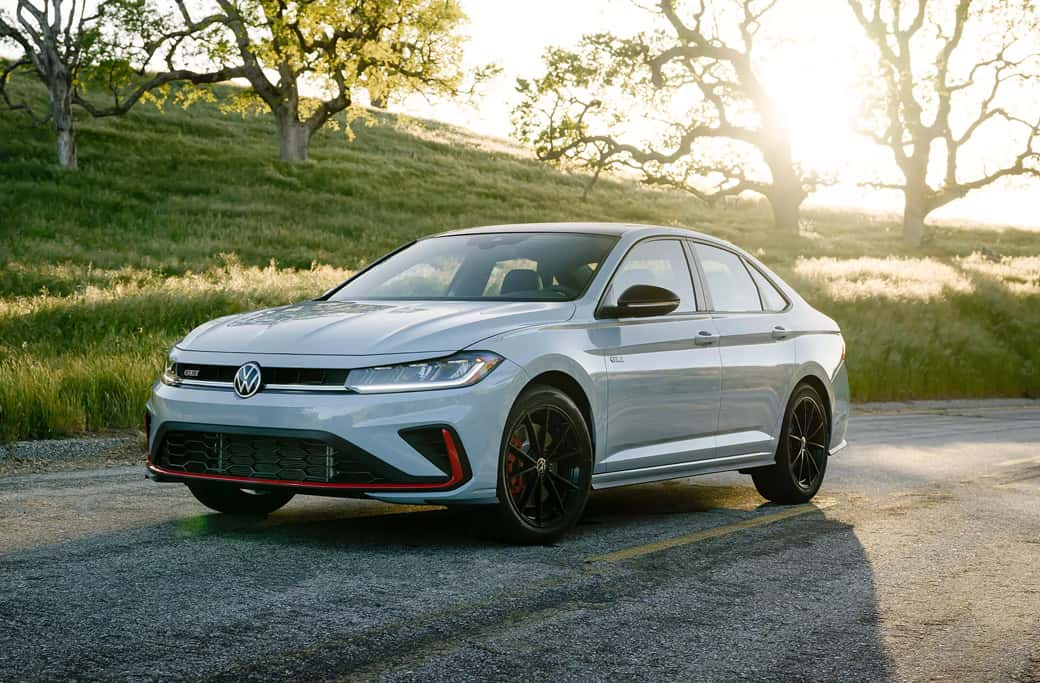
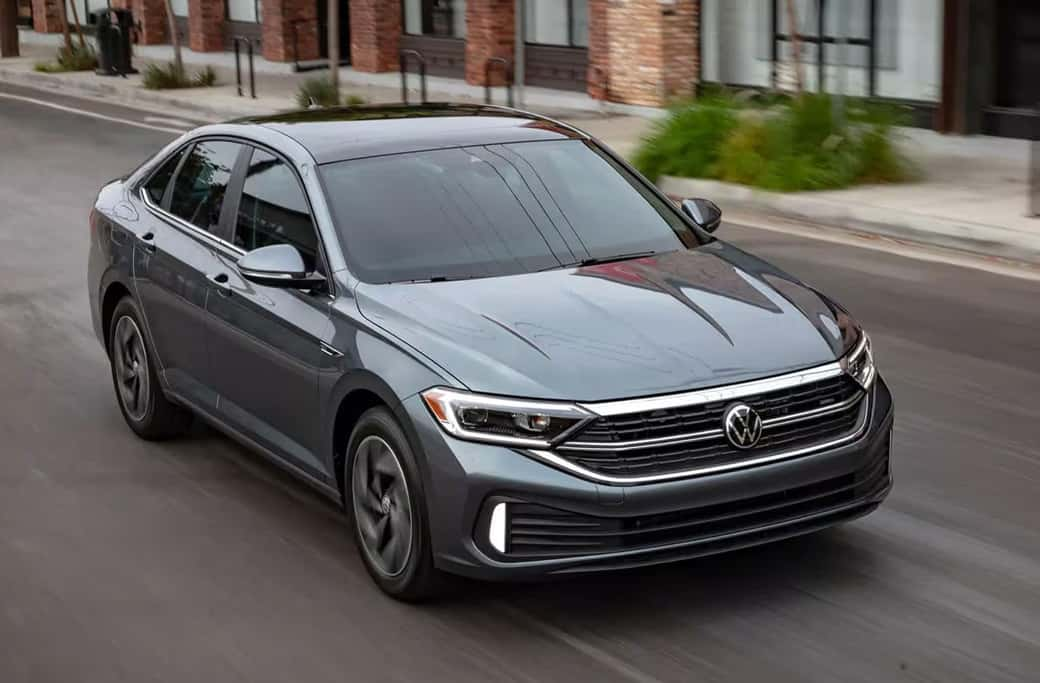
The Volkswagen Jetta has long been a staple on Rhode Island roads. For the 2026 model year, this classic compact sedan carries over the stunning interior and exterior redesign introduced in 2025. It offers a perfect blend of reliability, comfort, and sleek design. Drivers across our local community appreciate how easily it handles both daily commutes and weekend coastal trips. At Speedcraft VW, we are excited to showcase everything this refined car has to offer. Key Features and Performance The 2026 Jetta maintains the significant upgrades from last year while keeping performance front and center. Most trims are powered by a standard 1.5-liter turbocharged four-cylinder engine. This setup produces a peppy 158 horsepower and pairs exclusively with a smooth-shifting eight-speed automatic transmission. Drivers looking for an extra thrill will gravitate toward the Jetta GLI Autobahn. This performance-oriented model steps up to a 2.0-liter turbocharged engine generating an impressive 228 horsepower. Enthusiasts will also love that the GLI remains the only trim offering an available six-speed manual transmission. 2026 Jetta Trim Levels and Pricing We offer a variety of configurations to match your driving habits and budget. Here is a breakdown of the starting MSRPs and key features for the 2026 lineup. Jetta S Starting around $25,270, the base model is exceptionally well-equipped. It includes 16-inch alloy wheels, bright LED headlights, and a highly responsive 8-inch digital cockpit. Jetta Sport With a starting price of $26,580, the Sport trim brings an aggressive edge to the sedan. It adds 17-inch wheels, bold black exterior trim, and the XDS Cross Differential System to improve cornering and handling. Jetta SE Priced from $28,170, the SE focuses on comfort and convenience. New for 2026, it now features a standard sunroof. You also get wireless phone charging and premium leatherette seating. Jetta SEL Starting at $31,270, the SEL trim delivers a true luxury experience. It boasts ventilated front seats, heated rear seats, built-in navigation, and the expanded 10.25-inch Digital Cockpit Pro. Jetta GLI Autobahn At $35,020, the GLI Autobahn is the ultimate performance model. It combines the upgraded 2.0-liter engine with exclusive sport-tuned mechanics and high-end interior finishes. 2026 VW Jetta Frequently Asked Questions What is new for the 2026 model year? While 2025 saw a major redesign, 2026 introduces excellent standard equipment upgrades. Wireless Apple CarPlay and Android Auto now come standard across all trim levels. The SE trim gains a standard sunroof, and the top-tier SEL and GLI models receive a newly upgraded eight-speaker premium audio system. What is the fuel economy? The standard 1.5-liter engine is highly efficient, earning an EPA-estimated 29 mpg in the city and 40 mpg on the highway. If you opt for the performance-focused GLI with a manual transmission, you can expect roughly 26 mpg city and 36 mpg highway. Is all-wheel drive (AWD) available? No. All 2026 Jetta models, including the GLI, operate exclusively on a front-wheel-drive (FWD) platform. What safety features come standard? Every 2026 Jetta includes Volkswagen's IQ.DRIVE suite of advanced safety features. This comprehensive package features: Travel Assist: Semi-automated driving assistance. Adaptive Cruise Control: Maintains a safe distance from the car ahead. Lane Assist: Helps keep the vehicle centered in its lane. Front Assist: Forward collision warning with autonomous emergency braking. How much cargo space is in the trunk? The Jetta is known for its practicality. You get a spacious 14.1 cubic feet of cargo volume in the trunk across all trim levels, leaving plenty of room for groceries or luggage. Test Drive the 2026 Jetta in Wakefield The 2026 VW Jetta continues to offer exceptional value, cutting-edge technology, and classic European styling. We invite you to visit Speedcraft VW in Wakefield, RI, to see this impressive sedan in person. Our team is proud to serve drivers from Providence, Warwick, and Coventry. Explore our website for current inventory, special offers, and to schedule your test drive today.

Get Out of a Car Lease Early

How to Get Out of a Car Lease Early: 3 Simple Options

Driving a new car is exciting, but life is unpredictable. Maybe your family is growing, your commute has changed, or you simply want a different vehicle. If you’re currently leasing but feeling stuck in your contract, you aren’t alone. Many drivers wonder if they can terminate their lease before the term is up without facing massive penalties. A car lease is essentially a long-term rental agreement where you pay for the depreciation of the vehicle over a set period—usually 24 to 36 months. While these contracts are designed to be binding, they aren’t ironclad cages. There are legitimate, strategic ways to exit a lease early. Whether you're looking to upgrade to the latest Volkswagen Atlas or simply need to downsize, understanding your exit strategy can save you money and headaches. Here are the three most effective ways to get out of a car lease early. 1. Transfer Your Lease (Lease Assumption) One of the most popular ways to exit a lease without penalties is to transfer it to someone else. This process, known as a lease assumption, involves finding another driver who is willing to take over your remaining payments and the vehicle itself. This option is often a win-win. You get to walk away from the financial obligation, and the new driver gets a short-term lease without having to put down a large down payment. There are dedicated third-party websites that connect lease sellers with buyers, making the search easier. However, there are a few caveats. First, you must check your contract or contact your finance company to ensure lease transfers are permitted. Second, the new lessee must meet the credit requirements of the leasing company. Once the transfer is approved and the paperwork is signed, you are typically released from further liability. 2. Buy Out the Lease If you love the car but hate the lease terms (or perhaps you’ve gone way over your mileage limit), buying out the lease might be your best move. Most lease agreements include a "payoff amount" or "buyout price." This is the sum of the remaining lease payments plus the vehicle’s residual value (what the car is estimated to be worth at the end of the lease). You can choose to buy the car outright with cash or finance it with a car loan. Once you own the vehicle, the lease restrictions regarding mileage and wear and tear no longer apply. You are then free to keep driving the car for as long as you like or sell it privately whenever you choose. This strategy is particularly smart if the current market value of your car is higher than the buyout price listed in your contract—a situation that has become surprisingly common in recent years due to vehicle shortages. 3. Trade In Your Leased Vehicle For many drivers, this is the simplest and most convenient option. You can trade in your leased vehicle at a dealership, just as you would if you owned the car. Speedcraft Volkswagen can appraise your current vehicle and determine its trade-in value. Here is how the math works: The dealer pays off the remaining balance of your lease. If your car’s trade-in value is higher than the buyout price, you have positive equity. This equity can then be applied as a down payment toward your next new or used vehicle. For example, if your lease buyout is $20,000 but your car is worth $22,000 as a trade-in, you have $2,000 to put toward a new Volkswagen Jetta or Tiguan. Even if you have negative equity (you owe more than the car is worth), a dealership can often roll that difference into your new financing plan, allowing you to drive away in a car that better suits your current needs. Ready to Make a Change? Ending a car lease early doesn't have to be a stressful financial burden. Whether you choose to transfer the lease, buy out the vehicle, or trade it in for something new, you have options. The key is understanding the current value of your vehicle versus what you owe. If you are ready to explore your options, the team at Speedcraft Volkswagen is here to help. We can assess your current lease situation and guide you toward the best solution for your budget and lifestyle. Visit us in Wakefield, RI, or check out our inventory online to see what you could be driving next.

How to Know if My Transmission is Going Out

How to Know if My Transmission is Going Out?

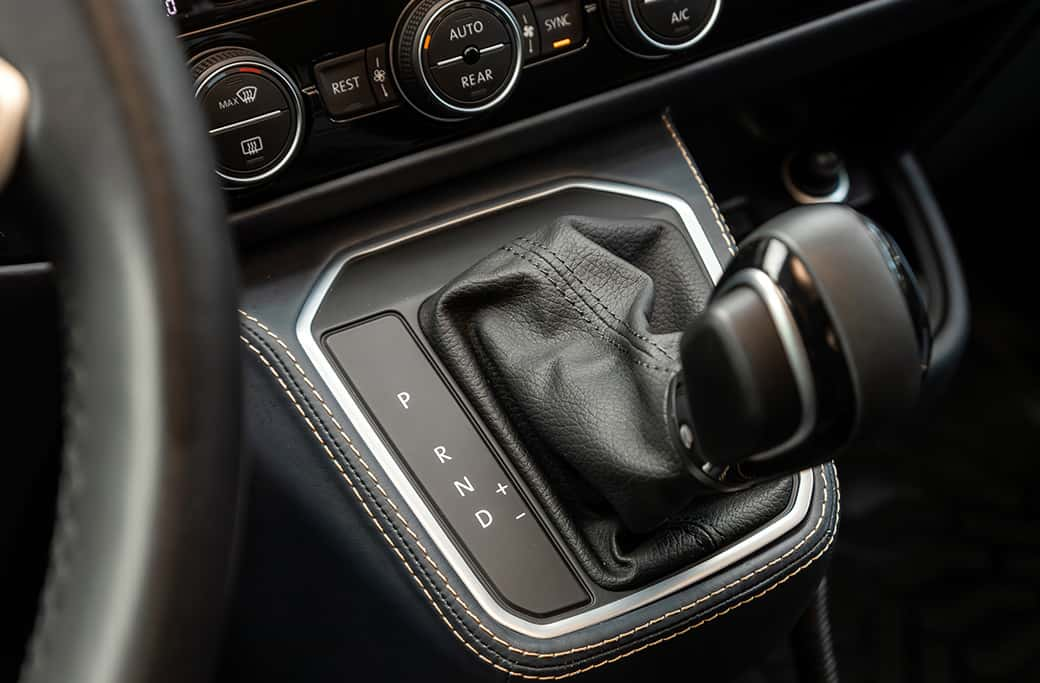
Few words strike fear into the heart of a car owner quite like "transmission failure." It’s one of the most complex, essential, and expensive components of your vehicle, responsible for transferring power from the engine to the wheels. When it’s working correctly, you barely notice it. When it starts to fail, however, your entire driving experience can change—and not for the better. Ignoring early warning signs is the quickest way to turn a minor repair into a major financial headache. Your transmission doesn't usually fail overnight; it often gives you subtle hints that something is amiss long before it leaves you stranded on the side of the road. Recognizing these symptoms early can save your car, your wallet, and your peace of mind. At Speedcraft Volkswagen, we understand how vital a healthy transmission is to the longevity of your vehicle. Whether you are driving a robust Volkswagen Atlas or a sporty Jetta GLI, keeping your transmission in top shape is key to maintaining that signature smooth VW ride. Warning Signs of Transmission Problems Your car has ways of telling you when it’s feeling under the weather. While modern vehicles are equipped with sophisticated computer systems that alert you to issues, your own senses—sight, smell, and hearing—are often the first line of defense. Here are the most common signs that your transmission might be going out. Slipping Gears Have you ever been driving along, only to feel your car suddenly lose power or change pitch as if it shifted gears on its own? This is known as "slipping." In a healthy automatic transmission, the car stays in a designated gear until the computer signals a shift is necessary. If the transmission is slipping, it might spontaneously pop out of gear while you are driving or struggle to stay in gear. This sensation can be alarming. You might press the gas pedal and hear the engine revving, but the car doesn't accelerate as it should. It feels almost like driving on ice, where the wheels are spinning but you aren't gaining traction. This is a serious safety hazard, as it can prevent you from accelerating out of dangerous situations. Rough or Delayed Shifting Your Volkswagen is designed for precision and comfort. Gear shifts should be nearly imperceptible, providing a seamless transition from one speed to another. If you start to notice a hesitation or a "clunk" when shifting, it’s a clear indicator of trouble. For automatic transmissions, you might feel a jarring sensation when the car shifts gears, rather than a smooth slide. There may also be a noticeable delay between when you shift from "Park" to "Drive" and when the gear actually engages. If you pause for a few seconds waiting for the transmission to catch up with your inputs, it’s time to schedule a service appointment. Unusual Noises Your car speaks a language of its own, and new noises are its way of complaining. Transmission issues often manifest as whining, humming, or clunking sounds. If you hear a whining or buzzing sound coming from underneath the vehicle, it could indicate a problem with the transmission fluid pump or internal gears. In manual transmissions, mechanical failure often sounds like grinding when you shift gears. If you are in "Neutral" and hear a bumping sound, you might just need new transmission fluid, but it could also signal worn-out bearings or gear teeth. Never ignore these sounds. They rarely go away on their own and usually indicate that friction is damaging internal components. Burning Smell A burning smell coming from your car is never a good sign, and it requires immediate attention. If that smell is accompanied by transmission issues, it is likely caused by overheating transmission fluid. Transmission fluid plays a critical role in cooling and lubricating the moving parts inside the gearbox. over time, this fluid can break down or leak, leading to increased friction and heat. When the fluid gets too hot, it loses its ability to protect the gears, which can lead to catastrophic damage. If you catch a whiff of something akin to burnt toast or hot rubber, pull over safely and check your levels, or bring it to a professional immediately. Check Engine Light The "Check Engine" light is the most misunderstood warning on a dashboard. While it can trigger for minor reasons—like a loose gas cap—it is also the primary way your car’s computer tells you there is a problem with the transmission. Sensors throughout the engine and transmission pick up on irregularities that you might not feel or hear yet. If this light illuminates, don't just hope it turns off. Visit a service center where technicians can use diagnostic tools to read the specific error code. This small light can be the difference between a simple solenoid replacement and a complete transmission rebuild. Why Timely Service Matters Procrastination is the enemy of automotive health. It is easy to dismiss a slight hesitation in shifting or a faint whine as a quirk of an older car, but delaying service usually leads to more extensive damage. Preventing Costly Repairs Transmission repairs exist on a spectrum. On one end, you have minor maintenance like a fluid flush or a filter change. On the other end, you have a complete transmission replacement, which can cost thousands of dollars. Catching a problem early often keeps you on the less expensive end of that spectrum. A small leak fixed today prevents a burned-out transmission tomorrow. Ensuring Safety A failing transmission is a safety hazard. If your car slips out of gear while you are merging onto a highway or crossing a busy intersection, you lose the ability to control your vehicle’s speed. Delayed engagement can also leave you stuck in the middle of traffic. Keeping your transmission healthy ensures that your car reacts predictably when you need it most. Maintaining Vehicle Value Whether you plan to drive your car for another decade or trade it in for a new model, maintenance history matters. A well-maintained vehicle with a solid service record retains its value much better than one with a history of mechanical neglect. If you are thinking of upgrading to a new Volkswagen Atlas or ID. Buzz in the future, taking care of your current vehicle is a smart financial move. Speedcraft Volkswagen Service When it comes to the intricate engineering of a Volkswagen, you don't want just anyone under the hood. You need specialists who understand German engineering inside and out. Expert Technicians At Speedcraft Volkswagen, our service center is staffed by factory-trained technicians. They don't just work on cars; they specialize in Volkswagens. They have the training and diagnostic tools to pinpoint transmission issues accurately, ensuring the repair is done right the first time. We serve drivers from Wakefield, Warwick, Providence, and Coventry, providing a dealership experience that prioritizes your peace of mind. Genuine Volkswagen Parts Your car was built with high-quality components, and repairs should maintain that standard. We use Genuine Volkswagen Parts and accessories that are designed specifically for your model. Unlike aftermarket parts, which may have variable quality and fit, OEM (Original Equipment Manufacturer) parts ensure your transmission functions exactly as the engineers intended. Service Specials and Financing Options We know that unexpected car repairs can be stressful for your budget. That is why we offer service financing options that allow you to service now and pay over time. We also regularly update our service specials to help you save on routine maintenance. From oil changes to major repairs, we aim to make the process as seamless and affordable as possible. Protect Your Investment Today Your transmission is the heartbeat of your vehicle's performance. It dictates how smooth your ride is, how responsive your acceleration feels, and how safe you are on the road. By paying attention to warning signs like slipping gears, strange noises, or that ominous check engine light, you can catch issues before they escalate into major failures. Don't wait until you are stranded to give your car the attention it needs. If you suspect your transmission is acting up, or if you are simply due for a maintenance check, the team at Speedcraft Volkswagen is here to help. Schedule your service appointment today and let our expert team get you back on the road with confidence. Be sure to check our website for current service coupons to save on your next visit!

VW Atlas Cross Sport

Where Is the VW Atlas Cross Sport Made?

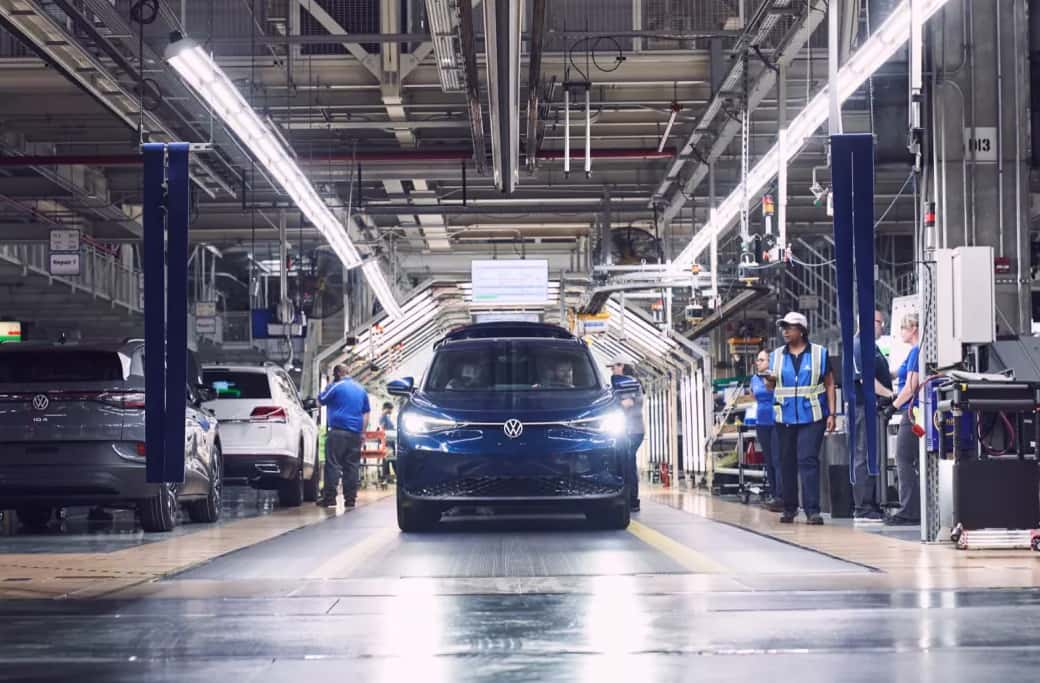
When you see the sleek lines of a Volkswagen Atlas Cross Sport cruising down the highway, you likely think of German engineering. Volkswagen is, after all, a historic German brand. However, for drivers in North America, this popular SUV has a much closer home. If you are wondering where the VW Atlas Cross Sport is made, the answer is Chattanooga, Tennessee. Since its debut, the Atlas Cross Sport has been assembled at the Volkswagen Chattanooga Assembly Plant. This state-of-the-art facility is a hub of automotive innovation, combining Volkswagen’s rigorous design standards with American manufacturing craftsmanship. A Product of Chattanooga, Tennessee The Chattanooga Assembly Plant is a large facility that produces the Volkswagen Atlas and Atlas Cross Sport. It is the first and only dedicated Volkswagen vehicle assembly plant in the United States. Manufacturing these vehicles in Tennessee ensures the SUVs are tailored to the needs of the North American market. The facility employs thousands of American workers and utilizes advanced robotics and sustainable manufacturing practices. When you purchase an Atlas Cross Sport, you aren't just getting a vehicle with European heritage; you are supporting American manufacturing jobs. This "German Engineering, American Style" approach enables faster delivery to dealerships and a product fine-tuned for American roads. Why the Atlas Cross Sport Stands Out Knowing that it is American-made is a great starting point, but why else should you consider this SUV? The Atlas Cross Sport strips away the third row found in the standard Atlas, resulting in a sportier, more coupe-like silhouette without sacrificing cabin space. Distinctive Design The most immediate difference is the roofline. The Cross Sport features a raked roof that gives it an aggressive, athletic stance. It looks modern and stylish, standing out in a crowded field of boxy SUVs. Despite the sloped roof, the rear seat legroom remains generous, providing ample space for adult passengers. Advanced Technology Modern drivers expect connectivity, and the Atlas Cross Sport delivers. Most trims come equipped with the Volkswagen Digital Cockpit Pro, a high-resolution configurable instrument cluster. You also get access to IQ.DRIVE, a suite of safety features that includes Travel Assist, Adaptive Cruise Control, and Active Blind Spot Monitor to keep you safer on the road. Capable Performance Under the hood, you generally find a potent turbocharged engine that balances power with efficiency. When paired with 4MOTION® all-wheel drive, the Atlas Cross Sport handles rain, snow, and rough terrain with confidence. It offers the towing capacity and power you need for weekend adventures, whether you are heading to the coast or the mountains. Experience the Atlas Cross Sport in Wakefield The Volkswagen Atlas Cross Sport offers a unique blend of style, space, and power. It proves that you don't have to choose between a practical family hauler and a vehicle that looks great in your driveway. Best of all, it brings world-class engineering right to your backyard from its home in Tennessee. If you are ready to see what American manufacturing and German design look like up close, visit us at Speedcraft Volkswagen in Wakefield, RI. Our team can walk you through the different trim levels and help you find the perfect SUV for your lifestyle.

VW DSG Transmission Service

Is it time for your VW DSG Transmission Service?

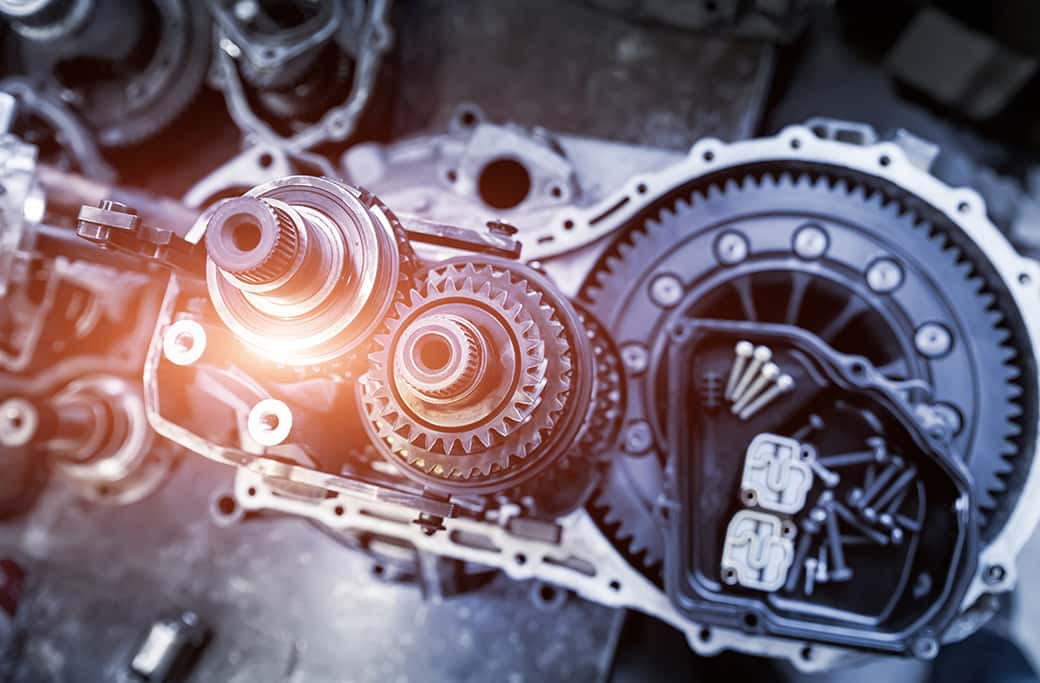
Driving a Volkswagen equipped with a Direct Shift Gearbox (DSG) is a unique experience. You get the convenience of an automatic with the snappy, precise engagement of a manual. It’s one of the engineering feats that makes driving a GTI, Jetta, or Tiguan so engaging. However, that sophisticated engineering requires specific care to keep it performing at its peak. While most drivers are diligent about engine oil changes and tire rotations, transmission maintenance often falls by the wayside. This is a risky oversight, especially with a high-performance system like the DSG. Ignoring this vital component can lead to sluggish performance, expensive repairs, and a shorter lifespan for your vehicle. If you are unsure whether your transmission needs attention or simply want to understand what makes your Volkswagen tick, this guide breaks down everything you need to know about DSG maintenance. From understanding how the system works to recognizing the warning signs of wear, we will help you make informed decisions to keep your car running smoothly for years to come. What is a DSG Transmission? To understand why maintenance is critical, you first need to understand what is happening under the hood. DSG stands for Direktschaltgetriebe (Direct Shift Gearbox). Unlike a traditional automatic transmission that uses a torque converter and slushy fluid dynamics to change gears, the DSG is essentially two manual gearboxes working together. It utilizes a dual-clutch system. One clutch controls the odd-numbered gears (1, 3, 5, etc.), and the other controls the even-numbered gears (2, 4, 6, etc.). When you are driving in third gear, the car’s computer has already pre-selected fourth gear on the second clutch. When it’s time to shift, the system disengages one clutch and engages the other in a fraction of a second. This design offers faster shift times than any human could achieve manually, along with better fuel economy than a standard automatic. However, this complex dance of gears and clutches generates heat and friction, which is where the transmission fluid comes into play. Why Regular Servicing is Important The majority of DSGs on the road today are "wet clutch" systems. This means the clutch plates are submerged in a specific type of transmission fluid. This fluid performs three critical functions: Lubrication: It protects the gears and bearings from metal-on-metal wear. Cooling: It dissipates the intense heat generated by the friction of the clutches. Hydraulic Actuation: It acts as the hydraulic fluid that the Mechatronic unit (the brain of the transmission) uses to physically move the gears and clutches. Over time, this fluid breaks down. It loses its viscosity and its ability to protect components. Furthermore, as the clutch packs wear down through normal use, they shed microscopic particles into the fluid. If the fluid isn't changed, it becomes saturated with this debris. Dirty fluid can clog the small passages in the Mechatronic unit, leading to rough shifting and potential component failure. Regular servicing involves draining this old fluid, replacing the transmission filter (which catches larger debris), and refilling the system with fresh, clean fluid. This reset button ensures your transmission maintains the correct pressure and protection it needs to operate correctly. How Often Should You Service Your DSG? For most Volkswagen models equipped with a six-speed or seven-speed wet-clutch DSG, the manufacturer recommends a transmission service every 40,000 miles. It is important to note that this is a service interval, not a suggestion. Because the fluid plays such an active role in the mechanical operation of the gears, stretching this interval is significantly riskier than delaying an engine oil change. However, certain driving habits may require more frequent attention. You should consider servicing your transmission sooner if: You frequently drive in heavy, stop-and-go traffic. You use your vehicle for towing. You participate in track days or high-performance driving events. You live in an area with extreme ambient temperatures. Always consult your specific owner's manual for the precise schedule for your model year, but keeping the 40,000-mile benchmark in mind is a safe strategy for most owners. Signs Your DSG Needs Servicing Ideally, you should service your transmission before you notice any issues. However, if you are approaching or have passed the service interval, your car might start "talking" to you. Here are common symptoms that your DSG fluid is past its prime: 1. Hesitation or Jerky Shifting The hallmark of a healthy DSG is seamless acceleration. If you notice the car lurching when taking off from a stop, or if the shift between first and second gear feels rough or clunky, it is a strong indicator that the fluid is degraded or the fluid level is incorrect. 2. Delayed Engagement When you shift from Park to Drive or Reverse, the gear engagement should be almost instant. If there is a noticeable pause—where you press the gas and the engine revs but the car doesn't move immediately—this "slip" suggests a hydraulic pressure issue often caused by old fluid. 3. Unusual Noises A DSG is mechanically noisy by nature compared to a standard automatic, but you should not hear clunking, grinding, or whining sounds. These noises often point to a lack of lubrication on the internal gears. 4. The "PRNDS" Lights of Death If the gear selection lights on your dashboard (P, R, N, D, S) start flashing, your car has entered "limp mode." This is a protective measure taken by the computer to prevent catastrophic damage. While this can be caused by electrical issues, it is frequently triggered by mechanical faults resulting from poor maintenance. 5. Burning Smell If you smell something burning coming from your vehicle after a drive, it could be overheated transmission fluid. This is a serious red flag that requires immediate attention to prevent total transmission failure. The Consequences of Neglecting DSG Service Skipping this service might save you money in the short term, but the long-term financial risks are substantial. The most common point of failure in a neglected DSG is the Mechatronic unit. This complex electro-hydraulic control unit is highly sensitive to dirty fluid. Replacing a Mechatronic unit can cost thousands of dollars—significantly more than the cost of routine maintenance. In severe cases, complete transmission failure can occur, requiring a full replacement or rebuild. Beyond the financial hit, a failing transmission affects the safety and reliability of your vehicle, potentially leaving you stranded. Why Choose Speedcraft Volkswagen for Your DSG Service? When it comes to specialized equipment like the DSG, you need technicians who understand the engineering behind it. General repair shops may not have the specific tools or proprietary software required to properly perform the service, such as resetting the transmission adaptations after the fluid change. At Speedcraft Volkswagen in Wakefield, RI, our factory-certified technicians specialize in Volkswagen engineering. We use only OEM (Original Equipment Manufacturer) parts and fluids, ensuring that your vehicle receives exactly what the engineers in Germany specified. We understand that vehicle maintenance is an interruption to your day, which is why we offer convenient online scheduling. You can book your appointment through our website and let us handle the rest. Keep Your VW Running Smoothly with Speedcraft Volkswagen Your Volkswagen was built to drive, and the DSG transmission is a massive part of that experience. Don't let neglected maintenance dilute the performance you love. By adhering to the recommended service schedule, you ensure that your gear shifts remain crisp, your fuel economy stays high, and your vehicle remains reliable for the long haul. If you are approaching the 40,000-mile mark or are noticing any changes in how your vehicle shifts, don't wait. Schedule your service appointment with Speedcraft Volkswagen today and give your car the expert care it deserves.

VW Atlas Cross Sport Oil Change

VW Atlas Cross Sport Oil Change

Your VW Atlas Cross Sport is more than just a way to get from point A to point B—it’s a precision-engineered machine designed for performance and style. To keep it running at its peak, regular maintenance is non-negotiable. Among the most critical services for your engine’s longevity is a timely oil change. Skipping this simple maintenance step can lead to reduced fuel efficiency, sluggish performance, and eventually, costly engine repairs. If you are driving a VW Atlas Cross Sport in Rhode Island, finding a service center that understands the specific needs of your vehicle is essential for protecting your investment. Why Choose Speedcraft VW for Your Oil Change? When it comes to servicing a specialized vehicle like the Atlas Cross Sport, not all service centers are created equal. Speedcraft Volkswagen, a Rhode Island owned and operated dealership, offers a level of expertise that generic quick-lube shops simply cannot match. Serving drivers across Wakefield, Warwick, Providence, and Coventry, our service center is staffed by factory-trained technicians who know your Volkswagen inside and out. We understand the specific engineering of the Atlas Cross Sport engine, ensuring that every oil change is performed to the manufacturer's exact standards. When you choose Speedcraft, you aren't just getting new oil; you're getting peace of mind knowing your vehicle is in expert hands. The Speedcraft VW Oil Change Process At Speedcraft Volkswagen, we believe in transparency and efficiency. When you bring your Atlas Cross Sport in for service, here is what you can expect: Check-In: Our friendly service advisors will check you in and review your vehicle's maintenance history to ensure we aren't missing any other vital milestones. Drain and Replace: Our technicians will drain the old, degraded oil and replace the oil filter. A clean filter is just as important as clean oil, as it prevents contaminants from cycling back through your engine. Refill with Precision: We refill your engine with the specific synthetic oil grade recommended by Volkswagen for the Atlas Cross Sport. Multi-Point Inspection: While your car is on the lift, we perform a complimentary multi-point inspection. We check fluid levels, tire pressure, brake wear, and more to catch potential issues before they become major problems. Reset and Review: We reset your service interval light and review the service with you, answering any questions you might have about your vehicle's health. The Importance of Genuine VW Parts and Oil It might be tempting to save a few dollars with aftermarket parts, but your Volkswagen deserves better. The Atlas Cross Sport engine is designed to operate with specific tolerances, and using the wrong oil viscosity or a low-quality filter can impact performance. At Speedcraft VW, we use only Genuine VW Parts and Oil. Optimal Viscosity: We use synthetic oil that meets VW's strict quality standards, ensuring proper lubrication even in Rhode Island's fluctuating temperatures. Superior Filtration: Genuine VW oil filters are designed to capture smaller particles and withstand higher pressures than many generic alternatives. Warranty Protection: Using genuine parts helps maintain your vehicle’s warranty integrity, ensuring you remain covered for the long haul. Schedule Your Oil Change Today! Don't wait until your dashboard warning light turns on. Preventive maintenance is the key to keeping your Atlas Cross Sport on the road for years to come. Booking your appointment is easy. You can use our online service scheduler to pick a time that works for you, or give our service department a call at (401) 783-3305. Whether you are in Wakefield or coming from Providence, we make the process quick and convenient. Committed to Rhode Island Drivers At Speedcraft Volkswagen, our commitment goes beyond just fixing cars. We are dedicated to providing an exceptional customer experience for every driver who walks through our doors. From our comfortable waiting area to our knowledgeable staff, we aim to make vehicle maintenance as stress-free as possible. Trust your VW Atlas Cross Sport to the experts who know it best. Visit Speedcraft Volkswagen today and experience the difference of dealer-certified service.

Complete Guide to Engine Overheating

Complete Guide to Engine Overheating

It starts as a subtle annoyance. Maybe you notice your temperature gauge creeping slightly higher than usual during your morning commute. Or perhaps you smell something sweet—like maple syrup—wafting through your air vents. Then, the inevitable happens: steam billows out from under the hood, a warning light flashes on your dashboard, and you find yourself stranded on the side of the road. Engine overheating is more than just an inconvenience; it is a critical failure that signals your vehicle is in immediate distress. An internal combustion engine operates as a controlled explosion, generating immense heat. Your vehicle's cooling system is designed to manage this heat, keeping the engine within a safe operating temperature range. When that system fails, temperatures spike rapidly. Ignoring these signs can lead to catastrophic damage. We aren't just talking about a tow truck fee; we are talking about warped cylinder heads, cracked engine blocks, and blown head gaskets. These are repairs that can cost thousands of dollars—sometimes more than the value of the car itself. Understanding why overheating happens and how to address it immediately is one of the most valuable skills a car owner can possess. The Usual Suspects: Why Engines Overheat While the result—a hot engine—is always the same, the root cause can vary significantly. Your cooling system is a complex loop of hoses, pumps, and fluids. A failure in any single part of this loop can bring the entire system down. Here are the most frequent culprits. Coolant Leaks This is the most common cause of overheating. Your cooling system relies on a specific mixture of antifreeze and water to absorb heat from the engine and dissipate it through the radiator. This system is a closed loop, meaning the fluid shouldn't leave the system. If your coolant level is low, it means it is leaking out somewhere. Leaks can occur in radiator hoses, the radiator itself, the water pump, or the heater core. Without enough fluid to circulate, the engine heat has nowhere to go. A Faulty Thermostat The thermostat is a small but vital valve that acts as a gatekeeper for your coolant. When your engine is cold, the thermostat stays closed to help the engine warm up quickly. Once the engine reaches its optimal operating temperature, the thermostat opens to allow coolant to flow into the engine. If the thermostat gets stuck in the closed position, coolant remains trapped in the radiator, unable to reach the engine block. The result is an engine that overheats rapidly, often within minutes of starting the car. Radiator Issues The radiator is the heat exchanger for your vehicle. As hot coolant flows through the radiator's fins, air passing over them cools the fluid before it returns to the engine. Over time, radiators can become clogged with rust or mineral deposits, restricting flow. Alternatively, the radiator fan (which pulls air through the radiator when you aren't moving fast) might fail. If you notice your car overheats, specifically when you are idling in traffic, but cools down on the highway, a bad radiator fan is often to blame. Water Pump Failure Think of the water pump as the heart of your cooling system. It is responsible for pressurizing and circulating the coolant through the engine and radiator. Over time, the internal bearings can wear out, or the impeller inside can break. If the pump fails, the coolant sits stagnant, and engine temperatures will skyrocket. Low Oil Levels While oil is primarily for lubrication, it also plays a significant role in cooling. It reduces friction—a major source of heat—and helps carry heat away from internal components that coolant cannot reach. If your oil is critically low, the increased friction can push your engine temperature into the red zone. DIY Checks: What You Can Do If you suspect your car is running hot, you don't always need a mechanic to do a preliminary check. However, safety is paramount. Never attempt to inspect a cooling system while the engine is hot. Pressurized hot coolant can spray out and cause severe burns. Wait at least 30 to 60 minutes for the engine to cool down completely before opening the hood. Once the engine is cool, here are a few simple checks you can perform: Check the Coolant Reservoir: Locate the plastic translucent tank under the hood. It usually has "Min" and "Max" lines. If the fluid is below the minimum line, you likely have a leak or haven't topped it up in a long time. Inspect the Ground: Look under your parked car. Do you see puddles? Coolant is often bright green, orange, or pink (depending on your car model) and has a sweet smell. Squeeze the Hoses: With the engine cool, locate the upper and lower radiator hoses. Give them a squeeze. They should feel firm but pliable, not rock-hard or completely squishy. Check for cracks or bulges. Check the Radiator Cap: A radiator cap does more than just keep fluid in; it maintains pressure in the system. If the seal on the cap is worn or the spring is broken, the system can't hold pressure, lowering the boiling point of the coolant. When to Call the Professionals While topping up coolant might get you home in an emergency, it is rarely a permanent fix. Overheating is generally a symptom of a mechanical failure that requires professional repair. You should schedule service immediately if: Steam or Smoke: If you see steam coming from the hood, pull over safely and turn off the engine immediately. Do not try to drive further. Recurring Issues: If you refill the coolant and it drops low again within a few days or weeks, you have a leak that needs to be pressure-tested and sealed. Dashboard Warning Lights: Modern cars have sophisticated sensors. If a red thermometer icon appears or your "Check Engine" light flashes, the car's computer is telling you there is a critical error. The "Heater Trick" Fails: A common temporary fix for an overheating car is to blast the heat, which pulls hot air off the engine. If doing this doesn't lower the temperature gauge, the problem is likely severe, such as a water pump failure. Volkswagen Specifics: Precision Engineering Requires Precision Care If you drive a Volkswagen, you are driving a vehicle designed with German precision engineering. While this offers superior performance and longevity, it also means your vehicle has specific needs that differ from a standard domestic sedan. The Importance of G13/G12evo Coolant Volkswagen vehicles use specific types of coolant (often pink or violet in color), such as G12evo or G13. These fluids contain specific additives designed to protect the aluminum alloys used in VW engines. Never mix standard green antifreeze with VW coolant. Mixing them can cause a chemical reaction that creates a gel-like sludge, clogging your cooling system and leading to expensive repairs. Plastic Components Some generations of VW engines utilized water pumps with plastic impellers. While efficient, these can become brittle over time and high mileage, leading to failure. If you are driving an older model VW Tiguan, Jetta, or Golf and haven't had the water pump inspected recently, it is a smart preventative measure. The VW "Stop" Warning Volkswagen dashboard clusters are very communicative. If you see a warning that says "STOP Check Coolant," take it literally. The sensors in your VW are highly sensitive and are designed to prevent you from driving until the engine is damaged. At Speedcraft Volkswagen in Wakefield, our technicians are factory-trained to understand the nuances of these engines. We don't just guess at the problem; we use Volkswagen-certified diagnostic tools to pinpoint exactly why your Passat or Atlas is running hot. Whether it’s a simple sensor replacement or a complex water pump repair, we ensure the correct OEM parts and fluids are used every time. Don't Let a Small Leak Become a Big Bill Your car's cooling system is the only thing standing between a smooth drive and a seized engine. Overheating issues rarely resolve themselves; they almost always get worse with time. If you have noticed your temperature gauge fluctuating, spots on your driveway, or are simply due for a cooling system flush, don't wait for the steam to appear. Regular maintenance is the key to longevity. By catching a worn hose or a weeping water pump early, you save yourself the stress of a breakdown and the cost of a major engine overhaul. If you are in Rhode Island and suspect your vehicle needs attention, the team at Speedcraft Volkswagen is here to help. From routine maintenance to complex repairs, we keep your vehicle running cool and reliable. Schedule your service appointment with Speedcraft Volkswagen today and drive with confidence.

VW Golf GTI Oil Change

VW Golf GTI Oil Change

There’s a special bond between a driver and their Volkswagen Golf GTI. It’s not just a car; it’s a hot hatch icon known for its punchy acceleration, tight handling, and undeniable personality. But to keep that 2.0-liter turbocharged engine firing on all cylinders, you can’t ignore the basics. Regular maintenance is the lifeline of your vehicle, and nothing is more critical than the oil change. Oil is the lifeblood of your engine, lubricating moving parts, reducing friction, and carrying heat away from the engine block. Neglecting this simple service can lead to sluggish performance, decreased fuel efficiency, and eventually, catastrophic engine failure. If you are driving a Golf GTI in Rhode Island, you need a service center that understands the specific engineering of German performance vehicles. Here is why regular maintenance matters and where you should go for your next service. Why Speedcraft VW is the Best Choice for Your Oil Change When it comes to servicing a specialized vehicle like the Golf GTI, not all service centers are created equal. You might be tempted by the quick-lube shop down the street, but there is a significant difference between a generic oil change and one performed by certified experts. Speedcraft Volkswagen is a Rhode Island owned and operated dealership serving Warwick, Providence, and Coventry. Here is why local GTI owners trust us with their vehicles: Certified Technicians Who Know Your Car Our service team is made up of factory-trained technicians who specialize in Volkswagen engineering. They know exactly what type of synthetic oil your GTI requires and which filters meet OEM standards. We don't guess; we follow the precise manufacturer guidelines to ensure your warranty remains intact and your engine performs at its peak. Genuine Volkswagen Parts We use authentic OEM (Original Equipment Manufacturer) parts. Generic filters from third-party shops may not fit perfectly or filter as efficiently as the ones designed specifically for your engine. At Speedcraft VW, we ensure that every component used during your service matches the quality of the parts your car was built with. Comprehensive Service When you visit us for an oil change, we don't just drain and fill. We keep an eye out for other potential issues. Our technicians can spot wearing brake pads, low fluid levels, or tire issues before they become expensive repairs. The Benefits of Professional Oil Change Service Skipping oil changes or stretching the intervals too far is a gamble with your engine’s health. Sticking to a schedule—typically every 10,000 miles or once a year for most modern VWs (though checking your owner's manual is always best)—offers immediate and long-term benefits: Better Engine Performance: Fresh oil ensures your turbocharger and internal engine components are lubricated properly, keeping that signature GTI acceleration smooth and responsive. Improved Gas Mileage: A well-lubricated engine doesn't have to work as hard, which translates to better fuel economy during your daily commute or weekend drives. Extended Engine Life: By preventing sludge buildup and reducing friction, regular oil changes help your car last longer, protecting your investment for years to come. Cleaner Emissions: Fresh oil burns cleaner than dirty, old oil, helping your vehicle pass emissions tests and reducing your environmental footprint. Signs Your VW Golf GTI Needs an Oil Change Modern Volkswagens are smart. Your GTI is equipped with a service interval display that will alert you when maintenance is due. However, it is important to pay attention to physical signs as well, especially if you drive in severe conditions (like stop-and-go city traffic or extreme temperatures). Watch out for these indicators: Dark, Gritty Oil: Pull the dipstick. If the oil is jet black and feels gritty, it’s past its prime. Fresh oil should be amber and translucent. Loud Engine Noise: If your engine sounds louder than usual, or you hear knocking or ticking sounds, the oil might be too old to lubricate the parts effectively. Oil Smell Inside the Cabin: This could indicate a leak. If you smell burnt oil, schedule service immediately. Exhaust Smoke: While some vapor is normal in cold weather, blue or gray smoke from the tailpipe can indicate an oil leak or internal engine issue. Schedule Your Service at Speedcraft VW Today Don't let a simple maintenance task turn into a costly repair. If your Volkswagen Golf GTI is due for an oil change, bring it to the experts who know it best. At Speedcraft Volkswagen in Wakefield, RI, we make the process easy. You can book your appointment online using our service scheduler, or give our service department a call at (401) 783-3305. We are committed to keeping your GTI running like the performance machine it was built to be.

2026 Volkswagen Golf GTI Overview

2026 VW Golf GTI Overview

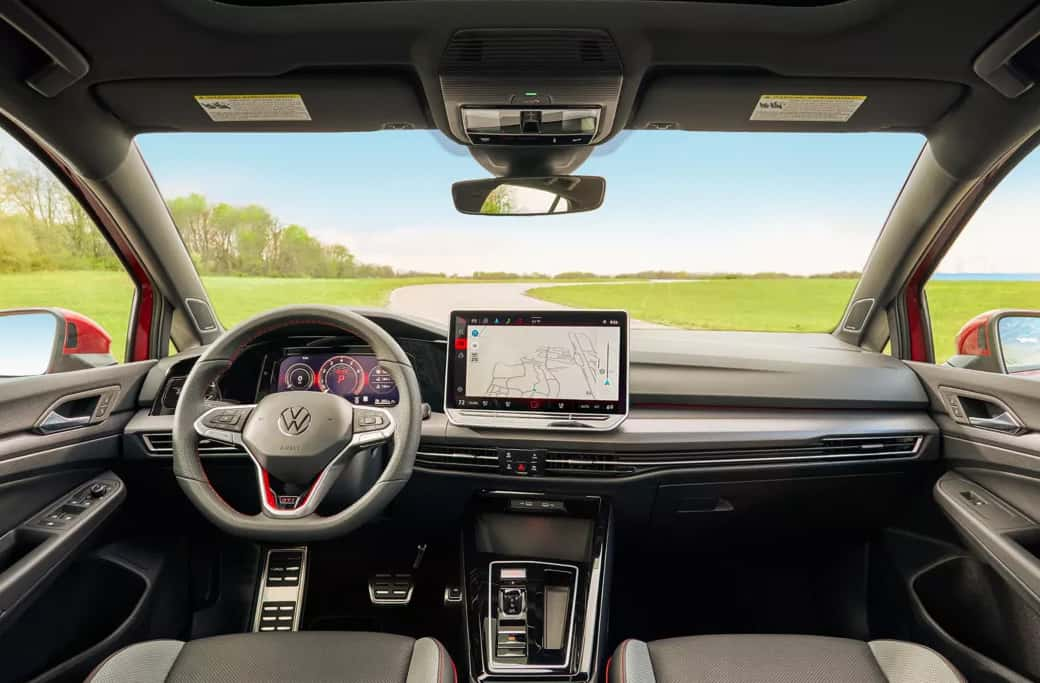
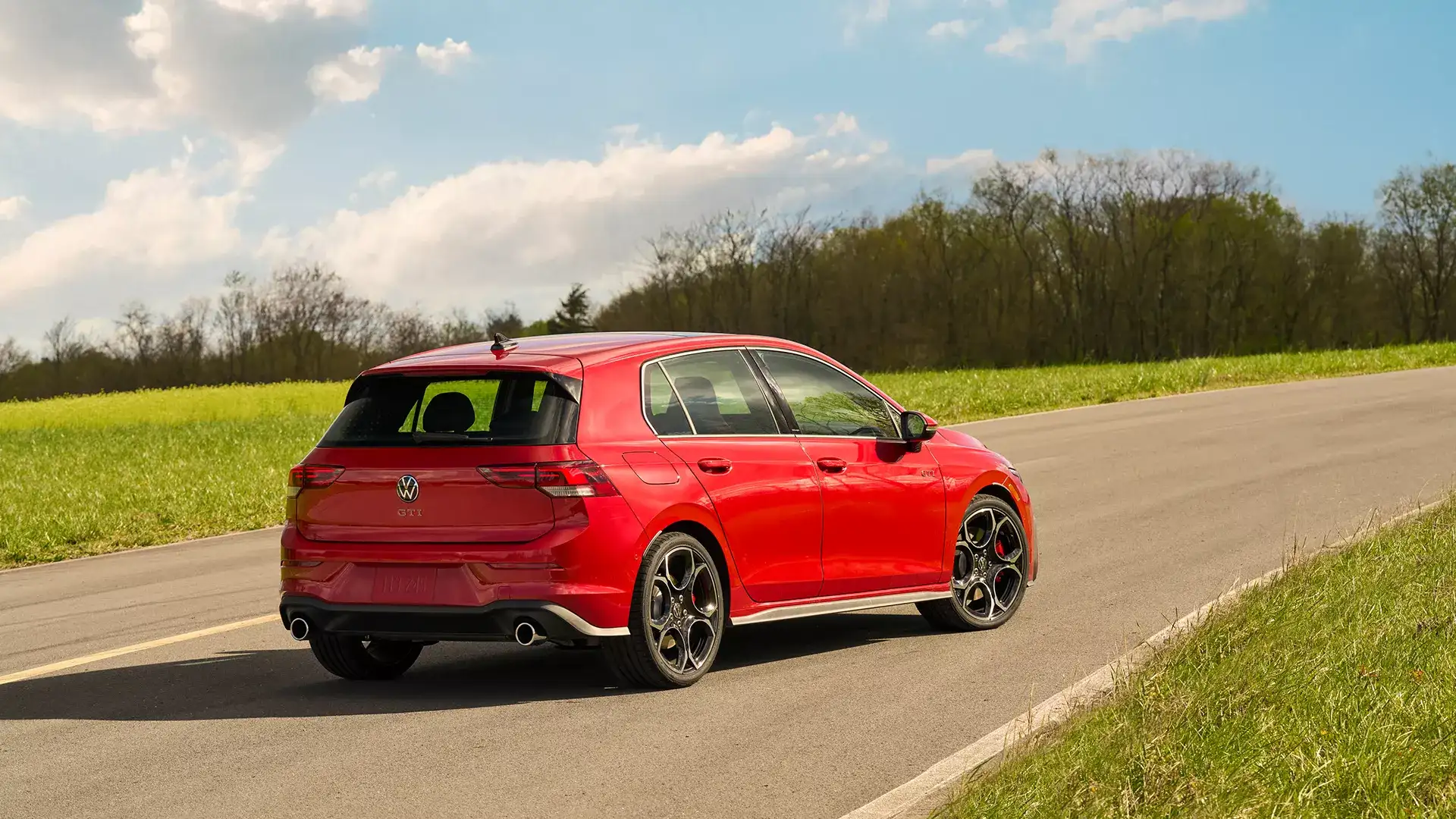
For those who know what true performance feels like, the Volkswagen Golf GTI returns for 2026, solidifying its legacy as the original hot hatch. Fresh off a win as MotorTrend's Car of the Year, the 2026 Golf GTI is designed to keep life in sport mode, blending exhilarating power with head-turning style. Here at Speedcraft Volkswagen, we're excited to give you a closer look at what makes this vehicle so special. Unmistakable Performance At the heart of the 2026 Golf GTI is a powerful 2.0L TSI® engine, delivering an impressive 241 horsepower and 273 lb-ft of torque. This powertrain ensures a thrilling drive every time you get behind the wheel. For those seeking even greater control, the available DCC® Adaptive Chassis Control provides superior handling, allowing you to tailor the ride to your exact preferences, whether you're navigating city streets or carving up back roads. Bold Design, Inside and Out The Golf GTI has always been a standout, and the 2026 model is no exception. Its sporty exterior and iconic hot hatchback design ensure you'll look like an original on the road. Inside, the race-inspired details continue. For the first time in the USA, the GTI is available with stunning Clubsport ArtVelours seating surfaces. These seats are as comfortable as they are stylish, bringing a touch of European flair to your drive. The interior isn't just about looks; it's designed for the driver, with every control thoughtfully placed for an intuitive experience. Advanced Technology at Your Fingertips The 2026 Golf GTI is packed with cutting-edge technology designed to enhance your drive. A standard 12.9-inch touchscreen display serves as your command center, allowing you to customize layouts for navigation, media, and vehicle controls. Want sport mode and your favorite playlist for the open road? It's simple. Need clear directions and a softer ride for your commute? You've got it. Key technology and connectivity features include: Wireless Device Charging: Keep your compatible devices powered up without the clutter of cables. Wi-Fi Hotspot: Stay connected on the go with an in-vehicle Wi-Fi hotspot. Wireless App-Connect: Integrate your favorite apps seamlessly with Apple CarPlay® and Android Auto™. Premium Speech: Take control with an advanced in-vehicle voice assistant. Drive with Confidence Volkswagen's commitment to safety is evident in the 2026 Golf GTI, which comes standard with IQ.DRIVE. This suite of advanced driver assistance features acts as a helping hand when you need it, providing semi-automated capability to make every journey safer and less stressful. Find Your Perfect 2026 Golf GTI at Speedcraft Volkswagen The 2026 Volkswagen Golf GTI is more than just a car; it's a statement. It's for those who refuse to blend in and demand a driving experience that’s anything but ordinary. Ready to see it for yourself? Visit Speedcraft Volkswagen to explore the new 2026 Golf GTI. Our team is ready to help you find the perfect model and get you behind the wheel of this legendary hot hatch. Browse our inventory online or stop by our Wakefield, RI, dealership today!

VW Jetta Oil Change

VW Jetta Oil Change

The Volkswagen Jetta has earned its reputation as a reliable, stylish, and fun-to-drive sedan. Whether you are commuting to Providence or taking a weekend drive along the coast in Wakefield, your Jetta is designed to deliver consistent performance. However, that German engineering requires specific care to keep it running smoothly for years to come. While it might be tempting to delay maintenance or visit a generic quick-lube shop, the health of your engine depends heavily on the quality and consistency of your oil changes. Fresh oil is the lifeblood of your vehicle, and understanding why your specific model needs expert attention can save you from costly repairs down the road. The Role of Oil in Your Volkswagen Engine Your Jetta’s engine is a complex machine with many moving parts working at high speeds and temperatures. Motor oil serves three critical functions that prevent your engine from seizing up or wearing out prematurely: Lubrication: It creates a thin barrier between moving parts, reducing friction and preventing metal-on-metal contact. Cooling: It helps dissipate heat away from the combustion chamber, preventing the engine from overheating. Cleaning: It picks up dirt, debris, and sludge particles, carrying them to the oil filter where they are trapped. Over time, oil breaks down and loses its effectiveness. It becomes sludge-like and can no longer protect your engine properly. For a precision-engineered vehicle like the Jetta, skipping this simple service can lead to decreased fuel efficiency and significant engine damage. Synthetic Oil vs. Conventional Oil One of the most common questions regarding VW maintenance is about the type of oil required. Most modern Volkswagen Jetta models require full synthetic oil. Unlike conventional oil, which is derived directly from crude oil, synthetic oil is chemically engineered to provide better performance. Synthetic oil resists breaking down under high heat, flows better in cold Rhode Island winters, and generally lasts longer between changes. Using the wrong type of oil—often what you get at budget service centers—can void your warranty and harm your engine's efficiency. At a certified dealer like Speedcraft VW, we ensure your vehicle receives the exact oil grade recommended by the manufacturer. When Should You Change Your Oil? Gone are the days of the mandatory "every 3,000 miles" rule. Thanks to advancements in engine technology and synthetic oils, most newer Jetta models can go significantly longer between services—often up to 10,000 miles or once a year, whichever comes first. However, your driving habits matter. You might need to visit the service center more frequently if you: Frequently drive in stop-and-go traffic in Warwick or Providence. Take many short trips where the engine doesn't fully warm up. Drive in extreme temperatures (freezing winters or hot summers). Always check your owner's manual for the specific interval for your model year, or consult with our service advisors to create a schedule that fits your driving style. The Speedcraft Volkswagen Advantage When the "Service Now" light pops up on your dashboard, you have options. However, bringing your Jetta to Speedcraft Volkswagen in Wakefield offers distinct advantages over a general mechanic. Certified Technicians Our team consists of Volkswagen-certified technicians who undergo rigorous training. They know the Jetta inside and out. They can spot potential issues that a general mechanic might miss, such as early signs of wear on belts or fluid leaks specific to VW models. Genuine OEM Parts We use Genuine Volkswagen Parts and filters. Aftermarket filters used by third-party shops may not fit perfectly or filter as effectively, leading to oil pressure issues. When you service with us, you know the parts going into your car were made specifically for your car. Comprehensive Care An oil change at Speedcraft is more than just swapping fluids. We perform a multi-point inspection to ensure your tires, brakes, and other vital fluids are in safe operating condition. Plus, as a Rhode Island-owned and operated dealership, we pride ourselves on building relationships with our customers from Coventry to Narragansett. Schedule Your Service Today Don't gamble with your engine's health. Regular oil changes are the most cost-effective way to extend the life of your Jetta and maintain its resale value. By choosing certified service, you ensure your car continues to perform exactly as it was designed to. If your Jetta is due for maintenance, or if you aren't sure when your last service was, our team is ready to help. You can easily book an appointment through our online service scheduler or call our service department directly. Let us keep your Volkswagen running like new.

Contact Us

Fill out this form below and we'll contact you shortly
*Required Fields