
Blog

All Service Tips and Info VW Tiguan VW Jetta Local News and Events Dealership News FAQ VW Atlas Rhode Island Tourism VW Golf Safety VW Passat VW GTI VW Golf Alltrack News VW Beetle VW Golf SportWagen VW Technology Parts and Accessories VW News Vehicle Comparison VW Golf R Sales Events VW e-Golf VW Touareg Oil Maintenance Program Tips Tire Service Carefree Maintenance Program VW ID4 Certified Pre-Owned Financing VW Taos Electric Vehicles Comparison Features College Graduate Program Concepts fuel efficiency VW Arteon VW Atlas Cross Sport Accessories Locations Convertible OEM eStore VW CC AWD VW Eos VW ID. Buzz Warranty TDI Clean Diesel Lease VW Dealer VW ID.7 VW e_Golf Awards Employment VW ID.2
2025 Volkswagen Atlas Cross Sport Overview

2025 Volkswagen Atlas Cross Sport Overview

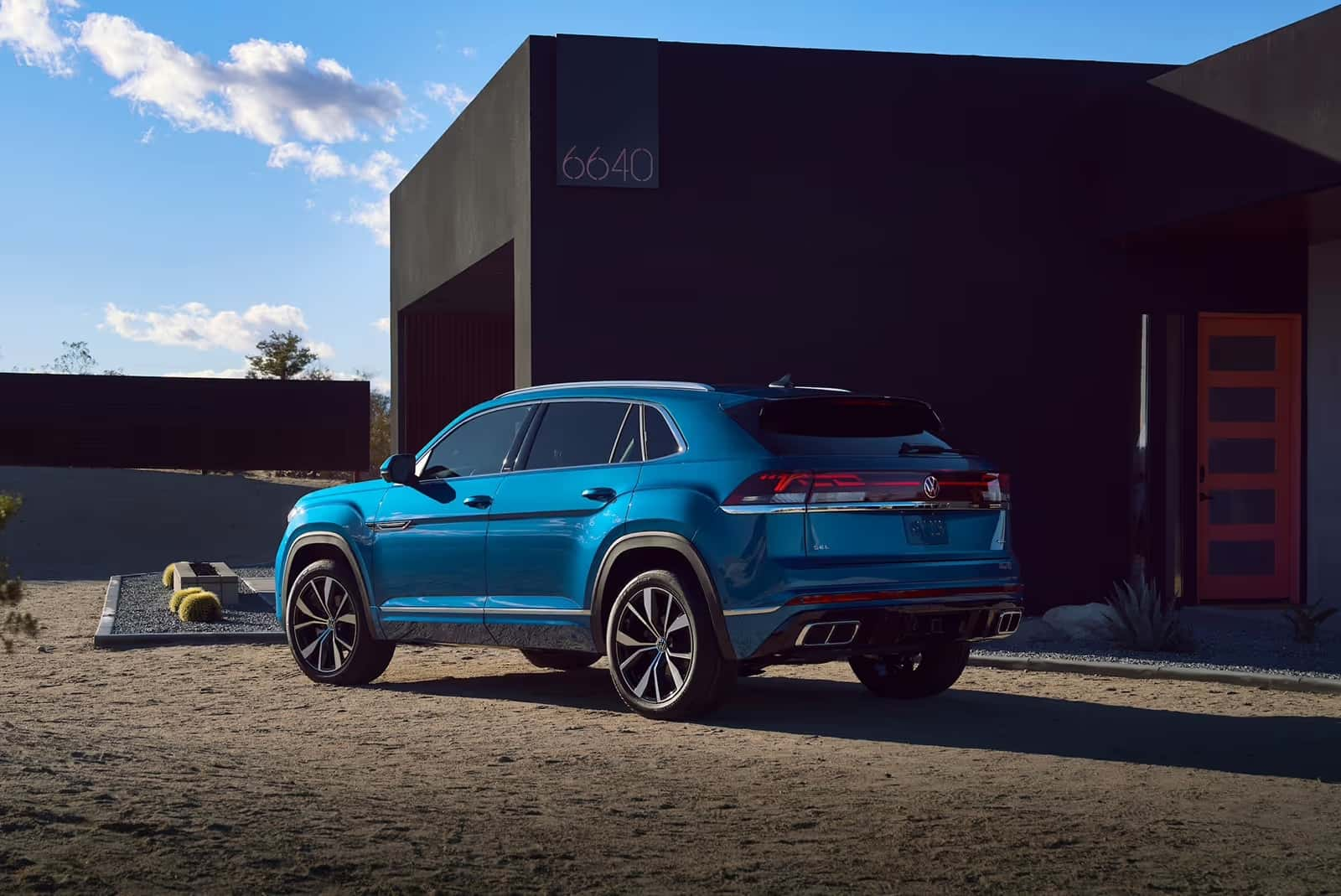
Bold design, premium comfort, and versatility tailor-made for modern life. This is what the 2025 Volkswagen Atlas Cross Sport brings to the table. At Speedcraft Volkswagen, we know our Rhode Island drivers expect more than just transportation. You want a vehicle that fits seamlessly into your lifestyle. With its refreshed exterior, cutting-edge tech, and family-focused practicality, the Atlas Cross Sport is crafted to exceed expectations. Whether you’re heading down I-95, exploring the local coastline, or hitting the open road, this mid-size SUV delivers confident performance and daily convenience in equal measure. Wondering what makes the 2025 Atlas Cross Sport stand out? Here’s everything you need to know. Performance That Powers Your Journey The 2025 Volkswagen Atlas Cross Sport is built for drivers who demand power and capability. Each model is equipped with a 2.0-liter turbo-four engine that delivers 269 horsepower and 273 lb-ft of torque. Front-wheel drive is standard on SE and SE Technology trims, with the available 4MOTION® all-wheel-drive system providing added confidence and control in challenging conditions. For those who need extra strength, the Atlas Cross Sport has you covered. With a towing capacity of up to 5,000 pounds (when properly equipped), this SUV is ready to haul everything from weekend toys to gear for your next adventure. Luxurious Comfort Comes Standard Step inside the 2025 Atlas Cross Sport, and you’ll find that every detail has been designed with your comfort in mind. From the proximity keyless entry system to the premium feel of V-Tex upholstery, every drive starts with ease and luxury. Heated and ventilated front seats, a heated steering wheel, and dual-zone automatic climate control create a cozy environment no matter the weather. Looking for even more luxury? Available upgrades include a panoramic sunroof that bathes the cabin in natural light, a driver memory function for the perfect seating position, and a hands-free liftgate for convenience on the go. Rear passengers can enjoy heated seats on chilly days, and the optional leather upholstery adds an extra touch of refinement. Advanced Tech for Today’s Drivers The 2025 Atlas Cross Sport is packed with innovative technology that keeps you connected and safe. Standard features include a customizable 10.25-inch Digital Cockpit Pro and a 12-inch touchscreen with wireless Apple CarPlay and Android Auto integration. Say goodbye to cable clutter with the standard wireless charging pad, ensuring your devices stay powered throughout the day. When it comes to safety, the Atlas Cross Sport leads the way with VW IQ.DRIVE, a suite of advanced driver assistance features designed to keep you and your family secure. Standard technologies include Front Assist, Side Assist, Rear Cross-Traffic Alert, Lane Assist, and Adaptive Cruise Control with Travel Assist. Upper trims add a 360-degree camera, automated parking assist, and a head-up display for an even more comprehensive safety package. A Mid-Size SUV Designed for Every Lifestyle From its performance to its premium comfort and next-generation technology, the 2025 Volkswagen Atlas Cross Sport has been tailored to meet the needs of families, commuters, and weekend adventurers alike. Its sleek styling and practical versatility make it a standout in the mid-size SUV segment. Experience the Atlas Cross Sport at Speedcraft Volkswagen The 2025 Volkswagen Atlas Cross Sport is here, and it’s ready to impress. At Speedcraft Volkswagen, we’re thrilled to offer a wide selection of these remarkable SUVs to our Rhode Island community. Whether you’re looking for a family-friendly ride or an SUV that combines style with substance, the Atlas Cross Sport is your perfect match. Visit us today at Speedcraft Volkswagen or schedule your test drive online to discover the 2025 Atlas Cross Sport for yourself. Elevate your everyday driving experience with a vehicle designed to exceed expectations.
2025 Volkswagen Tiguan vs. Subaru Forester

2025 Volkswagen Tiguan vs. Subaru Forester

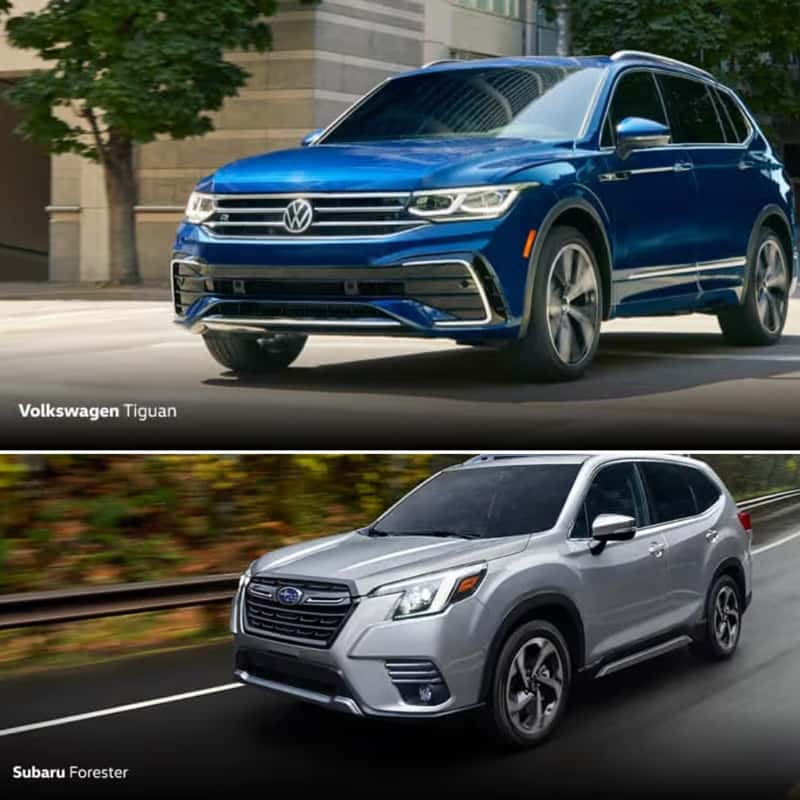
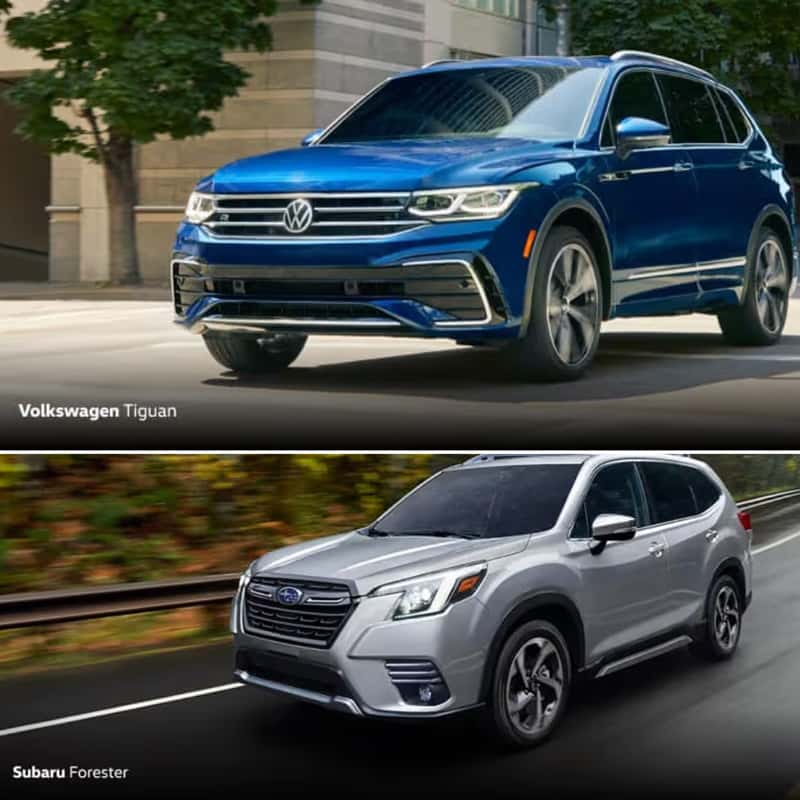
When shopping for a compact SUV, it's common to weigh the 2024 Volkswagen Tiguan against the 2024 Subaru Forester. Both models are popular choices, but how do they stack up in terms of performance, passenger comfort, technology, and features? At Speedcraft VW, we’ve done the legwork for you. Read on for an in-depth breakdown that will help you decide which SUV is the right fit for your lifestyle. 2024 Volkswagen Tiguan vs. Subaru Forester: What’s New? The biggest difference between the two SUVs for the 2024 model year is updates. The Subaru Forester saw virtually no changes from 2023, while Volkswagen made some exciting upgrades to the Tiguan. The 2024 VW Tiguan now includes IQ.DRIVE, Volkswagen’s advanced suite of driver-assistance features, as a standard feature. Additionally, the base 2024 Tiguan trim comes equipped with an auto-dimming rearview mirror, rain-sensing windshield wipers, and a faux leather-trimmed steering wheel—proof that Volkswagen continues to prioritize value and innovation. Performance Comparison Performance is key when looking for an SUV that can handle both daily commutes and weekend getaways. Here’s a side-by-side look at how the 2024 Tiguan and Forester stack up: Category 2024 VW Tiguan (S) 2024 Subaru Forester (Base) Engine 2.0L Turbo 4-cylinder 2.5L SUBARU BOXER 4-cylinder Horsepower 184 HP 182 HP Torque 221 lb-ft 176 lb-ft Towing Capacity 1,500 lbs1 1,500 lbs2 The Tiguan leads with its 2.0L turbocharged engine, providing a torque advantage that delivers better acceleration and more power for challenging terrain. This makes the Tiguan a standout choice for those who want a fun and adventurous driving experience while still retaining SUV functionality. Designed for Comfort & Space An SUV isn't just about power—comfort plays an equally vital role. If you’re prioritizing roominess and flexibility, here’s how these two vehicles compare: Category 2024 VW Tiguan 2024 Subaru Forester Seating Capacity Up to 7 5 Passenger Volume 124 cu ft 111.6 cu ft Cargo Space (Max.) 73.4 cu ft 74.2 cu ft Length 186.1 in 182.7 in Width (w/o mirrors) 72.4 in 71.5 in The Tiguan stands out with its three-row seating option, accommodating up to seven passengers. That’s particularly advantageous for larger families or those who often carpool. Plus, the Tiguan provides an impressive 124 cubic feet of passenger volume, making long trips more comfortable for everyone. While the Forester offers slightly more maximum cargo space with the seats folded down, the Tiguan's flexible storage configurations ensure it still delivers. Features That Matter When it comes to standard features, the Tiguan raises the bar with comfort, convenience, and technology right out of the gate. Here’s a closer look: 2024 Volkswagen Tiguan (Base Model): Heated front seats for chilly mornings Volkswagen Digital Cockpit with an 8-inch display 6.5-inch touchscreen with USB inputs Advanced safety features like a Blind-Spot Monitor and Front Assist 2024 Subaru Forester (Base Model): 6.5-inch touchscreen with smartphone integration 4.2-inch LCD monitor for driving information Lacks heated seats or as many advanced safety features as standard The verdict? If having top-tier standard amenities is important to you, the Tiguan delivers a higher level of comfort and tech features from day one. Leasing Your 2024 VW Tiguan at Speedcraft VW Interested in bringing a VW Tiguan home? Speedcraft VW offers flexible leasing options and competitive specials tailored to your needs. Whether you’re drawn to the Tiguan S, SE, SE R-Line Black, or the premium SEL R-Line model, our finance department can guide you through the process. Don’t forget to ask about pre-owned and certified pre-owned Tiguan models. Each undergoes a multipoint inspection to ensure quality and reliability, making them excellent options for budget-conscious buyers. Why Choose the Tiguan? Still wondering which compact SUV wins the Tiguan vs. Forester matchup? Here’s a quick recap of why the Tiguan shines: Performance: Turbocharged power and class-leading torque. Space: Three-row configuration and greater overall passenger volume. Innovation: Advanced safety and comfort features come standard. Get Behind the Wheel After reading our detailed comparison, the next step is deciding for yourself! Visit Speedcraft VW today to test drive the 2024 Volkswagen Tiguan. Whether you're drawn to its sleek design, practical features, or exciting turbocharged engine, our team is here to help you find the perfect model for your needs. FAQs Which is better, the Subaru Forester or Volkswagen Tiguan? For families or those seeking a more powerful and versatile compact SUV, the 2024 Volkswagen Tiguan edges ahead with its turbocharged engine, greater passenger volume, and advanced standard features. Is the Volkswagen Tiguan expensive to maintain? Both vehicles are comparable in terms of maintenance costs. Volkswagen also offers service specials to help you save on scheduled maintenance. What is the difference between the Tiguan and the Forester? The Tiguan offers seating for up to seven, a more powerful engine, and greater passenger volume. The Forester provides slightly more maximum cargo space but lacks the advanced standard features of the Tiguan. Contact Us Today Don’t wait to explore what makes the 2024 Tiguan a standout choice for your next SUV. Visit Speedcraft VW or schedule your test drive online now! Experience the difference firsthand—it’s time to upgrade your drive.

2025 Volkswagen Tiguan vs. Subaru Forester

2025 Volkswagen Tiguan vs. Subaru Forester

When shopping for a compact SUV, it's common to weigh the 2024 Volkswagen Tiguan against the 2024 Subaru Forester. Both models are popular choices, but how do they stack up in terms of performance, passenger comfort, technology, and features? At Speedcraft VW, we’ve done the legwork for you. Read on for an in-depth breakdown that will help you decide which SUV is the right fit for your lifestyle. 2024 Volkswagen Tiguan vs. Subaru Forester: What’s New? The biggest difference between the two SUVs for the 2024 model year is updates. The Subaru Forester saw virtually no changes from 2023, while Volkswagen made some exciting upgrades to the Tiguan. The 2024 VW Tiguan now includes IQ.DRIVE, Volkswagen’s advanced suite of driver-assistance features, as a standard feature. Additionally, the base 2024 Tiguan trim comes equipped with an auto-dimming rearview mirror, rain-sensing windshield wipers, and a faux leather-trimmed steering wheel—proof that Volkswagen continues to prioritize value and innovation. Performance Comparison Performance is key when looking for an SUV that can handle both daily commutes and weekend getaways. Here’s a side-by-side look at how the 2024 Tiguan and Forester stack up: Category 2024 VW Tiguan (S) 2024 Subaru Forester (Base) Engine 2.0L Turbo 4-cylinder 2.5L SUBARU BOXER 4-cylinder Horsepower 184 HP 182 HP Torque 221 lb-ft 176 lb-ft Towing Capacity 1,500 lbs1 1,500 lbs2 The Tiguan leads with its 2.0L turbocharged engine, providing a torque advantage that delivers better acceleration and more power for challenging terrain. This makes the Tiguan a standout choice for those who want a fun and adventurous driving experience while still retaining SUV functionality. Designed for Comfort & Space An SUV isn't just about power—comfort plays an equally vital role. If you’re prioritizing roominess and flexibility, here’s how these two vehicles compare: Category 2024 VW Tiguan 2024 Subaru Forester Seating Capacity Up to 7 5 Passenger Volume 124 cu ft 111.6 cu ft Cargo Space (Max.) 73.4 cu ft 74.2 cu ft Length 186.1 in 182.7 in Width (w/o mirrors) 72.4 in 71.5 in The Tiguan stands out with its three-row seating option, accommodating up to seven passengers. That’s particularly advantageous for larger families or those who often carpool. Plus, the Tiguan provides an impressive 124 cubic feet of passenger volume, making long trips more comfortable for everyone. While the Forester offers slightly more maximum cargo space with the seats folded down, the Tiguan's flexible storage configurations ensure it still delivers. Features That Matter When it comes to standard features, the Tiguan raises the bar with comfort, convenience, and technology right out of the gate. Here’s a closer look: 2024 Volkswagen Tiguan (Base Model): Heated front seats for chilly mornings Volkswagen Digital Cockpit with an 8-inch display 6.5-inch touchscreen with USB inputs Advanced safety features like a Blind-Spot Monitor and Front Assist 2024 Subaru Forester (Base Model): 6.5-inch touchscreen with smartphone integration 4.2-inch LCD monitor for driving information Lacks heated seats or as many advanced safety features as standard The verdict? If having top-tier standard amenities is important to you, the Tiguan delivers a higher level of comfort and tech features from day one. Leasing Your 2024 VW Tiguan at Speedcraft VW Interested in bringing a VW Tiguan home? Speedcraft VW offers flexible leasing options and competitive specials tailored to your needs. Whether you’re drawn to the Tiguan S, SE, SE R-Line Black, or the premium SEL R-Line model, our finance department can guide you through the process. Don’t forget to ask about pre-owned and certified pre-owned Tiguan models. Each undergoes a multipoint inspection to ensure quality and reliability, making them excellent options for budget-conscious buyers. Why Choose the Tiguan? Still wondering which compact SUV wins the Tiguan vs. Forester matchup? Here’s a quick recap of why the Tiguan shines: Performance: Turbocharged power and class-leading torque. Space: Three-row configuration and greater overall passenger volume. Innovation: Advanced safety and comfort features come standard. Get Behind the Wheel After reading our detailed comparison, the next step is deciding for yourself! Visit Speedcraft VW today to test drive the 2024 Volkswagen Tiguan. Whether you're drawn to its sleek design, practical features, or exciting turbocharged engine, our team is here to help you find the perfect model for your needs. FAQs Which is better, the Subaru Forester or Volkswagen Tiguan? For families or those seeking a more powerful and versatile compact SUV, the 2024 Volkswagen Tiguan edges ahead with its turbocharged engine, greater passenger volume, and advanced standard features. Is the Volkswagen Tiguan expensive to maintain? Both vehicles are comparable in terms of maintenance costs. Volkswagen also offers service specials to help you save on scheduled maintenance. What is the difference between the Tiguan and the Forester? The Tiguan offers seating for up to seven, a more powerful engine, and greater passenger volume. The Forester provides slightly more maximum cargo space but lacks the advanced standard features of the Tiguan. Contact Us Today Don’t wait to explore what makes the 2024 Tiguan a standout choice for your next SUV. Visit Speedcraft VW or schedule your test drive online now! Experience the difference firsthand—it’s time to upgrade your drive.

Top 3 Tech Features in 2025 Volkswagen Models

Top 3 Tech Features in 2025 Volkswagen Models

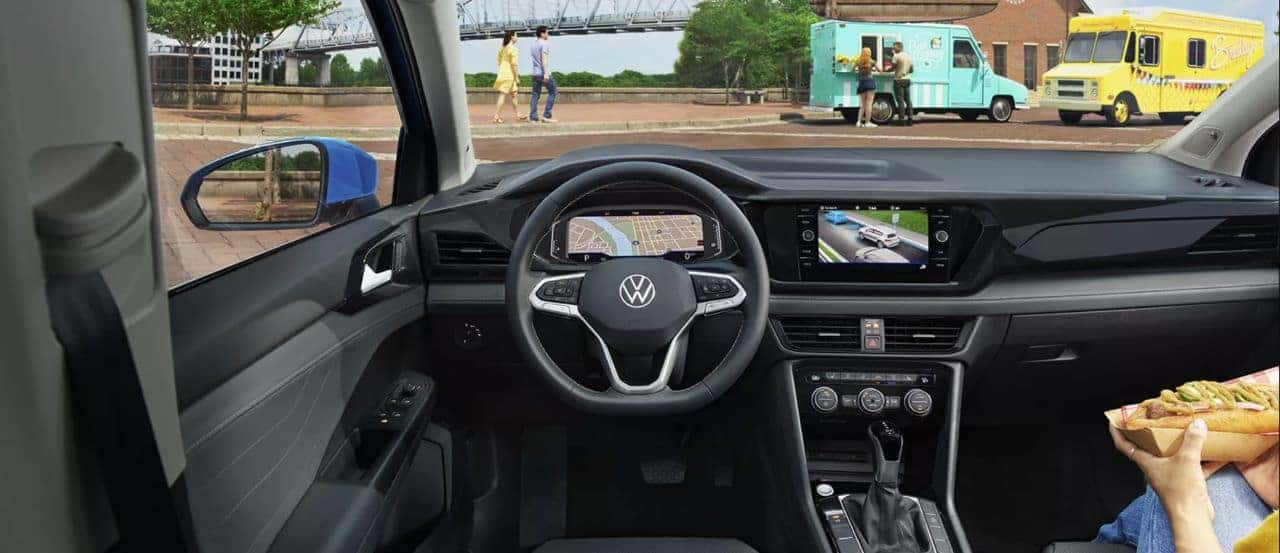
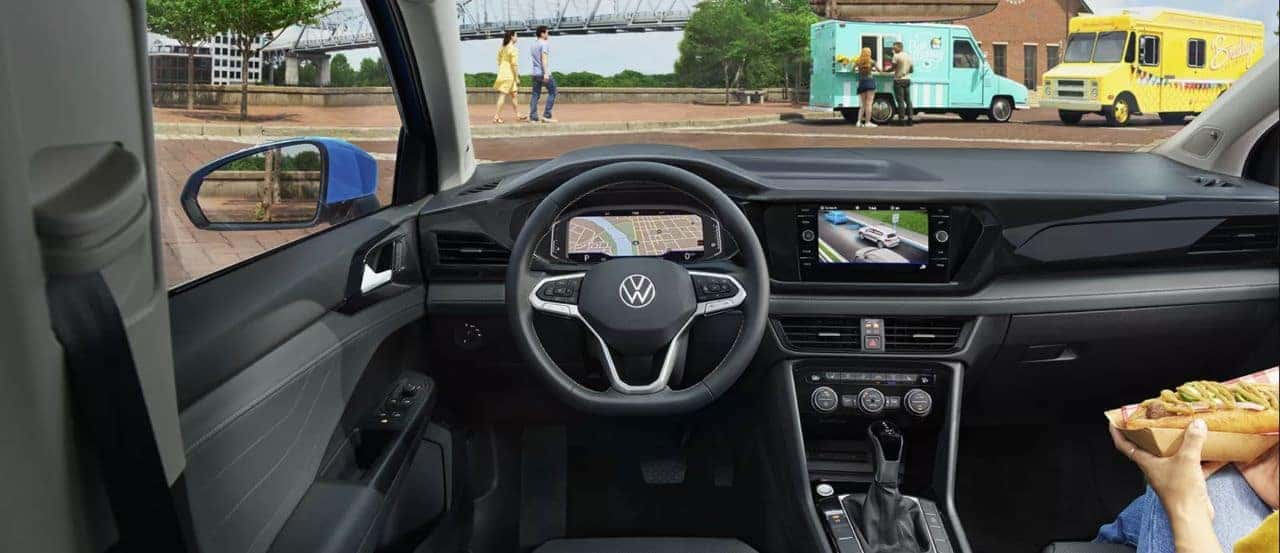
Volkswagen’s 2025 lineup has arrived, and with it comes an impressive selection of advanced tech features designed to elevate your driving experience. Whether you're looking for convenience, connectivity, or enhanced safety, these innovations deliver on all fronts. Speedcraft VW is excited to highlight three standout features that make these vehicles a must-have for the modern driver. 1. Remote Access with myVW App Control your car from wherever you are with the myVW app. This intuitive tool allows you to start your engine, lock or unlock your doors, and even honk or flash your lights—all from your smartphone. Electric vehicle drivers can remotely monitor and control charging, set timers, and manage charging profiles for added convenience. But it doesn’t stop there. Forgotten where you parked? The app shows your vehicle’s exact location, provides parking payment info, and even integrates with Parkopedia to make parking stress-free. Available on popular 2025 models like the Atlas, Atlas Cross Sport, Jetta, Taos, and ID.Buzz, this feature is the ultimate in smart car connectivity. 2. Wi-Fi Hotspot for Seamless Connectivity Stay connected on the go with the built-in Wi-Fi hotspot, offered as part of Volkswagen’s Car-Net subscription. With support for two major carriers, T-Mobile and Verizon, this hotspot delivers reliable 4G LTE speeds. Connect up to four devices simultaneously and handle everything from email and online gaming to web surfing and video calls right from your car. The Wi-Fi hotspot is available across key 2025 models, including the Atlas, Atlas Cross Sport, Jetta, Taos, and ID.Buzz—making road trips and commutes more productive and entertaining. 3. IQ.DRIVE for Smarter, Safer Travels Volkswagen’s IQ.DRIVE takes driver assistance to the next level. Designed with safety and ease of driving in mind, this suite of smart technologies provides features like Adaptive Cruise Control, which automatically adjusts your speed and maintains a safe distance from other cars. This system reduces fatigue and provides an extra layer of driver support, ensuring a more comfortable and secure ride. Whether it’s navigating daily traffic or heading out on long drives, IQ.DRIVE is standard in all 2025 models to ensure a safer and smoother experience. Find Your Next Volkswagen at Speedcraft VW Volkswagen’s 2025 lineup showcases an incredible fusion of innovation, convenience, and safety, setting a new benchmark for modern vehicles. Visit Speedcraft VW today to explore these advanced features firsthand and discover which model suits your lifestyle. Get behind the wheel of your future—stop by or schedule a test drive now!

Top 3 Tech Features in 2025 Volkswagen Models

Top 3 Tech Features in 2025 Volkswagen Models

Volkswagen’s 2025 lineup has arrived, and with it comes an impressive selection of advanced tech features designed to elevate your driving experience. Whether you're looking for convenience, connectivity, or enhanced safety, these innovations deliver on all fronts. Speedcraft VW is excited to highlight three standout features that make these vehicles a must-have for the modern driver. 1. Remote Access with myVW App Control your car from wherever you are with the myVW app. This intuitive tool allows you to start your engine, lock or unlock your doors, and even honk or flash your lights—all from your smartphone. Electric vehicle drivers can remotely monitor and control charging, set timers, and manage charging profiles for added convenience. But it doesn’t stop there. Forgotten where you parked? The app shows your vehicle’s exact location, provides parking payment info, and even integrates with Parkopedia to make parking stress-free. Available on popular 2025 models like the Atlas, Atlas Cross Sport, Jetta, Taos, and ID.Buzz, this feature is the ultimate in smart car connectivity. 2. Wi-Fi Hotspot for Seamless Connectivity Stay connected on the go with the built-in Wi-Fi hotspot, offered as part of Volkswagen’s Car-Net subscription. With support for two major carriers, T-Mobile and Verizon, this hotspot delivers reliable 4G LTE speeds. Connect up to four devices simultaneously and handle everything from email and online gaming to web surfing and video calls right from your car. The Wi-Fi hotspot is available across key 2025 models, including the Atlas, Atlas Cross Sport, Jetta, Taos, and ID.Buzz—making road trips and commutes more productive and entertaining. 3. IQ.DRIVE for Smarter, Safer Travels Volkswagen’s IQ.DRIVE takes driver assistance to the next level. Designed with safety and ease of driving in mind, this suite of smart technologies provides features like Adaptive Cruise Control, which automatically adjusts your speed and maintains a safe distance from other cars. This system reduces fatigue and provides an extra layer of driver support, ensuring a more comfortable and secure ride. Whether it’s navigating daily traffic or heading out on long drives, IQ.DRIVE is standard in all 2025 models to ensure a safer and smoother experience. Find Your Next Volkswagen at Speedcraft VW Volkswagen’s 2025 lineup showcases an incredible fusion of innovation, convenience, and safety, setting a new benchmark for modern vehicles. Visit Speedcraft VW today to explore these advanced features firsthand and discover which model suits your lifestyle. Get behind the wheel of your future—stop by or schedule a test drive now!

What Type of Fuel Does Your Volkswagen Need?

What Type of Fuel Does Your Volkswagen Need?

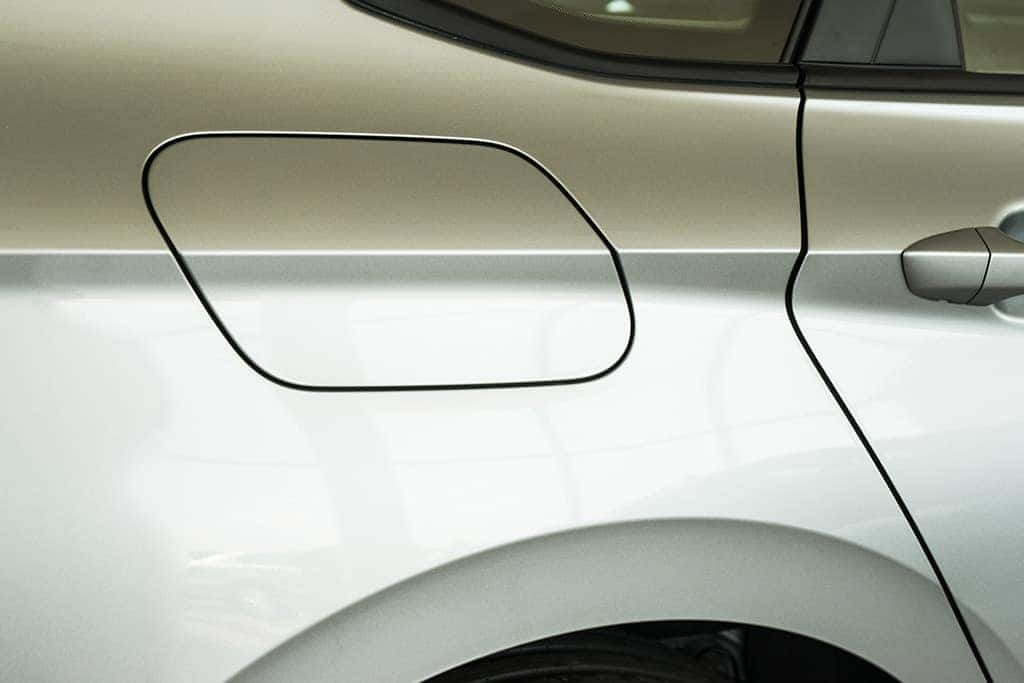
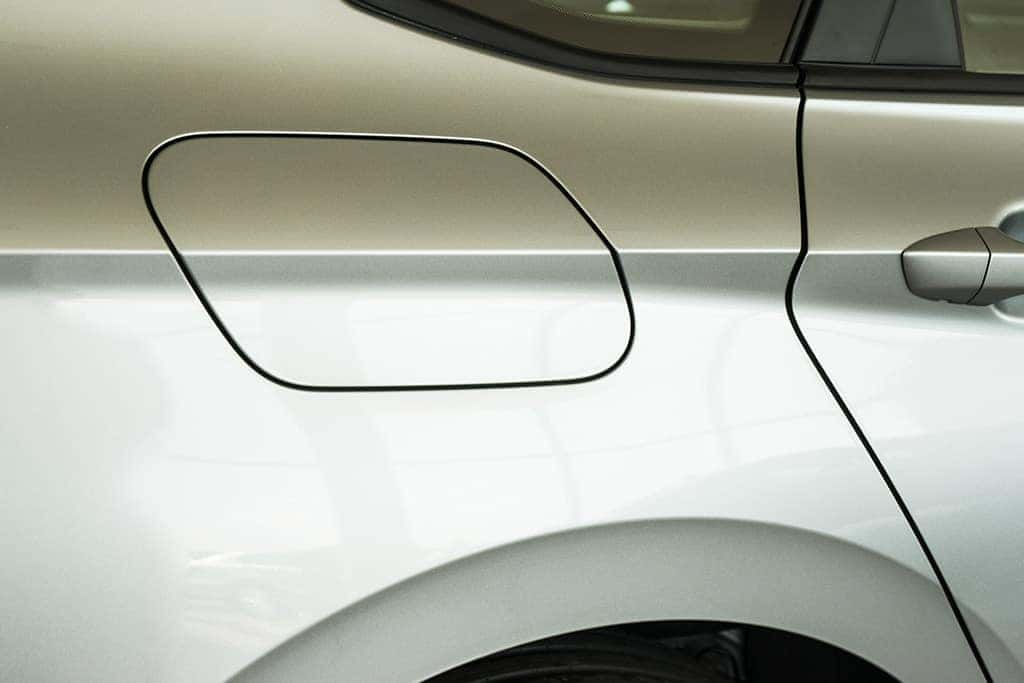
If you drive a Volkswagen, you may be wondering whether your car requires regular or premium gasoline. Choosing the right fuel is crucial for maintaining your vehicle's engine performance, efficiency, and longevity. While many Volkswagen models run perfectly fine on regular unleaded gas, some high-performance models require premium fuel to reach their full potential. This article will guide you through Volkswagen’s gas type recommendations for various models, helping you determine the best option for your car. Volkswagen Gas Type Recommendations Most modern Volkswagen vehicles are engineered to perform efficiently with regular unleaded gasoline (87 octane). However, some models—particularly those with turbocharged or high-performance engines—require premium fuel (91 octane or higher) for optimal performance. Here’s a breakdown of fuel recommendations by model: Volkswagen Models That Use Regular Unleaded Gas (87 Octane): Volkswagen Jetta Volkswagen Passat Volkswagen Taos Volkswagen Tiguan Volkswagen Atlas Volkswagen Atlas Cross Sport Volkswagen Models That Require Premium Gas (91 Octane or Higher): Volkswagen Golf R Volkswagen Arteon Volkswagen Electric Models (No Gas Required): Volkswagen ID.4 While regular unleaded fuel meets the needs of most Volkswagen models, high-performance vehicles like the Golf R and Arteon benefit from premium fuel, which maximizes power output and enhances torque. Be sure to consult your owner’s manual or check the inside of your fuel door for the manufacturer’s recommendations regarding fuel type. Should You Use Premium Gas in a Regular-Fuel Volkswagen? It’s a common question among Volkswagen owners—does premium fuel provide any advantages for vehicles designed to run on regular gas? Generally speaking, premium gasoline won’t improve the performance or fuel economy of a car specified for regular unleaded fuel. However, premium gas contains extra detergents that may help reduce carbon buildup in your engine. For Volkswagen models with turbocharged engines, such as those that allow for either fuel type, using premium gas could improve engine efficiency and reduce the risk of knocking. Still, unless your vehicle specifically requires premium fuel, this upgrade is not strictly necessary. Routine Maintenance Matters Fuel type isn’t the only aspect of maintaining your Volkswagen’s performance. Regular oil changes are critical to keeping your engine healthy and running smoothly. Most Volkswagen models require an oil change every 7,500 to 10,000 miles under normal driving conditions. You may need more frequent oil changes if you regularly face: Extreme heat Stop-and-go traffic Heavy towing or hauling Routine oil changes can: Boost engine performance and fuel efficiency Prolong the lifespan of your car Prevent harmful engine buildup Can’t recall when you last changed your oil? No worries—our service team at Speedcraft VW can help you get back on track. Schedule Your Volkswagen Maintenance with Speedcraft VW From choosing the right fuel to staying on top of oil changes, proper care ensures your Volkswagen remains efficient and reliable for years to come. At Speedcraft VW, we’re here to make it easy. Whether you need guidance on the best fuel type or it’s time for routine maintenance, our expert technicians are ready to assist. Book your oil change or maintenance appointment with Speedcraft VW today and keep your Volkswagen in peak condition.

What Type of Fuel Does Your Volkswagen Need?

What Type of Fuel Does Your Volkswagen Need?

If you drive a Volkswagen, you may be wondering whether your car requires regular or premium gasoline. Choosing the right fuel is crucial for maintaining your vehicle's engine performance, efficiency, and longevity. While many Volkswagen models run perfectly fine on regular unleaded gas, some high-performance models require premium fuel to reach their full potential. This article will guide you through Volkswagen’s gas type recommendations for various models, helping you determine the best option for your car. Volkswagen Gas Type Recommendations Most modern Volkswagen vehicles are engineered to perform efficiently with regular unleaded gasoline (87 octane). However, some models—particularly those with turbocharged or high-performance engines—require premium fuel (91 octane or higher) for optimal performance. Here’s a breakdown of fuel recommendations by model: Volkswagen Models That Use Regular Unleaded Gas (87 Octane): Volkswagen Jetta Volkswagen Passat Volkswagen Taos Volkswagen Tiguan Volkswagen Atlas Volkswagen Atlas Cross Sport Volkswagen Models That Require Premium Gas (91 Octane or Higher): Volkswagen Golf R Volkswagen Arteon Volkswagen Electric Models (No Gas Required): Volkswagen ID.4 While regular unleaded fuel meets the needs of most Volkswagen models, high-performance vehicles like the Golf R and Arteon benefit from premium fuel, which maximizes power output and enhances torque. Be sure to consult your owner’s manual or check the inside of your fuel door for the manufacturer’s recommendations regarding fuel type. Should You Use Premium Gas in a Regular-Fuel Volkswagen? It’s a common question among Volkswagen owners—does premium fuel provide any advantages for vehicles designed to run on regular gas? Generally speaking, premium gasoline won’t improve the performance or fuel economy of a car specified for regular unleaded fuel. However, premium gas contains extra detergents that may help reduce carbon buildup in your engine. For Volkswagen models with turbocharged engines, such as those that allow for either fuel type, using premium gas could improve engine efficiency and reduce the risk of knocking. Still, unless your vehicle specifically requires premium fuel, this upgrade is not strictly necessary. Routine Maintenance Matters Fuel type isn’t the only aspect of maintaining your Volkswagen’s performance. Regular oil changes are critical to keeping your engine healthy and running smoothly. Most Volkswagen models require an oil change every 7,500 to 10,000 miles under normal driving conditions. You may need more frequent oil changes if you regularly face: Extreme heat Stop-and-go traffic Heavy towing or hauling Routine oil changes can: Boost engine performance and fuel efficiency Prolong the lifespan of your car Prevent harmful engine buildup Can’t recall when you last changed your oil? No worries—our service team at Speedcraft VW can help you get back on track. Schedule Your Volkswagen Maintenance with Speedcraft VW From choosing the right fuel to staying on top of oil changes, proper care ensures your Volkswagen remains efficient and reliable for years to come. At Speedcraft VW, we’re here to make it easy. Whether you need guidance on the best fuel type or it’s time for routine maintenance, our expert technicians are ready to assist. Book your oil change or maintenance appointment with Speedcraft VW today and keep your Volkswagen in peak condition.

Best Volkswagen Models for Winter Driving

Best Volkswagen Models for Winter Driving

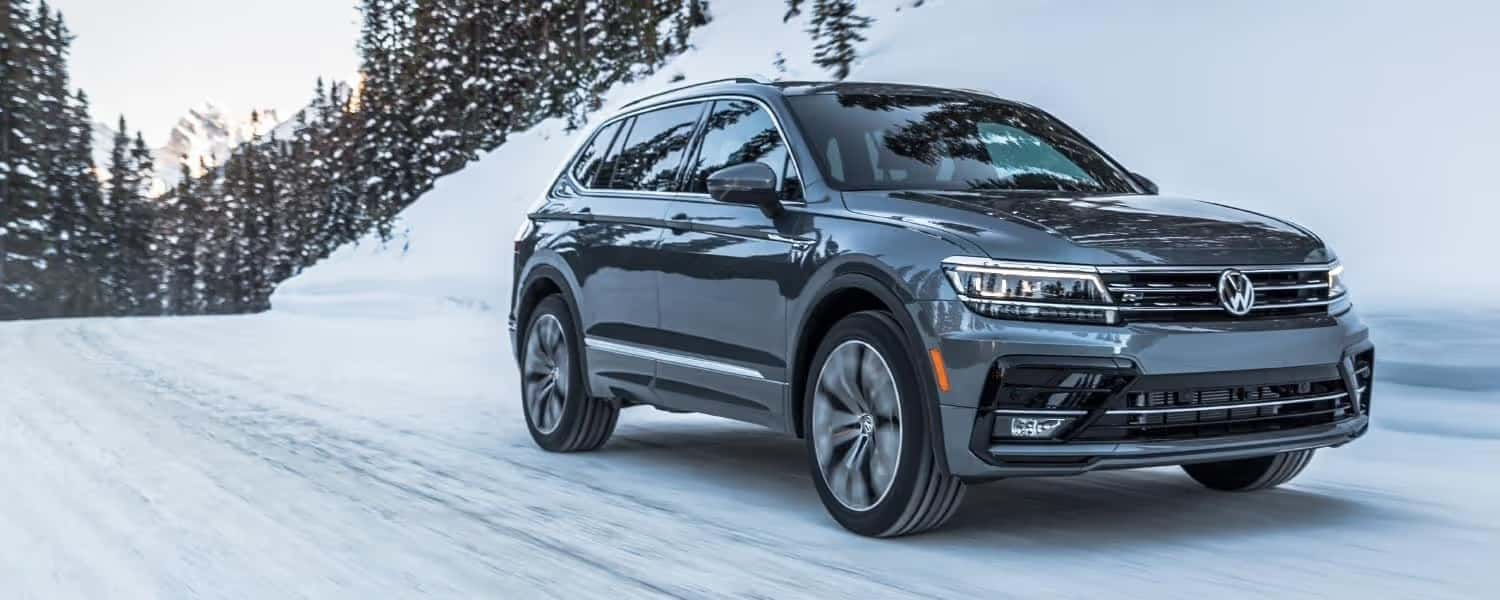
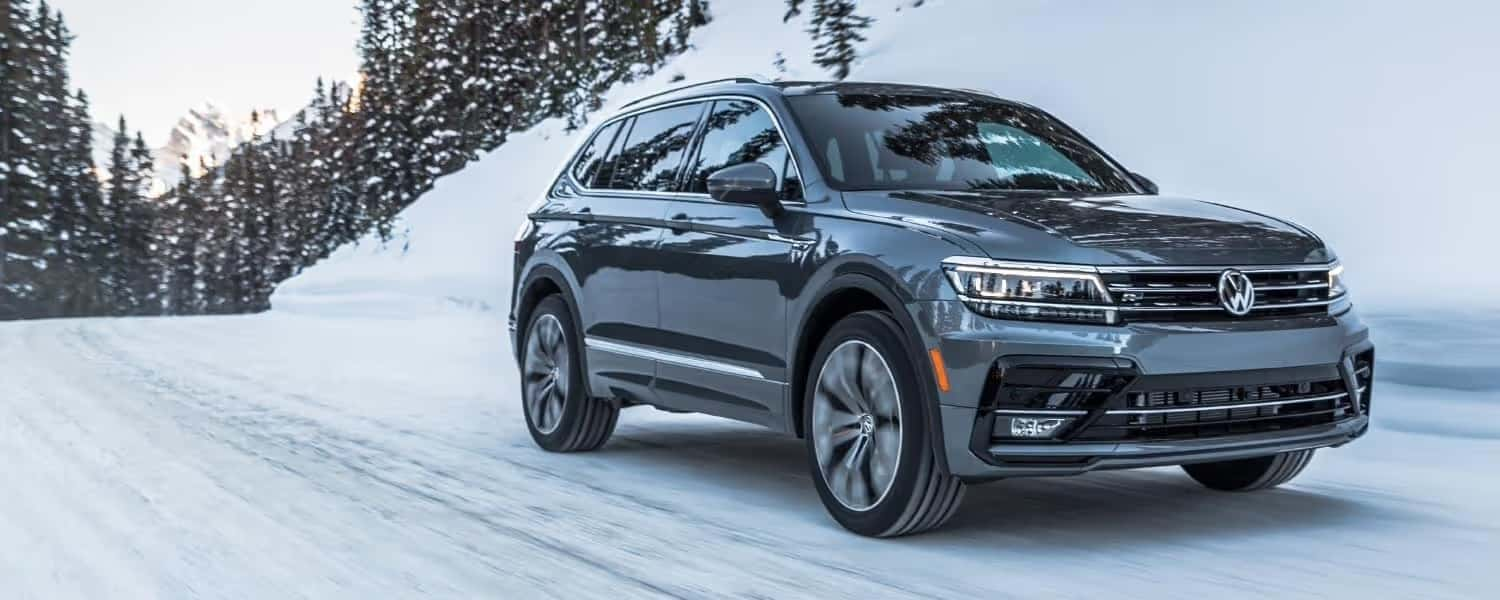
Winter is here, and with it comes icy roads, snowy terrain, and freezing temperatures. Whether you're navigating slick suburban streets or heading into the mountains for a snowy getaway, having the right car can make all the difference. At Speedcraft VW, we pride ourselves on offering vehicles that deliver exceptional safety, performance, and reliability during the colder months. Here’s a closer look at some of the top Volkswagen models made to handle winter’s worst with ease. Volkswagen Tiguan: The Versatile Winter SUV The Volkswagen Tiguan combines practicality and advanced technology, making it a top choice for winter driving. Its 4MOTION® all-wheel-drive system automatically adjusts power distribution to provide maximum traction on slippery or uneven surfaces. Paired with a turbocharged 2.0-liter TSI engine, the Tiguan performs consistently in all weather conditions. But it doesn’t just handle well—it keeps you comfortable, too. Heated front seats and dual-zone climate control ensure that both the driver and passengers stay warm during frosty commutes. Plus, the Tiguan has plenty of interior space for hauling winter gear, whether it’s snowboards or bulky coats. For utility and tech combined, the Tiguan stands out as a winter-ready vehicle that’s perfect for snow and ice. Volkswagen Atlas: Rugged Capability for Extreme Conditions Need a larger SUV that’s built for extreme winter challenges? Say hello to the Volkswagen Atlas. With available 4MOTION® all-wheel drive and multiple drive modes designed for snow, ice, and off-road conditions, the Atlas offers unmatched stability and control. Whether you’re driving on snow-packed streets or tackling mountainous terrain, this midsize SUV has you covered. Safety is another highlight of the Atlas, thanks to standard and available features like Adaptive Cruise Control, Lane Assist, and a Rear Traffic Alert system. These advanced driver-assistance technologies help you maintain confidence on slippery roads and in adverse conditions. And with heated front and rear seats, as well as a heated steering wheel, the Atlas ensures that everyone stays warm, no matter how cold it gets outside. Volkswagen ID.4: Electric Innovation for Winter Driving Think electric vehicles can’t handle the winter? Think again. The Volkswagen ID.4 is an all-electric SUV that redefines winter driving with its cutting-edge design and technology. Its available all-wheel drive provides impressive traction on snowy or icy roads, and the instant torque delivered by its electric motors ensures smooth acceleration, even in low-traction conditions. What really sets the ID.4 apart is its heat pump system, which heats the cabin without depleting the battery charge—a major advantage in cold climates. Combine eco-friendly performance with winter-ready capabilities, and the Volkswagen ID.4 proves that electric vehicles can thrive, even in snowy conditions. Volkswagen Golf R: Performance and Precision for Snowy Streets The Volkswagen Golf R is a sporty hatchback that blends performance with practicality, making it a great option for winter driving enthusiasts. Equipped with 4MOTION® all-wheel drive and a torque-vectoring rear differential, the Golf R is built to handle slippery roads with impressive precision. Its 315-horsepower turbocharged engine adds confidence, even during challenging weather. Inside, the Golf R doesn’t compromise on comfort. Heated front seats and a heated steering wheel keep you cozy on frosty mornings, while its compact body makes it agile and easy to maneuver on narrow, snow-covered streets. For those who want a car that’s as fun to drive as it is practical, the Golf R is the perfect winter companion. Volkswagen Passat: A Reliable Sedan for Snowy Conditions While SUVs often take the spotlight in winter, sedans like the Volkswagen Passat shouldn’t be overlooked. The Passat features available 4MOTION® all-wheel drive, offering stability and traction for snowy or icy roads. Its turbocharged engine ensures smooth and dependable performance, even in less-than-ideal conditions. Inside, heated front seats and dual-zone climate control keep you comfortable, while a spacious trunk provides ample room for winter essentials, like snow chains or emergency kits. If you’re looking for a sedan that can handle winter with ease, the Passat is a practical and reliable choice. Volkswagen Taos: Compact Yet Capable For those who want a smaller SUV that doesn’t skimp on winter features, the Volkswagen Taos delivers. Despite its compact size, the Taos offers impressive capabilities for icy roads, thanks to its available 4MOTION® all-wheel-drive system. This feature maintains stability and control by distributing power where it’s needed most. Plus, its turbocharged engine balances fuel efficiency with performance for both urban and highway winter driving. Comfort remains a priority in the Taos, with heated front seats and a heated steering wheel keeping you warm in cold weather. Its compact design makes it ideal for maneuvering through busy city streets, even when snow removal might be lacking. Need a compact SUV with serious winter chops? The Taos is ready to deliver. Advanced Safety Features Across the Lineup One of the key reasons Volkswagen vehicles excel in winter is the brand’s dedication to safety. Many models come standard with advanced driver-assistance systems that are invaluable during winter driving. Features like Electronic Stability Control (ESC), Anti-lock Braking Systems (ABS), and Adaptive Cruise Control help you stay safe on slippery or uneven roads. And then there’s IQ.DRIVE®, Volkswagen’s industry-leading suite of safety features. Available on several models, IQ.DRIVE® includes Forward Collision Warning, Emergency Assist, and Lane Keeping System, giving you peace of mind every time you hit the road in tough weather. Stay Comfortable with Winter-Ready Interiors Volkswagen doesn’t just focus on performance and safety—it emphasizes comfort, too. Heated seats, heated steering wheels, and advanced climate control systems are standard or available on a variety of Volkswagen models, ensuring you and your passengers stay cozy even in the coldest months. Paired with thoughtfully designed interiors, these features make Volkswagen vehicles the ultimate blend of comfort and capability for winter driving. Find Your Winter-Perfect Volkswagen at Speedcraft VW With so many incredible features designed for cold weather conditions, Volkswagen knows how to tackle winter with style and efficiency. At Speedcraft VW, we’re here to help you find the perfect car for snowy adventures, everyday commutes, and everything in between. Visit Speedcraft VW today and discover the winter-ready Volkswagen model that’s right for you. Whether it’s the versatile Tiguan, the rugged Atlas, or the innovative ID.4, we’ve got a Volkswagen for every winter driver. Stop by or browse our inventory online to learn more!

Best Volkswagen Models for Winter Driving

Best Volkswagen Models for Winter Driving

Winter is here, and with it comes icy roads, snowy terrain, and freezing temperatures. Whether you're navigating slick suburban streets or heading into the mountains for a snowy getaway, having the right car can make all the difference. At Speedcraft VW, we pride ourselves on offering vehicles that deliver exceptional safety, performance, and reliability during the colder months. Here’s a closer look at some of the top Volkswagen models made to handle winter’s worst with ease. Volkswagen Tiguan: The Versatile Winter SUV The Volkswagen Tiguan combines practicality and advanced technology, making it a top choice for winter driving. Its 4MOTION® all-wheel-drive system automatically adjusts power distribution to provide maximum traction on slippery or uneven surfaces. Paired with a turbocharged 2.0-liter TSI engine, the Tiguan performs consistently in all weather conditions. But it doesn’t just handle well—it keeps you comfortable, too. Heated front seats and dual-zone climate control ensure that both the driver and passengers stay warm during frosty commutes. Plus, the Tiguan has plenty of interior space for hauling winter gear, whether it’s snowboards or bulky coats. For utility and tech combined, the Tiguan stands out as a winter-ready vehicle that’s perfect for snow and ice. Volkswagen Atlas: Rugged Capability for Extreme Conditions Need a larger SUV that’s built for extreme winter challenges? Say hello to the Volkswagen Atlas. With available 4MOTION® all-wheel drive and multiple drive modes designed for snow, ice, and off-road conditions, the Atlas offers unmatched stability and control. Whether you’re driving on snow-packed streets or tackling mountainous terrain, this midsize SUV has you covered. Safety is another highlight of the Atlas, thanks to standard and available features like Adaptive Cruise Control, Lane Assist, and a Rear Traffic Alert system. These advanced driver-assistance technologies help you maintain confidence on slippery roads and in adverse conditions. And with heated front and rear seats, as well as a heated steering wheel, the Atlas ensures that everyone stays warm, no matter how cold it gets outside. Volkswagen ID.4: Electric Innovation for Winter Driving Think electric vehicles can’t handle the winter? Think again. The Volkswagen ID.4 is an all-electric SUV that redefines winter driving with its cutting-edge design and technology. Its available all-wheel drive provides impressive traction on snowy or icy roads, and the instant torque delivered by its electric motors ensures smooth acceleration, even in low-traction conditions. What really sets the ID.4 apart is its heat pump system, which heats the cabin without depleting the battery charge—a major advantage in cold climates. Combine eco-friendly performance with winter-ready capabilities, and the Volkswagen ID.4 proves that electric vehicles can thrive, even in snowy conditions. Volkswagen Golf R: Performance and Precision for Snowy Streets The Volkswagen Golf R is a sporty hatchback that blends performance with practicality, making it a great option for winter driving enthusiasts. Equipped with 4MOTION® all-wheel drive and a torque-vectoring rear differential, the Golf R is built to handle slippery roads with impressive precision. Its 315-horsepower turbocharged engine adds confidence, even during challenging weather. Inside, the Golf R doesn’t compromise on comfort. Heated front seats and a heated steering wheel keep you cozy on frosty mornings, while its compact body makes it agile and easy to maneuver on narrow, snow-covered streets. For those who want a car that’s as fun to drive as it is practical, the Golf R is the perfect winter companion. Volkswagen Passat: A Reliable Sedan for Snowy Conditions While SUVs often take the spotlight in winter, sedans like the Volkswagen Passat shouldn’t be overlooked. The Passat features available 4MOTION® all-wheel drive, offering stability and traction for snowy or icy roads. Its turbocharged engine ensures smooth and dependable performance, even in less-than-ideal conditions. Inside, heated front seats and dual-zone climate control keep you comfortable, while a spacious trunk provides ample room for winter essentials, like snow chains or emergency kits. If you’re looking for a sedan that can handle winter with ease, the Passat is a practical and reliable choice. Volkswagen Taos: Compact Yet Capable For those who want a smaller SUV that doesn’t skimp on winter features, the Volkswagen Taos delivers. Despite its compact size, the Taos offers impressive capabilities for icy roads, thanks to its available 4MOTION® all-wheel-drive system. This feature maintains stability and control by distributing power where it’s needed most. Plus, its turbocharged engine balances fuel efficiency with performance for both urban and highway winter driving. Comfort remains a priority in the Taos, with heated front seats and a heated steering wheel keeping you warm in cold weather. Its compact design makes it ideal for maneuvering through busy city streets, even when snow removal might be lacking. Need a compact SUV with serious winter chops? The Taos is ready to deliver. Advanced Safety Features Across the Lineup One of the key reasons Volkswagen vehicles excel in winter is the brand’s dedication to safety. Many models come standard with advanced driver-assistance systems that are invaluable during winter driving. Features like Electronic Stability Control (ESC), Anti-lock Braking Systems (ABS), and Adaptive Cruise Control help you stay safe on slippery or uneven roads. And then there’s IQ.DRIVE®, Volkswagen’s industry-leading suite of safety features. Available on several models, IQ.DRIVE® includes Forward Collision Warning, Emergency Assist, and Lane Keeping System, giving you peace of mind every time you hit the road in tough weather. Stay Comfortable with Winter-Ready Interiors Volkswagen doesn’t just focus on performance and safety—it emphasizes comfort, too. Heated seats, heated steering wheels, and advanced climate control systems are standard or available on a variety of Volkswagen models, ensuring you and your passengers stay cozy even in the coldest months. Paired with thoughtfully designed interiors, these features make Volkswagen vehicles the ultimate blend of comfort and capability for winter driving. Find Your Winter-Perfect Volkswagen at Speedcraft VW With so many incredible features designed for cold weather conditions, Volkswagen knows how to tackle winter with style and efficiency. At Speedcraft VW, we’re here to help you find the perfect car for snowy adventures, everyday commutes, and everything in between. Visit Speedcraft VW today and discover the winter-ready Volkswagen model that’s right for you. Whether it’s the versatile Tiguan, the rugged Atlas, or the innovative ID.4, we’ve got a Volkswagen for every winter driver. Stop by or browse our inventory online to learn more!

Evolution of Car Safety Features

Evolution of Car Safety Features

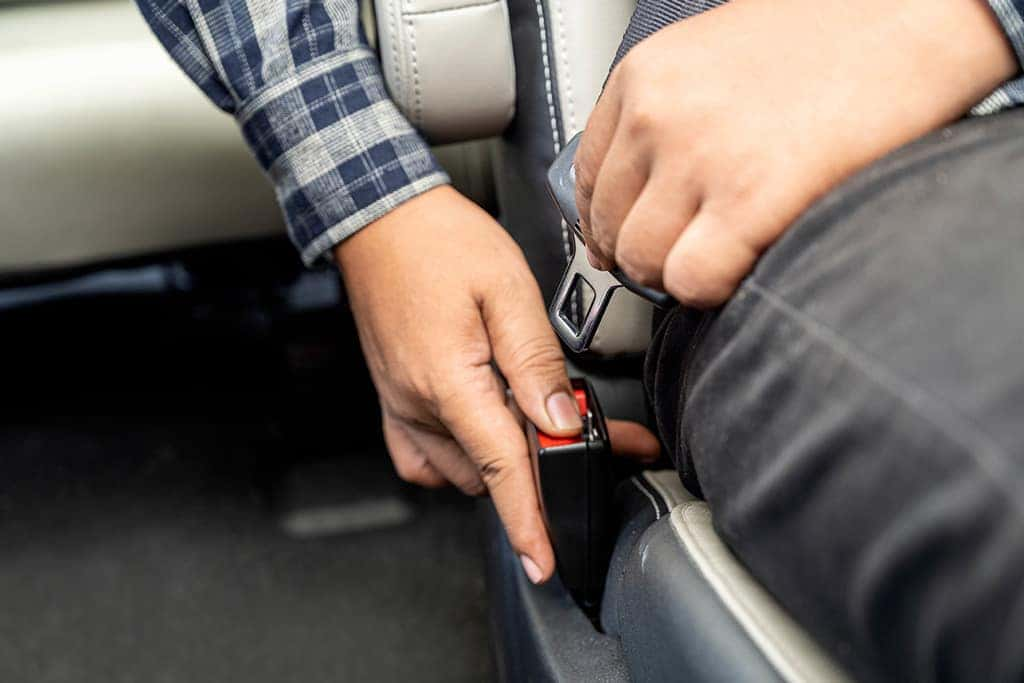
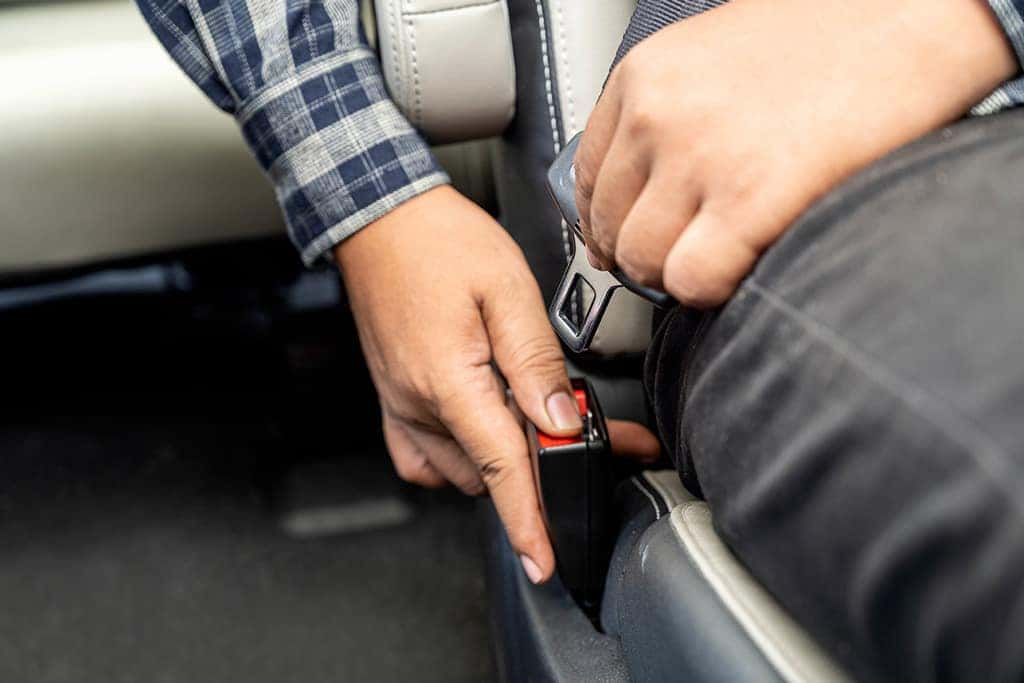
From Seatbelts to Sensors: The Evolution of Car Safety Features Car safety has come a long way since the automobile first graced our streets. From rudimentary seatbelts to cars that can anticipate and prevent accidents, the evolution of safety features has been nothing short of revolutionary. But these innovations aren't just fascinating—they've saved countless lives. For Volkswagen (VW) owners, understanding this history is more than an interesting trip down memory lane—it's a reminder of the leaps in technology that protect drivers and passengers every day. Early Car Safety Features When cars first emerged in the late 19th and early 20th centuries, safety wasn’t a top priority. Early automobiles lacked even the most basic protections that we take for granted now. Seatbelts Believe it or not, seatbelts weren’t standard in vehicles until the 1960s. Volvo is credited with first introducing the three-point seatbelt in 1959, a feature that quickly became essential. Basic lap belts were initially quite rudimentary, but the move to three-point designs dramatically improved driver and passenger safety. Braking Systems Early cars had simple mechanical brakes that operated on just two wheels. Hydraulic brakes, which use fluid to generate braking pressure, were introduced in the 1920s to provide better reliability and safety. This pivotal technology laid the foundation for many of the advanced braking systems we use today. Mid-20th Century Innovations By the mid-20th century, automakers began to prioritize safety as a selling point. This period saw the introduction of several practical features designed to mitigate injuries in accidents. Padded Dashboards Introduced in the 1940s and 50s, padded dashboards helped reduce head injuries during collisions. They were a simple yet effective way to add a layer of protection to the vehicle's interior. Collapsible Steering Columns Another significant development was the collapsible steering column, which became standard in the 1960s. Designed to absorb energy during a crash, this feature dramatically reduced fatal injuries caused by rigid steering columns. Volkswagen also began refining its safety features during this era, adopting many of these innovations early to ensure customer safety. Late 20th-Century Advancements The late 20th century marked a golden age for automotive safety innovations. Technology advanced rapidly, and cars became significantly safer overall. Airbags One of the most impactful additions to automotive safety was the airbag. Introduced in the late 1980s and early 1990s, airbags were designed to deploy instantly during a collision, providing an additional layer of protection. Today, airbags are a standard feature in every car, protecting occupants from frontal, side, and even knee injuries. Anti-lock Braking Systems (ABS) Debuting in the 1970s and becoming widespread by the late '80s, ABS revolutionized braking performance. ABS prevents a vehicle's wheels from locking up during hard braking, allowing the driver to steer and maintain control. Many VW models were among the early adopters, integrating ABS to ensure safer driving experiences. Traction Control Systems Traction control gained popularity in the 1980s and 90s, helping drivers maintain grip on slippery or uneven surfaces. It works by limiting wheel spin during acceleration, significantly improving road safety in adverse conditions—a feature VW also incorporated into its vehicles during this period. Modern Car Safety Technologies The 21st century has seen the rise of advanced, intelligent car safety systems. These modern innovations do more than protect you in an accident—they help prevent accidents in the first place. Advanced Driver-Assistance Systems (ADAS) ADAS features like lane departure warning, adaptive cruise control, and blind-spot monitoring are now standard in many vehicles. These systems use sensors and cameras to detect potential hazards and alert drivers—or even intervene—when necessary. Automatic Emergency Braking (AEB) AEB is another game-changer that can stop your car automatically if it senses an imminent collision. This innovation is particularly effective at reducing rear-end collisions and is gradually being adopted industry-wide. Volkswagen's ADAS Features VW vehicles come equipped with innovative safety technologies such as Adaptive Cruise Control (ACC), Lane Assist, and Front Assist, which includes AEB and pedestrian detection. These features reinforce Volkswagen's long-standing commitment to prioritizing safety. VW's Commitment to Safety Volkswagen has consistently been at the forefront of safety innovation. Whether it’s the early adoption of ABS and airbags or the integration of cutting-edge ADAS systems today, VW has always prioritized protecting its drivers and passengers. VW models like the Volkswagen ID.4 and Volkswagen Tiguan feature advanced safety packages that include everything from post-collision braking systems to traffic jam assistance. These offerings reinforce the brand’s legacy as a safety leader. The Future of Car Safety Looking ahead, the automotive industry is filled with promise. The next frontier of car safety lies in autonomous driving technologies. Here's what we can expect: Full Autonomy Self-driving cars are inching closer to reality. While semi-autonomous features like Tesla's Autopilot are available, fully autonomous vehicles may soon remove the need for human intervention altogether. Vehicle-to-Vehicle (V2V) Communication Imagine cars communicating with each other to prevent accidents. V2V communication can share information like speed, location, and road conditions to warn drivers about potential hazards. Advanced AI for Smarter Systems Artificial intelligence is expected to play a prominent role in future safety systems. AI is already improving ADAS capabilities, and future developments will likely introduce even more predictive safety measures. Volkswagen is at the forefront of these advancements, consistently investing in research and development to stay ahead of the curve. Staying Safe on the Road The history of car safety is a testament to the continuous drive for innovation. Every decade has brought advancements that have made our journeys safer and our lives longer. For VW owners, this progress is embodied in every vehicle that carries the iconic emblem. When you’re shopping for your next car—or considering an upgrade—pay careful attention to the safety features available. Investing in a vehicle equipped with the latest technologies could make all the difference. Volkswagen remains a trusted partner in safety, combining heritage with cutting-edge innovation. Stay informed, drive smart, and enjoy the peace of mind that modern automotive technology brings.

Evolution of Car Safety Features

Evolution of Car Safety Features

From Seatbelts to Sensors: The Evolution of Car Safety Features Car safety has come a long way since the automobile first graced our streets. From rudimentary seatbelts to cars that can anticipate and prevent accidents, the evolution of safety features has been nothing short of revolutionary. But these innovations aren't just fascinating—they've saved countless lives. For Volkswagen (VW) owners, understanding this history is more than an interesting trip down memory lane—it's a reminder of the leaps in technology that protect drivers and passengers every day. Early Car Safety Features When cars first emerged in the late 19th and early 20th centuries, safety wasn’t a top priority. Early automobiles lacked even the most basic protections that we take for granted now. Seatbelts Believe it or not, seatbelts weren’t standard in vehicles until the 1960s. Volvo is credited with first introducing the three-point seatbelt in 1959, a feature that quickly became essential. Basic lap belts were initially quite rudimentary, but the move to three-point designs dramatically improved driver and passenger safety. Braking Systems Early cars had simple mechanical brakes that operated on just two wheels. Hydraulic brakes, which use fluid to generate braking pressure, were introduced in the 1920s to provide better reliability and safety. This pivotal technology laid the foundation for many of the advanced braking systems we use today. Mid-20th Century Innovations By the mid-20th century, automakers began to prioritize safety as a selling point. This period saw the introduction of several practical features designed to mitigate injuries in accidents. Padded Dashboards Introduced in the 1940s and 50s, padded dashboards helped reduce head injuries during collisions. They were a simple yet effective way to add a layer of protection to the vehicle's interior. Collapsible Steering Columns Another significant development was the collapsible steering column, which became standard in the 1960s. Designed to absorb energy during a crash, this feature dramatically reduced fatal injuries caused by rigid steering columns. Volkswagen also began refining its safety features during this era, adopting many of these innovations early to ensure customer safety. Late 20th-Century Advancements The late 20th century marked a golden age for automotive safety innovations. Technology advanced rapidly, and cars became significantly safer overall. Airbags One of the most impactful additions to automotive safety was the airbag. Introduced in the late 1980s and early 1990s, airbags were designed to deploy instantly during a collision, providing an additional layer of protection. Today, airbags are a standard feature in every car, protecting occupants from frontal, side, and even knee injuries. Anti-lock Braking Systems (ABS) Debuting in the 1970s and becoming widespread by the late '80s, ABS revolutionized braking performance. ABS prevents a vehicle's wheels from locking up during hard braking, allowing the driver to steer and maintain control. Many VW models were among the early adopters, integrating ABS to ensure safer driving experiences. Traction Control Systems Traction control gained popularity in the 1980s and 90s, helping drivers maintain grip on slippery or uneven surfaces. It works by limiting wheel spin during acceleration, significantly improving road safety in adverse conditions—a feature VW also incorporated into its vehicles during this period. Modern Car Safety Technologies The 21st century has seen the rise of advanced, intelligent car safety systems. These modern innovations do more than protect you in an accident—they help prevent accidents in the first place. Advanced Driver-Assistance Systems (ADAS) ADAS features like lane departure warning, adaptive cruise control, and blind-spot monitoring are now standard in many vehicles. These systems use sensors and cameras to detect potential hazards and alert drivers—or even intervene—when necessary. Automatic Emergency Braking (AEB) AEB is another game-changer that can stop your car automatically if it senses an imminent collision. This innovation is particularly effective at reducing rear-end collisions and is gradually being adopted industry-wide. Volkswagen's ADAS Features VW vehicles come equipped with innovative safety technologies such as Adaptive Cruise Control (ACC), Lane Assist, and Front Assist, which includes AEB and pedestrian detection. These features reinforce Volkswagen's long-standing commitment to prioritizing safety. VW's Commitment to Safety Volkswagen has consistently been at the forefront of safety innovation. Whether it’s the early adoption of ABS and airbags or the integration of cutting-edge ADAS systems today, VW has always prioritized protecting its drivers and passengers. VW models like the Volkswagen ID.4 and Volkswagen Tiguan feature advanced safety packages that include everything from post-collision braking systems to traffic jam assistance. These offerings reinforce the brand’s legacy as a safety leader. The Future of Car Safety Looking ahead, the automotive industry is filled with promise. The next frontier of car safety lies in autonomous driving technologies. Here's what we can expect: Full Autonomy Self-driving cars are inching closer to reality. While semi-autonomous features like Tesla's Autopilot are available, fully autonomous vehicles may soon remove the need for human intervention altogether. Vehicle-to-Vehicle (V2V) Communication Imagine cars communicating with each other to prevent accidents. V2V communication can share information like speed, location, and road conditions to warn drivers about potential hazards. Advanced AI for Smarter Systems Artificial intelligence is expected to play a prominent role in future safety systems. AI is already improving ADAS capabilities, and future developments will likely introduce even more predictive safety measures. Volkswagen is at the forefront of these advancements, consistently investing in research and development to stay ahead of the curve. Staying Safe on the Road The history of car safety is a testament to the continuous drive for innovation. Every decade has brought advancements that have made our journeys safer and our lives longer. For VW owners, this progress is embodied in every vehicle that carries the iconic emblem. When you’re shopping for your next car—or considering an upgrade—pay careful attention to the safety features available. Investing in a vehicle equipped with the latest technologies could make all the difference. Volkswagen remains a trusted partner in safety, combining heritage with cutting-edge innovation. Stay informed, drive smart, and enjoy the peace of mind that modern automotive technology brings.

2025 Volkswagen ID.7 vs. Hyundai Ioniq 6

2025 Volkswagen ID.7 vs. Hyundai Ioniq 6

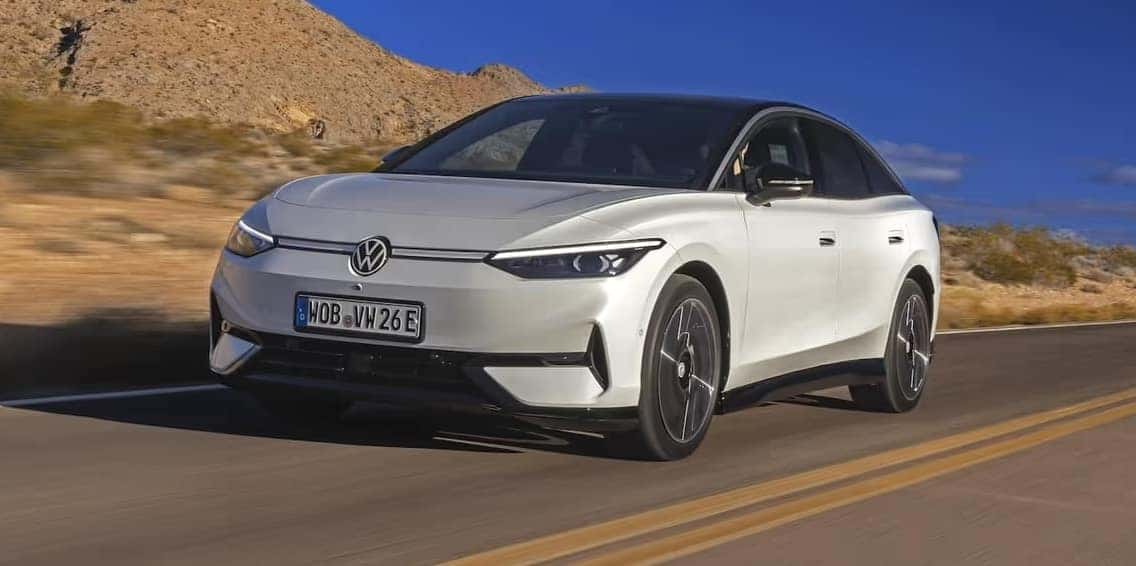
The electric vehicle (EV) market is heating up as automakers continue innovating to offer consumers luxury, performance, and eco-friendly driving. Two contenders leading the charge for 2025 are the Volkswagen ID.7 and Hyundai Ioniq 6, each bringing unique features to redefine expectations for electric sedans. If you're considering an EV upgrade, here’s how these two models stack up. Design & Aesthetic Appeal Hyundai Ioniq 6 The Hyundai Ioniq 6 immediately grabs attention with its sleek, aerodynamic silhouette, which Hyundai describes as “Iconic.” Beyond its futuristic design, the aerodynamics aren’t just for show—they contribute to enhanced efficiency. Inside, the Ioniq 6 offers a minimalist, lounge-inspired interior designed for comfort. Hyundai ensures a serene cabin experience with robust noise insulation, making every ride feel luxurious. Volkswagen ID.7 The Volkswagen ID.7 blends European elegance with modern sensibilities, delivering a streamlined and futuristic design. Its clean lines reflect Volkswagen’s dedication to understated luxury. Inside, the cabin boasts a tech-forward setup with digital screens dominating the dashboard. Features like augmented reality (AR) displays elevate the driving experience, seamlessly merging comfort and cutting-edge technology. Performance, Range & Technology Hyundai Ioniq 6 With multiple powertrain options, the Hyundai Ioniq 6 caters to various driving preferences. Buyers can choose between a rear-wheel-drive version with 225 horsepower or an all-wheel-drive model that delivers up to 320 horsepower. The AWD variant delivers sportscar-like acceleration, hitting 0-60 mph in just 4.3 seconds. It also offers an impressive EPA-estimated range of up to 342 miles, although real-world highway conditions yield slightly lower numbers. On the tech side, the Ioniq 6 comes equipped with a 12.3-inch digital gauge cluster, an infotainment screen with Apple CarPlay and Android Auto, and critical safety features like automated emergency braking and adaptive cruise control. Volkswagen ID.7 The Volkswagen ID.7 starts strong with its base motor delivering 282 horsepower, upgradeable to a dual-motor AWD version boasting an impressive 335 horsepower. While the EPA range remains unconfirmed, early projections from the European WLTP suggest up to 382 miles per charge, making it a strong contender for long trips. Tech lovers will appreciate the 15-inch infotainment screen paired with AR windshield displays. Advanced features like Volkswagen’s IQ Drive, complete with enhanced lane-changing capabilities and park assist, transform the ID.7 into a modern driving powerhouse. Comfort & Interior Space Hyundai Ioniq 6 Hyundai emphasizes passenger comfort with a flat cabin floor that creates an open, spacious environment. However, the sloping roofline may limit rear headroom for taller passengers. The vehicle’s strong soundproofing ensures a peaceful driving experience, aligning with its premium aspirations. Volkswagen ID.7 The Volkswagen ID.7 balances luxury and practicality with its spacious interior and unparalleled seating options. Higher trims include heated front seats with massage functions, ideal for long drives. Despite its tech-heavy design, the cabin retains a light, airy feel that doesn’t compromise on comfort. Pricing & Value Hyundai Ioniq 6 Starting at approximately $42,000, the Hyundai Ioniq 6 offers excellent value for its range, performance, and features. It’s a strong option for buyers seeking stylish design and modern technology without a premium price tag. Volkswagen ID.7 With a starting price near $50,000, the Volkswagen ID.7 positions itself as a premium option. Its advanced technology, luxurious design, and extended range justify the higher cost. It appeals to drivers ready to invest in a near-luxury experience. Final Breakdown The 2025 Hyundai Ioniq 6 and Volkswagen ID.7 cater to different priorities, making each an exciting choice depending on what you value most in an EV. Choose the Hyundai Ioniq 6 if you're looking for a sleek, efficient, and affordable electric sedan that offers strong performance and range. Choose the Volkswagen ID.7 if you prioritize cutting-edge technology, a more premium cabin experience, and a slightly greater driving range for long-distance travel. Explore the Volkswagen ID.7 at Speedcraft VW Still deciding which EV fits your lifestyle? Visit Speedcraft VW to learn more about the 2025 Volkswagen ID.7. Our team is here to answer your questions, help you compare features, and schedule a test drive. Whether it’s your first time exploring electric or you're a seasoned EV driver, Speedcraft VW is ready to guide you toward the perfect vehicle. Discover the Volkswagen ID.7 today and step into the future of driving!

Contact Us

Fill out this form below and we'll contact you shortly
*Required Fields