

Winter is tough, but luckily your Volkswagen can take it. The snow, ice and frigid temperatures make driving more challenging and proper maintenance essential. Here are a few ways drivers can prepare for the unpredictable, but remember, the factory-trained and certified service technicians at Speedcraft VW in Wakefield are available to help with any number of issues. The Speedcraft VW service department offers Volkswagen Service Xpress. You'll get the same high level of service and genuine VW parts, but without an appointment. For quality, convenience and competitive prices, jump in the fast lane today for oil and filter changes, exterior bulb replacement, air filter replacement, tire rotation, cabin filter replacement, new wiper blades and a battery check and replacement. No appointment is needed. Schedule Service At a Time that Works for Your Lifestyle Speedcraft VW also offers lots of ways to keep your car and wallet happy at the same time. Take a look at these great car service and maintenance coupons. At Speedcraft VW, we can make your vehicle even tougher with accessories to give you extra protection from the winter elements, like splash guards, a hood protector and all-season floor mats. With some preparation and additional protection, you’ll be ready for anything this winter. Here are some guidelines for keeping your VW ready for whatever winter can dish out. Bring your VW in today and our service specialists can help. Check the antifreeze – Antifreeze and water are normally mixed at a 50/50 ratio. That typically puts your protection level at twenty degrees below zero. Bolster the battery – If water levels are low, add distilled water to cover the lead plates inside your battery. Also make sure battery cables and terminals are clean and tight. Measure the tires – Measure your tire tread and consider replacing your tires if they reach approximately 4/32" of remaining tread depth, or switch to snow tires. Then check your tire pressure, which can be lowered by cold temperatures. Adjust as needed. Check windshield wipers and fluid – If your wiper blades are more than six months old, replace them for winter. Make sure your wipers are free of frost, frozen rain or snow before turning them on. Use a washer solution that won't freeze in winter temperatures, and be prepared to top it off often. Change oil regularly – Be sure to stay up to date on oil changes throughout the winter. Protect the paint – Give the exterior a coat of wax because cold, ice, snow and salt can be tough on paint. Wash your VW as often as possible during the winter, making sure to clean in the wheel wells and underneath to prevent buildup and damage. Whether your vehicle is due for a routine oil change or needs repair work, you can count on the Speedcraft VW service team to get the job done right.
All
Tips and Info
Service
VW Tiguan
VW Jetta
Local News and Events
Dealership News
FAQ
VW Atlas
Rhode Island Tourism
VW Golf
Safety
VW Passat
VW GTI
VW Golf Alltrack
News
VW Beetle
VW Golf SportWagen
VW Technology
Parts and Accessories
VW News
Vehicle Comparison
VW Golf R
Sales Events
VW e-Golf
VW Touareg
Oil Maintenance Program
Tips
Tire Service
Carefree Maintenance Program
VW ID4
Certified Pre-Owned
Financing
VW Taos
Electric Vehicles
Comparison
Features
College Graduate Program
Concepts
fuel efficiency
VW Arteon
VW Atlas Cross Sport
Accessories
Locations
Convertible
OEM eStore
VW CC
AWD
VW Eos
VW ID. Buzz
Warranty
TDI Clean Diesel
Lease
VW Dealer
VW ID.7
VW e_Golf
Awards
Employment
VW ID.2
Winter Service Reminders, Deals for Your VW
Winter is tough, but luckily your Volkswagen can take it. The snow, ice and frigid temperatures make driving more challenging and proper maintenance essential. Here are a few ways drivers can prepare for the unpredictable, but remember, the factory-trained and certified service technicians at Speedcraft VW in Wakefield are available to help with any number of issues. The Speedcraft VW service department offers Volkswagen Service Xpress. You'll get the same high level of service and genuine VW parts, but without an appointment. For quality, convenience and competitive prices, jump in the fast lane today for oil and filter changes, exterior bulb replacement, air filter replacement, tire rotation, cabin filter replacement, new wiper blades and a battery check and replacement. No appointment is needed. Schedule Service At a Time that Works for Your Lifestyle Speedcraft VW also offers lots of ways to keep your car and wallet happy at the same time. Take a look at these great car service and maintenance coupons. At Speedcraft VW, we can make your vehicle even tougher with accessories to give you extra protection from the winter elements, like splash guards, a hood protector and all-season floor mats. With some preparation and additional protection, you’ll be ready for anything this winter. Here are some guidelines for keeping your VW ready for whatever winter can dish out. Bring your VW in today and our service specialists can help. Check the antifreeze – Antifreeze and water are normally mixed at a 50/50 ratio. That typically puts your protection level at twenty degrees below zero. Bolster the battery – If water levels are low, add distilled water to cover the lead plates inside your battery. Also make sure battery cables and terminals are clean and tight. Measure the tires – Measure your tire tread and consider replacing your tires if they reach approximately 4/32" of remaining tread depth, or switch to snow tires. Then check your tire pressure, which can be lowered by cold temperatures. Adjust as needed. Check windshield wipers and fluid – If your wiper blades are more than six months old, replace them for winter. Make sure your wipers are free of frost, frozen rain or snow before turning them on. Use a washer solution that won't freeze in winter temperatures, and be prepared to top it off often. Change oil regularly – Be sure to stay up to date on oil changes throughout the winter. Protect the paint – Give the exterior a coat of wax because cold, ice, snow and salt can be tough on paint. Wash your VW as often as possible during the winter, making sure to clean in the wheel wells and underneath to prevent buildup and damage. Whether your vehicle is due for a routine oil change or needs repair work, you can count on the Speedcraft VW service team to get the job done right.
How can I drive safely this winter?
Tips for safe winter driving There is going to be snow this winter, so you should be careful while driving. We want to help drivers stay safe on the road and that is why we have created this list of tips for safe winter driving. Let's take a look and see what you can do to better protect your family while on the road this winter. READ MORE: How to Stay Awake and Alert During Long Road Trips Drive Slowly The first rule of driving on snowy roads is to drive slower. It doesn't take much for your vehicle to slip on snow or ice. If you are going fast and the tires hit a patch of ice, the less likely you are to remain in control of your vehicle. This can happen a lot on turns, so make sure you are driving at an appropriate speed. Brakes and Wheels If your brakes are getting stiff and you need to push harder to stop completely, it would be a good idea to get your brakes checked. If your tires are losing traction or are wearing out, you should rotate them or buy new tires. AWD If you can choose which vehicle to drive during the winter, one with All Wheel Drive is going to have better handling on the road. If you don't have a vehicle with All Wheel Drive, that does not mean your vehicle is unsafe, it just means that your rear tires will not be able to help as much as the ones in the front. Adding extra weight to the back of your vehicle can help as well. Putting sand bags in the rear or carrying passengers makes it easier to stay in control. READ MORE: How do you use a roundabout? Those are our tips for safe winter driving. If you would like to learn about our available Volkswagen models, check out our online inventory and schedule a test drive with us at Speedcraft Volkswagen today.
How can I drive safely this winter?
Tips for safe winter driving There is going to be snow this winter, so you should be careful while driving. We want to help drivers stay safe on the road and that is why we have created this list of tips for safe winter driving. Let's take a look and see what you can do to better protect your family while on the road this winter. READ MORE: How to Stay Awake and Alert During Long Road Trips Drive Slowly The first rule of driving on snowy roads is to drive slower. It doesn't take much for your vehicle to slip on snow or ice. If you are going fast and the tires hit a patch of ice, the less likely you are to remain in control of your vehicle. This can happen a lot on turns, so make sure you are driving at an appropriate speed. Brakes and Wheels If your brakes are getting stiff and you need to push harder to stop completely, it would be a good idea to get your brakes checked. If your tires are losing traction or are wearing out, you should rotate them or buy new tires. AWD If you can choose which vehicle to drive during the winter, one with All Wheel Drive is going to have better handling on the road. If you don't have a vehicle with All Wheel Drive, that does not mean your vehicle is unsafe, it just means that your rear tires will not be able to help as much as the ones in the front. Adding extra weight to the back of your vehicle can help as well. Putting sand bags in the rear or carrying passengers makes it easier to stay in control. READ MORE: How do you use a roundabout? Those are our tips for safe winter driving. If you would like to learn about our available Volkswagen models, check out our online inventory and schedule a test drive with us at Speedcraft Volkswagen today.
VW Names and Their Meanings
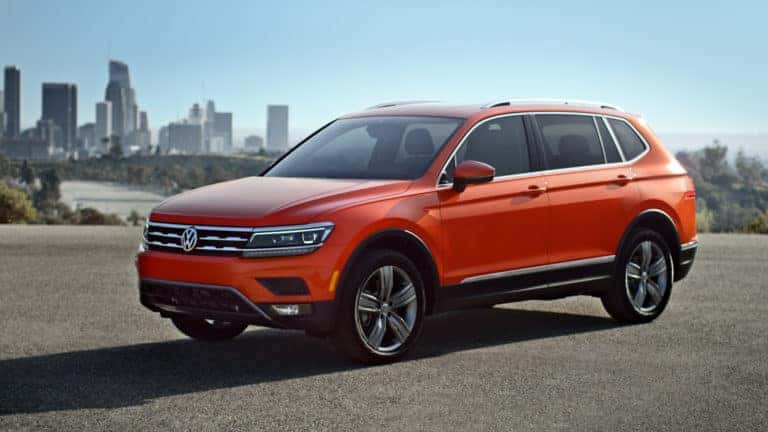
Volkswagen is German for “the people’s car” and it is just one of many unusual VW names associated with the entire lineup. All names fit each vehicle. Read on to find out about Volkswagen model names and their meanings, questions we're often asked at Speedcraft VW in Wakefield. VW Beetle Originally named “The Volkswagen Type 1,” the Beetle eventually adopted its current name based on its classic design. Käfer is the German word for Beetle. In production since the 1930s, it was once the best-selling vehicle of all time. The Beetle also has some other nicknames in different languages: “Blaben” or Bubble in Danish and “Coccinelle” for Ladybug in French. Volkswagen Golf The VW Golf is one of the most popular families of hatchbacks and wagons in the industry, but the story behind its name is odd. It would be logical to assume the name comes from the German word for the Gulf Stream ocean current. However, it appears that the name was taken from a VW executive’s horse. VW Tiguan During the crossover SUV’s development phase, Volkswagen did a survey in a German automotive magazine that featured several options. They chose he totally-made-up tiger/iguana crossbreed. Tiguan is actually a blend of the German words for tiger (which is also tiger) and iguana (or leguan). VW Touareg The mid-size luxury crossover SUV was named after the nomadic Tuareg people, inhabitants of the Saharan interior in North Africa.. “Derived from the strength and adaptability of the tribe, we see the same qualities in our SUV," a VW representative said. Search Speedcraft VW Inventory Other names: Jetta – Volkswagen’s compact sedan and one of its most popular models is named after the German word for “jet stream.” Passat – VW’s midsized sedan, Passat, is German for “trade winds.” EOS – The EOS is actually named after the Greek goddess EOS, the goddess of the dawn. CC — The Volkswagen CC is actually just an acronym for comfort coupe, and
VW Names and Their Meanings
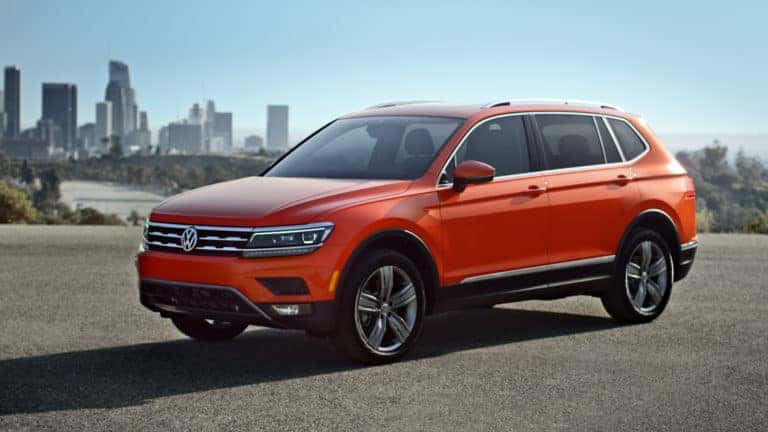
Volkswagen is German for “the people’s car” and it is just one of many unusual VW names associated with the entire lineup. All names fit each vehicle. Read on to find out about Volkswagen model names and their meanings, questions we're often asked at Speedcraft VW in Wakefield. VW Beetle Originally named “The Volkswagen Type 1,” the Beetle eventually adopted its current name based on its classic design. Käfer is the German word for Beetle. In production since the 1930s, it was once the best-selling vehicle of all time. The Beetle also has some other nicknames in different languages: “Blaben” or Bubble in Danish and “Coccinelle” for Ladybug in French. Volkswagen Golf The VW Golf is one of the most popular families of hatchbacks and wagons in the industry, but the story behind its name is odd. It would be logical to assume the name comes from the German word for the Gulf Stream ocean current. However, it appears that the name was taken from a VW executive’s horse. VW Tiguan During the crossover SUV’s development phase, Volkswagen did a survey in a German automotive magazine that featured several options. They chose he totally-made-up tiger/iguana crossbreed. Tiguan is actually a blend of the German words for tiger (which is also tiger) and iguana (or leguan). VW Touareg The mid-size luxury crossover SUV was named after the nomadic Tuareg people, inhabitants of the Saharan interior in North Africa.. “Derived from the strength and adaptability of the tribe, we see the same qualities in our SUV," a VW representative said. Search Speedcraft VW Inventory Other names: Jetta – Volkswagen’s compact sedan and one of its most popular models is named after the German word for “jet stream.” Passat – VW’s midsized sedan, Passat, is German for “trade winds.” EOS – The EOS is actually named after the Greek goddess EOS, the goddess of the dawn. CC — The Volkswagen CC is actually just an acronym for comfort coupe, and
How Can I Boost VW Gas Mileage?
VW Jetta a Fuel-Efficient Option The best way to boost gas mileage is to buy a car with good fuel economy, and Speedcraft Volkswagen in Wakefield has numerous options. The Volkswagen Jetta is the most fuel-efficient model VW offers. The 2017 VW Jetta, with manual 5-speed transmission, maxes out at 40 mpg highway, and earns a combined 33 mpg rating, according to fueleconomy.gov, the federal government source for fuel economy information. Another fuel-efficient choice is the VW Golf, with a combined 29 miles per gallon combined and 36 on the highway. Drivers looking to gain even better gas mileage, however, can take advantage of a few tricks to keep a few more dollars in their wallets. It’s easier to bump up gas mileage if you drive mostly highway miles. The stop-and-start nature of city driving is harder on your engine and therefore uses more gas. Search Speedcraft VW Inventory Where to start: Drive the speed limit. Going from 65 to 75 mph can cost drivers 5 mpg because of aerodynamic drag – it simply takes more fuel to power the vehicle through the air. Drive moderately. Hard braking and quick acceleration use more gas, again because the engine has to work harder. If you control your acceleration and keep it steady, you’ll boost your gas mileage. Drive without extra stuff. If you need to carry bikes or cargo on your roof, then go for it, but don’t drive around with gear that adds to the aerodynamic drag and the work your engine must do to overcome it. Drive with a warm engine. If you can combine several short trips into one, so the engine stays warm, it’s one way to add a few mpgs. Engines run most efficiently when warm. Drive with tires properly inflated. Under-inflated tires do lead to a modest loss of mpg, but that’s not the main reason to keep an eye on tire pressure. More important, handling and braking are compromised, and tires wear faster and hotter. Drive with cruise control. Setting your cruise control on the highway will pump up your gas mileage, get you to your location faster, and possibly prevent you from getting speeding tickets. Schedule a Test Drive Of course, another option is to buy a VW e-Golf, since the 2016 model received a 126 city/105 highway MPGe rating.
How Can I Boost VW Gas Mileage?
VW Jetta a Fuel-Efficient Option The best way to boost gas mileage is to buy a car with good fuel economy, and Speedcraft Volkswagen in Wakefield has numerous options. The Volkswagen Jetta is the most fuel-efficient model VW offers. The 2017 VW Jetta, with manual 5-speed transmission, maxes out at 40 mpg highway, and earns a combined 33 mpg rating, according to fueleconomy.gov, the federal government source for fuel economy information. Another fuel-efficient choice is the VW Golf, with a combined 29 miles per gallon combined and 36 on the highway. Drivers looking to gain even better gas mileage, however, can take advantage of a few tricks to keep a few more dollars in their wallets. It’s easier to bump up gas mileage if you drive mostly highway miles. The stop-and-start nature of city driving is harder on your engine and therefore uses more gas. Search Speedcraft VW Inventory Where to start: Drive the speed limit. Going from 65 to 75 mph can cost drivers 5 mpg because of aerodynamic drag – it simply takes more fuel to power the vehicle through the air. Drive moderately. Hard braking and quick acceleration use more gas, again because the engine has to work harder. If you control your acceleration and keep it steady, you’ll boost your gas mileage. Drive without extra stuff. If you need to carry bikes or cargo on your roof, then go for it, but don’t drive around with gear that adds to the aerodynamic drag and the work your engine must do to overcome it. Drive with a warm engine. If you can combine several short trips into one, so the engine stays warm, it’s one way to add a few mpgs. Engines run most efficiently when warm. Drive with tires properly inflated. Under-inflated tires do lead to a modest loss of mpg, but that’s not the main reason to keep an eye on tire pressure. More important, handling and braking are compromised, and tires wear faster and hotter. Drive with cruise control. Setting your cruise control on the highway will pump up your gas mileage, get you to your location faster, and possibly prevent you from getting speeding tickets. Schedule a Test Drive Of course, another option is to buy a VW e-Golf, since the 2016 model received a 126 city/105 highway MPGe rating.
How to Stay Awake and Alert During Long Road Trips
Millions of Americans plan to hit the road this holiday season to visit friends and relatives, but long drives and heavy food can mean boredom and fatigue. All of us here at Speedcraft VW in Wakefield hope you stay safe and have fun, so please don’t rely on an open window and loud music to stay awake. Those tips don’t work, according to the National Sleep Foundation. Even the most vigilant driver can succumb to the strong biological pull of sleep, no matter how hard you buffet yourself with heavy metal music, wind and road noise. Even when you think you feel fine, it’s sometimes hard to tell when you’re too tired to drive. While VW offers numerous safety features – everything from autonomous emergency braking to adaptive cruise control to rear traffic alert – these driver assistance systems are no substitute for a well-rested, attentive driver. The National Sleep Foundation’s signs that it’s time to pull over: Difficulty focusing, frequent blinking, or heavy eyelids Daydreaming; wandering/disconnected thoughts Trouble remembering the last few miles driven; missing exits or traffic signs Yawning repeatedly or rubbing your eyes Trouble keeping your head up Drifting from your lane, tailgating, or hitting a shoulder rumble strip Feeling restless and irritable Of course, it’s important to get 7-8 hours of sleep before your drive, but there are a few other ways to stay alert and safe. Other methods include: Take a short nap before a road trip, or pull over if you feel drowsy and sleep for 20 minutes. Make sure you are in a safe location and remember you'll be groggy for 15 minutes or so after waking up. Find a buddy. Pull over every two hours and switch drivers, while the other takes a nap if possible. Don't rush. Better to arrive at your destination safe than on time. Do not drink alcohol. Even very small amounts can make you drowsy. Don't drive between midnight and 6 a.m. when sleepiness is most intense. Drink coffee. Caffeine improves alertness. A few other things can help make the drive more enjoyable. Have a good time. Create playlists, bring along some audiobooks, pack some snacks and water. If you’re very hungry, or very full, you’ll feel awful. Eat a little here and there to keep yourself comfortable and alert. Pace yourself, and take some stops to stretch and rest. And remember your jumper cables, phone charger, headphones, tool kit and flashlight. If you’d like to learn more tips, tricks and other automotive answers, check our blog frequently, and give us a call at 855-439-7789 or visit.
How to Stay Awake and Alert During Long Road Trips
Millions of Americans plan to hit the road this holiday season to visit friends and relatives, but long drives and heavy food can mean boredom and fatigue. All of us here at Speedcraft VW in Wakefield hope you stay safe and have fun, so please don’t rely on an open window and loud music to stay awake. Those tips don’t work, according to the National Sleep Foundation. Even the most vigilant driver can succumb to the strong biological pull of sleep, no matter how hard you buffet yourself with heavy metal music, wind and road noise. Even when you think you feel fine, it’s sometimes hard to tell when you’re too tired to drive. While VW offers numerous safety features – everything from autonomous emergency braking to adaptive cruise control to rear traffic alert – these driver assistance systems are no substitute for a well-rested, attentive driver. The National Sleep Foundation’s signs that it’s time to pull over: Difficulty focusing, frequent blinking, or heavy eyelids Daydreaming; wandering/disconnected thoughts Trouble remembering the last few miles driven; missing exits or traffic signs Yawning repeatedly or rubbing your eyes Trouble keeping your head up Drifting from your lane, tailgating, or hitting a shoulder rumble strip Feeling restless and irritable Of course, it’s important to get 7-8 hours of sleep before your drive, but there are a few other ways to stay alert and safe. Other methods include: Take a short nap before a road trip, or pull over if you feel drowsy and sleep for 20 minutes. Make sure you are in a safe location and remember you'll be groggy for 15 minutes or so after waking up. Find a buddy. Pull over every two hours and switch drivers, while the other takes a nap if possible. Don't rush. Better to arrive at your destination safe than on time. Do not drink alcohol. Even very small amounts can make you drowsy. Don't drive between midnight and 6 a.m. when sleepiness is most intense. Drink coffee. Caffeine improves alertness. A few other things can help make the drive more enjoyable. Have a good time. Create playlists, bring along some audiobooks, pack some snacks and water. If you’re very hungry, or very full, you’ll feel awful. Eat a little here and there to keep yourself comfortable and alert. Pace yourself, and take some stops to stretch and rest. And remember your jumper cables, phone charger, headphones, tool kit and flashlight. If you’d like to learn more tips, tricks and other automotive answers, check our blog frequently, and give us a call at 855-439-7789 or visit.
How do you use a roundabout?
Easy Tips to remember when using a Roundabout If you need a little help understanding roundabouts, you've come to the right place. We've come up with some easy tips to remember when using a roundabout. These will hopefully give you a better idea of what to do when you have to use a roundabout. Let's take a look at the design and purpose of roundabouts first to give you a better idea of how they work. READ MORE: Is a Volkswagen Sedan, Hatchback, or Crossover Right for Me? Design and Purpose Roundabouts work like a traditional intersection as they have four exits and entrances. Instead of stopping at a red light, the roundabout works by keeping traffic moving or at least not stopping for too long. Roundabouts usually have two lanes and arrows telling you where to go. Now that you know a little more about the design of a roundabout, let's discuss the etiquette of using a roundabout. Etiquette When approaching a roundabout, you need to choose a lane. The left lane is best if you need to take a left or a U-turn. Although you can do that in the right lane, it is easier for other drivers to enter the roundabout if you stay in the left lane. If you are going straight or to the right, choose the right lane for an easier exit. You do not need to go around the entire roundabout before exiting either. Those are just some hints to help you out and when in doubt, follow the arrows. READ MORE: Things to keep in your car for winter Those were just some easy tips to remember when using a roundabout. With practice it will become second nature. It can be tricky at first, but it functions similarly to a traditional intersection. If you are looking for a new vehicle, check out our online inventory for our available models and schedule a test drive with Speedcraft VW today!
How do you use a roundabout?
Easy Tips to remember when using a Roundabout If you need a little help understanding roundabouts, you've come to the right place. We've come up with some easy tips to remember when using a roundabout. These will hopefully give you a better idea of what to do when you have to use a roundabout. Let's take a look at the design and purpose of roundabouts first to give you a better idea of how they work. READ MORE: Is a Volkswagen Sedan, Hatchback, or Crossover Right for Me? Design and Purpose Roundabouts work like a traditional intersection as they have four exits and entrances. Instead of stopping at a red light, the roundabout works by keeping traffic moving or at least not stopping for too long. Roundabouts usually have two lanes and arrows telling you where to go. Now that you know a little more about the design of a roundabout, let's discuss the etiquette of using a roundabout. Etiquette When approaching a roundabout, you need to choose a lane. The left lane is best if you need to take a left or a U-turn. Although you can do that in the right lane, it is easier for other drivers to enter the roundabout if you stay in the left lane. If you are going straight or to the right, choose the right lane for an easier exit. You do not need to go around the entire roundabout before exiting either. Those are just some hints to help you out and when in doubt, follow the arrows. READ MORE: Things to keep in your car for winter Those were just some easy tips to remember when using a roundabout. With practice it will become second nature. It can be tricky at first, but it functions similarly to a traditional intersection. If you are looking for a new vehicle, check out our online inventory for our available models and schedule a test drive with Speedcraft VW today!