Blog / FAQ

Blog

All FAQ Service Tips and Info VW Tiguan VW Jetta Local News and Events Dealership News VW Atlas Rhode Island Tourism VW Golf Safety VW Passat VW GTI VW Golf Alltrack News VW Beetle VW Golf SportWagen VW Technology Parts and Accessories VW News Vehicle Comparison VW Golf R Sales Events VW e-Golf VW Touareg Oil Maintenance Program Tips Tire Service Carefree Maintenance Program VW ID4 Certified Pre-Owned Financing VW Taos Electric Vehicles Comparison Features College Graduate Program Concepts fuel efficiency VW Arteon VW Atlas Cross Sport Accessories Locations Convertible OEM eStore VW CC AWD VW Eos VW ID. Buzz Warranty TDI Clean Diesel Lease VW Dealer VW ID.7 VW e_Golf Awards Employment VW ID.2
Where is VW Made?

Where is VW Made?

Volkswagen Proudly Assembled in Chattanooga, TN Volkswagen's headquarters may be in Wolfsburg, Germany, but its commitment to American drivers shines brightly. Certain Volkswagen models, including the Atlas, Atlas Cross Sport, and ID.4, are proudly assembled here in the United States at the Chattanooga, TN, assembly plant. If you're eager to experience these exceptional vehicles, there's no need for a road trip to Tennessee. Speedcraft Volkswagen in Wakefield, RI, has a full selection of these models ready for you to test drive. View Inventory | Contact Us Inside the Chattanooga Assembly Plant This isn’t your average auto assembly plant! At the Chattanooga location, sustainability takes center stage. The plant features a 66-acre, 8-MW solar array with over 33,000 solar panels, providing up to 9.3% of its electricity needs during full production. For perspective, that’s enough to power approximately 1,600 homes each year! To further their green initiatives, the site also employs a flock of 50 sheep to maintain vegetation around the solar panels and prevent soil erosion. The plant is also a hub of innovation and opportunity, employing about 4,500 team members. Established in 2008, the facility has become a place for advancing careers in high-tech research and development, vehicle assembly, engineering, and testing. Additionally, programs like the Volkswagen Academy and Volkswagen e-Labs offer students the chance to explore promising career paths in the automotive industry. Volkswagen Models Built in Chattanooga Here are the Volkswagen models currently being assembled at the Chattanooga plant: Volkswagen Atlas Volkswagen Atlas Cross Sport Volkswagen ID.4 These models highlight Volkswagen’s dedication to combining world-class design with a local touch. Test Drive a Volkswagen in Wakefield, RI There’s no need to leave Rhode Island to experience the thrill of a Volkswagen. Stop by Speedcraft Volkswagen in Wakefield to test drive the Atlas, Atlas Cross Sport, or ID.4 in person. While you're here, ask about our latest specials on new vehicles to make your dream car more affordable than you imagined! Visit us today, and find your perfect Volkswagen. Schedule a Test Drive | Check for Specials

Top 3 Tech Features in 2025 Volkswagen Models

Top 3 Tech Features in 2025 Volkswagen Models

Volkswagen’s 2025 lineup has arrived, and with it comes an impressive selection of advanced tech features designed to elevate your driving experience. Whether you're looking for convenience, connectivity, or enhanced safety, these innovations deliver on all fronts. Speedcraft VW is excited to highlight three standout features that make these vehicles a must-have for the modern driver. 1. Remote Access with myVW App Control your car from wherever you are with the myVW app. This intuitive tool allows you to start your engine, lock or unlock your doors, and even honk or flash your lights—all from your smartphone. Electric vehicle drivers can remotely monitor and control charging, set timers, and manage charging profiles for added convenience. But it doesn’t stop there. Forgotten where you parked? The app shows your vehicle’s exact location, provides parking payment info, and even integrates with Parkopedia to make parking stress-free. Available on popular 2025 models like the Atlas, Atlas Cross Sport, Jetta, Taos, and ID.Buzz, this feature is the ultimate in smart car connectivity. 2. Wi-Fi Hotspot for Seamless Connectivity Stay connected on the go with the built-in Wi-Fi hotspot, offered as part of Volkswagen’s Car-Net subscription. With support for two major carriers, T-Mobile and Verizon, this hotspot delivers reliable 4G LTE speeds. Connect up to four devices simultaneously and handle everything from email and online gaming to web surfing and video calls right from your car. The Wi-Fi hotspot is available across key 2025 models, including the Atlas, Atlas Cross Sport, Jetta, Taos, and ID.Buzz—making road trips and commutes more productive and entertaining. 3. IQ.DRIVE for Smarter, Safer Travels Volkswagen’s IQ.DRIVE takes driver assistance to the next level. Designed with safety and ease of driving in mind, this suite of smart technologies provides features like Adaptive Cruise Control, which automatically adjusts your speed and maintains a safe distance from other cars. This system reduces fatigue and provides an extra layer of driver support, ensuring a more comfortable and secure ride. Whether it’s navigating daily traffic or heading out on long drives, IQ.DRIVE is standard in all 2025 models to ensure a safer and smoother experience. Find Your Next Volkswagen at Speedcraft VW Volkswagen’s 2025 lineup showcases an incredible fusion of innovation, convenience, and safety, setting a new benchmark for modern vehicles. Visit Speedcraft VW today to explore these advanced features firsthand and discover which model suits your lifestyle. Get behind the wheel of your future—stop by or schedule a test drive now!

Top 3 Tech Features in 2025 Volkswagen Models

Top 3 Tech Features in 2025 Volkswagen Models

Volkswagen’s 2025 lineup has arrived, and with it comes an impressive selection of advanced tech features designed to elevate your driving experience. Whether you're looking for convenience, connectivity, or enhanced safety, these innovations deliver on all fronts. Speedcraft VW is excited to highlight three standout features that make these vehicles a must-have for the modern driver. 1. Remote Access with myVW App Control your car from wherever you are with the myVW app. This intuitive tool allows you to start your engine, lock or unlock your doors, and even honk or flash your lights—all from your smartphone. Electric vehicle drivers can remotely monitor and control charging, set timers, and manage charging profiles for added convenience. But it doesn’t stop there. Forgotten where you parked? The app shows your vehicle’s exact location, provides parking payment info, and even integrates with Parkopedia to make parking stress-free. Available on popular 2025 models like the Atlas, Atlas Cross Sport, Jetta, Taos, and ID.Buzz, this feature is the ultimate in smart car connectivity. 2. Wi-Fi Hotspot for Seamless Connectivity Stay connected on the go with the built-in Wi-Fi hotspot, offered as part of Volkswagen’s Car-Net subscription. With support for two major carriers, T-Mobile and Verizon, this hotspot delivers reliable 4G LTE speeds. Connect up to four devices simultaneously and handle everything from email and online gaming to web surfing and video calls right from your car. The Wi-Fi hotspot is available across key 2025 models, including the Atlas, Atlas Cross Sport, Jetta, Taos, and ID.Buzz—making road trips and commutes more productive and entertaining. 3. IQ.DRIVE for Smarter, Safer Travels Volkswagen’s IQ.DRIVE takes driver assistance to the next level. Designed with safety and ease of driving in mind, this suite of smart technologies provides features like Adaptive Cruise Control, which automatically adjusts your speed and maintains a safe distance from other cars. This system reduces fatigue and provides an extra layer of driver support, ensuring a more comfortable and secure ride. Whether it’s navigating daily traffic or heading out on long drives, IQ.DRIVE is standard in all 2025 models to ensure a safer and smoother experience. Find Your Next Volkswagen at Speedcraft VW Volkswagen’s 2025 lineup showcases an incredible fusion of innovation, convenience, and safety, setting a new benchmark for modern vehicles. Visit Speedcraft VW today to explore these advanced features firsthand and discover which model suits your lifestyle. Get behind the wheel of your future—stop by or schedule a test drive now!

What Type of Fuel Does Your Volkswagen Need?

What Type of Fuel Does Your Volkswagen Need?

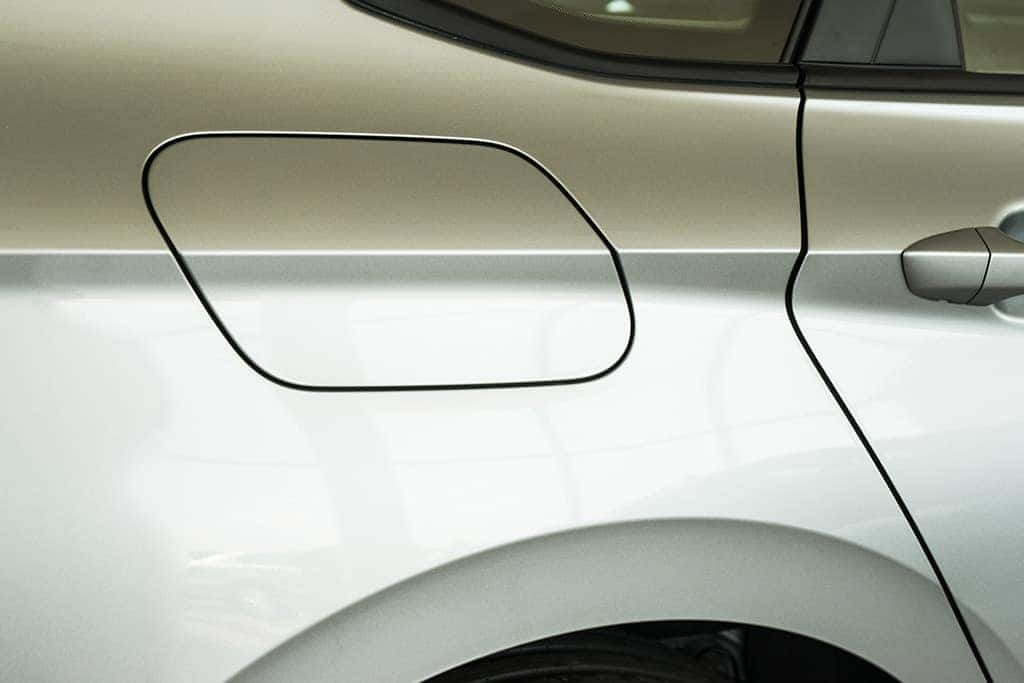
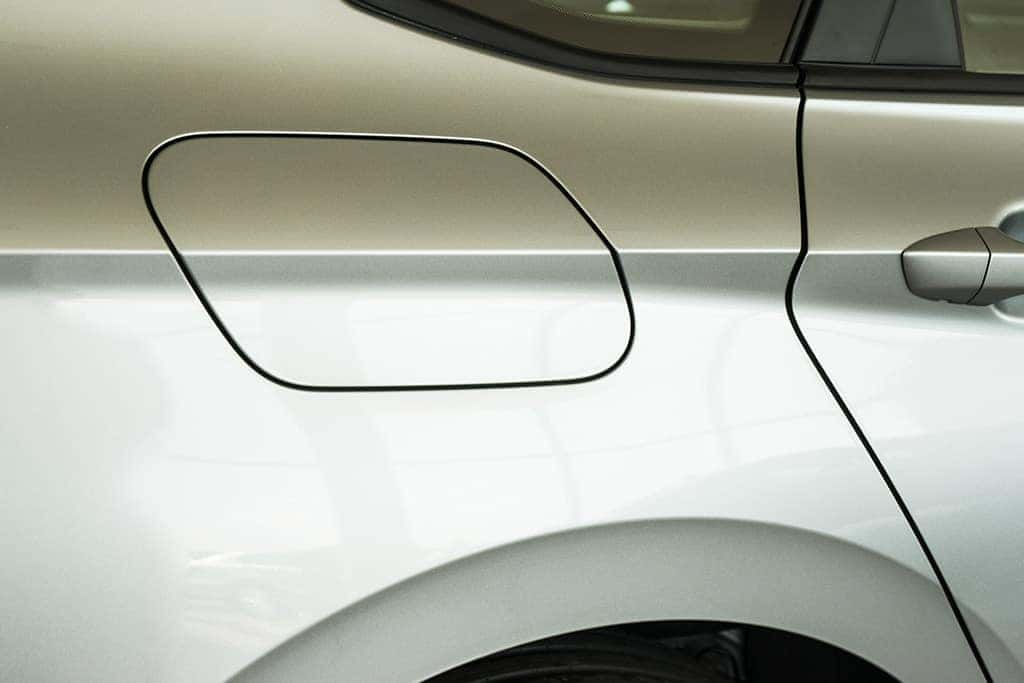
If you drive a Volkswagen, you may be wondering whether your car requires regular or premium gasoline. Choosing the right fuel is crucial for maintaining your vehicle's engine performance, efficiency, and longevity. While many Volkswagen models run perfectly fine on regular unleaded gas, some high-performance models require premium fuel to reach their full potential. This article will guide you through Volkswagen’s gas type recommendations for various models, helping you determine the best option for your car. Volkswagen Gas Type Recommendations Most modern Volkswagen vehicles are engineered to perform efficiently with regular unleaded gasoline (87 octane). However, some models—particularly those with turbocharged or high-performance engines—require premium fuel (91 octane or higher) for optimal performance. Here’s a breakdown of fuel recommendations by model: Volkswagen Models That Use Regular Unleaded Gas (87 Octane): Volkswagen Jetta Volkswagen Passat Volkswagen Taos Volkswagen Tiguan Volkswagen Atlas Volkswagen Atlas Cross Sport Volkswagen Models That Require Premium Gas (91 Octane or Higher): Volkswagen Golf R Volkswagen Arteon Volkswagen Electric Models (No Gas Required): Volkswagen ID.4 While regular unleaded fuel meets the needs of most Volkswagen models, high-performance vehicles like the Golf R and Arteon benefit from premium fuel, which maximizes power output and enhances torque. Be sure to consult your owner’s manual or check the inside of your fuel door for the manufacturer’s recommendations regarding fuel type. Should You Use Premium Gas in a Regular-Fuel Volkswagen? It’s a common question among Volkswagen owners—does premium fuel provide any advantages for vehicles designed to run on regular gas? Generally speaking, premium gasoline won’t improve the performance or fuel economy of a car specified for regular unleaded fuel. However, premium gas contains extra detergents that may help reduce carbon buildup in your engine. For Volkswagen models with turbocharged engines, such as those that allow for either fuel type, using premium gas could improve engine efficiency and reduce the risk of knocking. Still, unless your vehicle specifically requires premium fuel, this upgrade is not strictly necessary. Routine Maintenance Matters Fuel type isn’t the only aspect of maintaining your Volkswagen’s performance. Regular oil changes are critical to keeping your engine healthy and running smoothly. Most Volkswagen models require an oil change every 7,500 to 10,000 miles under normal driving conditions. You may need more frequent oil changes if you regularly face: Extreme heat Stop-and-go traffic Heavy towing or hauling Routine oil changes can: Boost engine performance and fuel efficiency Prolong the lifespan of your car Prevent harmful engine buildup Can’t recall when you last changed your oil? No worries—our service team at Speedcraft VW can help you get back on track. Schedule Your Volkswagen Maintenance with Speedcraft VW From choosing the right fuel to staying on top of oil changes, proper care ensures your Volkswagen remains efficient and reliable for years to come. At Speedcraft VW, we’re here to make it easy. Whether you need guidance on the best fuel type or it’s time for routine maintenance, our expert technicians are ready to assist. Book your oil change or maintenance appointment with Speedcraft VW today and keep your Volkswagen in peak condition.

What Type of Fuel Does Your Volkswagen Need?

What Type of Fuel Does Your Volkswagen Need?

If you drive a Volkswagen, you may be wondering whether your car requires regular or premium gasoline. Choosing the right fuel is crucial for maintaining your vehicle's engine performance, efficiency, and longevity. While many Volkswagen models run perfectly fine on regular unleaded gas, some high-performance models require premium fuel to reach their full potential. This article will guide you through Volkswagen’s gas type recommendations for various models, helping you determine the best option for your car. Volkswagen Gas Type Recommendations Most modern Volkswagen vehicles are engineered to perform efficiently with regular unleaded gasoline (87 octane). However, some models—particularly those with turbocharged or high-performance engines—require premium fuel (91 octane or higher) for optimal performance. Here’s a breakdown of fuel recommendations by model: Volkswagen Models That Use Regular Unleaded Gas (87 Octane): Volkswagen Jetta Volkswagen Passat Volkswagen Taos Volkswagen Tiguan Volkswagen Atlas Volkswagen Atlas Cross Sport Volkswagen Models That Require Premium Gas (91 Octane or Higher): Volkswagen Golf R Volkswagen Arteon Volkswagen Electric Models (No Gas Required): Volkswagen ID.4 While regular unleaded fuel meets the needs of most Volkswagen models, high-performance vehicles like the Golf R and Arteon benefit from premium fuel, which maximizes power output and enhances torque. Be sure to consult your owner’s manual or check the inside of your fuel door for the manufacturer’s recommendations regarding fuel type. Should You Use Premium Gas in a Regular-Fuel Volkswagen? It’s a common question among Volkswagen owners—does premium fuel provide any advantages for vehicles designed to run on regular gas? Generally speaking, premium gasoline won’t improve the performance or fuel economy of a car specified for regular unleaded fuel. However, premium gas contains extra detergents that may help reduce carbon buildup in your engine. For Volkswagen models with turbocharged engines, such as those that allow for either fuel type, using premium gas could improve engine efficiency and reduce the risk of knocking. Still, unless your vehicle specifically requires premium fuel, this upgrade is not strictly necessary. Routine Maintenance Matters Fuel type isn’t the only aspect of maintaining your Volkswagen’s performance. Regular oil changes are critical to keeping your engine healthy and running smoothly. Most Volkswagen models require an oil change every 7,500 to 10,000 miles under normal driving conditions. You may need more frequent oil changes if you regularly face: Extreme heat Stop-and-go traffic Heavy towing or hauling Routine oil changes can: Boost engine performance and fuel efficiency Prolong the lifespan of your car Prevent harmful engine buildup Can’t recall when you last changed your oil? No worries—our service team at Speedcraft VW can help you get back on track. Schedule Your Volkswagen Maintenance with Speedcraft VW From choosing the right fuel to staying on top of oil changes, proper care ensures your Volkswagen remains efficient and reliable for years to come. At Speedcraft VW, we’re here to make it easy. Whether you need guidance on the best fuel type or it’s time for routine maintenance, our expert technicians are ready to assist. Book your oil change or maintenance appointment with Speedcraft VW today and keep your Volkswagen in peak condition.

2025 VW Certified Pre Owned Program Explained

2025 VW Certified Pre-Owned Program Explained

Are you looking for a vehicle in excellent condition but prefer not to invest in something brand-new? A Volkswagen Certified Pre-Owned (CPO) vehicle might be the perfect option for you. Volkswagen CPO vehicles undergo an extensive inspection process to ensure you’re getting the quality you expect and deserve. Below, we’ll explain what makes a Volkswagen Certified Pre-Owned vehicle stand out and highlight the exclusive benefits of choosing one from Speedcraft VW. What Defines a Volkswagen Certified Pre-Owned Vehicle? Not every pre-owned vehicle meets the standards required to become a Volkswagen Certified Pre-Owned model. To qualify, every vehicle must meet these specific requirements: Be no more than 6 model years old Have fewer than 75,000 miles on the odometer These criteria ensure that Volkswagen CPO vehicles maintain a higher standard than a typical used vehicle, offering you peace of mind for years to come. Benefits of Choosing a Volkswagen Certified Pre-Owned Vehicle Volkswagen’s Certified Pre-Owned Program isn’t just about setting high standards—it’s about delivering exceptional value and benefits to drivers. Here’s what makes Volkswagen CPO vehicles an excellent choice: Comprehensive Limited Warranty Coverage Each CPO vehicle comes with model-specific warranty options for added protection: Model Year 2019 Vehicles: 1-Year or 12,000-Mile (whichever comes first) Comprehensive Limited Warranty Model Year 2020 & Newer Vehicles: 2-Year or 24,000-Mile (whichever comes first) Comprehensive Limited Warranty Electric Vehicles (Model Year 2019 & Newer): 3-Year or 36,000-Mile (whichever comes first) Comprehensive Limited Warranty 24-Hour Roadside Assistance Every Volkswagen CPO vehicle includes two years of 24-hour roadside assistance, giving you added security and convenience wherever your travels take you. This service covers: Towing to the nearest VW dealership Flat-tire changes and jump starts 100+ Point Dealer Inspection Volkswagen CPO vehicles undergo a rigorous 100+ point dealer inspection to ensure they meet the highest quality standards. CARFAX® Vehicle History Report™ Transparency is key when purchasing a pre-owned vehicle. That’s why Volkswagen provides a CARFAX® Vehicle History Report™ for every CPO car, so you’re fully informed about its past. SiriusXM® Platinum Plan Trial Enjoy a trial subscription to the SiriusXM® Platinum Plan for entertainment on the go, including ad-free music, sports, news, and more. Why Choose Speedcraft VW for Your CPO Vehicle? At Speedcraft VW, we’re proud to offer a wide range of Volkswagen Certified Pre-Owned vehicles. When you shop with us, you’ll not only enjoy all the benefits of the Volkswagen Certified Pre-Owned Program but also our dedication to exceptional customer service. Whether you’re browsing our CPO inventory or consulting with our finance experts, we’re here to ensure you have a smooth and enjoyable car-buying experience. Located near , we make it easy for nearby drivers to find the perfect Certified Pre-Owned Volkswagen. Take the Next Step Experience the difference a Volkswagen Certified Pre-Owned vehicle can make. Visit Speedcraft VW today to browse our inventory, or contact us online to get your questions answered. We’re here to help you find a vehicle you’ll love to drive.

2025 VW Certified Pre Owned Program Explained

2025 VW Certified Pre-Owned Program Explained

Are you looking for a vehicle in excellent condition but prefer not to invest in something brand-new? A Volkswagen Certified Pre-Owned (CPO) vehicle might be the perfect option for you. Volkswagen CPO vehicles undergo an extensive inspection process to ensure you’re getting the quality you expect and deserve. Below, we’ll explain what makes a Volkswagen Certified Pre-Owned vehicle stand out and highlight the exclusive benefits of choosing one from Speedcraft VW. What Defines a Volkswagen Certified Pre-Owned Vehicle? Not every pre-owned vehicle meets the standards required to become a Volkswagen Certified Pre-Owned model. To qualify, every vehicle must meet these specific requirements: Be no more than 6 model years old Have fewer than 75,000 miles on the odometer These criteria ensure that Volkswagen CPO vehicles maintain a higher standard than a typical used vehicle, offering you peace of mind for years to come. Benefits of Choosing a Volkswagen Certified Pre-Owned Vehicle Volkswagen’s Certified Pre-Owned Program isn’t just about setting high standards—it’s about delivering exceptional value and benefits to drivers. Here’s what makes Volkswagen CPO vehicles an excellent choice: Comprehensive Limited Warranty Coverage Each CPO vehicle comes with model-specific warranty options for added protection: Model Year 2019 Vehicles: 1-Year or 12,000-Mile (whichever comes first) Comprehensive Limited Warranty Model Year 2020 & Newer Vehicles: 2-Year or 24,000-Mile (whichever comes first) Comprehensive Limited Warranty Electric Vehicles (Model Year 2019 & Newer): 3-Year or 36,000-Mile (whichever comes first) Comprehensive Limited Warranty 24-Hour Roadside Assistance Every Volkswagen CPO vehicle includes two years of 24-hour roadside assistance, giving you added security and convenience wherever your travels take you. This service covers: Towing to the nearest VW dealership Flat-tire changes and jump starts 100+ Point Dealer Inspection Volkswagen CPO vehicles undergo a rigorous 100+ point dealer inspection to ensure they meet the highest quality standards. CARFAX® Vehicle History Report™ Transparency is key when purchasing a pre-owned vehicle. That’s why Volkswagen provides a CARFAX® Vehicle History Report™ for every CPO car, so you’re fully informed about its past. SiriusXM® Platinum Plan Trial Enjoy a trial subscription to the SiriusXM® Platinum Plan for entertainment on the go, including ad-free music, sports, news, and more. Why Choose Speedcraft VW for Your CPO Vehicle? At Speedcraft VW, we’re proud to offer a wide range of Volkswagen Certified Pre-Owned vehicles. When you shop with us, you’ll not only enjoy all the benefits of the Volkswagen Certified Pre-Owned Program but also our dedication to exceptional customer service. Whether you’re browsing our CPO inventory or consulting with our finance experts, we’re here to ensure you have a smooth and enjoyable car-buying experience. Located near , we make it easy for nearby drivers to find the perfect Certified Pre-Owned Volkswagen. Take the Next Step Experience the difference a Volkswagen Certified Pre-Owned vehicle can make. Visit Speedcraft VW today to browse our inventory, or contact us online to get your questions answered. We’re here to help you find a vehicle you’ll love to drive.

How Rain & Snow Impact VW Brakes

How Rain & Snow Impact VW Brakes

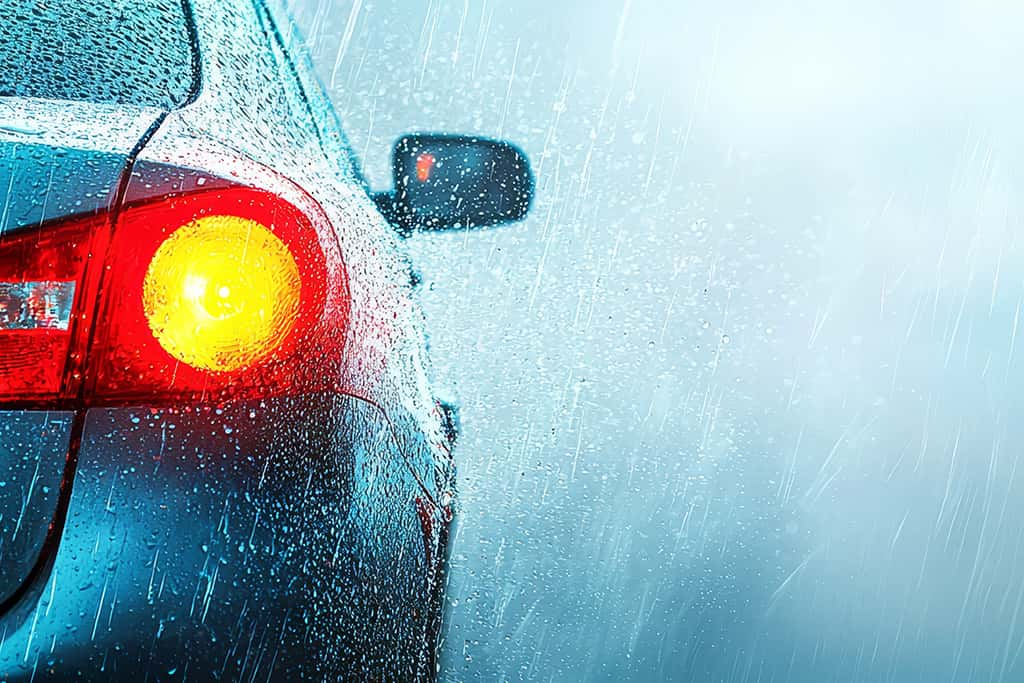
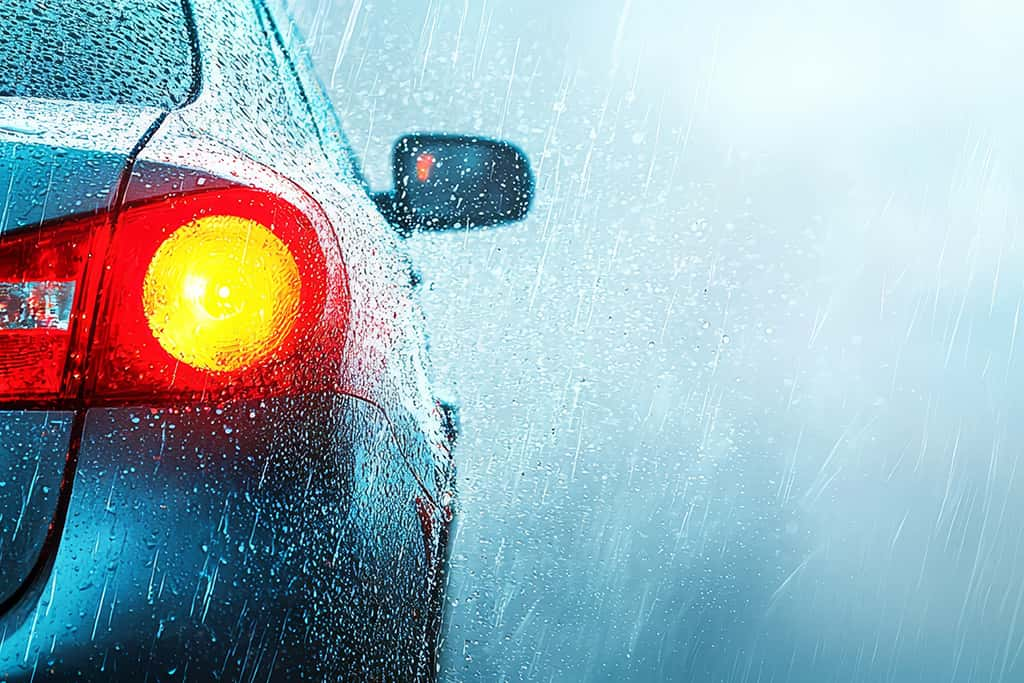
When wet or icy weather strikes, it’s no secret that driving conditions can become hazardous. But have you considered the specific challenges these elements pose to your VW’s braking system? Whether you're cruising in a Golf, Tiguan, or Passat, understanding how rain and snow can impact your car’s ability to stop is essential for your safety—and that of others on the road. This blog will walk you through the effects of rain and snow on your VW’s braking performance, share actionable tips for staying safe, and explain why regular brake maintenance is non-negotiable. By the end, you’ll feel confident navigating wet or icy roads with care and precision. How Rain Affects Braking Even light rain can make roads incredibly slippery. Add the oil, dirt, and residue that tends to accumulate on asphalt, and you have a recipe for reduced traction and increased stopping distances. Reduced Traction Rainwater mixes with oils and grime on the road’s surface to create a slick layer that reduces your tires' grip. For VW owners, this means that even with advanced braking systems, your car may struggle to maintain traction, leading to longer braking times. Increased Stopping Distance When roads are wet, it can take your VW up to twice the distance to come to a complete stop. Vehicles with anti-lock braking systems (ABS), like most VWs, help reduce the risk of skidding, but they can only do so much if road traction is significantly compromised. Hydroplaning Risk Another concern is hydroplaning—a condition where your tires lose contact with the road due to a layer of water. When this happens, your brakes may become temporarily ineffective, limiting your control over your VW. How Snow Affects Braking Snowy and icy conditions present even more severe challenges. Alongside impaired traction, drivers also face unique issues such as wheel lockup and ABS engagement. Traction Loss in Snow and Ice Snow, like rain, reduces the friction between your tires and the road. Ice makes this far worse, turning roads into slippery hazards that can make even slight braking a risky maneuver. Wheel Lockup and ABS Engagement When your wheels lose traction in snowy conditions, they may lock up, causing your VW to slide uncontrollably. ABS is designed to prevent this by pulsating the brakes to maintain control. While ABS is an incredible innovation, it’s not foolproof—drivers still need to adjust their techniques to accommodate slick surfaces. Black Ice Hazards Black ice is particularly dangerous because it’s nearly invisible. Without warning, your VW’s brakes may struggle to keep you from sliding, even at low speeds. Tips for Safe Braking in Rain Driving in the rain doesn’t have to be stressful if you take the right precautions. Here are some tips to help you brake safely in wet conditions: Increase Your Following Distance Maintain at least four to six seconds of distance from the car ahead. This will give you more time to react and compensate for increased stopping distances. Avoid Sudden Stops Sudden braking increases the risk of skidding. Instead, apply your brakes steadily and allow your VW’s ABS to do its job. Drive at a Safe Speed Slow down and drive at a controlled pace. Even if you’re in a hurry, reducing your speed will significantly improve your ability to stop safely. Check Your Windshield Wipers Visibility affects how you react to hazards. Be sure your wipers are in good condition to ensure you can see the road. Inspect Tire Tread Depth Worn tires are far less effective at displacing water. Regularly check your tire treads to ensure they meet the recommended depth. Tips for Safe Braking in Snow Snow driving requires even more caution and preparation. Follow these tips for braking safely in snow and ice: Install Winter Tires Snow tires are built for icy conditions, offering better grip and shorter stopping distances compared to all-season tires. Keep Your Braking Gentle Avoid slamming on the brakes. Gently press the brake pedal to avoid locking your wheels and engage the ABS only when necessary. Use Low Speeds Always drive at a safe, reduced speed to give yourself room to respond to hazards. Avoid Hills When Possible Steep inclines exacerbate braking challenges in snow. Avoid hilly routes if you can, or proceed with extreme caution. Keep Your Distance Increase your following distance even further—six to eight seconds minimum is ideal for snowy conditions. Clear Snow from Your Car Don’t forget to clear snow and ice from your VW's roof, windshield, and lights for optimal visibility and safety. VW Braking System Maintenance Rain and snow are unpredictable, but your VW’s braking system shouldn’t be. Keep it in top condition with regular maintenance to ensure it performs flawlessly in adverse weather. Schedule Regular Inspections Have a trusted mechanic check your brakes for wear and tear. VW recommends brake inspections at least every 10,000 miles. Monitor Brake Pads and Rotors Replace worn brake pads before they affect rotor performance. Ignoring small issues can lead to more expensive damage. Check Brake Fluid Levels Low or contaminated brake fluid can impact the performance of your VW’s braking system. Top it off or replace it as needed. Keep ABS Sensors Clean Dirty ABS sensors can reduce the system’s effectiveness. Regular cleaning can keep your braking system reliable. Replace Tires When Needed Tires are your first line of defense in maintaining traction. Check your alignment, and rotate or replace tires as needed to ensure consistent performance. Stay Safe Behind the Wheel Driving in rain and snow doesn’t need to feel daunting if you know how your VW reacts to these conditions. By understanding the challenges that wet and snowy weather presents to your braking system, adopting safer driving habits, and staying on top of braking system maintenance, you can dramatically reduce your risk on the road. Remember, your safety—and the safety of others—should always come first. If you want your VW to handle rain and snow like a champ, stay proactive and care for your braking system regularly. Speedcraft VW in Wakefield, RI is always here to help keep your VW running at its best. Contact us today for all of your service needs and inquiries.

How Rain & Snow Impact VW Brakes

How Rain & Snow Impact VW Brakes

When wet or icy weather strikes, it’s no secret that driving conditions can become hazardous. But have you considered the specific challenges these elements pose to your VW’s braking system? Whether you're cruising in a Golf, Tiguan, or Passat, understanding how rain and snow can impact your car’s ability to stop is essential for your safety—and that of others on the road. This blog will walk you through the effects of rain and snow on your VW’s braking performance, share actionable tips for staying safe, and explain why regular brake maintenance is non-negotiable. By the end, you’ll feel confident navigating wet or icy roads with care and precision. How Rain Affects Braking Even light rain can make roads incredibly slippery. Add the oil, dirt, and residue that tends to accumulate on asphalt, and you have a recipe for reduced traction and increased stopping distances. Reduced Traction Rainwater mixes with oils and grime on the road’s surface to create a slick layer that reduces your tires' grip. For VW owners, this means that even with advanced braking systems, your car may struggle to maintain traction, leading to longer braking times. Increased Stopping Distance When roads are wet, it can take your VW up to twice the distance to come to a complete stop. Vehicles with anti-lock braking systems (ABS), like most VWs, help reduce the risk of skidding, but they can only do so much if road traction is significantly compromised. Hydroplaning Risk Another concern is hydroplaning—a condition where your tires lose contact with the road due to a layer of water. When this happens, your brakes may become temporarily ineffective, limiting your control over your VW. How Snow Affects Braking Snowy and icy conditions present even more severe challenges. Alongside impaired traction, drivers also face unique issues such as wheel lockup and ABS engagement. Traction Loss in Snow and Ice Snow, like rain, reduces the friction between your tires and the road. Ice makes this far worse, turning roads into slippery hazards that can make even slight braking a risky maneuver. Wheel Lockup and ABS Engagement When your wheels lose traction in snowy conditions, they may lock up, causing your VW to slide uncontrollably. ABS is designed to prevent this by pulsating the brakes to maintain control. While ABS is an incredible innovation, it’s not foolproof—drivers still need to adjust their techniques to accommodate slick surfaces. Black Ice Hazards Black ice is particularly dangerous because it’s nearly invisible. Without warning, your VW’s brakes may struggle to keep you from sliding, even at low speeds. Tips for Safe Braking in Rain Driving in the rain doesn’t have to be stressful if you take the right precautions. Here are some tips to help you brake safely in wet conditions: Increase Your Following Distance Maintain at least four to six seconds of distance from the car ahead. This will give you more time to react and compensate for increased stopping distances. Avoid Sudden Stops Sudden braking increases the risk of skidding. Instead, apply your brakes steadily and allow your VW’s ABS to do its job. Drive at a Safe Speed Slow down and drive at a controlled pace. Even if you’re in a hurry, reducing your speed will significantly improve your ability to stop safely. Check Your Windshield Wipers Visibility affects how you react to hazards. Be sure your wipers are in good condition to ensure you can see the road. Inspect Tire Tread Depth Worn tires are far less effective at displacing water. Regularly check your tire treads to ensure they meet the recommended depth. Tips for Safe Braking in Snow Snow driving requires even more caution and preparation. Follow these tips for braking safely in snow and ice: Install Winter Tires Snow tires are built for icy conditions, offering better grip and shorter stopping distances compared to all-season tires. Keep Your Braking Gentle Avoid slamming on the brakes. Gently press the brake pedal to avoid locking your wheels and engage the ABS only when necessary. Use Low Speeds Always drive at a safe, reduced speed to give yourself room to respond to hazards. Avoid Hills When Possible Steep inclines exacerbate braking challenges in snow. Avoid hilly routes if you can, or proceed with extreme caution. Keep Your Distance Increase your following distance even further—six to eight seconds minimum is ideal for snowy conditions. Clear Snow from Your Car Don’t forget to clear snow and ice from your VW's roof, windshield, and lights for optimal visibility and safety. VW Braking System Maintenance Rain and snow are unpredictable, but your VW’s braking system shouldn’t be. Keep it in top condition with regular maintenance to ensure it performs flawlessly in adverse weather. Schedule Regular Inspections Have a trusted mechanic check your brakes for wear and tear. VW recommends brake inspections at least every 10,000 miles. Monitor Brake Pads and Rotors Replace worn brake pads before they affect rotor performance. Ignoring small issues can lead to more expensive damage. Check Brake Fluid Levels Low or contaminated brake fluid can impact the performance of your VW’s braking system. Top it off or replace it as needed. Keep ABS Sensors Clean Dirty ABS sensors can reduce the system’s effectiveness. Regular cleaning can keep your braking system reliable. Replace Tires When Needed Tires are your first line of defense in maintaining traction. Check your alignment, and rotate or replace tires as needed to ensure consistent performance. Stay Safe Behind the Wheel Driving in rain and snow doesn’t need to feel daunting if you know how your VW reacts to these conditions. By understanding the challenges that wet and snowy weather presents to your braking system, adopting safer driving habits, and staying on top of braking system maintenance, you can dramatically reduce your risk on the road. Remember, your safety—and the safety of others—should always come first. If you want your VW to handle rain and snow like a champ, stay proactive and care for your braking system regularly. Speedcraft VW in Wakefield, RI is always here to help keep your VW running at its best. Contact us today for all of your service needs and inquiries.

How to Spot and Avoid Counterfeit VW Parts

How to Spot and Avoid Counterfeit VW Parts

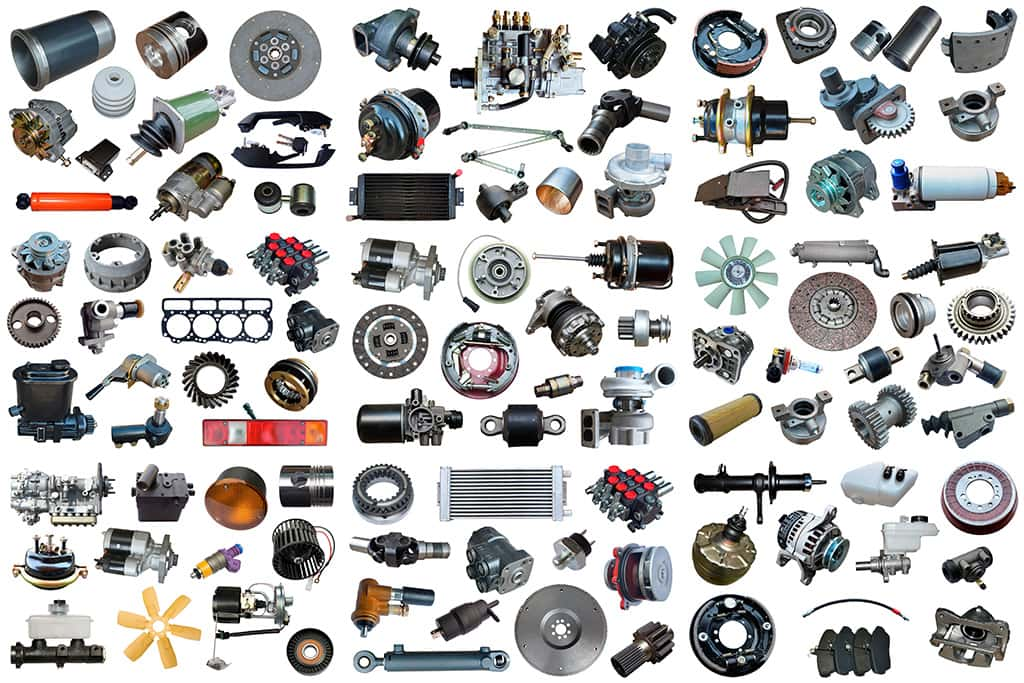
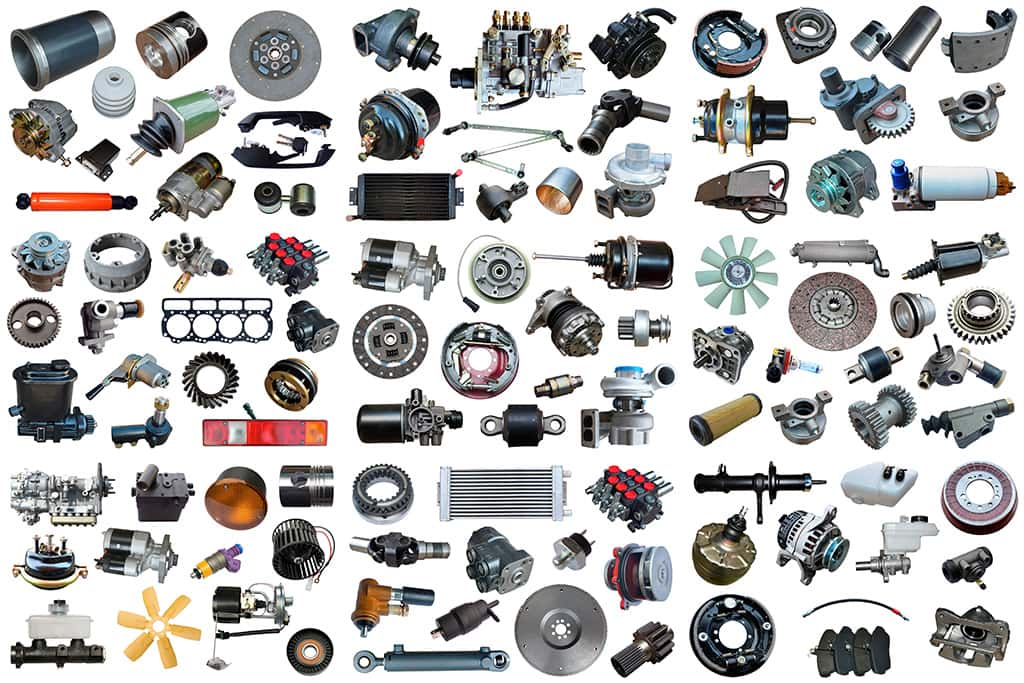
Volkswagen vehicles are renowned for their performance, reliability, and sophisticated engineering. However, these qualities can be compromised by a growing problem in the automotive world—counterfeit VW parts. While purchasing cheaper components might seem like a good deal at first glance, counterfeit parts are a risky compromise that can harm your car, jeopardize your safety, and even void your warranty. This guide will walk you through how to identify fake parts, where they’re commonly sold, and why sticking to genuine VW parts is crucial for your vehicle's health and your peace of mind. Identifying Counterfeit VW Parts Spotting counterfeit VW parts isn’t always easy, but there are some key signs you can watch out for to protect yourself from falling victim to these subpar products. Visual Inspection Counterfeit parts often mimic genuine ones, but poor manufacturing or attention to detail usually gives them away. A quick visual inspection can reveal some of the following red flags: Irregular Finish & Materials: Genuine VW parts are made with high-quality materials and have a premium finish. Fake parts may appear cheaper, with rough edges, uneven surfaces, or materials that feel flimsy. Misaligned Logos: Check for the Volkswagen logo. Counterfeit parts may have the wrong logo design, placement, size, or alignment. Incorrect Dimensions: Some fake parts may appear slightly off in size compared to the original. This can result in improper fitting when installed. Packaging Details Genuine Volkswagen parts come in high-quality packaging with clear and professional labeling. Take note of the following: Missing or Incorrect Part Numbers: Verify the part number with Volkswagen’s official website or your car’s manual. Counterfeit parts might display incorrect numbers or have none at all. Poor Printing Quality: Blurry text, spelling errors, or faded colors on the packaging are signs of counterfeiting. Lack of Holographic Stickers: Volkswagen often uses security features such as holographic stickers or unique seals on their packaging to confirm authenticity. Counterfeit products typically lack these. Pricing If a deal seems too good to be true, it probably is. Counterfeit parts are often sold for a fraction of the price of genuine components. Always question suspiciously low prices, no matter how tempting they seem. Where Counterfeit VW Parts are Commonly Sold Now that you know what to look for, it’s important to know where counterfeit parts are typically sold so you can stay vigilant. Online Marketplaces Counterfeit auto parts are widely available on third-party online marketplaces. Websites like eBay, Amazon, and other unofficial platforms are often rife with listings for fake products. Listings without detailed descriptions, seller reviews, or product guarantees are particularly suspect. Fly-by-Night Retailers Shady automotive repair shops or retailers might try to cut corners by stocking counterfeit parts. If the shop seems unprofessional or untrustworthy, think twice before purchasing parts from them. Overseas Sellers Countries with lax intellectual property enforcement may produce and distribute fake VW parts. Although some legitimate sellers operate internationally, a missing return policy or lack of transparency about manufacturing origins should raise a red flag. Secondhand Channels While buying secondhand or refurbished parts might save you some money, it's also a common way for counterfeit or worn-out parts to be rebranded and sold as new. Always purchase through authorized dealerships or trusted sellers. The Risks of Using Counterfeit Parts Using counterfeit VW parts can lead to significant problems for both your car and your safety. Here’s why they should be avoided at all costs: 1. Safety Issues Counterfeit parts are often made without adhering to Volkswagen’s strict quality and safety standards. This can result in severe risks such as: Brake Failure: Non-genuine brake pads might use lower-quality materials that cannot withstand high temperatures, compromising their ability to stop your vehicle. Electrical Malfunctions: Poorly made electrical components can lead to short circuits or fires. Unstable Suspension: Counterfeit suspensions and shocks may not meet durability requirements, leading to loss of vehicle control, especially at high speeds. 2. Reduced Performance Volkswagen cars are carefully engineered to work seamlessly with genuine parts. Counterfeit parts can affect your vehicle’s overall performance, such as: Reduced fuel efficiency. Poor handling. Increased engine noise or vibrations. 3. Damage to Your Vehicle Using counterfeit components can lead to further damage, causing a domino effect of failing parts in your car. For example, a fake oil filter might cause debris to circulate in your engine, damaging it over time. 4. Voided Warranty Vehicle warranties often require you to use genuine parts for repairs and maintenance. If your car develops an issue due to a counterfeit part, your warranty may be voided, leaving you with expensive repairs to deal with out-of-pocket. 5. Environmental Concerns Counterfeit parts are usually not subject to environmental regulations. They might contain toxic materials or be manufactured in unsustainable ways, contributing to environmental harm. Why Genuine VW Parts Are Worth It Genuine VW parts are rigorously designed and tested to meet the highest standards of quality, performance, and safety. By using verified components, you: Ensure Safety —Rest easy knowing your car parts have undergone extensive safety testing. Enhance Longevity —Genuine parts typically last much longer than their counterfeit counterparts, saving you money in the long run. Preserve Value —Using authorized parts keeps your VW running smoothly, maintaining its resale value. Protect Warranties —Avoid voiding your warranty by exclusively using approved parts. Always purchase your parts from Volkswagen dealerships or authorized sellers to guarantee you’re getting the real deal. Keep Your VW in Top Shape with Genuine Parts Counterfeit VW parts might save you a few bucks up front, but their risks to safety, performance, and your wallet simply aren’t worth it. Understanding how to identify fake parts and knowing where they’re commonly sold will help you make confident, informed decisions for your vehicle. At the end of the day, your VW deserves the best. By choosing genuine parts, you’re not just ensuring top-tier performance—you’re investing in your own safety and long-term peace of mind. Next time you need a replacement part, check your local authorized Volkswagen dealer, or visit their online store to guarantee authenticity. Your VW—and your wallet—will thank you.


How to Spot and Avoid Counterfeit VW Parts

How to Spot and Avoid Counterfeit VW Parts

Volkswagen vehicles are renowned for their performance, reliability, and sophisticated engineering. However, these qualities can be compromised by a growing problem in the automotive world—counterfeit VW parts. While purchasing cheaper components might seem like a good deal at first glance, counterfeit parts are a risky compromise that can harm your car, jeopardize your safety, and even void your warranty. This guide will walk you through how to identify fake parts, where they’re commonly sold, and why sticking to genuine VW parts is crucial for your vehicle's health and your peace of mind. Identifying Counterfeit VW Parts Spotting counterfeit VW parts isn’t always easy, but there are some key signs you can watch out for to protect yourself from falling victim to these subpar products. Visual Inspection Counterfeit parts often mimic genuine ones, but poor manufacturing or attention to detail usually gives them away. A quick visual inspection can reveal some of the following red flags: Irregular Finish & Materials: Genuine VW parts are made with high-quality materials and have a premium finish. Fake parts may appear cheaper, with rough edges, uneven surfaces, or materials that feel flimsy. Misaligned Logos: Check for the Volkswagen logo. Counterfeit parts may have the wrong logo design, placement, size, or alignment. Incorrect Dimensions: Some fake parts may appear slightly off in size compared to the original. This can result in improper fitting when installed. Packaging Details Genuine Volkswagen parts come in high-quality packaging with clear and professional labeling. Take note of the following: Missing or Incorrect Part Numbers: Verify the part number with Volkswagen’s official website or your car’s manual. Counterfeit parts might display incorrect numbers or have none at all. Poor Printing Quality: Blurry text, spelling errors, or faded colors on the packaging are signs of counterfeiting. Lack of Holographic Stickers: Volkswagen often uses security features such as holographic stickers or unique seals on their packaging to confirm authenticity. Counterfeit products typically lack these. Pricing If a deal seems too good to be true, it probably is. Counterfeit parts are often sold for a fraction of the price of genuine components. Always question suspiciously low prices, no matter how tempting they seem. Where Counterfeit VW Parts are Commonly Sold Now that you know what to look for, it’s important to know where counterfeit parts are typically sold so you can stay vigilant. Online Marketplaces Counterfeit auto parts are widely available on third-party online marketplaces. Websites like eBay, Amazon, and other unofficial platforms are often rife with listings for fake products. Listings without detailed descriptions, seller reviews, or product guarantees are particularly suspect. Fly-by-Night Retailers Shady automotive repair shops or retailers might try to cut corners by stocking counterfeit parts. If the shop seems unprofessional or untrustworthy, think twice before purchasing parts from them. Overseas Sellers Countries with lax intellectual property enforcement may produce and distribute fake VW parts. Although some legitimate sellers operate internationally, a missing return policy or lack of transparency about manufacturing origins should raise a red flag. Secondhand Channels While buying secondhand or refurbished parts might save you some money, it's also a common way for counterfeit or worn-out parts to be rebranded and sold as new. Always purchase through authorized dealerships or trusted sellers. The Risks of Using Counterfeit Parts Using counterfeit VW parts can lead to significant problems for both your car and your safety. Here’s why they should be avoided at all costs: 1. Safety Issues Counterfeit parts are often made without adhering to Volkswagen’s strict quality and safety standards. This can result in severe risks such as: Brake Failure: Non-genuine brake pads might use lower-quality materials that cannot withstand high temperatures, compromising their ability to stop your vehicle. Electrical Malfunctions: Poorly made electrical components can lead to short circuits or fires. Unstable Suspension: Counterfeit suspensions and shocks may not meet durability requirements, leading to loss of vehicle control, especially at high speeds. 2. Reduced Performance Volkswagen cars are carefully engineered to work seamlessly with genuine parts. Counterfeit parts can affect your vehicle’s overall performance, such as: Reduced fuel efficiency. Poor handling. Increased engine noise or vibrations. 3. Damage to Your Vehicle Using counterfeit components can lead to further damage, causing a domino effect of failing parts in your car. For example, a fake oil filter might cause debris to circulate in your engine, damaging it over time. 4. Voided Warranty Vehicle warranties often require you to use genuine parts for repairs and maintenance. If your car develops an issue due to a counterfeit part, your warranty may be voided, leaving you with expensive repairs to deal with out-of-pocket. 5. Environmental Concerns Counterfeit parts are usually not subject to environmental regulations. They might contain toxic materials or be manufactured in unsustainable ways, contributing to environmental harm. Why Genuine VW Parts Are Worth It Genuine VW parts are rigorously designed and tested to meet the highest standards of quality, performance, and safety. By using verified components, you: Ensure Safety —Rest easy knowing your car parts have undergone extensive safety testing. Enhance Longevity —Genuine parts typically last much longer than their counterfeit counterparts, saving you money in the long run. Preserve Value —Using authorized parts keeps your VW running smoothly, maintaining its resale value. Protect Warranties —Avoid voiding your warranty by exclusively using approved parts. Always purchase your parts from Volkswagen dealerships or authorized sellers to guarantee you’re getting the real deal. Keep Your VW in Top Shape with Genuine Parts Counterfeit VW parts might save you a few bucks up front, but their risks to safety, performance, and your wallet simply aren’t worth it. Understanding how to identify fake parts and knowing where they’re commonly sold will help you make confident, informed decisions for your vehicle. At the end of the day, your VW deserves the best. By choosing genuine parts, you’re not just ensuring top-tier performance—you’re investing in your own safety and long-term peace of mind. Next time you need a replacement part, check your local authorized Volkswagen dealer, or visit their online store to guarantee authenticity. Your VW—and your wallet—will thank you.
Volkswagen vs. the Competition

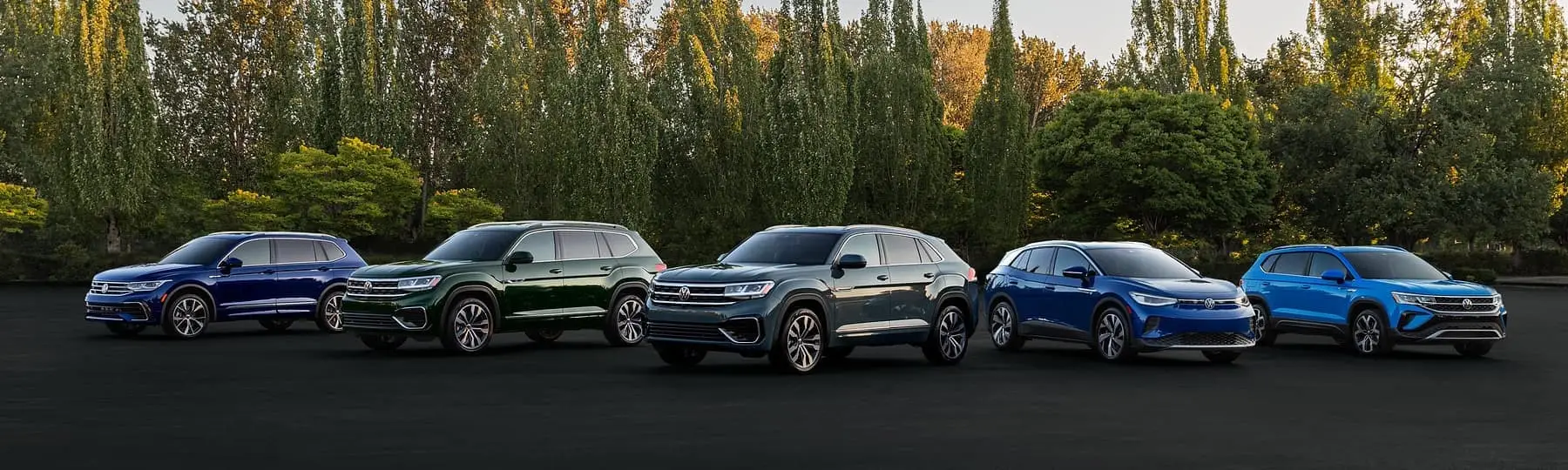
Why Choose VW? Volkswagen vs. the Competition

Iconic, Affordable, and Masterfully Engineered When it comes to car shopping, finding a vehicle that offers both distinctive style and reliable performance can feel like a challenge. At Speedcraft Volkswagen in Wakefield, RI, the Volkswagen lineup of cars, SUVs, and EVs stands out for its blend of German engineering, sleek designs, and exceptional craftsmanship. From everyday commuters like the Jetta to innovative electric models like the ID.4, Volkswagen offers something truly unique for drivers. Engineering Excellence Backed by Innovation Volkswagen exemplifies the pinnacle of German engineering. Each vehicle is crafted with precision, innovation, and intelligent technology to suit today’s drivers. From fun-to-drive powertrains to intuitive infotainment systems, every VW model is designed to deliver a seamless driving experience. Volkswagen’s distinct styling also sets the brand apart—clean lines, functionality, and timeless appeal. Whether you're looking at the sporty Golf GTI, the iconic Jetta, the sophisticated Arteon, or the environmentally friendly ID.4, Volkswagen prides itself on cars that are immediately recognizable. Safety and Sustainability First Volkswagen is a trailblazer in integrating advanced safety features across all trim levels. Regardless of price point, VW drivers enjoy peace of mind with technology like Adaptive Cruise Control, Lane-Keep Assist, Blind-Spot Monitoring, and Forward Emergency Braking as standard features. But safety isn’t the only priority—Volkswagen is committed to sustainability, as seen in its lineup of electric vehicles. Models like the ID.4 and the upcoming ID.Buzz reflect Volkswagen’s dedication to environmentally friendly options without compromising on style or practicality. Additionally, building the ID.4 right here in the U.S. ensures it qualifies for exclusive incentives—one more reason to choose Volkswagen for sustainable mobility. Reliable Performance with Long-Term Value Volkswagen’s commitment to excellence is evident in the impressive reliability and longevity of its vehicles. With turbocharged engines offering smooth performance and competitive fuel efficiency, Volkswagen vehicles are enjoyable to drive while staying economical. For EV enthusiasts, Volkswagen electrics deliver instant torque and excellent range, making them ideal for modern drivers. The durability of Volkswagen cars and their strong resale value make them an investment you can trust. With countless customization options—such as unique color choices, stylish interiors, and innovative technology add-ons—you can create a Volkswagen that feels truly your own. At Speedcraft VW, we also offer access to genuine VW parts, installed by our certified service technicians to keep your car performing at its best. Explore Our Volkswagen Inventory at Speedcraft VW At Speedcraft Volkswagen, we invite you to explore our extensive selection of innovative VW models right here in Wakefield, Rhode Island. Whether you're drawn to the efficiency of the Jetta, the dynamic performance of the Golf GTI, or the game-changing technology of the ID.4, our friendly and knowledgeable team is here to help you find the perfect vehicle for your lifestyle and budget. Once you've chosen a model, our finance experts will work with you to create a lease or loan offer tailored to your needs, complete with the latest incentives. And with our dedicated service team, your VW will be in good hands long after your purchase. Take the Next Step Get behind the wheel of innovation and quality today. Visit our Wakefield dealership or browse our inventory online to schedule your test drive. At Speedcraft VW, we're here to help you find a car that meets your needs and exceeds your expectations. Discover the Volkswagen difference—stop by Speedcraft VW today.

Contact Us

Fill out this form below and we'll contact you shortly
*Required Fields