





Is it time for your VW DSG Transmission Service?
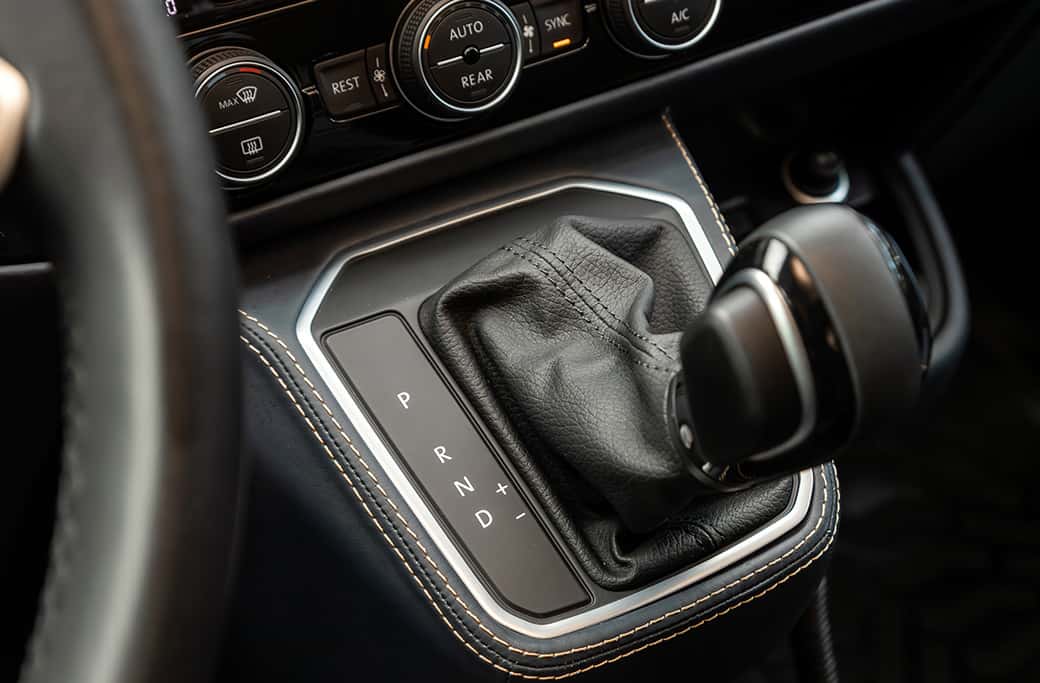
Driving a Volkswagen equipped with a Direct Shift Gearbox (DSG) is a unique experience. You get the convenience of an automatic with the snappy, precise engagement of a manual. It’s one of the engineering feats that makes driving a GTI, Jetta, or Tiguan so engaging. However, that sophisticated engineering requires specific care to keep it performing at its peak.
While most drivers are diligent about engine oil changes and tire rotations, transmission maintenance often falls by the wayside. This is a risky oversight, especially with a high-performance system like the DSG. Ignoring this vital component can lead to sluggish performance, expensive repairs, and a shorter lifespan for your vehicle.
If you are unsure whether your transmission needs attention or simply want to understand what makes your Volkswagen tick, this guide breaks down everything you need to know about DSG maintenance. From understanding how the system works to recognizing the warning signs of wear, we will help you make informed decisions to keep your car running smoothly for years to come.
What is a DSG Transmission?
To understand why maintenance is critical, you first need to understand what is happening under the hood. DSG stands for Direktschaltgetriebe (Direct Shift Gearbox). Unlike a traditional automatic transmission that uses a torque converter and slushy fluid dynamics to change gears, the DSG is essentially two manual gearboxes working together.
It utilizes a dual-clutch system. One clutch controls the odd-numbered gears (1, 3, 5, etc.), and the other controls the even-numbered gears (2, 4, 6, etc.). When you are driving in third gear, the car’s computer has already pre-selected fourth gear on the second clutch. When it’s time to shift, the system disengages one clutch and engages the other in a fraction of a second.
This design offers faster shift times than any human could achieve manually, along with better fuel economy than a standard automatic. However, this complex dance of gears and clutches generates heat and friction, which is where the transmission fluid comes into play.
Why Regular Servicing is Important
The majority of DSGs on the road today are “wet clutch” systems. This means the clutch plates are submerged in a specific type of transmission fluid. This fluid performs three critical functions:
- Lubrication: It protects the gears and bearings from metal-on-metal wear.
- Cooling: It dissipates the intense heat generated by the friction of the clutches.
- Hydraulic Actuation: It acts as the hydraulic fluid that the Mechatronic unit (the brain of the transmission) uses to physically move the gears and clutches.
Over time, this fluid breaks down. It loses its viscosity and its ability to protect components. Furthermore, as the clutch packs wear down through normal use, they shed microscopic particles into the fluid. If the fluid isn’t changed, it becomes saturated with this debris. Dirty fluid can clog the small passages in the Mechatronic unit, leading to rough shifting and potential component failure.
Regular servicing involves draining this old fluid, replacing the transmission filter (which catches larger debris), and refilling the system with fresh, clean fluid. This reset button ensures your transmission maintains the correct pressure and protection it needs to operate correctly.
How Often Should You Service Your DSG?
For most Volkswagen models equipped with a six-speed or seven-speed wet-clutch DSG, the manufacturer recommends a transmission service every 40,000 miles.
It is important to note that this is a service interval, not a suggestion. Because the fluid plays such an active role in the mechanical operation of the gears, stretching this interval is significantly riskier than delaying an engine oil change.
However, certain driving habits may require more frequent attention. You should consider servicing your transmission sooner if:
- You frequently drive in heavy, stop-and-go traffic.
- You use your vehicle for towing.
- You participate in track days or high-performance driving events.
- You live in an area with extreme ambient temperatures.
Always consult your specific owner’s manual for the precise schedule for your model year, but keeping the 40,000-mile benchmark in mind is a safe strategy for most owners.
Signs Your DSG Needs Servicing
Ideally, you should service your transmission before you notice any issues. However, if you are approaching or have passed the service interval, your car might start “talking” to you. Here are common symptoms that your DSG fluid is past its prime:
1. Hesitation or Jerky Shifting
The hallmark of a healthy DSG is seamless acceleration. If you notice the car lurching when taking off from a stop, or if the shift between first and second gear feels rough or clunky, it is a strong indicator that the fluid is degraded or the fluid level is incorrect.
2. Delayed Engagement
When you shift from Park to Drive or Reverse, the gear engagement should be almost instant. If there is a noticeable pause—where you press the gas and the engine revs but the car doesn’t move immediately—this “slip” suggests a hydraulic pressure issue often caused by old fluid.
3. Unusual Noises
A DSG is mechanically noisy by nature compared to a standard automatic, but you should not hear clunking, grinding, or whining sounds. These noises often point to a lack of lubrication on the internal gears.
4. The “PRNDS” Lights of Death
If the gear selection lights on your dashboard (P, R, N, D, S) start flashing, your car has entered “limp mode.” This is a protective measure taken by the computer to prevent catastrophic damage. While this can be caused by electrical issues, it is frequently triggered by mechanical faults resulting from poor maintenance.
5. Burning Smell
If you smell something burning coming from your vehicle after a drive, it could be overheated transmission fluid. This is a serious red flag that requires immediate attention to prevent total transmission failure.
The Consequences of Neglecting DSG Service
Skipping this service might save you money in the short term, but the long-term financial risks are substantial. The most common point of failure in a neglected DSG is the Mechatronic unit. This complex electro-hydraulic control unit is highly sensitive to dirty fluid. Replacing a Mechatronic unit can cost thousands of dollars—significantly more than the cost of routine maintenance.
In severe cases, complete transmission failure can occur, requiring a full replacement or rebuild. Beyond the financial hit, a failing transmission affects the safety and reliability of your vehicle, potentially leaving you stranded.
Why Choose Speedcraft Volkswagen for Your DSG Service?
When it comes to specialized equipment like the DSG, you need technicians who understand the engineering behind it. General repair shops may not have the specific tools or proprietary software required to properly perform the service, such as resetting the transmission adaptations after the fluid change.
At Speedcraft Volkswagen in Wakefield, RI, our factory-certified technicians specialize in Volkswagen engineering. We use only OEM (Original Equipment Manufacturer) parts and fluids, ensuring that your vehicle receives exactly what the engineers in Germany specified.
We understand that vehicle maintenance is an interruption to your day, which is why we offer convenient online scheduling. You can book your appointment through our website and let us handle the rest.
Keep Your VW Running Smoothly with Speedcraft Volkswagen
Your Volkswagen was built to drive, and the DSG transmission is a massive part of that experience. Don’t let neglected maintenance dilute the performance you love. By adhering to the recommended service schedule, you ensure that your gear shifts remain crisp, your fuel economy stays high, and your vehicle remains reliable for the long haul.
If you are approaching the 40,000-mile mark or are noticing any changes in how your vehicle shifts, don’t wait.
Schedule your service appointment with Speedcraft Volkswagen today and give your car the expert care it deserves.
0 comment(s) so far on Is it time for your VW DSG Transmission Service?