





How to Safely Jump Start Your Volkswagen
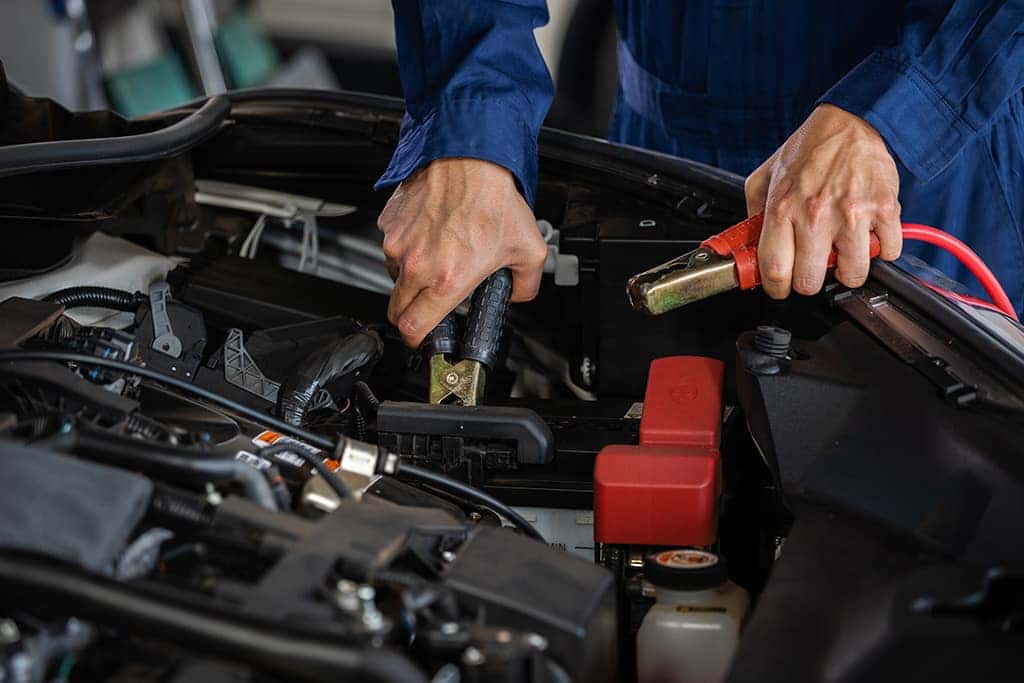
Knowing how to jump-start your car can be an essential skill for any driver, and this is particularly true for Volkswagen owners. Jump-starting a car can come to the rescue when a battery loses its charge, and having clear instructions to do so can mean the difference between a stranded car and a successfully running vehicle. In this guide, we will walk you through the process of jump-starting your Volkswagen, ensuring that you can perform this task with both safety and efficiency.
Introduction
Jump-starting a vehicle requires a basic understanding of electrical circuits and connections, but don’t worry – you don’t need to be a car enthusiast to master this task. What you do need is a clear understanding of the steps involved and a commitment to safety.
Preparation
Before you even touch the jumper cables, it’s crucial to prepare for the jump-starting process. This preparation involves not only gathering the required tools but also focusing on safety – both of the vehicle and the individuals involved in the process.
Safety Precautions
- Work in a well-ventilated area away from any flammable substances.
- Wear protective gloves and eye protection to shield you from any accidental spills and splatters.
- Make sure the vehicle is in “Park”, with the ignition off.
- Ensure that both vehicles are not touching and in neutral with the parking brake engaged.
Required Tools and Equipment
Jumper cables are the primary tool for jump-starting a car. Be sure yours are durable and in good condition, with fully functional clamps. You will also need another car with a fully charged battery to provide the jump.
Step-by-Step Guide
1. Locate Battery Terminals in the Volkswagen
Locating the battery in your Volkswagen is the first step, and this may vary depending on the Volkswagen model. The battery is typically found under the hood, sometimes shielded by a plastic cover that can be removed.
2. Park the Cars in a Safe and Correct Position
Position the booster car so that the batteries are as close as possible, without touching, but do not allow the vehicles to touch. Ensure both cars are in “Park” and the ignition is off. Position the other car in a way that the cables will be able to reach the battery terminals from the Volkswagen.
3. Connect the Jumper Cables
- Connect one red (positive) jumper cable clamp to the positive (+) terminal on the booster car’s battery.
- Connect the other red (positive) jumper cable clamp to the positive (+) terminal on the Volkswagen’s battery.
- Connect one black (negative) jumper cable clamp to the negative (-) terminal on the booster car’s battery.
- Connect the other black (negative) jumper cable clamp to an unpainted metal surface in the Volkswagen’s engine bay, away from the battery but not near moving parts.
4. Start the Working Vehicle and Allow It to Run
Start the booster car and allow it to run for a few minutes. This will charge the battery in the car that needs a jump.
5. Start the Volkswagen and Let It Run
After a few minutes, start your Volkswagen. If it doesn’t start right away, turn off both cars and check the connections. If everything is secure, try starting again.
6. Disconnect the Cables in the Correct Order
Once your Volkswagen has been jump-started, it’s time to disconnect the cables. Do so in the reverse order of how you connected them:
- Remove the black (negative) cable from the unpainted metal surface in the engine bay of the Volkswagen.
- Remove the black (negative) cable from the booster car’s battery terminal.
- Remove the red (positive) cable from the Volkswagen’s battery terminal.
- Lastly, remove the red (positive) cable from the booster car’s battery terminal.
Safety Tips
Jump-starting a car can be dangerous if not done properly. Keep these tips in mind:
Caution on Handling Batteries and Electrical Components
Never touch both battery terminals simultaneously with one tool. Always handle batteries with caution, as they can leak and emit explosive gases.
Avoid Short Circuits
Take care for the clamps of the jumper cables to not touch each other during the process. Short-circuits can cause sparks, which can lead to serious injury.
Disposing of Old Batteries
Old car batteries should be properly disposed of. They contain lead and acid, which can be harmful to the environment.
How to safely jump star my Volkswagen
Jump-starting your Volkswagen requires careful attention to detail and respect for the vehicle’s electrical systems. Remember, while this guide is here to help you in an emergency, regular maintenance of your car’s battery is the best way to prevent needing a jump start. Always check your battery’s health and consider replacing it if it’s older or showing signs of wear. Being prepared and maintaining your vehicle can save you time and hassle down the road.
0 comment(s) so far on How to Safely Jump Start Your Volkswagen