





How Rain & Snow Impact VW Brakes
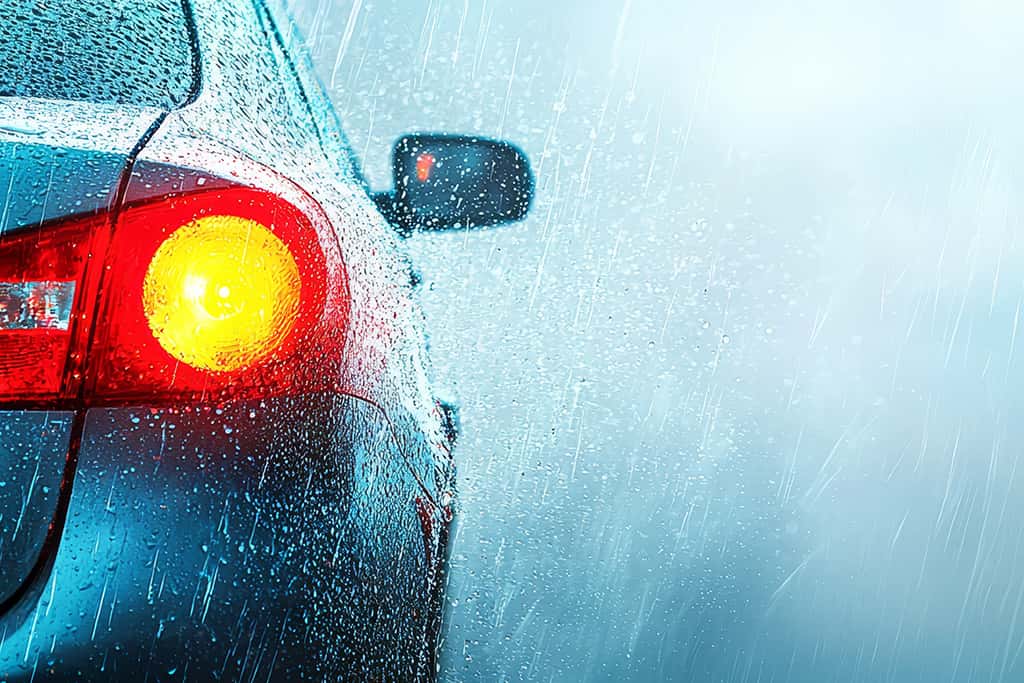
When wet or icy weather strikes, it’s no secret that driving conditions can become hazardous. But have you considered the specific challenges these elements pose to your VW’s braking system? Whether you’re cruising in a Golf, Tiguan, or Passat, understanding how rain and snow can impact your car’s ability to stop is essential for your safety—and that of others on the road.
This blog will walk you through the effects of rain and snow on your VW’s braking performance, share actionable tips for staying safe, and explain why regular brake maintenance is non-negotiable. By the end, you’ll feel confident navigating wet or icy roads with care and precision.
How Rain Affects Braking
Even light rain can make roads incredibly slippery. Add the oil, dirt, and residue that tends to accumulate on asphalt, and you have a recipe for reduced traction and increased stopping distances.
Reduced Traction
Rainwater mixes with oils and grime on the road’s surface to create a slick layer that reduces your tires’ grip. For VW owners, this means that even with advanced braking systems, your car may struggle to maintain traction, leading to longer braking times.
Increased Stopping Distance
When roads are wet, it can take your VW up to twice the distance to come to a complete stop. Vehicles with anti-lock braking systems (ABS), like most VWs, help reduce the risk of skidding, but they can only do so much if road traction is significantly compromised.
Hydroplaning Risk
Another concern is hydroplaning—a condition where your tires lose contact with the road due to a layer of water. When this happens, your brakes may become temporarily ineffective, limiting your control over your VW.
How Snow Affects Braking
Snowy and icy conditions present even more severe challenges. Alongside impaired traction, drivers also face unique issues such as wheel lockup and ABS engagement.
Traction Loss in Snow and Ice
Snow, like rain, reduces the friction between your tires and the road. Ice makes this far worse, turning roads into slippery hazards that can make even slight braking a risky maneuver.
Wheel Lockup and ABS Engagement
When your wheels lose traction in snowy conditions, they may lock up, causing your VW to slide uncontrollably. ABS is designed to prevent this by pulsating the brakes to maintain control. While ABS is an incredible innovation, it’s not foolproof—drivers still need to adjust their techniques to accommodate slick surfaces.
Black Ice Hazards
Black ice is particularly dangerous because it’s nearly invisible. Without warning, your VW’s brakes may struggle to keep you from sliding, even at low speeds.
Tips for Safe Braking in Rain
Driving in the rain doesn’t have to be stressful if you take the right precautions. Here are some tips to help you brake safely in wet conditions:
- Increase Your Following Distance
Maintain at least four to six seconds of distance from the car ahead. This will give you more time to react and compensate for increased stopping distances.
- Avoid Sudden Stops
Sudden braking increases the risk of skidding. Instead, apply your brakes steadily and allow your VW’s ABS to do its job.
- Drive at a Safe Speed
Slow down and drive at a controlled pace. Even if you’re in a hurry, reducing your speed will significantly improve your ability to stop safely.
- Check Your Windshield Wipers
Visibility affects how you react to hazards. Be sure your wipers are in good condition to ensure you can see the road.
- Inspect Tire Tread Depth
Worn tires are far less effective at displacing water. Regularly check your tire treads to ensure they meet the recommended depth.
Tips for Safe Braking in Snow
Snow driving requires even more caution and preparation. Follow these tips for braking safely in snow and ice:
- Install Winter Tires
Snow tires are built for icy conditions, offering better grip and shorter stopping distances compared to all-season tires.
- Keep Your Braking Gentle
Avoid slamming on the brakes. Gently press the brake pedal to avoid locking your wheels and engage the ABS only when necessary.
- Use Low Speeds
Always drive at a safe, reduced speed to give yourself room to respond to hazards.
- Avoid Hills When Possible
Steep inclines exacerbate braking challenges in snow. Avoid hilly routes if you can, or proceed with extreme caution.
- Keep Your Distance
Increase your following distance even further—six to eight seconds minimum is ideal for snowy conditions.
- Clear Snow from Your Car
Don’t forget to clear snow and ice from your VW’s roof, windshield, and lights for optimal visibility and safety.
VW Braking System Maintenance
Rain and snow are unpredictable, but your VW’s braking system shouldn’t be. Keep it in top condition with regular maintenance to ensure it performs flawlessly in adverse weather.
- Schedule Regular Inspections
Have a trusted mechanic check your brakes for wear and tear. VW recommends brake inspections at least every 10,000 miles.
- Monitor Brake Pads and Rotors
Replace worn brake pads before they affect rotor performance. Ignoring small issues can lead to more expensive damage.
- Check Brake Fluid Levels
Low or contaminated brake fluid can impact the performance of your VW’s braking system. Top it off or replace it as needed.
- Keep ABS Sensors Clean
Dirty ABS sensors can reduce the system’s effectiveness. Regular cleaning can keep your braking system reliable.
- Replace Tires When Needed
Tires are your first line of defense in maintaining traction. Check your alignment, and rotate or replace tires as needed to ensure consistent performance.
Stay Safe Behind the Wheel
Driving in rain and snow doesn’t need to feel daunting if you know how your VW reacts to these conditions. By understanding the challenges that wet and snowy weather presents to your braking system, adopting safer driving habits, and staying on top of braking system maintenance, you can dramatically reduce your risk on the road.
Remember, your safety—and the safety of others—should always come first. If you want your VW to handle rain and snow like a champ, stay proactive and care for your braking system regularly.
Speedcraft VW in Wakefield, RI is always here to help keep your VW running at its best. Contact us today for all of your service needs and inquiries.
0 comment(s) so far on How Rain & Snow Impact VW Brakes