





Complete Guide to Engine Overheating
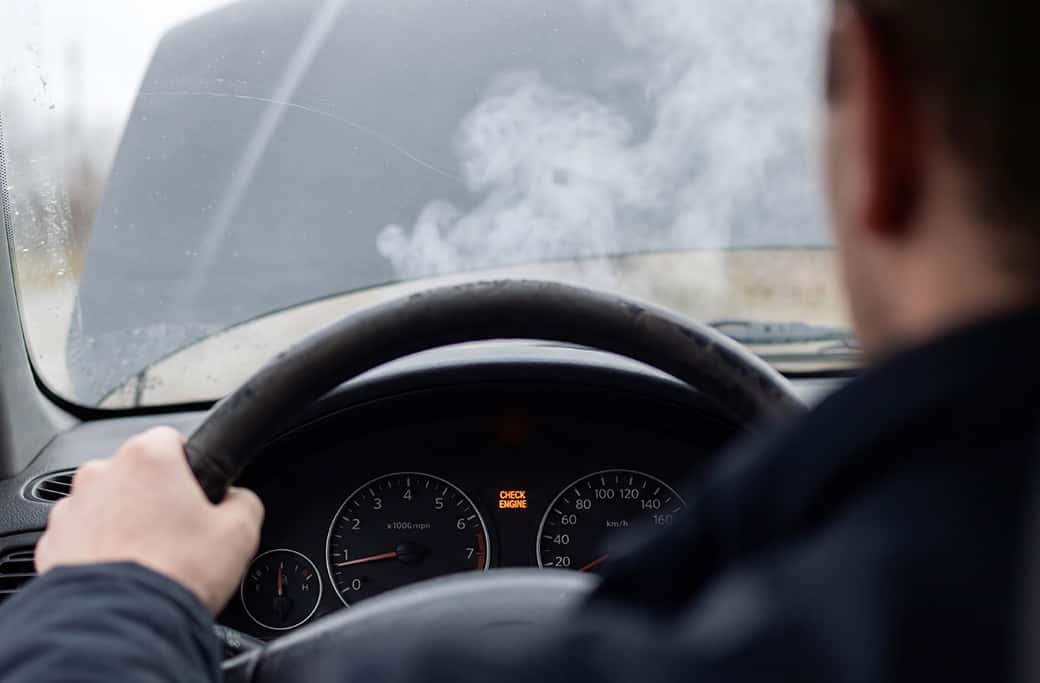
It starts as a subtle annoyance. Maybe you notice your temperature gauge creeping slightly higher than usual during your morning commute. Or perhaps you smell something sweet—like maple syrup—wafting through your air vents. Then, the inevitable happens: steam billows out from under the hood, a warning light flashes on your dashboard, and you find yourself stranded on the side of the road.
Engine overheating is more than just an inconvenience; it is a critical failure that signals your vehicle is in immediate distress. An internal combustion engine operates as a controlled explosion, generating immense heat. Your vehicle’s cooling system is designed to manage this heat, keeping the engine within a safe operating temperature range. When that system fails, temperatures spike rapidly.
Ignoring these signs can lead to catastrophic damage. We aren’t just talking about a tow truck fee; we are talking about warped cylinder heads, cracked engine blocks, and blown head gaskets. These are repairs that can cost thousands of dollars—sometimes more than the value of the car itself. Understanding why overheating happens and how to address it immediately is one of the most valuable skills a car owner can possess.
The Usual Suspects: Why Engines Overheat
While the result—a hot engine—is always the same, the root cause can vary significantly. Your cooling system is a complex loop of hoses, pumps, and fluids. A failure in any single part of this loop can bring the entire system down. Here are the most frequent culprits.
Coolant Leaks
This is the most common cause of overheating. Your cooling system relies on a specific mixture of antifreeze and water to absorb heat from the engine and dissipate it through the radiator. This system is a closed loop, meaning the fluid shouldn’t leave the system. If your coolant level is low, it means it is leaking out somewhere. Leaks can occur in radiator hoses, the radiator itself, the water pump, or the heater core. Without enough fluid to circulate, the engine heat has nowhere to go.
A Faulty Thermostat
The thermostat is a small but vital valve that acts as a gatekeeper for your coolant. When your engine is cold, the thermostat stays closed to help the engine warm up quickly. Once the engine reaches its optimal operating temperature, the thermostat opens to allow coolant to flow into the engine.
If the thermostat gets stuck in the closed position, coolant remains trapped in the radiator, unable to reach the engine block. The result is an engine that overheats rapidly, often within minutes of starting the car.
Radiator Issues
The radiator is the heat exchanger for your vehicle. As hot coolant flows through the radiator’s fins, air passing over them cools the fluid before it returns to the engine. Over time, radiators can become clogged with rust or mineral deposits, restricting flow. Alternatively, the radiator fan (which pulls air through the radiator when you aren’t moving fast) might fail. If you notice your car overheats, specifically when you are idling in traffic, but cools down on the highway, a bad radiator fan is often to blame.
Water Pump Failure
Think of the water pump as the heart of your cooling system. It is responsible for pressurizing and circulating the coolant through the engine and radiator. Over time, the internal bearings can wear out, or the impeller inside can break. If the pump fails, the coolant sits stagnant, and engine temperatures will skyrocket.
Low Oil Levels
While oil is primarily for lubrication, it also plays a significant role in cooling. It reduces friction—a major source of heat—and helps carry heat away from internal components that coolant cannot reach. If your oil is critically low, the increased friction can push your engine temperature into the red zone.
DIY Checks: What You Can Do
If you suspect your car is running hot, you don’t always need a mechanic to do a preliminary check. However, safety is paramount. Never attempt to inspect a cooling system while the engine is hot. Pressurized hot coolant can spray out and cause severe burns. Wait at least 30 to 60 minutes for the engine to cool down completely before opening the hood.
Once the engine is cool, here are a few simple checks you can perform:
- Check the Coolant Reservoir: Locate the plastic translucent tank under the hood. It usually has “Min” and “Max” lines. If the fluid is below the minimum line, you likely have a leak or haven’t topped it up in a long time.
- Inspect the Ground: Look under your parked car. Do you see puddles? Coolant is often bright green, orange, or pink (depending on your car model) and has a sweet smell.
- Squeeze the Hoses: With the engine cool, locate the upper and lower radiator hoses. Give them a squeeze. They should feel firm but pliable, not rock-hard or completely squishy. Check for cracks or bulges.
- Check the Radiator Cap: A radiator cap does more than just keep fluid in; it maintains pressure in the system. If the seal on the cap is worn or the spring is broken, the system can’t hold pressure, lowering the boiling point of the coolant.
When to Call the Professionals
While topping up coolant might get you home in an emergency, it is rarely a permanent fix. Overheating is generally a symptom of a mechanical failure that requires professional repair. You should schedule service immediately if:
- Steam or Smoke: If you see steam coming from the hood, pull over safely and turn off the engine immediately. Do not try to drive further.
- Recurring Issues: If you refill the coolant and it drops low again within a few days or weeks, you have a leak that needs to be pressure-tested and sealed.
- Dashboard Warning Lights: Modern cars have sophisticated sensors. If a red thermometer icon appears or your “Check Engine” light flashes, the car’s computer is telling you there is a critical error.
- The “Heater Trick” Fails: A common temporary fix for an overheating car is to blast the heat, which pulls hot air off the engine. If doing this doesn’t lower the temperature gauge, the problem is likely severe, such as a water pump failure.
Volkswagen Specifics: Precision Engineering Requires Precision Care
If you drive a Volkswagen, you are driving a vehicle designed with German precision engineering. While this offers superior performance and longevity, it also means your vehicle has specific needs that differ from a standard domestic sedan.
The Importance of G13/G12evo Coolant
Volkswagen vehicles use specific types of coolant (often pink or violet in color), such as G12evo or G13. These fluids contain specific additives designed to protect the aluminum alloys used in VW engines. Never mix standard green antifreeze with VW coolant. Mixing them can cause a chemical reaction that creates a gel-like sludge, clogging your cooling system and leading to expensive repairs.
Plastic Components
Some generations of VW engines utilized water pumps with plastic impellers. While efficient, these can become brittle over time and high mileage, leading to failure. If you are driving an older model VW Tiguan, Jetta, or Golf and haven’t had the water pump inspected recently, it is a smart preventative measure.
The VW “Stop” Warning
Volkswagen dashboard clusters are very communicative. If you see a warning that says “STOP Check Coolant,” take it literally. The sensors in your VW are highly sensitive and are designed to prevent you from driving until the engine is damaged.
At Speedcraft Volkswagen in Wakefield, our technicians are factory-trained to understand the nuances of these engines. We don’t just guess at the problem; we use Volkswagen-certified diagnostic tools to pinpoint exactly why your Passat or Atlas is running hot. Whether it’s a simple sensor replacement or a complex water pump repair, we ensure the correct OEM parts and fluids are used every time.
Don’t Let a Small Leak Become a Big Bill
Your car’s cooling system is the only thing standing between a smooth drive and a seized engine. Overheating issues rarely resolve themselves; they almost always get worse with time. If you have noticed your temperature gauge fluctuating, spots on your driveway, or are simply due for a cooling system flush, don’t wait for the steam to appear.
Regular maintenance is the key to longevity. By catching a worn hose or a weeping water pump early, you save yourself the stress of a breakdown and the cost of a major engine overhaul.
If you are in Rhode Island and suspect your vehicle needs attention, the team at Speedcraft Volkswagen is here to help. From routine maintenance to complex repairs, we keep your vehicle running cool and reliable.
Schedule your service appointment with Speedcraft Volkswagen today and drive with confidence.
0 comment(s) so far on Complete Guide to Engine Overheating