

Posted in:

Volkswagen Standard Safety Features
At Speedcraft Volkswagen in Wakefield, RI, we understand that safety is a top priority for every driver. That’s why we’re proud to offer the 2025 lineup of Volkswagen vehicles, which combine sleek design and superior performance with some of the most advanced safety and driver-assistance features on the market. Volkswagen’s Commitment to Safety Volkswagen consistently sets the bar high when it comes to vehicle safety. From the National Highway Traffic Safety Administration (NHTSA) to the Insurance Institute for Highway Safety (IIHS), Volkswagen models often receive some of the top safety ratings across the board. These accolades stem from VW’s dedication to engineering excellence and cutting-edge safety innovation. Whether you’re looking for a sedan, SUV, hatchback, or an all-electric ID. vehicle, Volkswagen offers a range of vehicles designed to prevent accidents and protect passengers. Standard Safety Features on 2025 Volkswagen Models Every 2025 Volkswagen comes equipped with an impressive suite of IQ.DRIVE safety and driver-assistance technologies, ensuring peace of mind during every drive. Here’s what you can expect as standard on the 2025 Volkswagen lineup: Front Assist (Forward Collision Warning & Autonomous Emergency Braking): Alerts you to potential obstacles ahead and automatically applies the brakes if needed to avoid or lessen a collision. Rear Traffic Alert: Helps you reverse safely by detecting vehicles approaching from the sides, with the ability to apply the brakes automatically. Adaptive Cruise Control (ACC): Maintains a safe speed and distance from the car ahead, ideal for highway commutes. Lane Assist: Provides gentle steering assistance for staying within lane boundaries. Emergency Assist: Takes action if it detects that the driver is unresponsive, bringing the car to a controlled stop. Additional Features on Select Trims Some trims or higher-end Volkswagen models also include premium safety enhancements, such as: Blind Spot Monitor: Alerts you to vehicles in your blind spots, making lane changes safer. Park Distance Control: Detects obstacles during parking and provides audible and visual warnings to prevent low-speed collisions. Travel Assist: Combines Adaptive Cruise Control and Lane Assist for semi-automated assistance on the road, reducing driver fatigue. These features ensure that no matter which model you choose, you’ll be driving one of the safest vehicles on the road. Safety Meets Convenience at Speedcraft Volkswagen At Speedcraft Volkswagen, your safety is our priority. Our team is here to answer all your questions about VW’s IQ.DRIVE safety systems and to help match you with the vehicle that best suits your needs. Whether you’re commuting daily, heading out for a road trip, or running your usual errands, Volkswagen vehicles keep you and your loved ones protected every mile of your journey. Visit Speedcraft Volkswagen Today Discover the 2025 Volkswagen lineup at Speedcraft Volkswagen in Wakefield, RI, and see why drivers in Warwick, Providence, and Coventry trust us for exceptional safety, reliability, and service. Stop by our dealership or browse our inventory online to find your next Volkswagen. Book a test drive and experience firsthand how Volkswagen’s safety features bring unmatched peace of mind to your driving experience. Explore Our Inventory Schedule a Test Drive Choose safety, choose Volkswagen. Visit Speedcraft Volkswagen today, where your peace of mind comes standard.
Safety Tips for Traveling with Your Pets
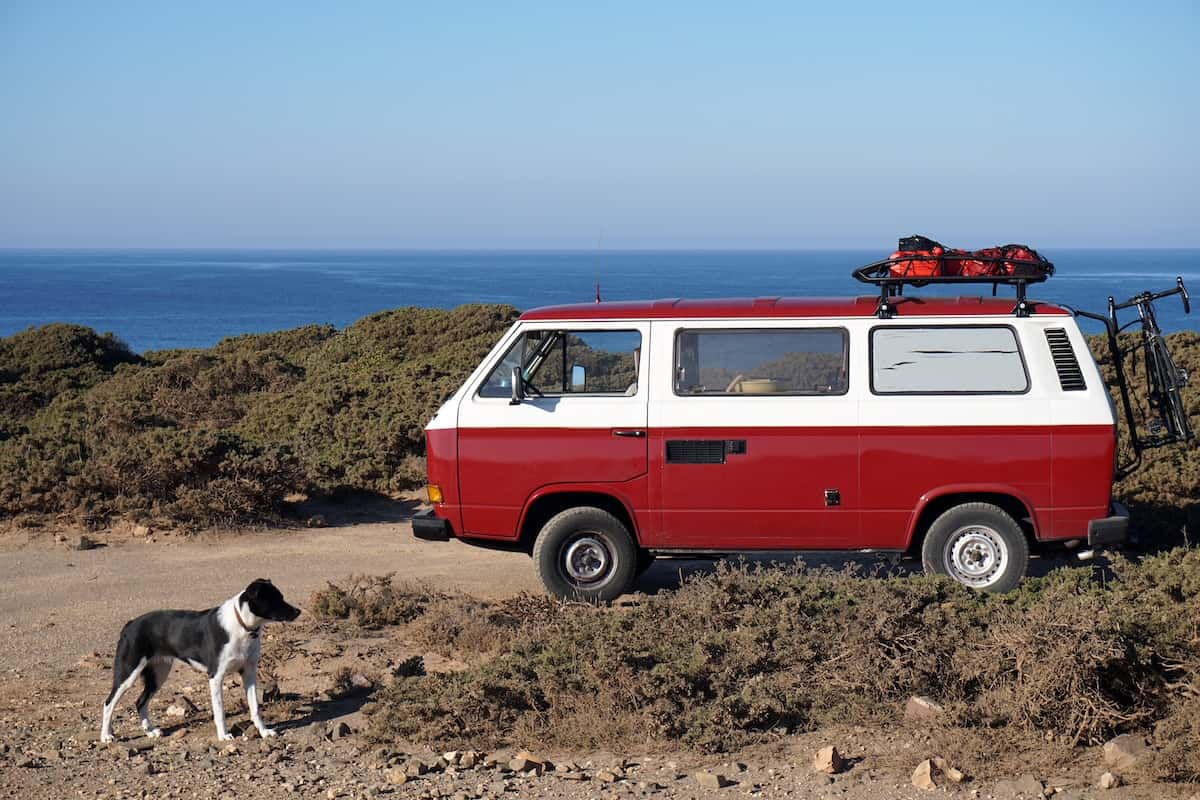
Keeping your furry friends safe and comfortable on the go Some pets love car rides, eagerly hopping into the backseat, tails wagging, ready for adventure. Others do everything in their power to avoid the experience, from hiding under furniture to expressing their displeasure loudly for the entire ride. Whether you’re driving with an enthusiastic dog or a reluctant cat, ensuring their safety is a top priority. At Speedcraft Volkswagen, we understand how important your pets are to you, and we’re here to share essential tips for traveling safely with your four-legged companions. Why Pet Safety in the Car Is Important While seatbelts protect humans in car accidents, they aren’t designed for our pets, making them more vulnerable in collisions. For example, a dog sticking its head out the window may seem like the picture of joy, but it’s also incredibly risky. The unstable standing position puts them at higher risk of injury during sudden stops, and road debris can damage their eyes. Protecting your pets with proper restraints is just as essential as buckling up for yourself. Travel Tips to Keep Your Pets Safe 1. Keep Pets Comfortable in a Carrier For cats and small dogs that dislike car rides, a pet carrier is often the safest option. However, buckling a carrier with a seatbelt isn’t recommended. During an impact, the seatbelt pressure can crush the carrier or shatter its edges, harming your pet. Instead, place the carrier securely on the floor between the front and back seats. This distributes the force during sudden stops or impacts across the entire carrier. If space is tight, push the front passenger seat forward for extra room. 2. Invest in a Crash-Tested Pet Harness For dogs too large to fit in a carrier, a high-quality safety harness is the way to go. Not all harnesses are built for safety, though. Basic leash-style harnesses might keep your dog from jumping into the front seat, but in a collision, they can exert harmful force on the dog’s neck. Choose a crash-tested harness that spreads the impact force evenly across your dog’s body. Look for designs that connect to the car’s LATCH/Isofix points, the same anchors used for child seats. While this restricts movement, it significantly improves safety. Many manufacturers have videos showcasing their harness crash-testing, which can give you extra reassurance about their effectiveness. 3. Preserve Your Car’s Interior Safety comes first, but protection of your car’s interior is a close second. At Speedcraft Volkswagen, you’ll find customizable seat and cargo covers designed for your vehicle. These covers are durable, easy to clean, and perfect for keeping your seats pristine during pet travel. If your pet tends to shed or track dirt, these accessories are must-haves for keeping your car tidy while making your rides more enjoyable for everyone. Plan Ahead for Pet-Friendly Adventures Whether it’s a quick trip to the vet or a cross-country drive, preparing for your pet’s comfort and safety makes all the difference. From securing the right restraints to outfitting your car with protective gear, you’ll ensure smoother journeys every time. Head to Speedcraft Volkswagen to explore our selection of seat covers, protective accessories, and other solutions to make pet travel safer and easier. With a little planning, your furry friend will be ready for whatever adventures lie ahead. Drive safe, and travel happy with Speedcraft Volkswagen.
2025 VW Tiguan Tech and Safety Features
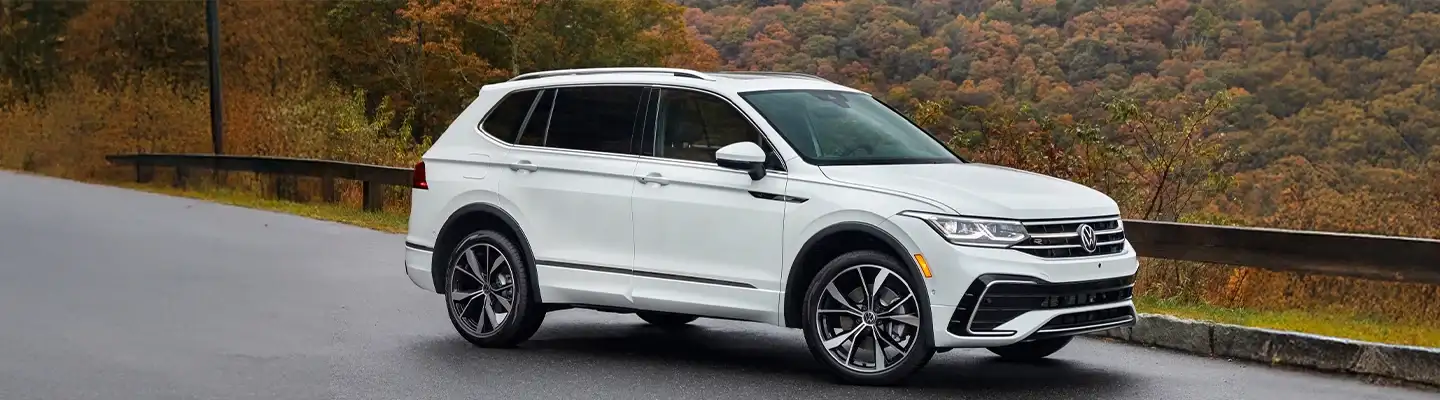
The 2025 Volkswagen Tiguan stands out as a versatile and innovative SUV designed to elevate your driving experience. With a perfect combination of advanced technology, unparalleled safety features, and modern design, the Tiguan is ideal for drivers looking to enhance their daily commute or take on longer adventures with confidence. At Speedcraft VW, we’re excited to showcase the 2025 Tiguan, which delivers exceptional value and performance. Here’s an in-depth look at the tech and safety features that make this SUV a top contender in its class. Tech Features Unlike Any Other The 2025 Tiguan boasts a suite of state-of-the-art technologies that make it a perfect fit for today’s connected driver. The SUV's infotainment system offers an intuitive touchscreen interface that simplifies navigation, music streaming, and system settings. With seamless integration of Apple CarPlay® and Android Auto™, staying connected to your favorite apps, playlists, and more has never been easier. Plus, the Tiguan features an available Wi-Fi hotspot, keeping you and your passengers plugged into the online world whether you're on the way to work or mid-road trip. For added convenience, voice-activated controls and a smart navigation system allow you to manage calls, find directions, and adjust settings without taking your hands off the wheel. To top it off, the premium audio system offers an immersive in-cabin experience, delivering high-quality sound so that every drive feels like your personal concert. Tech-savvy drivers and passengers alike will appreciate the thoughtfulness and innovation packed into every Tiguan. Safety at the Forefront Volkswagen ensures that the 2025 Tiguan not only provides an enjoyable ride but also keeps you and your loved ones safe with its exceptional array of advanced driver-assist features. The Adaptive Cruise Control adjusts your speed automatically to maintain a safe distance from the car in front of you during long journeys, while Lane Assist ensures you stay centered on the road. For further awareness, Blind Spot Monitoring alerts you to vehicles approaching from behind or the side, making highway driving more secure. When navigating hectic city streets or reversing in tight spaces, Emergency Braking and Rear Cross-Traffic Alert prove invaluable. Emergency Braking helps detect potential collisions and applies the brakes as needed, while Rear Cross-Traffic Alert notifies you of approaching vehicles while you’re backing up. The 2025 Tiguan is a great choice for families and safety-conscious buyers who want added peace of mind on every drive. With its comprehensive safety suite, this SUV gets you to your destination comfortably and securely. Elevate Your Drive with Speedcraft VW Discover everything the 2025 VW Tiguan has to offer with a test drive at Speedcraft VW. Our team of friendly, knowledgeable professionals is eager to demonstrate the standout features of this incredible SUV and help you find the perfect model for your lifestyle. Beyond its remarkable tech and safety features, the 2025 Tiguan is available with incredible offers designed to make your decision even easier. Take advantage of these opportunities and drive home in an SUV built to exceed expectations. Visit Speedcraft VW today to experience the innovative 2025 Volkswagen Tiguan and see how it can transform your daily drive. Your next adventure starts here.