
Blog / Service

Is it time for your VW DSG Transmission Service?

VW DSG Transmission Service

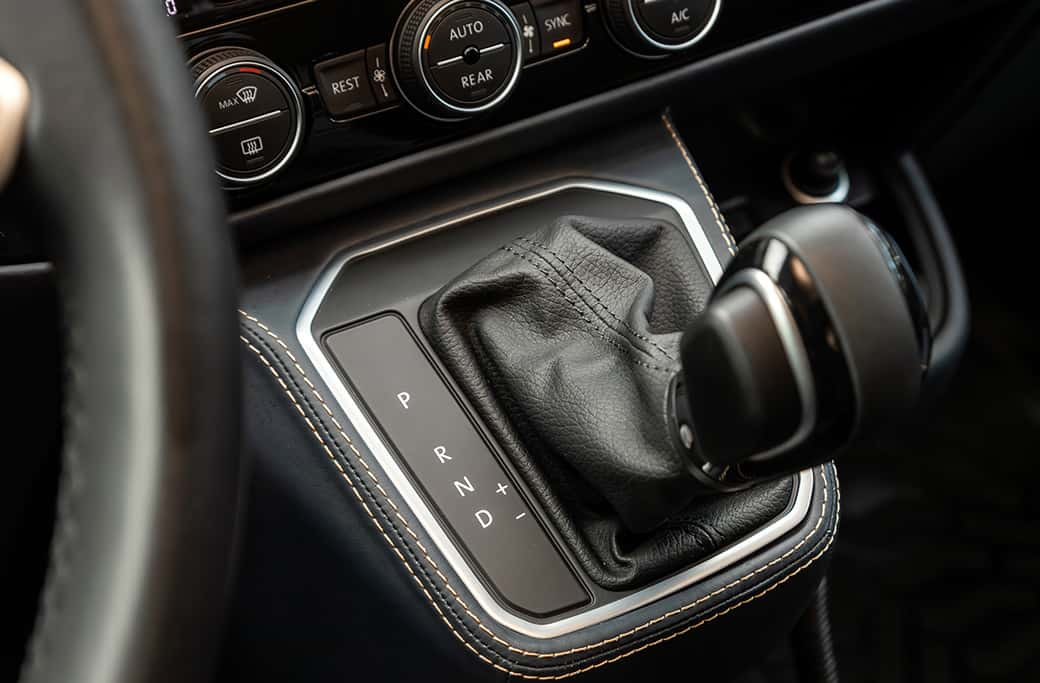
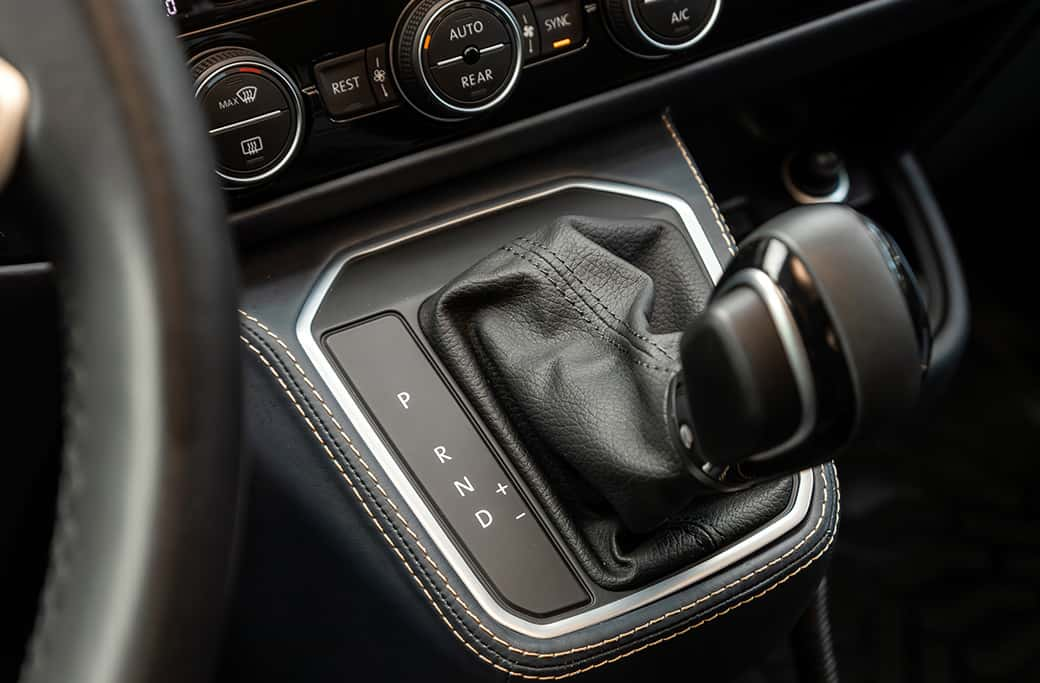
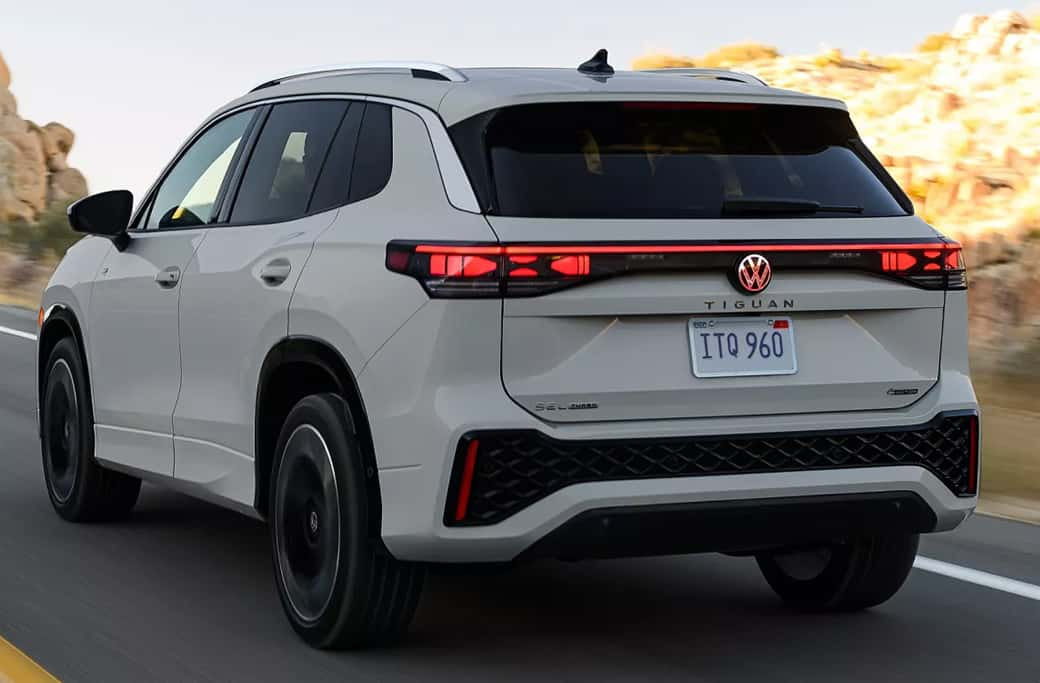
Driving a Volkswagen equipped with a Direct Shift Gearbox (DSG) is a unique experience. You get the convenience of an automatic with the snappy, precise engagement of a manual. It’s one of the engineering feats that makes driving a GTI, Jetta, or Tiguan so engaging. However, that sophisticated engineering requires specific care to keep it performing at its peak.

While most drivers are diligent about engine oil changes and tire rotations, transmission maintenance often falls by the wayside. This is a risky oversight, especially with a high-performance system like the DSG. Ignoring this vital component can lead to sluggish performance, expensive repairs, and a shorter lifespan for your vehicle.

If you are unsure whether your transmission needs attention or simply want to understand what makes your Volkswagen tick, this guide breaks down everything you need to know about DSG maintenance. From understanding how the system works to recognizing the warning signs of wear, we will help you make informed decisions to keep your car running smoothly for years to come.

What is a DSG Transmission?

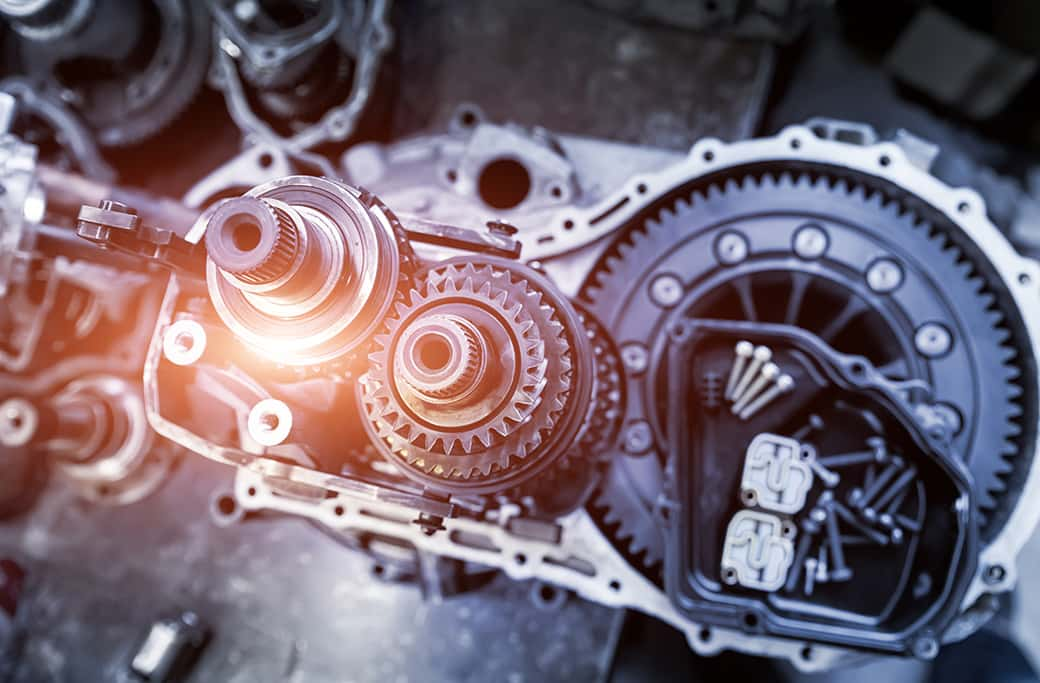
To understand why maintenance is critical, you first need to understand what is happening under the hood. DSG stands for Direktschaltgetriebe (Direct Shift Gearbox). Unlike a traditional automatic transmission that uses a torque converter and slushy fluid dynamics to change gears, the DSG is essentially two manual gearboxes working together.

It utilizes a dual-clutch system. One clutch controls the odd-numbered gears (1, 3, 5, etc.), and the other controls the even-numbered gears (2, 4, 6, etc.). When you are driving in third gear, the car’s computer has already pre-selected fourth gear on the second clutch. When it’s time to shift, the system disengages one clutch and engages the other in a fraction of a second.

This design offers faster shift times than any human could achieve manually, along with better fuel economy than a standard automatic. However, this complex dance of gears and clutches generates heat and friction, which is where the transmission fluid comes into play.

Why Regular Servicing is Important

The majority of DSGs on the road today are "wet clutch" systems. This means the clutch plates are submerged in a specific type of transmission fluid. This fluid performs three critical functions:

  1. Lubrication: It protects the gears and bearings from metal-on-metal wear.
  2. Cooling: It dissipates the intense heat generated by the friction of the clutches.
  3. Hydraulic Actuation: It acts as the hydraulic fluid that the Mechatronic unit (the brain of the transmission) uses to physically move the gears and clutches.

Over time, this fluid breaks down. It loses its viscosity and its ability to protect components. Furthermore, as the clutch packs wear down through normal use, they shed microscopic particles into the fluid. If the fluid isn't changed, it becomes saturated with this debris. Dirty fluid can clog the small passages in the Mechatronic unit, leading to rough shifting and potential component failure.

Regular servicing involves draining this old fluid, replacing the transmission filter (which catches larger debris), and refilling the system with fresh, clean fluid. This reset button ensures your transmission maintains the correct pressure and protection it needs to operate correctly.

How Often Should You Service Your DSG?

For most Volkswagen models equipped with a six-speed or seven-speed wet-clutch DSG, the manufacturer recommends a transmission service every 40,000 miles.

It is important to note that this is a service interval, not a suggestion. Because the fluid plays such an active role in the mechanical operation of the gears, stretching this interval is significantly riskier than delaying an engine oil change.

However, certain driving habits may require more frequent attention. You should consider servicing your transmission sooner if:

  • You frequently drive in heavy, stop-and-go traffic.
  • You use your vehicle for towing.
  • You participate in track days or high-performance driving events.
  • You live in an area with extreme ambient temperatures.

Always consult your specific owner's manual for the precise schedule for your model year, but keeping the 40,000-mile benchmark in mind is a safe strategy for most owners.

Signs Your DSG Needs Servicing

Ideally, you should service your transmission before you notice any issues. However, if you are approaching or have passed the service interval, your car might start "talking" to you. Here are common symptoms that your DSG fluid is past its prime:

1. Hesitation or Jerky Shifting

The hallmark of a healthy DSG is seamless acceleration. If you notice the car lurching when taking off from a stop, or if the shift between first and second gear feels rough or clunky, it is a strong indicator that the fluid is degraded or the fluid level is incorrect.

2. Delayed Engagement

When you shift from Park to Drive or Reverse, the gear engagement should be almost instant. If there is a noticeable pause—where you press the gas and the engine revs but the car doesn't move immediately—this "slip" suggests a hydraulic pressure issue often caused by old fluid.

3. Unusual Noises

A DSG is mechanically noisy by nature compared to a standard automatic, but you should not hear clunking, grinding, or whining sounds. These noises often point to a lack of lubrication on the internal gears.

4. The "PRNDS" Lights of Death

If the gear selection lights on your dashboard (P, R, N, D, S) start flashing, your car has entered "limp mode." This is a protective measure taken by the computer to prevent catastrophic damage. While this can be caused by electrical issues, it is frequently triggered by mechanical faults resulting from poor maintenance.

5. Burning Smell

If you smell something burning coming from your vehicle after a drive, it could be overheated transmission fluid. This is a serious red flag that requires immediate attention to prevent total transmission failure.

The Consequences of Neglecting DSG Service

Skipping this service might save you money in the short term, but the long-term financial risks are substantial. The most common point of failure in a neglected DSG is the Mechatronic unit. This complex electro-hydraulic control unit is highly sensitive to dirty fluid. Replacing a Mechatronic unit can cost thousands of dollars—significantly more than the cost of routine maintenance.

In severe cases, complete transmission failure can occur, requiring a full replacement or rebuild. Beyond the financial hit, a failing transmission affects the safety and reliability of your vehicle, potentially leaving you stranded.

Why Choose Speedcraft Volkswagen for Your DSG Service?

When it comes to specialized equipment like the DSG, you need technicians who understand the engineering behind it. General repair shops may not have the specific tools or proprietary software required to properly perform the service, such as resetting the transmission adaptations after the fluid change.

At Speedcraft Volkswagen in Wakefield, RI, our factory-certified technicians specialize in Volkswagen engineering. We use only OEM (Original Equipment Manufacturer) parts and fluids, ensuring that your vehicle receives exactly what the engineers in Germany specified.

We understand that vehicle maintenance is an interruption to your day, which is why we offer convenient online scheduling. You can book your appointment through our website and let us handle the rest.

Keep Your VW Running Smoothly with Speedcraft Volkswagen

Your Volkswagen was built to drive, and the DSG transmission is a massive part of that experience. Don't let neglected maintenance dilute the performance you love. By adhering to the recommended service schedule, you ensure that your gear shifts remain crisp, your fuel economy stays high, and your vehicle remains reliable for the long haul.

If you are approaching the 40,000-mile mark or are noticing any changes in how your vehicle shifts, don't wait.

Schedule your service appointment with Speedcraft Volkswagen today and give your car the expert care it deserves.
Posted in:

Related Posts

How to Know if My Transmission is Going Out

How to Know if My Transmission is Going Out?

Few words strike fear into the heart of a car owner quite like "transmission failure." It’s one of the most complex, essential, and expensive components of your vehicle, responsible for transferring power from the engine to the wheels. When it’s working correctly, you barely notice it. When it starts to fail, however, your entire driving experience can change—and not for the better. Ignoring early warning signs is the quickest way to turn a minor repair into a major financial headache. Your transmission doesn't usually fail overnight; it often gives you subtle hints that something is amiss long before it leaves you stranded on the side of the road. Recognizing these symptoms early can save your car, your wallet, and your peace of mind. At Speedcraft Volkswagen, we understand how vital a healthy transmission is to the longevity of your vehicle. Whether you are driving a robust Volkswagen Atlas or a sporty Jetta GLI, keeping your transmission in top shape is key to maintaining that signature smooth VW ride. Warning Signs of Transmission Problems Your car has ways of telling you when it’s feeling under the weather. While modern vehicles are equipped with sophisticated computer systems that alert you to issues, your own senses—sight, smell, and hearing—are often the first line of defense. Here are the most common signs that your transmission might be going out. Slipping Gears Have you ever been driving along, only to feel your car suddenly lose power or change pitch as if it shifted gears on its own? This is known as "slipping." In a healthy automatic transmission, the car stays in a designated gear until the computer signals a shift is necessary. If the transmission is slipping, it might spontaneously pop out of gear while you are driving or struggle to stay in gear. This sensation can be alarming. You might press the gas pedal and hear the engine revving, but the car doesn't accelerate as it should. It feels almost like driving on ice, where the wheels are spinning but you aren't gaining traction. This is a serious safety hazard, as it can prevent you from accelerating out of dangerous situations. Rough or Delayed Shifting Your Volkswagen is designed for precision and comfort. Gear shifts should be nearly imperceptible, providing a seamless transition from one speed to another. If you start to notice a hesitation or a "clunk" when shifting, it’s a clear indicator of trouble. For automatic transmissions, you might feel a jarring sensation when the car shifts gears, rather than a smooth slide. There may also be a noticeable delay between when you shift from "Park" to "Drive" and when the gear actually engages. If you pause for a few seconds waiting for the transmission to catch up with your inputs, it’s time to schedule a service appointment. Unusual Noises Your car speaks a language of its own, and new noises are its way of complaining. Transmission issues often manifest as whining, humming, or clunking sounds. If you hear a whining or buzzing sound coming from underneath the vehicle, it could indicate a problem with the transmission fluid pump or internal gears. In manual transmissions, mechanical failure often sounds like grinding when you shift gears. If you are in "Neutral" and hear a bumping sound, you might just need new transmission fluid, but it could also signal worn-out bearings or gear teeth. Never ignore these sounds. They rarely go away on their own and usually indicate that friction is damaging internal components. Burning Smell A burning smell coming from your car is never a good sign, and it requires immediate attention. If that smell is accompanied by transmission issues, it is likely caused by overheating transmission fluid. Transmission fluid plays a critical role in cooling and lubricating the moving parts inside the gearbox. over time, this fluid can break down or leak, leading to increased friction and heat. When the fluid gets too hot, it loses its ability to protect the gears, which can lead to catastrophic damage. If you catch a whiff of something akin to burnt toast or hot rubber, pull over safely and check your levels, or bring it to a professional immediately. Check Engine Light The "Check Engine" light is the most misunderstood warning on a dashboard. While it can trigger for minor reasons—like a loose gas cap—it is also the primary way your car’s computer tells you there is a problem with the transmission. Sensors throughout the engine and transmission pick up on irregularities that you might not feel or hear yet. If this light illuminates, don't just hope it turns off. Visit a service center where technicians can use diagnostic tools to read the specific error code. This small light can be the difference between a simple solenoid replacement and a complete transmission rebuild. Why Timely Service Matters Procrastination is the enemy of automotive health. It is easy to dismiss a slight hesitation in shifting or a faint whine as a quirk of an older car, but delaying service usually leads to more extensive damage. Preventing Costly Repairs Transmission repairs exist on a spectrum. On one end, you have minor maintenance like a fluid flush or a filter change. On the other end, you have a complete transmission replacement, which can cost thousands of dollars. Catching a problem early often keeps you on the less expensive end of that spectrum. A small leak fixed today prevents a burned-out transmission tomorrow. Ensuring Safety A failing transmission is a safety hazard. If your car slips out of gear while you are merging onto a highway or crossing a busy intersection, you lose the ability to control your vehicle’s speed. Delayed engagement can also leave you stuck in the middle of traffic. Keeping your transmission healthy ensures that your car reacts predictably when you need it most. Maintaining Vehicle Value Whether you plan to drive your car for another decade or trade it in for a new model, maintenance history matters. A well-maintained vehicle with a solid service record retains its value much better than one with a history of mechanical neglect. If you are thinking of upgrading to a new Volkswagen Atlas or ID. Buzz in the future, taking care of your current vehicle is a smart financial move. Speedcraft Volkswagen Service When it comes to the intricate engineering of a Volkswagen, you don't want just anyone under the hood. You need specialists who understand German engineering inside and out. Expert Technicians At Speedcraft Volkswagen, our service center is staffed by factory-trained technicians. They don't just work on cars; they specialize in Volkswagens. They have the training and diagnostic tools to pinpoint transmission issues accurately, ensuring the repair is done right the first time. We serve drivers from Wakefield, Warwick, Providence, and Coventry, providing a dealership experience that prioritizes your peace of mind. Genuine Volkswagen Parts Your car was built with high-quality components, and repairs should maintain that standard. We use Genuine Volkswagen Parts and accessories that are designed specifically for your model. Unlike aftermarket parts, which may have variable quality and fit, OEM (Original Equipment Manufacturer) parts ensure your transmission functions exactly as the engineers intended. Service Specials and Financing Options We know that unexpected car repairs can be stressful for your budget. That is why we offer service financing options that allow you to service now and pay over time. We also regularly update our service specials to help you save on routine maintenance. From oil changes to major repairs, we aim to make the process as seamless and affordable as possible. Protect Your Investment Today Your transmission is the heartbeat of your vehicle's performance. It dictates how smooth your ride is, how responsive your acceleration feels, and how safe you are on the road. By paying attention to warning signs like slipping gears, strange noises, or that ominous check engine light, you can catch issues before they escalate into major failures. Don't wait until you are stranded to give your car the attention it needs. If you suspect your transmission is acting up, or if you are simply due for a maintenance check, the team at Speedcraft Volkswagen is here to help. Schedule your service appointment today and let our expert team get you back on the road with confidence. Be sure to check our website for current service coupons to save on your next visit!

Complete Guide to Engine Overheating

Complete Guide to Engine Overheating

It starts as a subtle annoyance. Maybe you notice your temperature gauge creeping slightly higher than usual during your morning commute. Or perhaps you smell something sweet—like maple syrup—wafting through your air vents. Then, the inevitable happens: steam billows out from under the hood, a warning light flashes on your dashboard, and you find yourself stranded on the side of the road. Engine overheating is more than just an inconvenience; it is a critical failure that signals your vehicle is in immediate distress. An internal combustion engine operates as a controlled explosion, generating immense heat. Your vehicle's cooling system is designed to manage this heat, keeping the engine within a safe operating temperature range. When that system fails, temperatures spike rapidly. Ignoring these signs can lead to catastrophic damage. We aren't just talking about a tow truck fee; we are talking about warped cylinder heads, cracked engine blocks, and blown head gaskets. These are repairs that can cost thousands of dollars—sometimes more than the value of the car itself. Understanding why overheating happens and how to address it immediately is one of the most valuable skills a car owner can possess. The Usual Suspects: Why Engines Overheat While the result—a hot engine—is always the same, the root cause can vary significantly. Your cooling system is a complex loop of hoses, pumps, and fluids. A failure in any single part of this loop can bring the entire system down. Here are the most frequent culprits. Coolant Leaks This is the most common cause of overheating. Your cooling system relies on a specific mixture of antifreeze and water to absorb heat from the engine and dissipate it through the radiator. This system is a closed loop, meaning the fluid shouldn't leave the system. If your coolant level is low, it means it is leaking out somewhere. Leaks can occur in radiator hoses, the radiator itself, the water pump, or the heater core. Without enough fluid to circulate, the engine heat has nowhere to go. A Faulty Thermostat The thermostat is a small but vital valve that acts as a gatekeeper for your coolant. When your engine is cold, the thermostat stays closed to help the engine warm up quickly. Once the engine reaches its optimal operating temperature, the thermostat opens to allow coolant to flow into the engine. If the thermostat gets stuck in the closed position, coolant remains trapped in the radiator, unable to reach the engine block. The result is an engine that overheats rapidly, often within minutes of starting the car. Radiator Issues The radiator is the heat exchanger for your vehicle. As hot coolant flows through the radiator's fins, air passing over them cools the fluid before it returns to the engine. Over time, radiators can become clogged with rust or mineral deposits, restricting flow. Alternatively, the radiator fan (which pulls air through the radiator when you aren't moving fast) might fail. If you notice your car overheats, specifically when you are idling in traffic, but cools down on the highway, a bad radiator fan is often to blame. Water Pump Failure Think of the water pump as the heart of your cooling system. It is responsible for pressurizing and circulating the coolant through the engine and radiator. Over time, the internal bearings can wear out, or the impeller inside can break. If the pump fails, the coolant sits stagnant, and engine temperatures will skyrocket. Low Oil Levels While oil is primarily for lubrication, it also plays a significant role in cooling. It reduces friction—a major source of heat—and helps carry heat away from internal components that coolant cannot reach. If your oil is critically low, the increased friction can push your engine temperature into the red zone. DIY Checks: What You Can Do If you suspect your car is running hot, you don't always need a mechanic to do a preliminary check. However, safety is paramount. Never attempt to inspect a cooling system while the engine is hot. Pressurized hot coolant can spray out and cause severe burns. Wait at least 30 to 60 minutes for the engine to cool down completely before opening the hood. Once the engine is cool, here are a few simple checks you can perform: Check the Coolant Reservoir: Locate the plastic translucent tank under the hood. It usually has "Min" and "Max" lines. If the fluid is below the minimum line, you likely have a leak or haven't topped it up in a long time. Inspect the Ground: Look under your parked car. Do you see puddles? Coolant is often bright green, orange, or pink (depending on your car model) and has a sweet smell. Squeeze the Hoses: With the engine cool, locate the upper and lower radiator hoses. Give them a squeeze. They should feel firm but pliable, not rock-hard or completely squishy. Check for cracks or bulges. Check the Radiator Cap: A radiator cap does more than just keep fluid in; it maintains pressure in the system. If the seal on the cap is worn or the spring is broken, the system can't hold pressure, lowering the boiling point of the coolant. When to Call the Professionals While topping up coolant might get you home in an emergency, it is rarely a permanent fix. Overheating is generally a symptom of a mechanical failure that requires professional repair. You should schedule service immediately if: Steam or Smoke: If you see steam coming from the hood, pull over safely and turn off the engine immediately. Do not try to drive further. Recurring Issues: If you refill the coolant and it drops low again within a few days or weeks, you have a leak that needs to be pressure-tested and sealed. Dashboard Warning Lights: Modern cars have sophisticated sensors. If a red thermometer icon appears or your "Check Engine" light flashes, the car's computer is telling you there is a critical error. The "Heater Trick" Fails: A common temporary fix for an overheating car is to blast the heat, which pulls hot air off the engine. If doing this doesn't lower the temperature gauge, the problem is likely severe, such as a water pump failure. Volkswagen Specifics: Precision Engineering Requires Precision Care If you drive a Volkswagen, you are driving a vehicle designed with German precision engineering. While this offers superior performance and longevity, it also means your vehicle has specific needs that differ from a standard domestic sedan. The Importance of G13/G12evo Coolant Volkswagen vehicles use specific types of coolant (often pink or violet in color), such as G12evo or G13. These fluids contain specific additives designed to protect the aluminum alloys used in VW engines. Never mix standard green antifreeze with VW coolant. Mixing them can cause a chemical reaction that creates a gel-like sludge, clogging your cooling system and leading to expensive repairs. Plastic Components Some generations of VW engines utilized water pumps with plastic impellers. While efficient, these can become brittle over time and high mileage, leading to failure. If you are driving an older model VW Tiguan, Jetta, or Golf and haven't had the water pump inspected recently, it is a smart preventative measure. The VW "Stop" Warning Volkswagen dashboard clusters are very communicative. If you see a warning that says "STOP Check Coolant," take it literally. The sensors in your VW are highly sensitive and are designed to prevent you from driving until the engine is damaged. At Speedcraft Volkswagen in Wakefield, our technicians are factory-trained to understand the nuances of these engines. We don't just guess at the problem; we use Volkswagen-certified diagnostic tools to pinpoint exactly why your Passat or Atlas is running hot. Whether it’s a simple sensor replacement or a complex water pump repair, we ensure the correct OEM parts and fluids are used every time. Don't Let a Small Leak Become a Big Bill Your car's cooling system is the only thing standing between a smooth drive and a seized engine. Overheating issues rarely resolve themselves; they almost always get worse with time. If you have noticed your temperature gauge fluctuating, spots on your driveway, or are simply due for a cooling system flush, don't wait for the steam to appear. Regular maintenance is the key to longevity. By catching a worn hose or a weeping water pump early, you save yourself the stress of a breakdown and the cost of a major engine overhaul. If you are in Rhode Island and suspect your vehicle needs attention, the team at Speedcraft Volkswagen is here to help. From routine maintenance to complex repairs, we keep your vehicle running cool and reliable. Schedule your service appointment with Speedcraft Volkswagen today and drive with confidence.

VW Atlas Cross Sport Oil Change

VW Atlas Cross Sport Oil Change

Your VW Atlas Cross Sport is more than just a way to get from point A to point B—it’s a precision-engineered machine designed for performance and style. To keep it running at its peak, regular maintenance is non-negotiable. Among the most critical services for your engine’s longevity is a timely oil change. Skipping this simple maintenance step can lead to reduced fuel efficiency, sluggish performance, and eventually, costly engine repairs. If you are driving a VW Atlas Cross Sport in Rhode Island, finding a service center that understands the specific needs of your vehicle is essential for protecting your investment. Why Choose Speedcraft VW for Your Oil Change? When it comes to servicing a specialized vehicle like the Atlas Cross Sport, not all service centers are created equal. Speedcraft Volkswagen, a Rhode Island owned and operated dealership, offers a level of expertise that generic quick-lube shops simply cannot match. Serving drivers across Wakefield, Warwick, Providence, and Coventry, our service center is staffed by factory-trained technicians who know your Volkswagen inside and out. We understand the specific engineering of the Atlas Cross Sport engine, ensuring that every oil change is performed to the manufacturer's exact standards. When you choose Speedcraft, you aren't just getting new oil; you're getting peace of mind knowing your vehicle is in expert hands. The Speedcraft VW Oil Change Process At Speedcraft Volkswagen, we believe in transparency and efficiency. When you bring your Atlas Cross Sport in for service, here is what you can expect: Check-In: Our friendly service advisors will check you in and review your vehicle's maintenance history to ensure we aren't missing any other vital milestones. Drain and Replace: Our technicians will drain the old, degraded oil and replace the oil filter. A clean filter is just as important as clean oil, as it prevents contaminants from cycling back through your engine. Refill with Precision: We refill your engine with the specific synthetic oil grade recommended by Volkswagen for the Atlas Cross Sport. Multi-Point Inspection: While your car is on the lift, we perform a complimentary multi-point inspection. We check fluid levels, tire pressure, brake wear, and more to catch potential issues before they become major problems. Reset and Review: We reset your service interval light and review the service with you, answering any questions you might have about your vehicle's health. The Importance of Genuine VW Parts and Oil It might be tempting to save a few dollars with aftermarket parts, but your Volkswagen deserves better. The Atlas Cross Sport engine is designed to operate with specific tolerances, and using the wrong oil viscosity or a low-quality filter can impact performance. At Speedcraft VW, we use only Genuine VW Parts and Oil. Optimal Viscosity: We use synthetic oil that meets VW's strict quality standards, ensuring proper lubrication even in Rhode Island's fluctuating temperatures. Superior Filtration: Genuine VW oil filters are designed to capture smaller particles and withstand higher pressures than many generic alternatives. Warranty Protection: Using genuine parts helps maintain your vehicle’s warranty integrity, ensuring you remain covered for the long haul. Schedule Your Oil Change Today! Don't wait until your dashboard warning light turns on. Preventive maintenance is the key to keeping your Atlas Cross Sport on the road for years to come. Booking your appointment is easy. You can use our online service scheduler to pick a time that works for you, or give our service department a call at (401) 783-3305. Whether you are in Wakefield or coming from Providence, we make the process quick and convenient. Committed to Rhode Island Drivers At Speedcraft Volkswagen, our commitment goes beyond just fixing cars. We are dedicated to providing an exceptional customer experience for every driver who walks through our doors. From our comfortable waiting area to our knowledgeable staff, we aim to make vehicle maintenance as stress-free as possible. Trust your VW Atlas Cross Sport to the experts who know it best. Visit Speedcraft Volkswagen today and experience the difference of dealer-certified service.