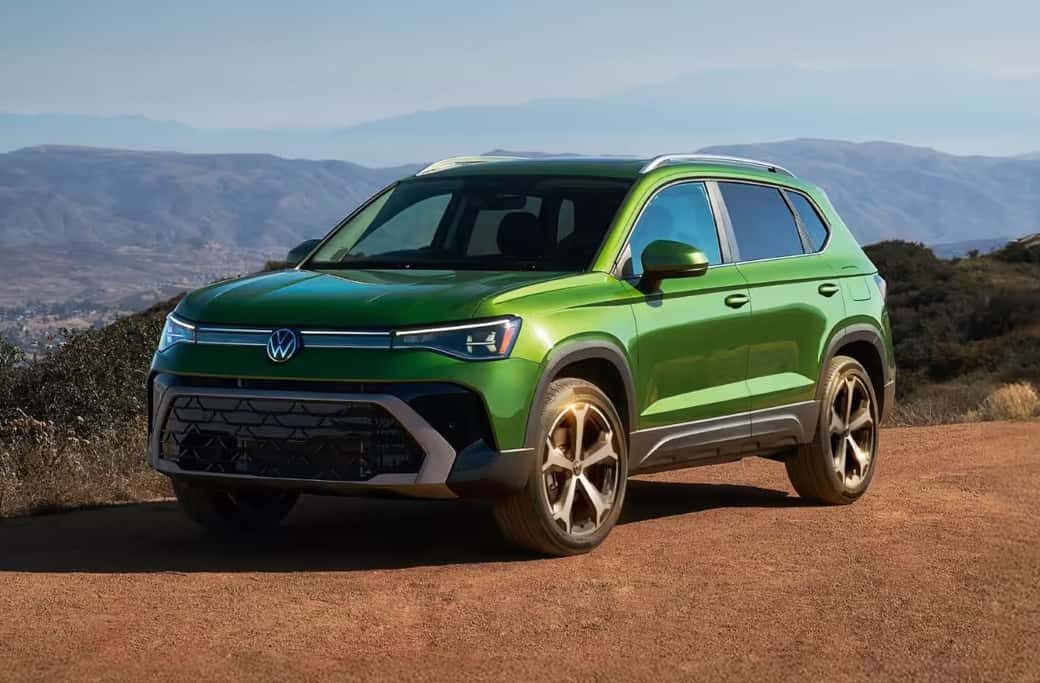
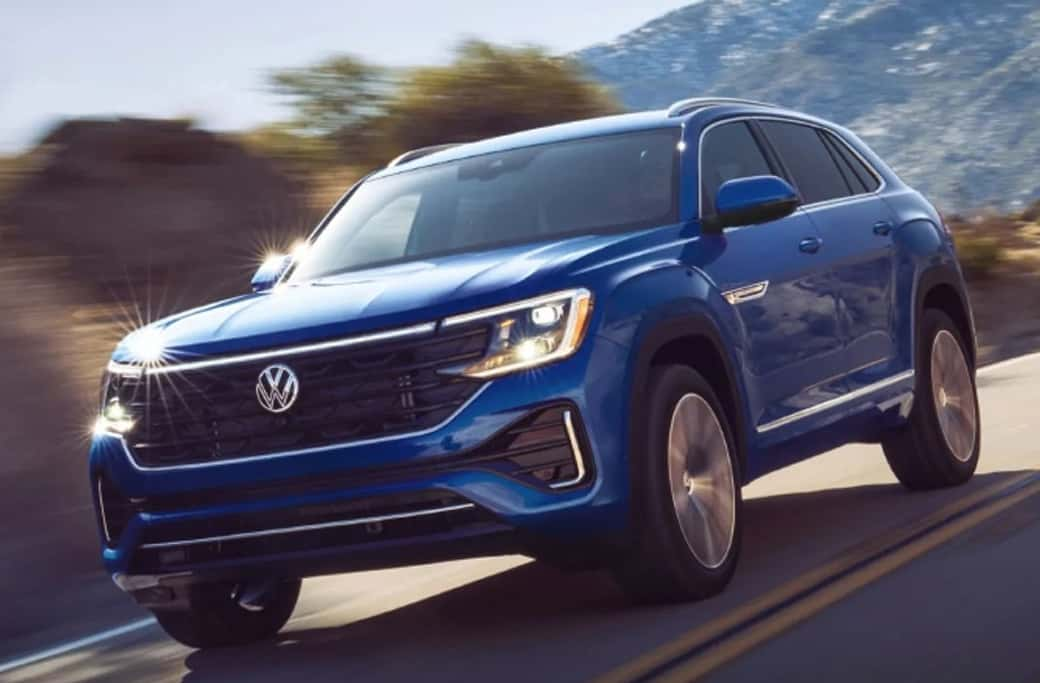
The Volkswagen Taos has quickly become a favorite for drivers seeking a versatile, efficient, and stylish compact SUV. Its agile handling makes navigating tight city streets a breeze, while the spacious cabin comfortably fits passengers and cargo for weekend getaways. Many Rhode Island drivers love the Taos for its perfect blend of daily practicality and light adventure readiness. Because the Taos looks ready for a weekend trip, a common question arises among prospective buyers: can this compact SUV tow a small trailer or camper? If you are planning to haul a boat to the bay or take a pop-up camper into the woods, understanding a vehicle's limits is crucial for your safety and the longevity of your car. To help you make an informed decision, we have put together this comprehensive guide on the 2026 Volkswagen Taos towing capacity. We will look at Volkswagen’s official guidelines, explain the engineering behind these recommendations, and highlight alternative VW models that are perfectly suited for hauling your heavier gear. The Official Stance on Towing with a 2026 Taos When it comes to the 2026 Volkswagen Taos, the manufacturer provides very clear guidance regarding its towing capabilities. The Volkswagen Taos is not rated for towing in the U.S. market. According to the vehicle's owner’s manual, "The Volkswagen Taos is not rated for towing. Volkswagen does not recommend towing a trailer with this vehicle." You might come across third-party websites or forums claiming the Taos can tow up to 1,000 pounds under specific conditions. However, these figures are not manufacturer-certified. Volkswagen does not publish an official towing capacity for this model because it has not been certified for trailer use. Furthermore, installing an aftermarket hitch does not alter the vehicle’s towing status. While a hitch can be useful for certain accessories, adding one will not safely transform the Taos into a tow vehicle. Choosing a vehicle specifically engineered and rated for towing remains the safest option for drivers who need to haul a trailer. Why Doesn't the VW Taos Have a Tow Rating? The absence of a tow rating is a deliberate design choice by Volkswagen. The Taos was engineered from the ground up to excel in efficiency, maneuverability, and urban driving. It delivers exceptional fuel economy and nimble handling, making it a fantastic choice for tight parking lots and daily commutes. Vehicles designed for towing require specific engineering considerations that can add weight and reduce fuel efficiency. For example, tow-rated vehicles typically feature enhanced engine cooling systems to prevent overheating under heavy loads. They also utilize heavy-duty transmission components and stiffer suspensions to handle the extra weight and stress. Pulling a trailer with a Taos can place undue strain on its chassis, engine, and transmission. Towing unrated loads can increase braking distances, create handling instability, and potentially impact your warranty coverage. By focusing on passenger comfort and fuel efficiency instead of towing capability, Volkswagen ensured the Taos excels precisely at what it was built to do. What the 2026 Volkswagen Taos Does Best While you should leave the trailer at home, the 2026 Taos remains an incredibly capable vehicle for a wide variety of tasks. It is exceptionally well-suited for commuting to work, running daily errands, and transporting light cargo. The interior space is surprisingly generous for a compact SUV, offering ample room for passengers to stretch out alongside plenty of luggage space. You can also easily expand its utility without crossing into towing territory. Installing a hitch to use a hitch-mounted bike rack or cargo carrier is a popular option. You can safely mount your bicycles or strap down extra luggage for a road trip, provided you follow the vertical load limits outlined in the owner’s manual. This level of versatility perfectly matches the lifestyle of many Speedcraft VW customers. Whether you are driving through the busy streets of Providence, picking up groceries in Warwick, or taking a scenic drive through Coventry, the Taos delivers a comfortable, tech-forward, and practical driving experience. Top Volkswagen SUV Alternatives for Towing If your lifestyle requires regular or occasional towing, Speedcraft VW offers several fantastic Volkswagen models that are officially rated for the job. For maximum capability and space, the 2026 Volkswagen Atlas and Atlas Cross Sport are premier choices. These family-friendly SUVs are engineered to handle heavier loads, making them ideal for towing small boats, campers, or utility trailers. They also provide massive interior space, ensuring your family travels in complete comfort. If you prefer a smaller footprint but still need towing capability, the 2026 Volkswagen Tiguan is an excellent middle ground. When properly equipped, the Tiguan offers an official towing rating suitable for light-duty hauling. It maintains a compact size while delivering the extra strength needed for your weekend toys. We also offer a diverse lineup of other vehicles to suit any preference. If you are looking to go electric, the ID.4 provides a thrilling, emissions-free ride. For those who prefer classic sedan styling and efficiency, the Volkswagen Jetta remains a top contender. Find Your Next Volkswagen in Wakefield Finding the right vehicle is about matching a car's capabilities to your unique lifestyle. At Speedcraft VW, we are committed to helping you find the perfect fit. Our knowledgeable team takes the time to understand your needs, whether that means prioritizing fuel economy, passenger space, or towing capacity. We pride ourselves on delivering outstanding customer satisfaction from the moment you step onto our lot to the routine maintenance visits in our service center. We invite you to explore our extensive inventory and experience the quality of German engineering firsthand. Making the Right SUV Choice for Your Lifestyle Understanding what your vehicle is designed to do is the first step toward a safe and satisfying ownership experience. The main takeaway is simple: the 2026 Volkswagen Taos is a brilliant, efficient compact SUV, but it is not built for towing. By aligning your expectations with Volkswagen's official guidance, you protect your vehicle from unnecessary wear and ensure your safety on the road. If hauling a trailer is in your future, exploring properly equipped models like the Tiguan or Atlas is the smart move. Visit Speedcraft VW in Wakefield, Rhode Island, today. Our team is ready to walk you through our full lineup, arrange a test drive, and help you drive home in the exact Volkswagen you need. FAQ: 2026 Volkswagen Taos Towing Capacity Is the 2026 Volkswagen Taos rated for towing in the U.S.? No. The 2026 Volkswagen Taos is not rated for towing in the U.S. market, and Volkswagen does not recommend towing a trailer with this vehicle. Always follow the guidance in the official Owner’s Manual. Why doesn’t Volkswagen publish an official towing capacity for the Taos? Volkswagen has not certified the Taos for trailer towing in the U.S., which means there is no manufacturer-approved towing capacity published for this model. This typically relates to testing, durability, and safety requirements for trailer use. Some websites say the Taos can tow up to 1,000 lbs. Is that accurate? Some third-party sources claim the Taos may be able to tow up to approximately 1,000 pounds, but those figures are not manufacturer-certified. Volkswagen does not recommend towing with the Taos, so third-party numbers should not be treated as official specifications. Does adding an aftermarket hitch mean the Taos is approved for towing? No. Aftermarket hitches are available, but installing a hitch does not change the Taos towing status or Volkswagen’s recommendations. A hitch can be used for certain accessories, but trailer towing is not manufacturer-approved. Can I use a hitch on the Taos for a bike rack or cargo carrier? Many owners use a hitch for accessories such as a hitch-mounted bike rack or cargo carrier. These uses rely on vertical load limits rather than trailer towing. Always follow the accessory manufacturer instructions and the vehicle’s load guidance in the Owner’s Manual. What risks come with towing if the vehicle isn’t rated? Towing with a vehicle that is not rated can increase braking distances, add drivetrain and suspension stress, and create handling instability. It may also affect warranty coverage depending on the circumstances. For safe and consistent towing, choose a vehicle that is engineered and officially rated for towing. If I need towing capability, which Volkswagen models should I consider instead? If towing is part of your plans, consider a Volkswagen SUV that is officially rated for towing when properly equipped, such as the Volkswagen Tiguan, Volkswagen Atlas, or Volkswagen Atlas Cross Sport. Tow ratings and equipment vary by model and configuration. Does towing guidance differ in other countries? It can. Vehicle ratings, equipment, and certifications may differ by market due to regulations and testing standards. This article focuses on manufacturer guidance for the U.S. market. What should I check before carrying gear on a Taos hitch accessory? Check the accessory weight, how the load sits behind the vehicle, and the vehicle’s load guidance in the Owner’s Manual. Make sure the accessory is installed correctly and does not block lights, sensors, or the license plate.