

Blog / FAQ

Keep Your Kids Safe on the Road Booster Seat Safety Explained

Booster Seat Safety Explained

Keeping your children safe in the car is a top priority for every parent, and one crucial element of that safety is the use of booster seats. In this comprehensive guide, we’ll break down everything you need to know about booster seat safety. You'll find answers to common questions, practical tips, and even a sneak peek at the latest innovations in booster seat technology.

Why Booster Seat Safety is Crucial

Ensuring your child's safety in a vehicle is paramount, and booster seats play a critical role in this. Booster seats are designed to bridge the gap between car seats and seat belts, providing the necessary height and positioning to keep your child secure. Car accidents are one of the leading causes of injury and death among children, and properly using a booster seat can significantly reduce these risks. According to the National Highway Traffic Safety Administration (NHTSA), booster seats reduce the risk of serious injury by 45% for children aged 4-8 years compared to seat belts alone.

With such compelling statistics, it's clear that understanding and implementing booster seat safety is non-negotiable for parents who want to protect their precious cargo.

Common Questions About Booster Seat Use

What Are the Legal Requirements?

Laws regarding booster seat use vary from state to state, but they generally require children to use a booster seat until they are at least 8 years old or until they reach a specific height or weight. It's essential to check the regulations in your area to ensure compliance. In some states, children are required to use a booster seat until they are 12 years old if they haven't met the height requirements.

How Do I Install a Booster Seat Properly?

Proper installation is crucial for the effectiveness of a booster seat. Always follow the manufacturer's instructions and ensure that the seat belt fits correctly over your child's shoulder and lap. The lap belt should lie snugly across the upper thighs, not the stomach, and the shoulder belt should cross the chest and shoulder, not the neck or face.

When Should My Child Transition to a Booster Seat?

Children should transition to a booster seat once they outgrow their forward-facing car seat, usually when they weigh around 40 pounds. However, the child should also meet the height requirements specified by the booster seat manufacturer.

Detailed Answers to Your Booster Seat Questions

Understanding Age and Size Guidelines

Booster seats are generally recommended for children who have outgrown their forward-facing car seats but are not yet tall enough to use the vehicle's seat belt. The American Academy of Pediatrics suggests that children use a booster seat until they reach 4 feet 9 inches in height, which typically occurs between the ages of 8 and 12.

Tips for Proper Installation

When installing a booster seat, make sure the seat is placed in the back seat of the car. Position the booster so that the seat belt fits snugly across your child's body. Ensure that the booster seat is securely fastened and does not move more than an inch side-to-side or front-to-back.

How to Ensure Your Child's Comfort

Comfort is key to ensuring your child remains seated correctly in their booster seat. Look for seats with ample padding and adjustable features that can grow with your child. Regularly check the fit and make adjustments as needed to ensure maximum comfort and safety.

Innovations in Booster Seat Technology

Smart Fabrics for Enhanced Comfort

Today’s booster seats often come with smart fabric technology that wicks away moisture and regulates temperature, keeping your child comfortable during long drives. Brands like Speedcraft VW are at the forefront of incorporating these advanced materials into their designs.

Integrated Safety Features

Booster seats now come with a variety of integrated safety features, such as side-impact protection and energy-absorbing foam. These innovations provide additional layers of safety, reducing the risk of injury in the event of a collision.

Compatibility with Modern Vehicles

With advancements in automotive technology, modern booster seats are designed to be highly compatible with newer vehicle models. Speedcraft VW, for example, offers booster seats that perfectly integrate with their family-friendly vehicles, ensuring a seamless and secure fit.

Choosing the Right Booster Seat

Assessing Your Child's Needs

Before purchasing a booster seat, consider your child's age, weight, height, and specific needs. Some children may require extra support or features that cater to their comfort and safety.

Reading Reviews and Ratings

Make informed decisions by reading reviews and ratings from other parents. Look for booster seats that consistently receive high marks for safety and ease of use.

Consulting with Experts

Don't hesitate to consult experts, such as those at Speedcraft VW, who can provide personalized recommendations based on your vehicle and your child's needs.

Practical Tips for Parents

Regularly Check Fit and Position

It's essential to regularly check the fit and position of your child's booster seat to ensure it remains effective as they grow. Adjust the seat belt and booster seat settings as needed to maintain a secure fit.

Educate Your Child

Teach your child the importance of booster seat safety. Explain how the seat keeps them secure and why it's crucial to sit properly. Encouraging them to take responsibility for their safety can make transitioning to a booster seat smoother.

Stay Updated on Safety Standards

Booster seat safety standards and guidelines can change. Stay informed about the latest recommendations and updates from trusted organizations like NHTSA and the American Academy of Pediatrics.

Booster Seat Safety Explained

Booster seat safety is not just a legal requirement but a crucial aspect of ensuring your child's well-being on the road. By understanding the importance of booster seats, knowing how to install them properly, and staying updated on the latest innovations, you can significantly reduce the risk of injury to your child.

Make booster seat safety a priority today and take the necessary steps to protect your loved ones. For personalized advice and to explore family-friendly vehicles, visit Speedcraft VW and speak with our experts.

Secure your child's safety with the best practices and innovations in booster seat technology. Your peace of mind is worth it.
Posted in:

Related Posts

VW Atlas Cross Sport

Where Is the VW Atlas Cross Sport Made?

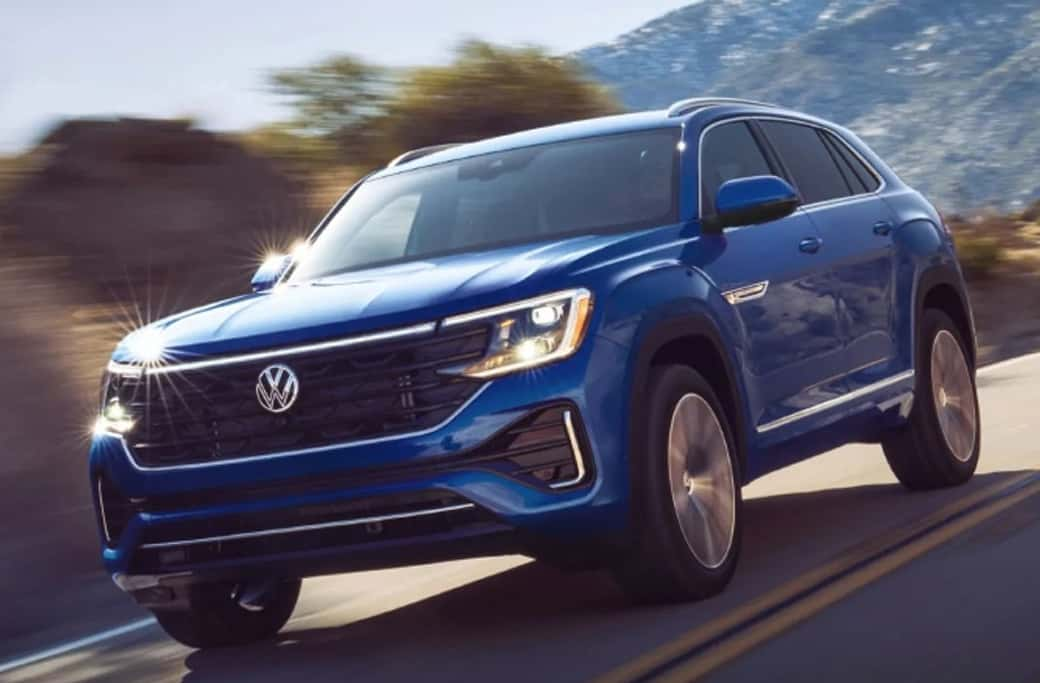
When you see the sleek lines of a Volkswagen Atlas Cross Sport cruising down the highway, you likely think of German engineering. Volkswagen is, after all, a historic German brand. However, for drivers in North America, this popular SUV has a much closer home. If you are wondering where the VW Atlas Cross Sport is made, the answer is Chattanooga, Tennessee. Since its debut, the Atlas Cross Sport has been assembled at the Volkswagen Chattanooga Assembly Plant. This state-of-the-art facility is a hub of automotive innovation, combining Volkswagen’s rigorous design standards with American manufacturing craftsmanship. A Product of Chattanooga, Tennessee The Chattanooga Assembly Plant is a large facility that produces the Volkswagen Atlas and Atlas Cross Sport. It is the first and only dedicated Volkswagen vehicle assembly plant in the United States. Manufacturing these vehicles in Tennessee ensures the SUVs are tailored to the needs of the North American market. The facility employs thousands of American workers and utilizes advanced robotics and sustainable manufacturing practices. When you purchase an Atlas Cross Sport, you aren't just getting a vehicle with European heritage; you are supporting American manufacturing jobs. This "German Engineering, American Style" approach enables faster delivery to dealerships and a product fine-tuned for American roads. Why the Atlas Cross Sport Stands Out Knowing that it is American-made is a great starting point, but why else should you consider this SUV? The Atlas Cross Sport strips away the third row found in the standard Atlas, resulting in a sportier, more coupe-like silhouette without sacrificing cabin space. Distinctive Design The most immediate difference is the roofline. The Cross Sport features a raked roof that gives it an aggressive, athletic stance. It looks modern and stylish, standing out in a crowded field of boxy SUVs. Despite the sloped roof, the rear seat legroom remains generous, providing ample space for adult passengers. Advanced Technology Modern drivers expect connectivity, and the Atlas Cross Sport delivers. Most trims come equipped with the Volkswagen Digital Cockpit Pro, a high-resolution configurable instrument cluster. You also get access to IQ.DRIVE, a suite of safety features that includes Travel Assist, Adaptive Cruise Control, and Active Blind Spot Monitor to keep you safer on the road. Capable Performance Under the hood, you generally find a potent turbocharged engine that balances power with efficiency. When paired with 4MOTION® all-wheel drive, the Atlas Cross Sport handles rain, snow, and rough terrain with confidence. It offers the towing capacity and power you need for weekend adventures, whether you are heading to the coast or the mountains. Experience the Atlas Cross Sport in Wakefield The Volkswagen Atlas Cross Sport offers a unique blend of style, space, and power. It proves that you don't have to choose between a practical family hauler and a vehicle that looks great in your driveway. Best of all, it brings world-class engineering right to your backyard from its home in Tennessee. If you are ready to see what American manufacturing and German design look like up close, visit us at Speedcraft Volkswagen in Wakefield, RI. Our team can walk you through the different trim levels and help you find the perfect SUV for your lifestyle.

When to Trade Your Lease for a New One

Leasing a car offers the flexibility to drive a new vehicle every few years without the long-term commitment of ownership. But what if your needs change before your lease is up? Maybe you need a bigger car for a growing family, a more fuel-efficient model for a new commute, or you simply want the latest technology. Trading in your lease for a new one can be a great solution. This guide will walk you through everything you need to know about trading in your lease. We'll explore how to assess your current lease agreement, the factors to consider before making a move, and the steps involved in securing your next vehicle. By the end, you'll have a clear understanding of whether trading in your lease early is the right decision for you. Understanding Your Current Lease Agreement Before you even think about visiting a dealership, the first step is to grab your current lease contract and review it carefully. This document contains all the crucial information that will influence your decision. Review Your Lease Terms Your lease agreement is the roadmap for your leasing journey. Pay close attention to these key details: Lease-End Date: This is the date your lease officially concludes. Knowing how much time is left is essential for calculating your options. Mileage Allowance: Most leases come with an annual mileage limit (e.g., 10,000, 12,000, or 15,000 miles per year). Exceeding this limit will result in penalties, typically charged per mile over the cap. Residual Value: This is the car's projected worth at the end of the lease term, determined by the leasing company when you signed the agreement. It's a key number used to calculate your lease payments and your payoff amount. Payoff Amount: This is the total amount you would need to pay to buy the car outright before the lease ends. It includes the remaining payments and the residual value. You can request this figure from your leasing company at any time. Check for Early Termination Penalties Ending a lease early isn't as simple as just returning the car. Leasing companies structure their agreements to be completed, so breaking the contract usually involves costs. Look for a section in your agreement about "Early Termination." You might find that you're responsible for: All remaining lease payments. An early termination fee. Costs associated with preparing the vehicle for resale. These penalties can add up quickly, making an early trade-in an expensive choice if not handled correctly. However, a dealership can often work these costs into your new lease agreement, which we'll cover later. Factors to Consider Before Trading Once you understand your lease agreement, it's time to evaluate your vehicle's current standing. Three main factors will determine if trading in your lease is a financially sound move. Mileage Check your odometer. Are you well under your mileage limit, or are you approaching it faster than expected? If you're under your mileage limit: You're in a good position. The unused miles have value, which could contribute to positive equity in your vehicle. If you're over your mileage limit: Trading in your lease early could be a smart way to avoid hefty mileage penalties at the end of your term. The dealership might be able to absorb these costs into your new deal. Condition of the Vehicle Inspect your car for any wear and tear. Most lease agreements allow for normal use, but significant damage will cost you. Be honest about: Dents, scratches, or paint damage. Stains or tears in the upholstery. Worn-out tires. Cracks in the windshield. If your car has excessive wear, trading it in early could help you avoid paying for repairs or penalties when your lease matures. The dealership will assess the damage and factor it into the trade-in value. Market Value vs. Payoff Amount This is the most critical calculation. You need to determine if your vehicle has positive or negative equity. Positive Equity: Your vehicle's current market value is higher than your lease payoff amount. This is the ideal scenario. The extra value can be used as a down payment on your new lease, lowering your monthly payments. Negative Equity: Your vehicle's current market value is lower than your lease payoff amount. This is common, as cars depreciate quickly. If you have negative equity, the difference will need to be paid off or rolled into your new lease, which will increase your new monthly payments. To find your car's market value, you can use online tools like Kelley Blue Book (KBB) or get an appraisal from a dealership. When Trading In Makes Sense Deciding to trade in your lease early often comes down to a few key situations. If you find yourself in one of these scenarios, it might be the perfect time to make a change. Your Needs Have Changed: Life happens. A new job with a longer commute might make you want a more fuel-efficient car. A growing family could require the space of an SUV like the Volkswagen Atlas. If your current vehicle no longer fits your lifestyle, it’s worth exploring a trade-in. You've Found Great Financial Incentives: Dealerships and manufacturers frequently offer promotions to attract customers. These might include "lease pull-ahead" programs, where they'll cover your last few lease payments, or loyalty bonuses for sticking with the same brand. Keep an eye out for these deals, as they can make an early trade-in much more affordable. You Want to Avoid Penalties: If you're on track to significantly exceed your mileage allowance or have caused damage that goes beyond normal wear and tear, trading in your lease can be a strategic move. A dealership may be more forgiving of these issues than the leasing company at the end of the term, especially if you're leasing a new car from them. Steps to Trading In Your Lease Ready to move forward? Follow these steps to ensure a smooth and successful trade-in process. Research New Vehicle Options: Start by exploring what you want in your next vehicle. Consider models that fit your new needs and budget. Browsing a dealership's inventory online, like the selection at Speedcraft Volkswagen, can give you an idea of available options, from the versatile Tiguan to the family-friendly Atlas. Get a Trade-In Appraisal: Visit a dealership to have your current vehicle appraised. It's a good idea to get quotes from a few different places to ensure you're getting a fair market value. This appraisal will be compared against your lease payoff amount to determine your equity. Negotiate the New Lease: Once you have your trade-in value, you can begin negotiating your new lease. If you have positive equity, make sure it's applied as a down payment. If you have negative equity, discuss how it will be handled. The dealership may be able to absorb some of it or roll it into your new payments. Be sure to review all terms, including the monthly payment, lease duration, and mileage allowance, before signing. Make the Right Move for You Deciding when to trade in a lease is a personal financial decision that requires careful consideration. By reviewing your current lease agreement, assessing your vehicle's condition and equity, and understanding your personal needs, you can determine the best time to act. Whether you're avoiding penalties, taking advantage of a great deal, or simply need a car that better suits your life, a lease trade-in can be a powerful tool for staying on the road in a vehicle you love. If you're considering your options, the team at Speedcraft Volkswagen is ready to help. We can appraise your current lease and show you our wide range of new vehicles to find the perfect fit for your next chapter.

Volkswagen Windshield Wipers

How Long Do Volkswagen Windshield Wipers Last?

Windshield wipers are one of the most important safety features on your car. They keep you safe by increasing visibility when driving in poor weather conditions. But, like any part of your car, they can wear out over time and need to be replaced. So how long do windshield wipers last? Let’s take a look at Volkswagen-branded windshield wipers and see what kind of life you can expect from them. Life Expectancy of Volkswagen Windshield Wipers Volkswagen windshield wipers are designed to last for up to one year. However, this figure is dependent on several factors such as the climate where you live and how often you use the wipers. If you live in a particularly harsh climate or tend to rely heavily on your windshield wipers, you may need to replace them more frequently than if you lived in a milder environment and used your wipers less often. It is also important to remember that different types of wiper blades have different lifespans. For example, traditional rubber blades tend to last longer than silicone-based blades, but they don’t provide as good of a wiping action. On the other hand, silicone-based blades provide superior performance but they wear out faster than rubber blades. When selecting new wiper blades for your Volkswagen, it is important to consider both performance and longevity when making your decision. Signs That It Is Time To Replace Your Wiper Blades If you find that your wiper blades are leaving streaks or smears on the windshield after use or just aren’t performing as well as they used to, it might be time for a replacement set. You should also inspect your wiper blades regularly for signs of cracking or other damage that could affect their performance or cause them to fail prematurely. If there is any visible damage, it’s best to err on the side of caution and replace them right away instead of waiting around until it’s too late! The lifespan of Volkswagen windshield wipers really depends on several factors including climate and usage patterns. Generally speaking, however, you should expect them to last up to one year before needing replacement—though this number may vary depending on individual circumstances. It is important to inspect your wiper blades regularly for signs of wear and tear or damage so that you can make sure they are always providing adequate protection against poor weather conditions while driving. By doing so, you can ensure that your VW continues running at peak performance for years down the line!